
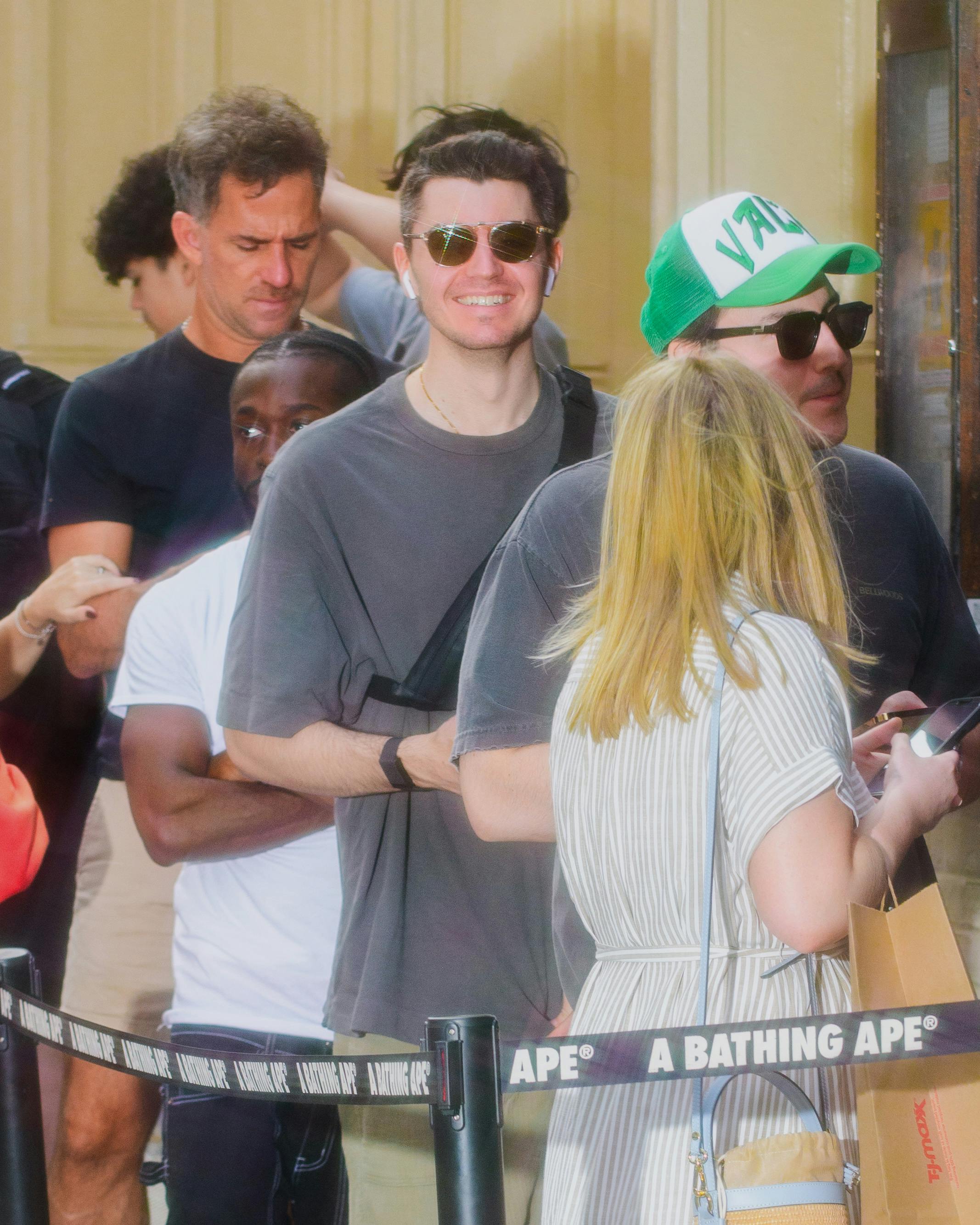
Photographer Evan Angelastro spent a sunny spring weekend in search of the infamous clout corridor, where young people go to shop and flex on social media.
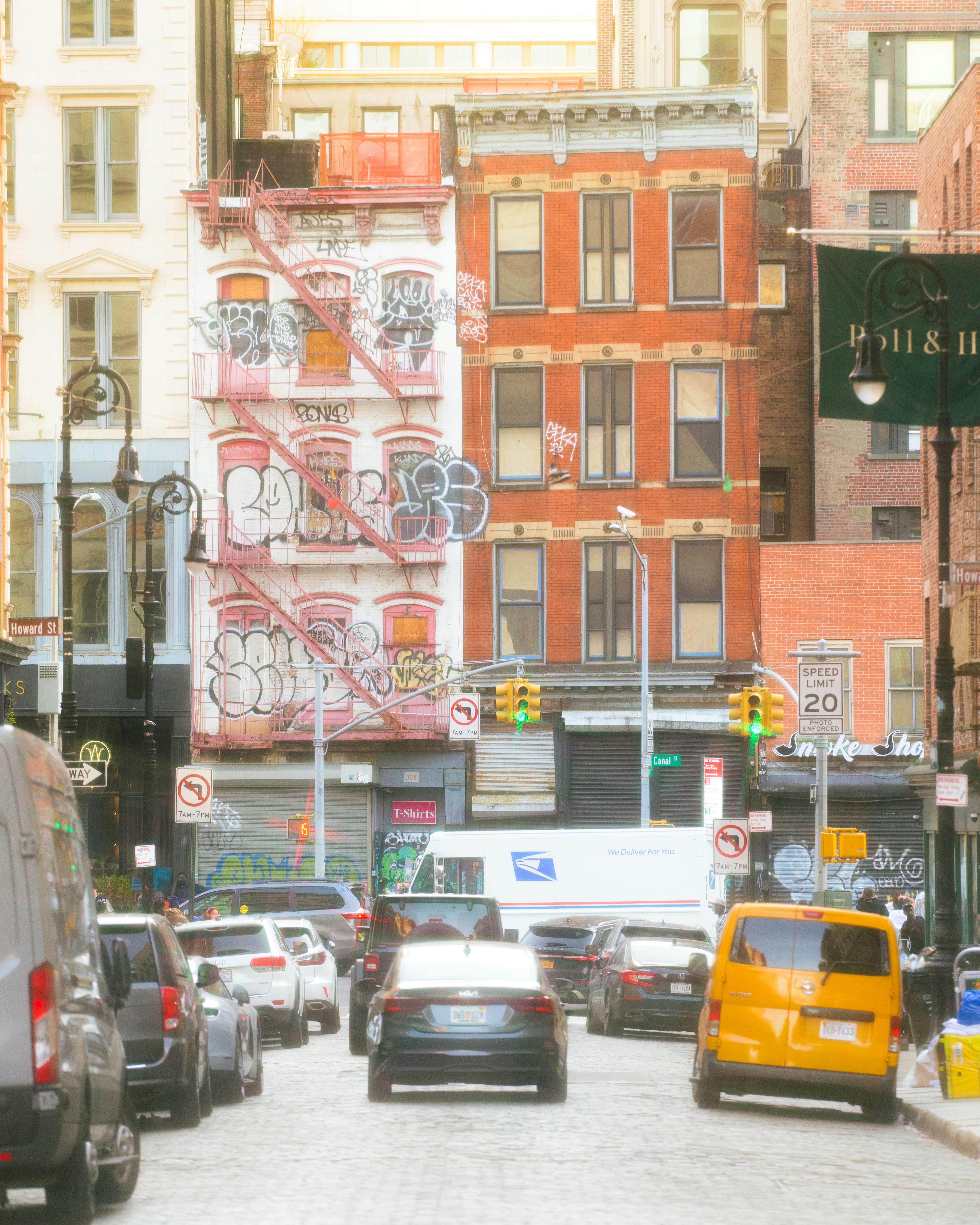
Many moons ago (in 2018), I published a story about the corner of Mercer and Howard Streets in SoHo, which I dubbed the “Clout Corridor.” At the time, this particular intersection was home to hype-y stores such as VFiles, Stadium Goods, Billionaire Boys Club, Palace Skateboards, NikeLab 21M, and Off-White™, prompting hordes of young men (and some women) to gather there for the chance to see and be seen. “If I were the mother of a teenage boy who owned more than three pairs of sneakers and spent longer than 60 seconds looking at himself in the mirror each morning,” I wrote, “the intersection of Mercer and Howard Streets in SoHo is where I would go looking for him if he ever went missing.”
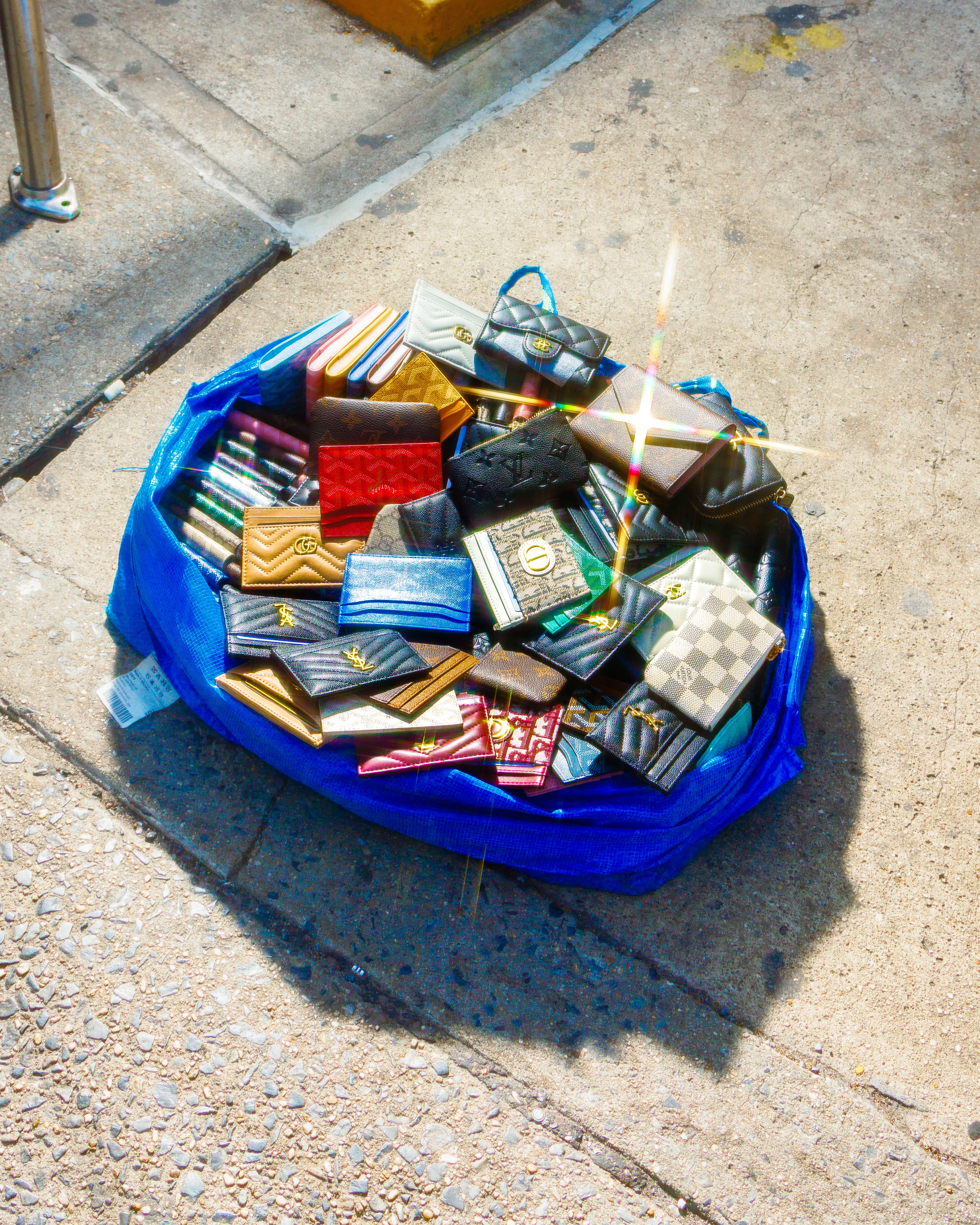
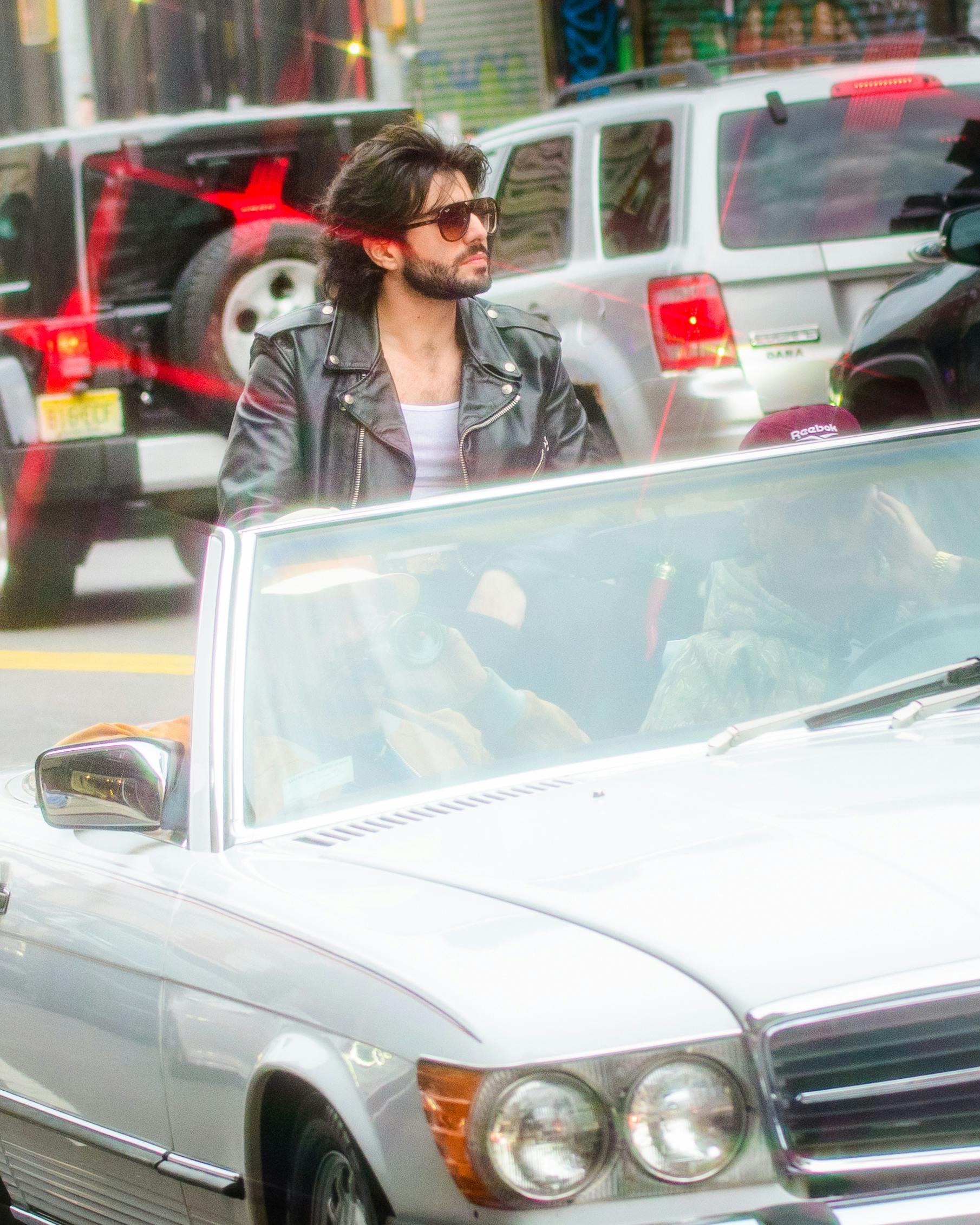
Today, the Clout Corridor is full of grown men hawking fake designer goods from repurposed Amazon delivery bins. Stadium Goods is gone. So is NikeLab 21M. Virgil Abloh is dead, and Kanye West seems to have thoroughly canceled himself, at least for now. On a recent Saturday, I visited the area and saw nary a youth—only swanky patrons entering and exiting La Mercerie, the restaurant inside Roman and Williams Guild, and a parked Lamborghini. Even the faint smell of weed was gone. Instead, on the corner of Broadway remained signs of the now-closed THC NYC, a museum advertising itself as a “multi-sensory journey into cannabis culture.” Where art thou, clout?
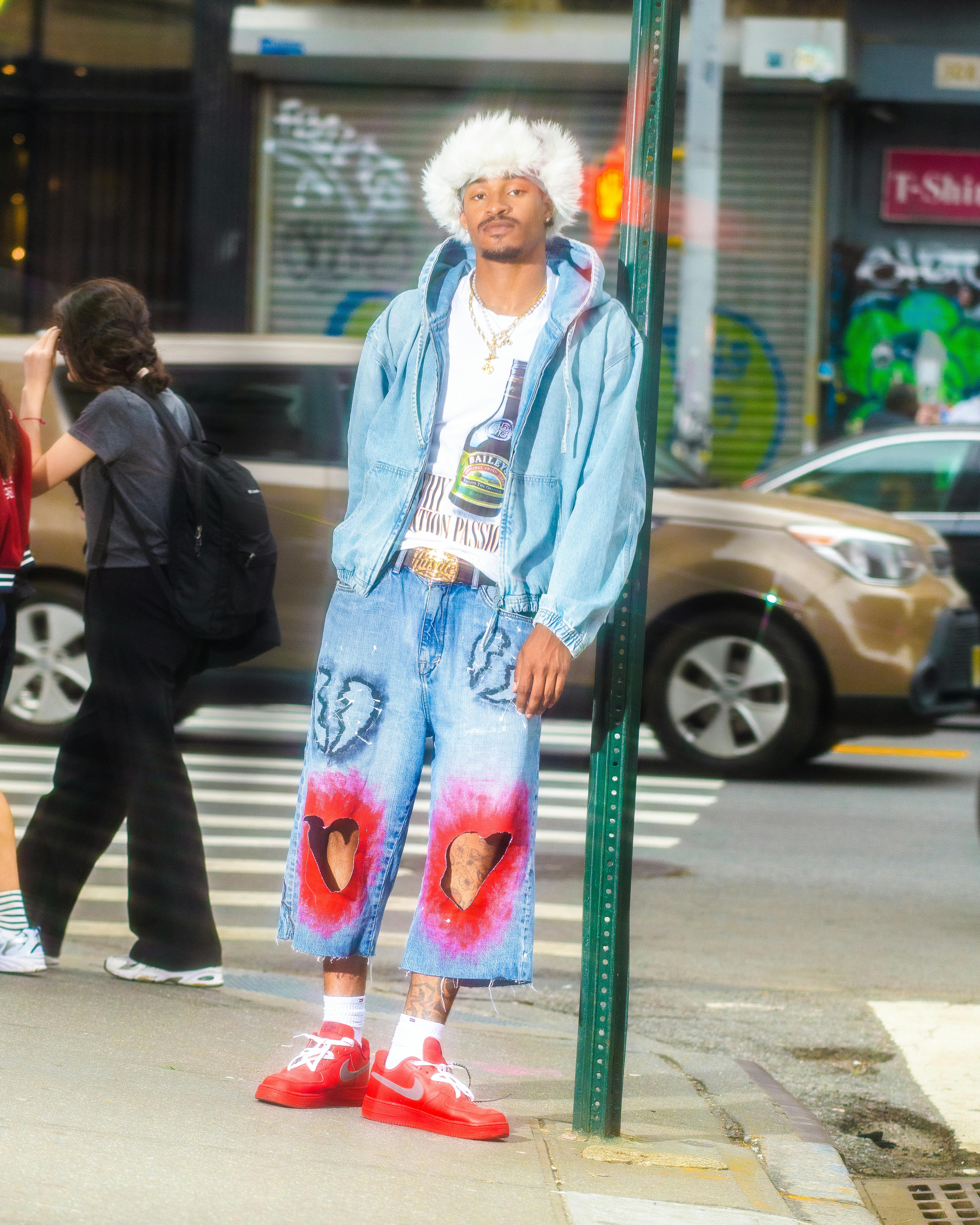

Last month, like a fanatic explorer in search of El Dorado, I decided to venture out in search of the 2025 equivalent of the Clout Corridor. Had it moved East? Fractured and multiplied? Did the players grow up? What does ‘clout’ even mean anymore?
I started at the scene of the crime. “When I moved to New York in 2020, I thought Soho was where you had to be if you were trying to get into fashion,” said Beenslackin, a 26-year-old whom The New York Times described as a “fit pic provocateur, full-time flaneur, and occasional stylist.” But as someone who’s spent “countless hours” there, he’s realized the neighborhood isn’t the hangout spot it once was. “People go there to shop, and that's it,” he said. “Soho is in its corny stage now.”
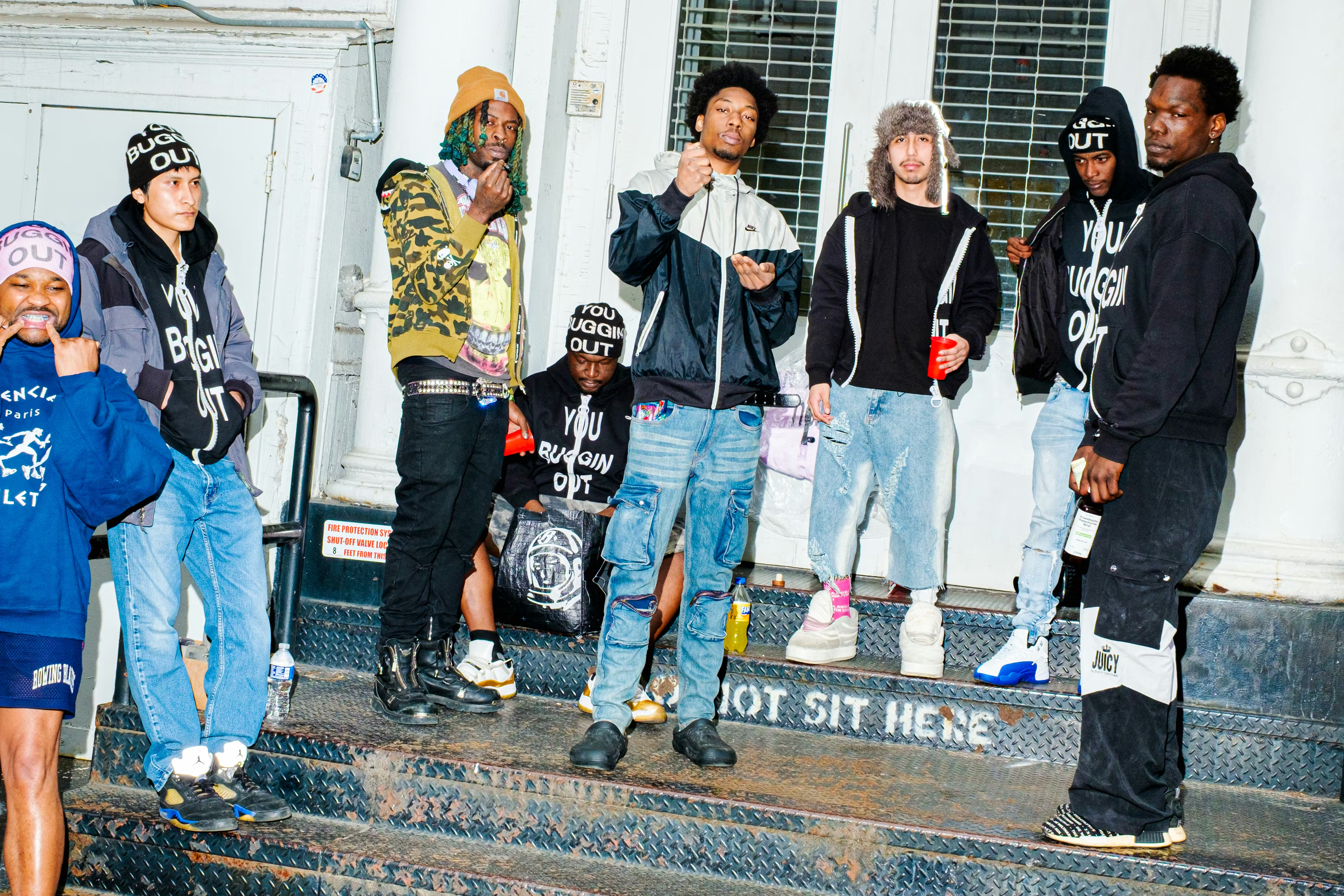
Beenslackin lives on the Lower East Side and most often finds himself in Dimes Square. But he’s noticed people congregating outside the Howard Street Rick Owens store — just a few blocks up from the original Corridor — and at Second Street Vintage across the street, where “kids who want to shop at Rick Owens and can’t afford it are buying it secondhand.”
There’s also the new Stüssy store on Prince Street, which has been drawing crowds since it opened in February. Walking by, I saw 40-odd people, most of whom were adults, corralled into a single-file line on the sidewalk by two security guards. “This is something that will never make sense to me” said one bystander, shaking his head. “People just love lining up for shit.”
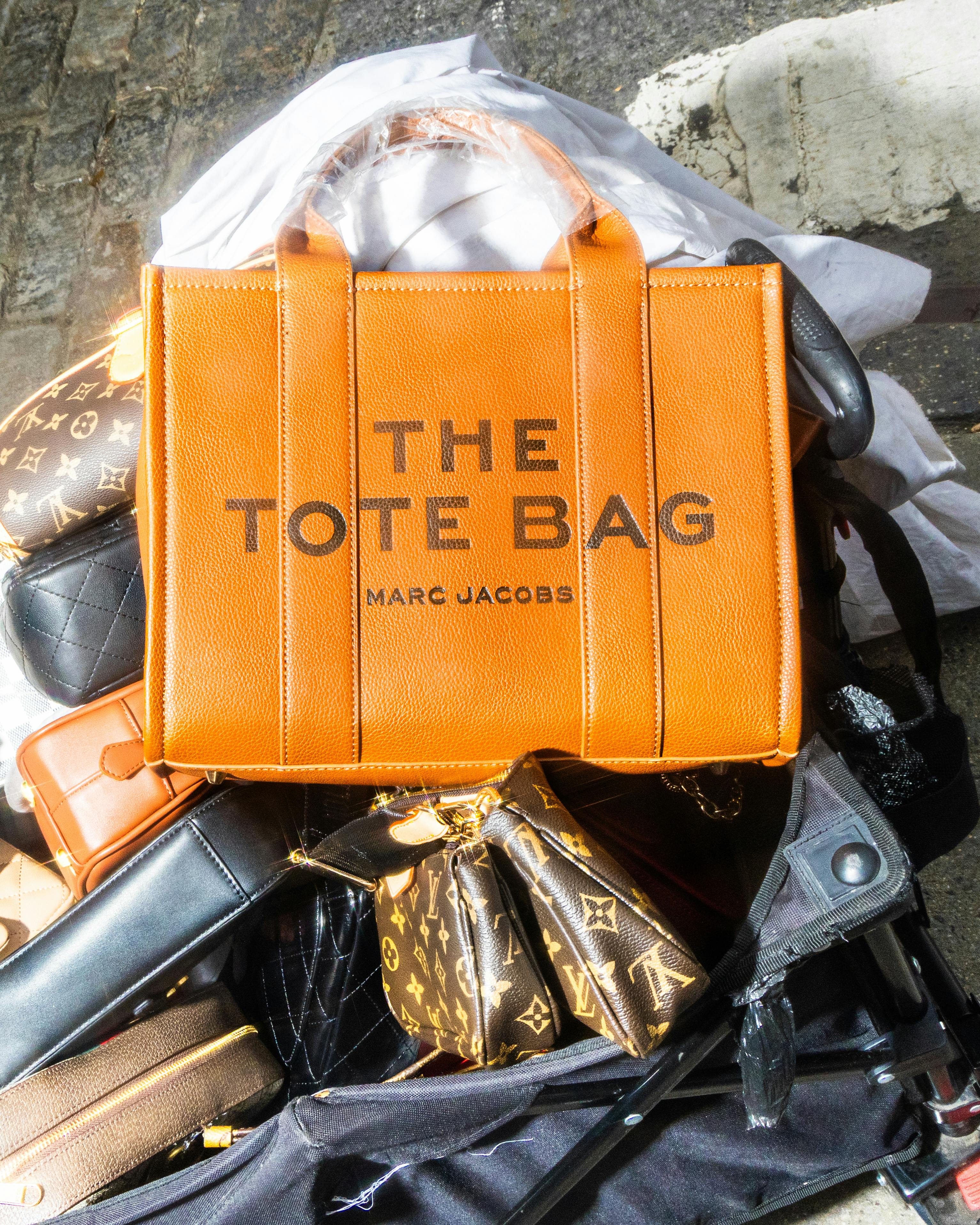
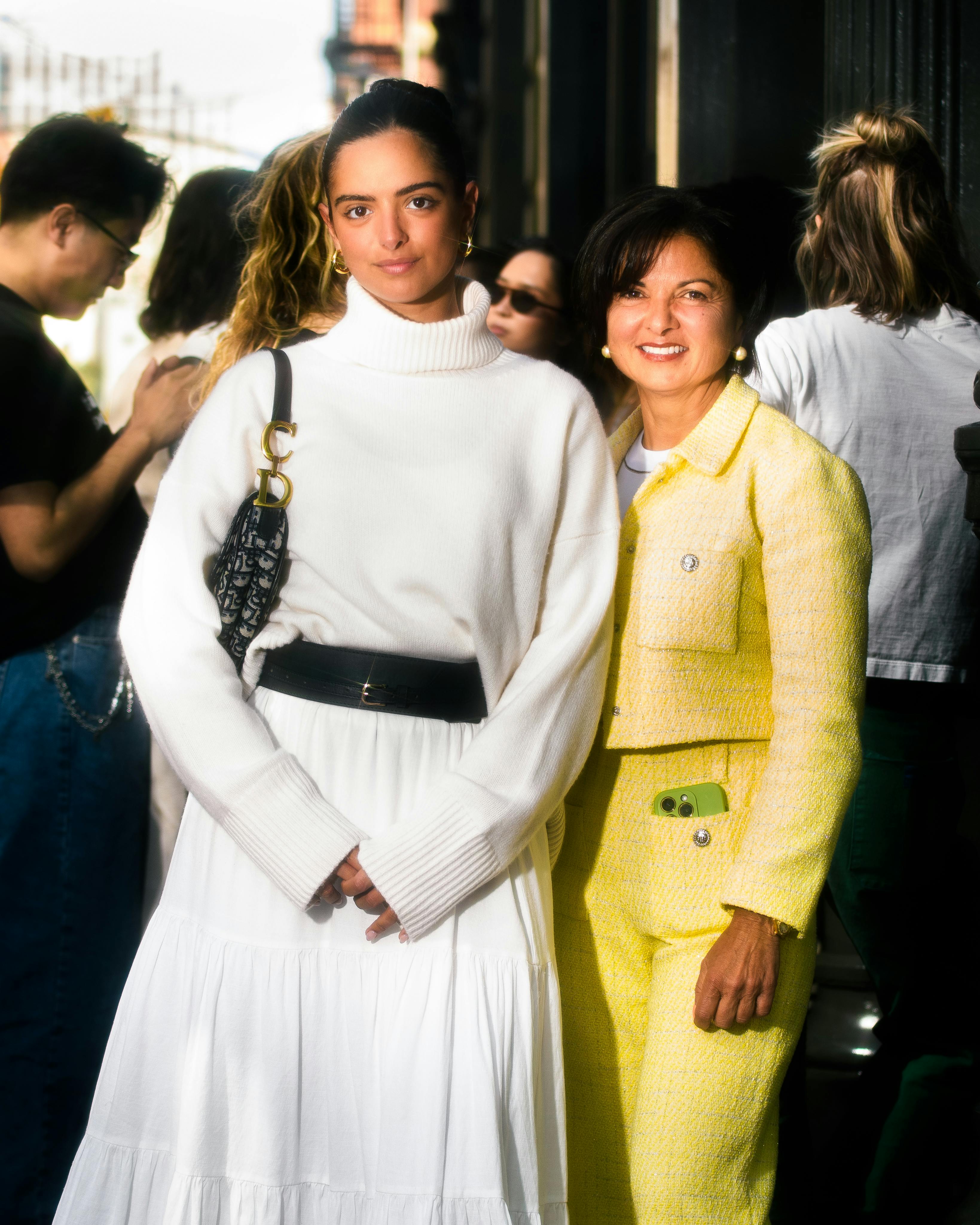
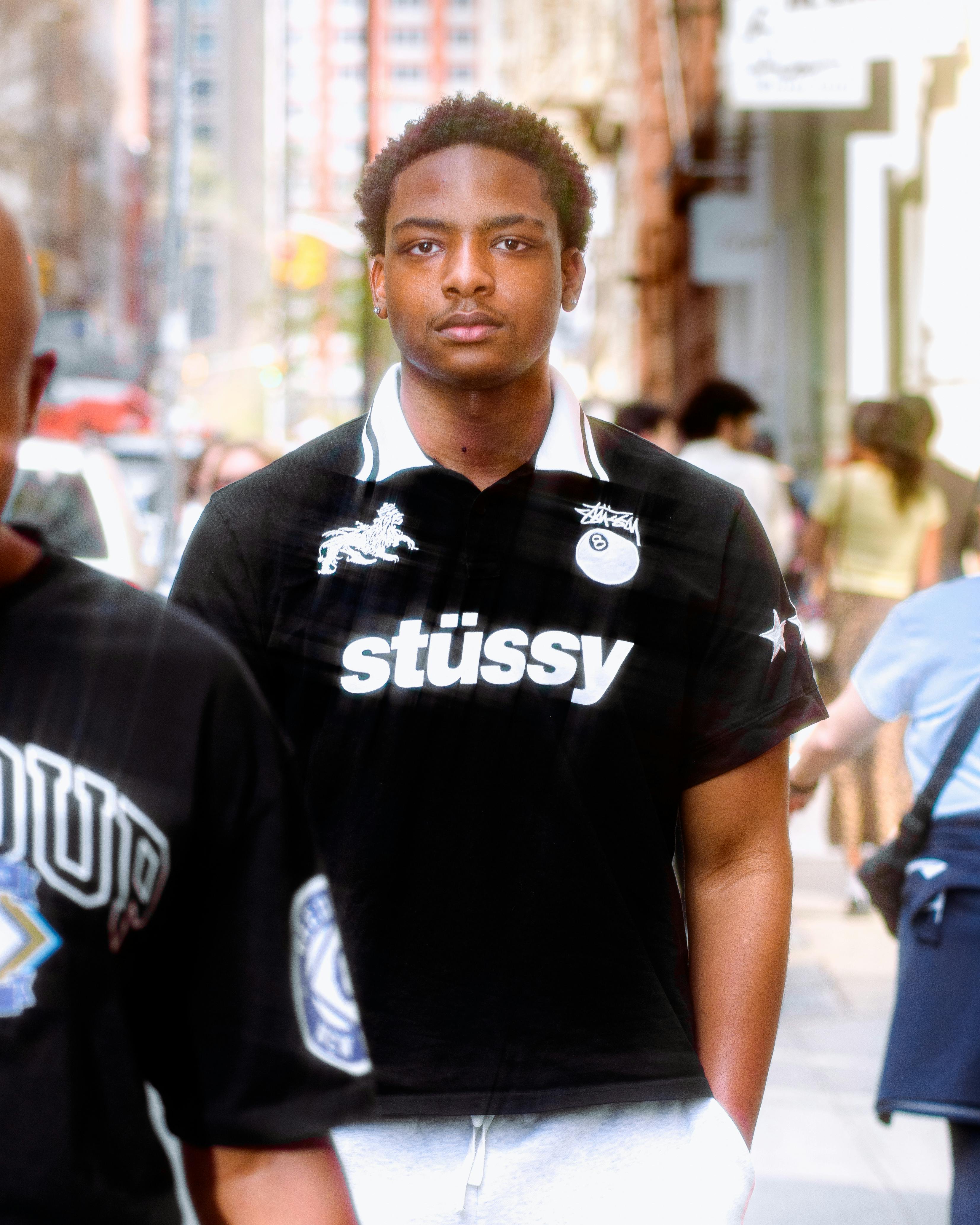
A young couple at the front of the line had been queuing for an hour. The man, who’d flown in from Italy to visit his girlfriend, wore a baby blue Arc’teryx beanie, and flare jeans that hung long on his waist. I asked if he was shopping for anything specific. He shrugged. Did he plan to visit any other stores? Another shrug. Maybe Supreme, he said.
If there is a line in New York City, someone will indeed join it, even if they don’t totally know why. Waiting in line is purposeful, at once a solitary and a collective act. In 2018, though, lines weren’t the Clout Corridor’s raison d’être. Kids were there to hang out — to show off the goods they’d waited in line for. “I remember going to SoHo just to sit on the VFiles stairs,” said Emma Rogue, who’s now in her twenties and owns a Lower East Side vintage shop called Rogue. “Whenever I didn't have anything to do, or was bored, I was like, Oh, let me just go by and see who's there.”


Now, every other store seems to have a line outside. I saw them everywhere, from the Museum of Ice Cream to The RealReal’s brick-and-mortar. When brands enacted safety measures during the height of the COVID-19 pandemic, they perhaps realized they could better control security and in-store flow by limiting the number of customers. This also meant they could hire fewer staff and create more hype. But long lines do not equal clout. In fact, they are arguably at odds with it.
“Clout is motion,” said Alex Hartman, 28, a brand consultant who runs the popular Instagram account NoLIta Dirtbag, which frequently makes clout chasing and clout chasers the butt of the joke. “It’s no problem, no sweat, no line. People want you there; they’re hitting you up.”
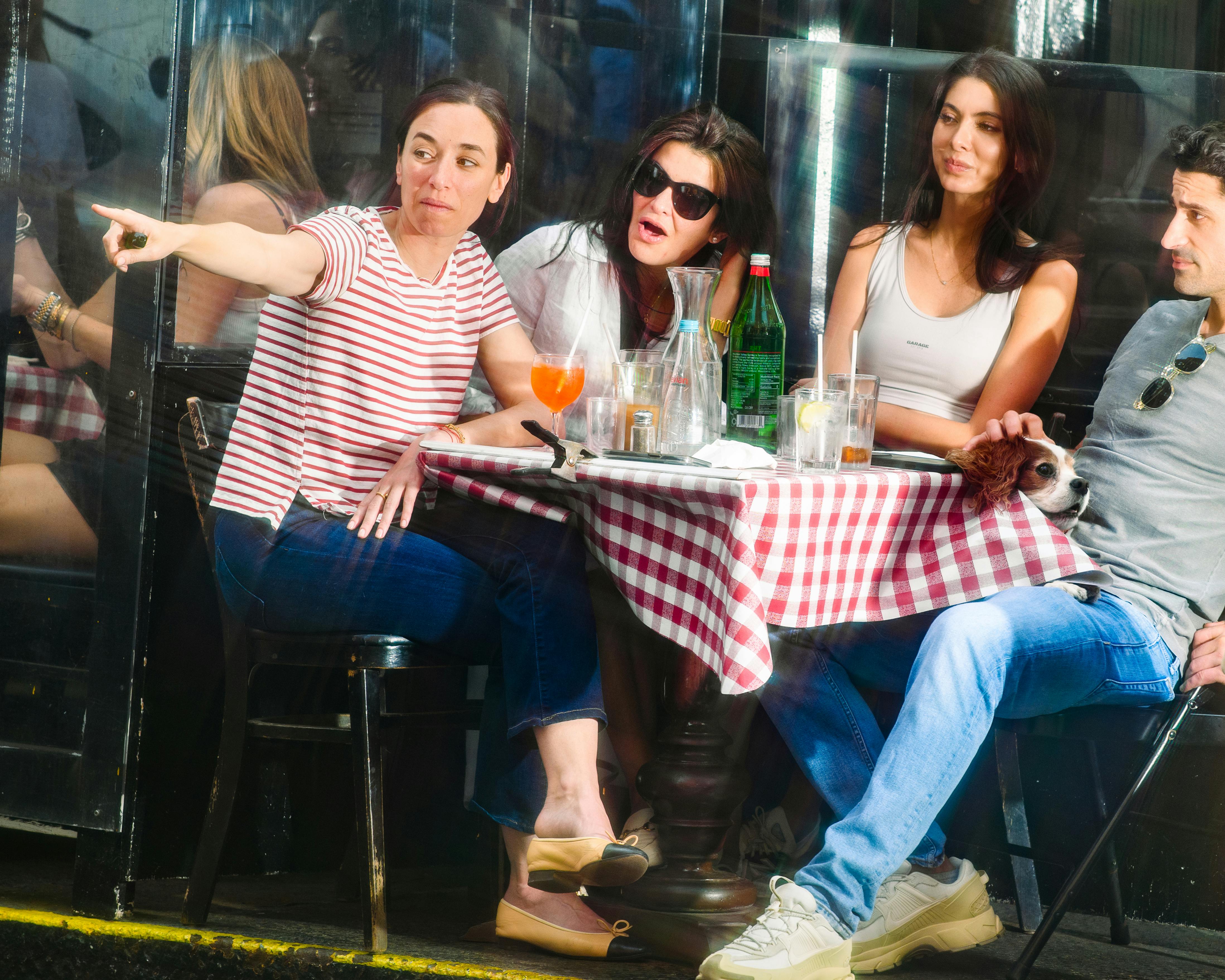
Hartman cited “Shithead Square,” or the public area outside Café Select in SoHo, as one spot where “loitering culture” takes hold. There’s also Dimes Square to the east, specifically the outdoor tables at Le Dive. On a recent weekend, a friend shared a photo to his Instagram story of someone “aura farming” outside Time Again with an espresso martini, a skinny cigarette, and a well-worn book. Rogue also mentioned “Lucien, of course.” Plus, Fanelli Cafe in SoHo.
“Just like everything on the internet, it's become much more niche and dispersed,” Hartman explained. “There are more options to feel clouty in your own little world.” A choose-your-own-clout adventure.
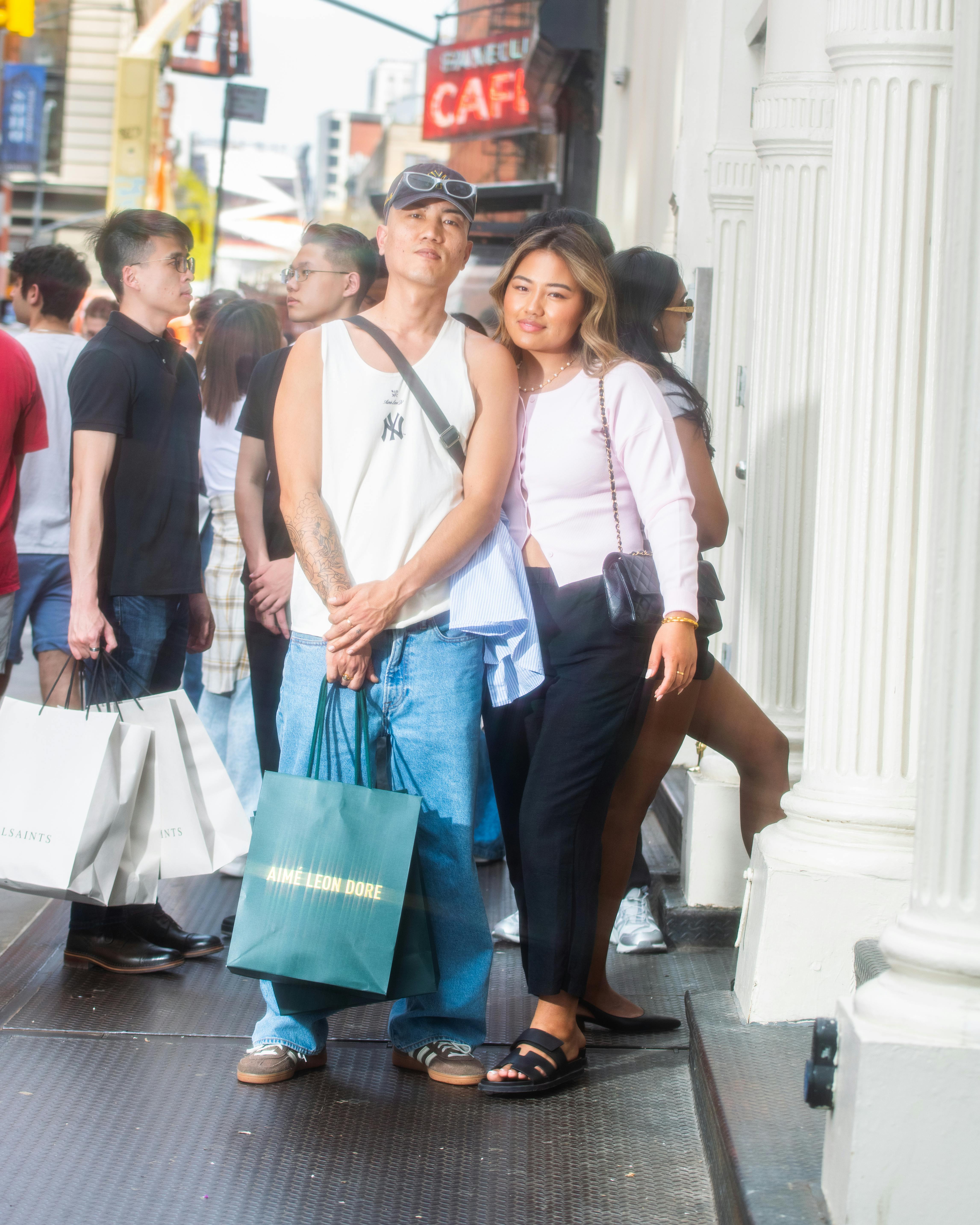

Notably, all of the aforementioned spots are restaurants, not stores. As clout chasers have grown up, their incomes have probably grown with them, and a pair of cool sneakers is no longer the flex it once was. Because luxury prices have gone through the roof, though, shoppers are more likely to be able to splurge on a decadent dinner. And without figureheads like Kanye and Virgil, fashion lacks a gravitational center. Bars and restaurants (or stores like Colbo, with its built-in coffee bar) are obvious places for people to gather and feel a sense of community. “I think it's less about lining up for clothes and more about desperately finding your ‘third space’ that makes you feel chill and cool,” Hartman said. The harder that space is to get into, the better. Clout is a lifestyle, and free time is a status symbol. “Chilling at these spots on a Tuesday night is a luxury good.”
An experience is also something you can’t sell secondhand on Grailed or copy-and-paste, which makes it the ultimate prize. Beenslackin called it an “Old Money” type of clout, in the sense that a person is “worried less about their outfit, and more about getting the most exclusive table at the most exclusive restaurant.” They don’t care about how they dress because they have money, and money opens doors.



“Experiences like traveling — going to Ibiza or Saint Barths — the fact that you can post on your story, it's like, Okay, that person's lit,” Rogue said. But it can be hard to keep up. Social media was very much a thing back in 2018, but now, everyone’s an influencer, and the clout bar has risen significantly, both monetarily and in terms of follower count. “Back then, 20,000 followers on Instagram could have gotten you into a lot of rooms,” Rogue added. “Whereas now it's more saturated; there's a million people with 20,000 followers.”
“Just because you're a content creator with followers doesn't mean you have motion, though,” Hartman clarified. “The pinnacle of clout is not needing to post where you’re at.”

Beenslackin, who has 122,000 followers, agreed. He defined clout as “your social reputation in the modern world,” so, of course, that includes your social media presence. Ultimately, though, clout is measured by your “adjacency to other clouted entities or people.” Those with no clout can have a lot of influence, and vice-versa. Only a select few people have both, which Beenslackin described as a “cult following.”
Clout also isn’t forever. “I’ve seen a lot of people gain clout really fast, and they’ll have a great moment, but then, what's next?” Rogue said.
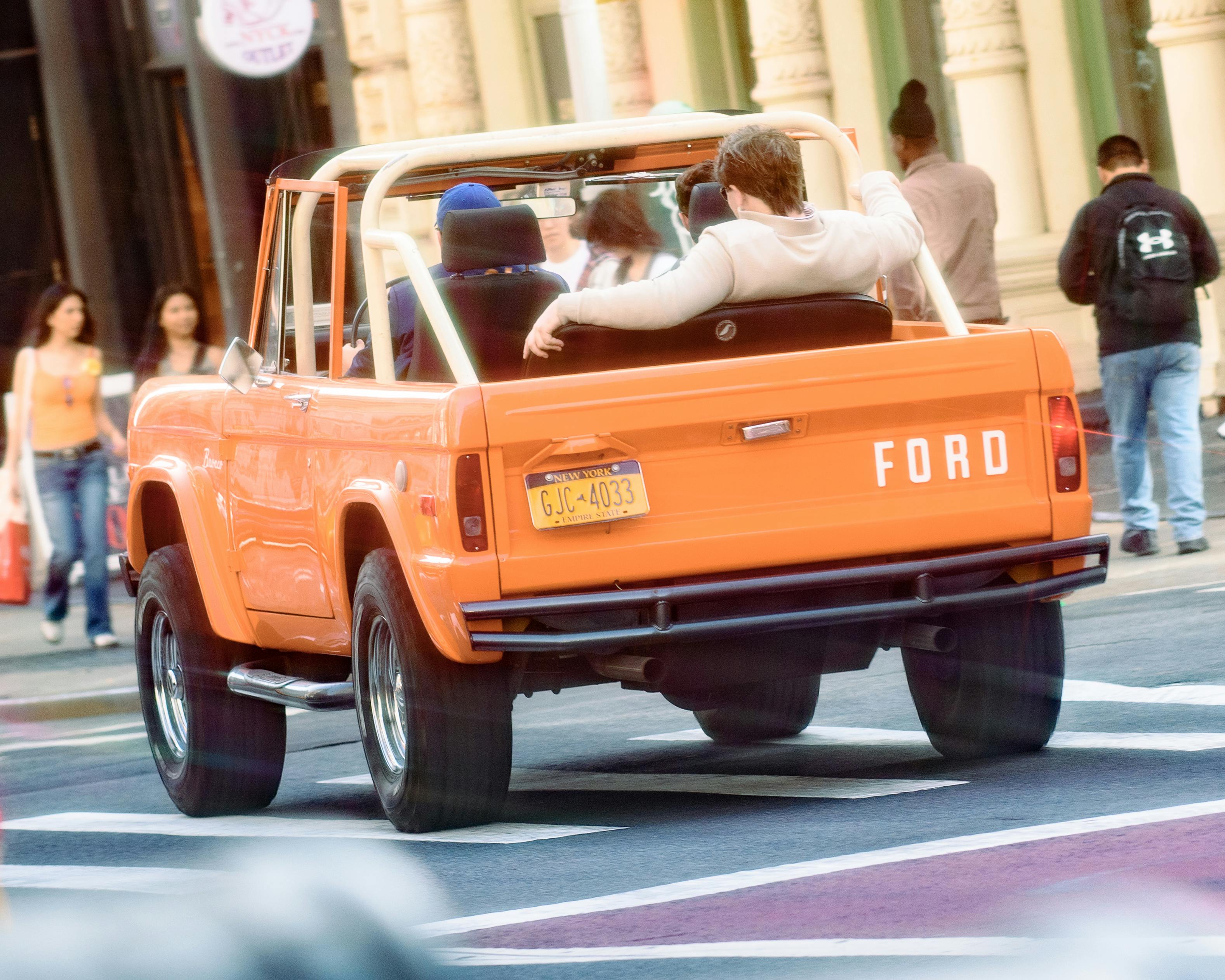
On a recent Friday night, some friends and I were waiting for a table at Fanelli Cafe when the artist and designer Austin Babbitt, who goes by Asspizza, climbed out of a white Ford F-250 covered in technicolor pumpkin-patch graffiti of his own design. I’d last spoken to Babbitt, who has “Follow Your Dreams” tattooed under his left eye, when he was 19 and the face of the Clout Corridor. Later that night, Babbitt’s friend, Jonah Levine, posted a photo of the group in a room at the Mercer Hotel where they’d lingered outside as teenagers to siphon the Wi-Fi. It seemed Babbitt hadn’t made it very far, geographically speaking. His clout, however, still appeared to be intact.
My friends, who had grown out of their sneaker obsessions and into more thoughtful shoppers at stores like C’H’C’M’, couldn’t help but take admiring photos of Babbitt’s truck. As Babbitt walked past me, I remembered that I’d DM’ed him to ask for a quote earlier that week. He hadn’t responded, which felt right. I let him walk away into the night.
Credits
Words: Emilia Petrarca
Photography: Evan Angelastro