The difference between a shoe and a good shoe isn’t always obvious. While some are so clearly good that they inform design for years to come, others are odd enough that it takes time for them to be recognized. Some are classic while others are wild. The one throughline is authenticity: All good shoes have a history and a personality. They are real.
Good shoes can be anything. Crocs’ rubber clogs, which redefined the leisure footwear market? Good shoes. Tricker’s handcrafted leather boots produced the same way for more than a century? Good shoes. Village PM’s modernized skate sneakers? Good shoes. Some good shoes are an acquired taste. Margiela’s Tabi didn’t achieve mainstream fame until the past half-decade or so. Same for Mephisto’s elderly clompers and Birkenstock’s Boston clog. Hardly anyone will ever wear KIDS LOVE GAITE’s nutty COMME des GARÇONS collaborations. But no one has to. They justify their own existence, like human beings.
Most of the shoes you’ll see on this list are obviously stylish, even in their own way. Out of fairness to the sneaker giants, they aren’t included. But that doesn’t mean they don’t make good shoes — you can’t get that big without them.
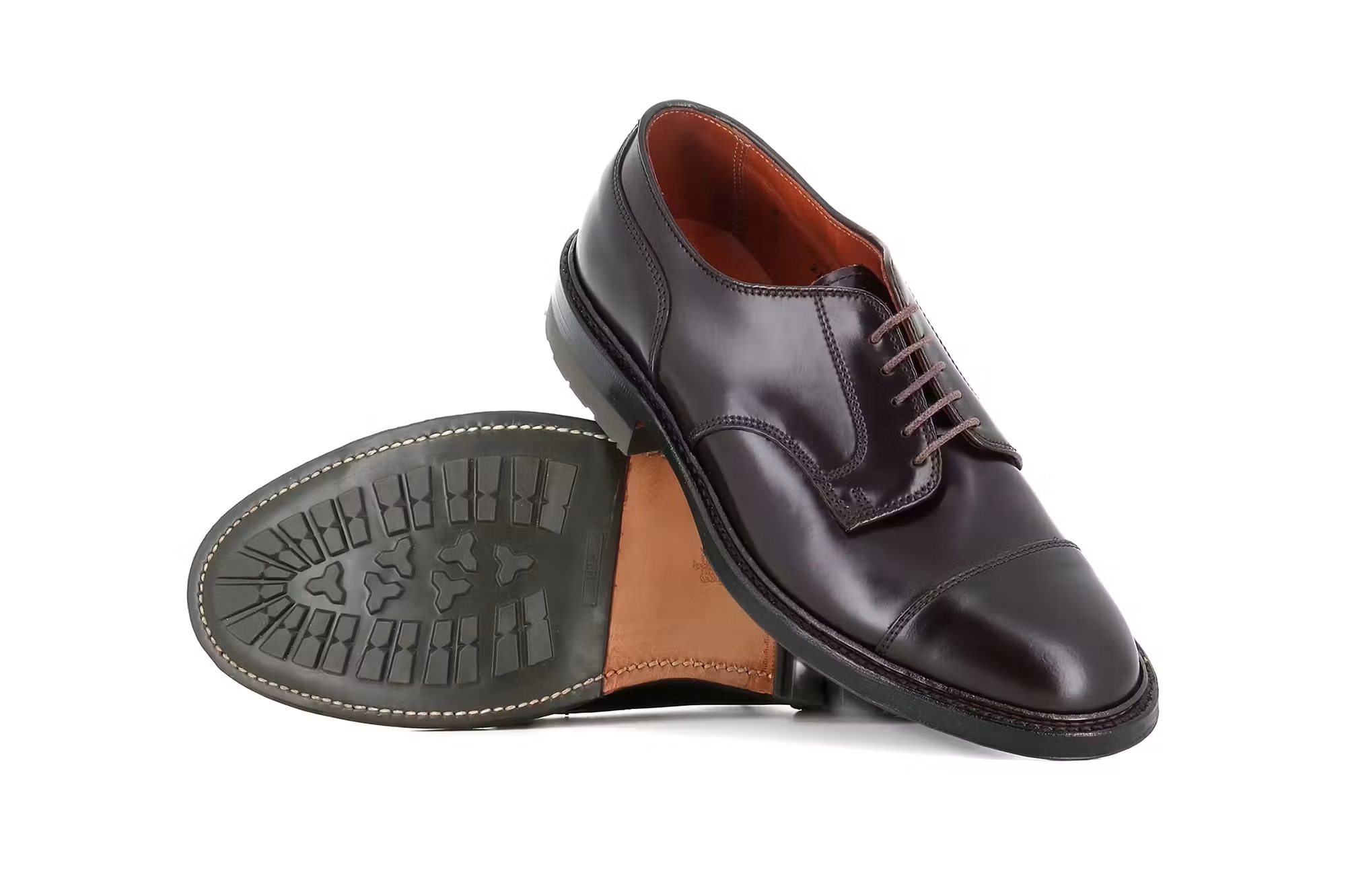
Alden
Alden’s moc-toed Indy boot and classy bluchers epitomize the well-heeled look, but their handsewn soles aren’t just for dressy occasions. As evidenced by partnerships with labels such as Engineered Garments, the New England company’s footwear applies across genres.
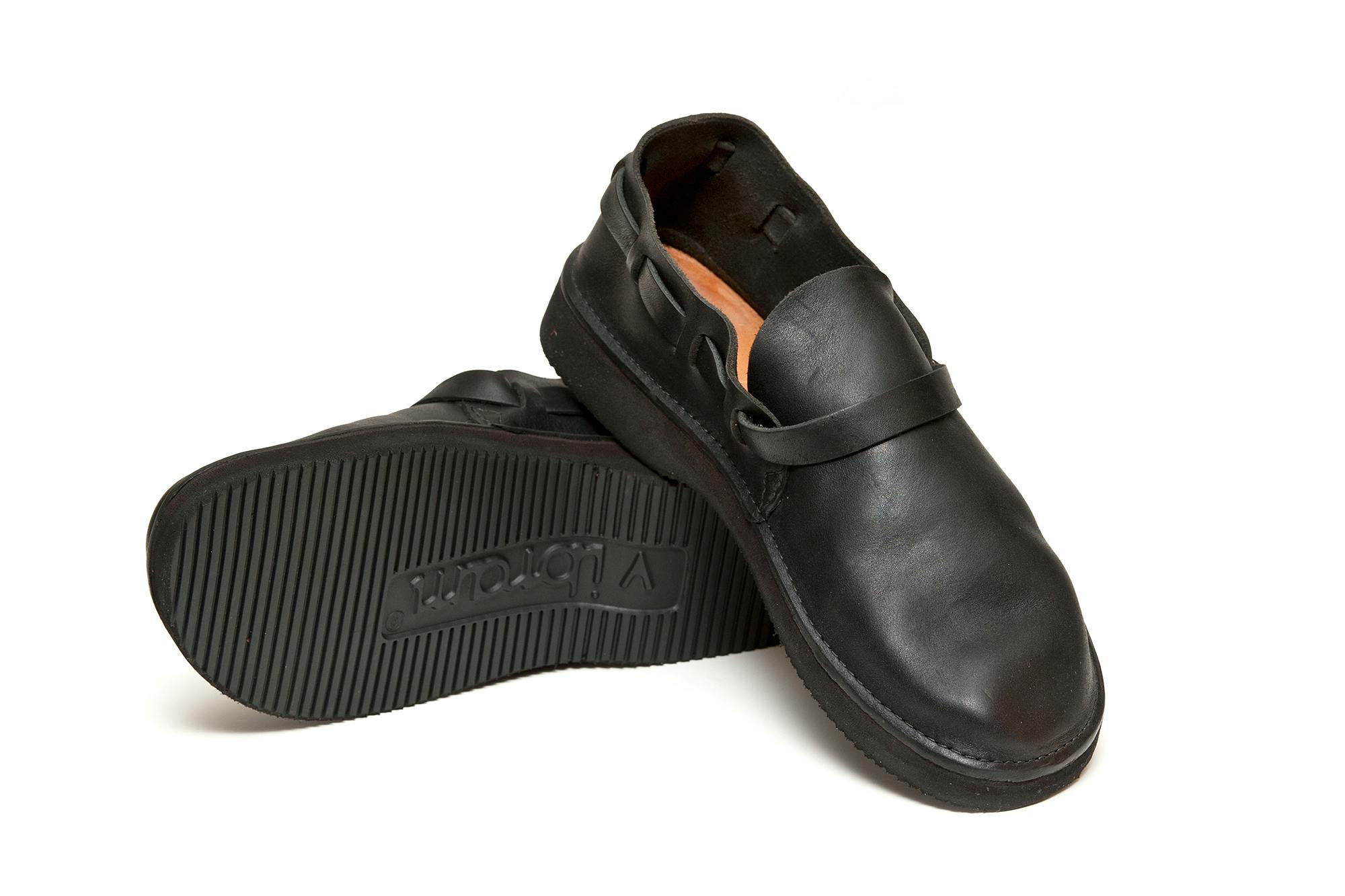
Aurora Shoe Co.
Aurora, New York, is about four hours from New York City by car. Its population is measured in the hundreds. There, Aurora Shoe Co. produces shoes that look like a distillation of its surroundings. Its Middle English clog is a hobbit-like masterpiece, a leather-and-rubber slipper that’s increasingly seen as a symbol of good taste.
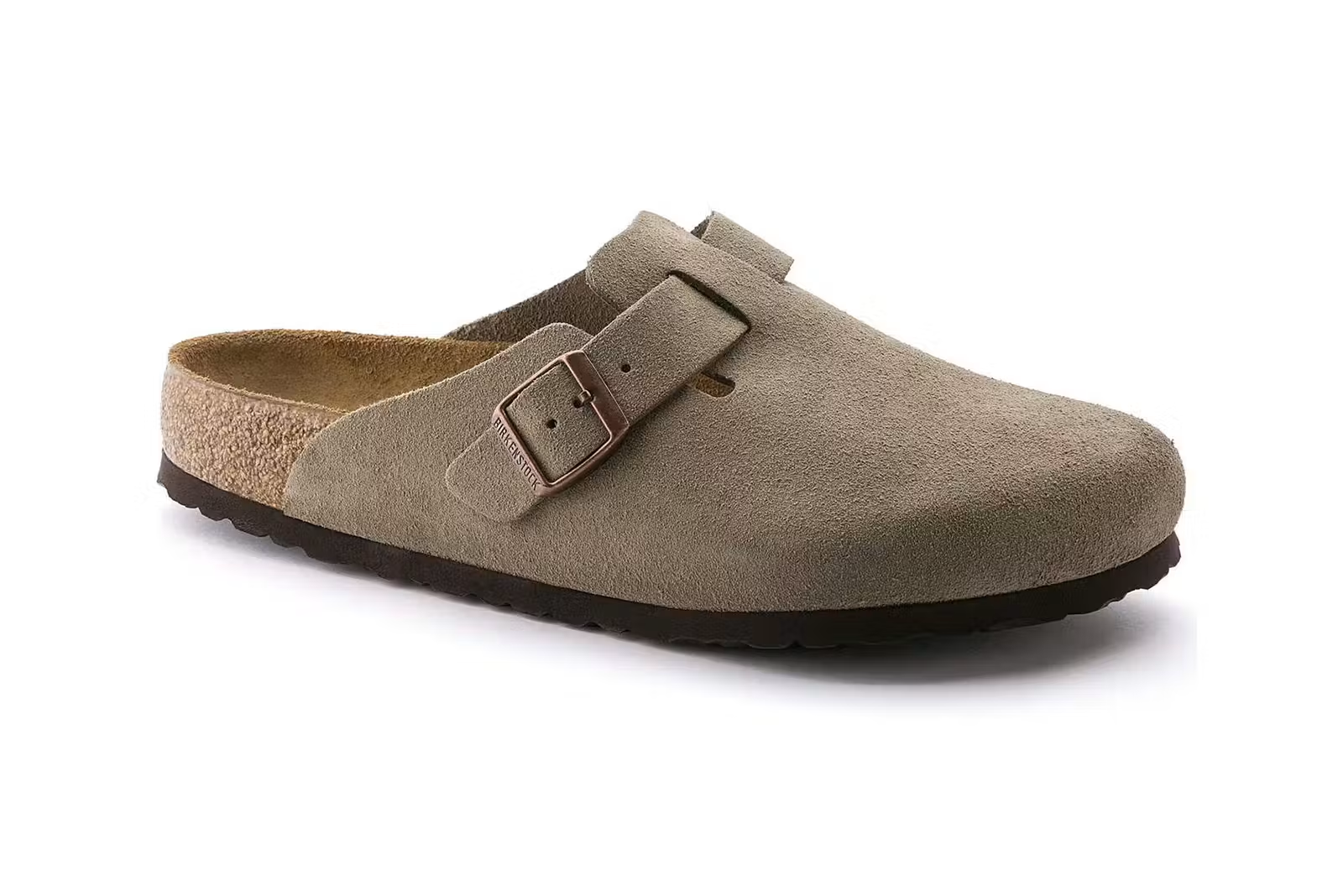
Birkenstock
There was a time when Birkenstock was a tough sell. Its sandals broke into counterculture — hippies, stoners, slackers, geeks — before finally going mainstream in the post-COVID-19 Boston clog boom. But even after a majority acquisition by an LVMH-backed investment group, all the label’s sandals are still made by hand in small German towns.
Blundstone
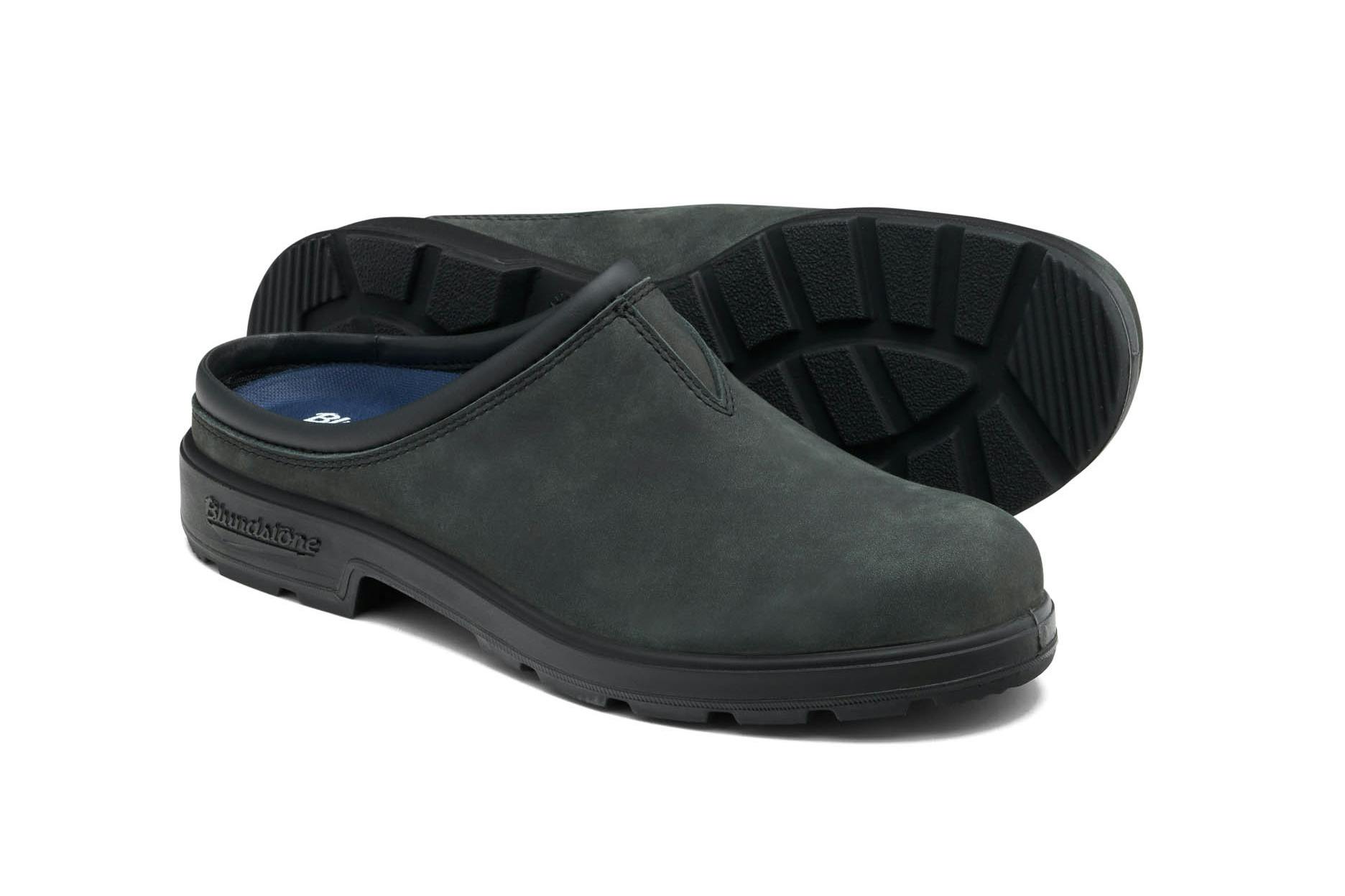
The pull-on, nearly waterproof leather Blundstone boot debuted in the ’60s and hasn’t been updated much since. The family-owned company has played with modern tweaks such as vegan uppers and mule variations, but otherwise, it’s one and done.
Clarks
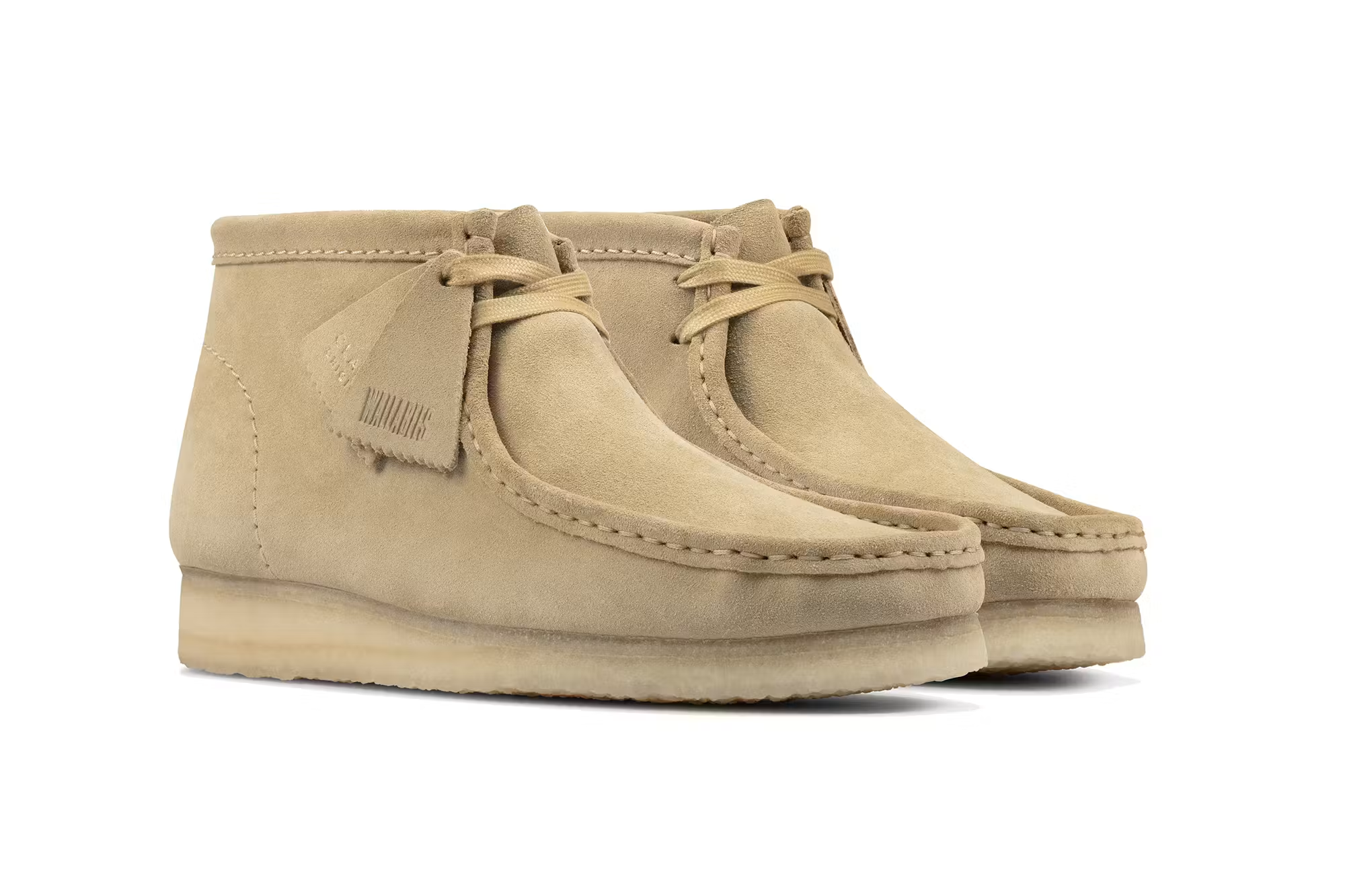
The only thing that beats a Clarks Wallabee is a Clarks Desert Boot. Or maybe a Clarks Desert Trek. Or a Clarks Redland, an obscure style preferred by Christophe Lemaire. Actually, what about some new styles: Martine Rose’s Clarks croc-printed dress shoe or BEAMS’ suede GORE-TEX Wallabees? Maybe they’re all really good.
Crocs
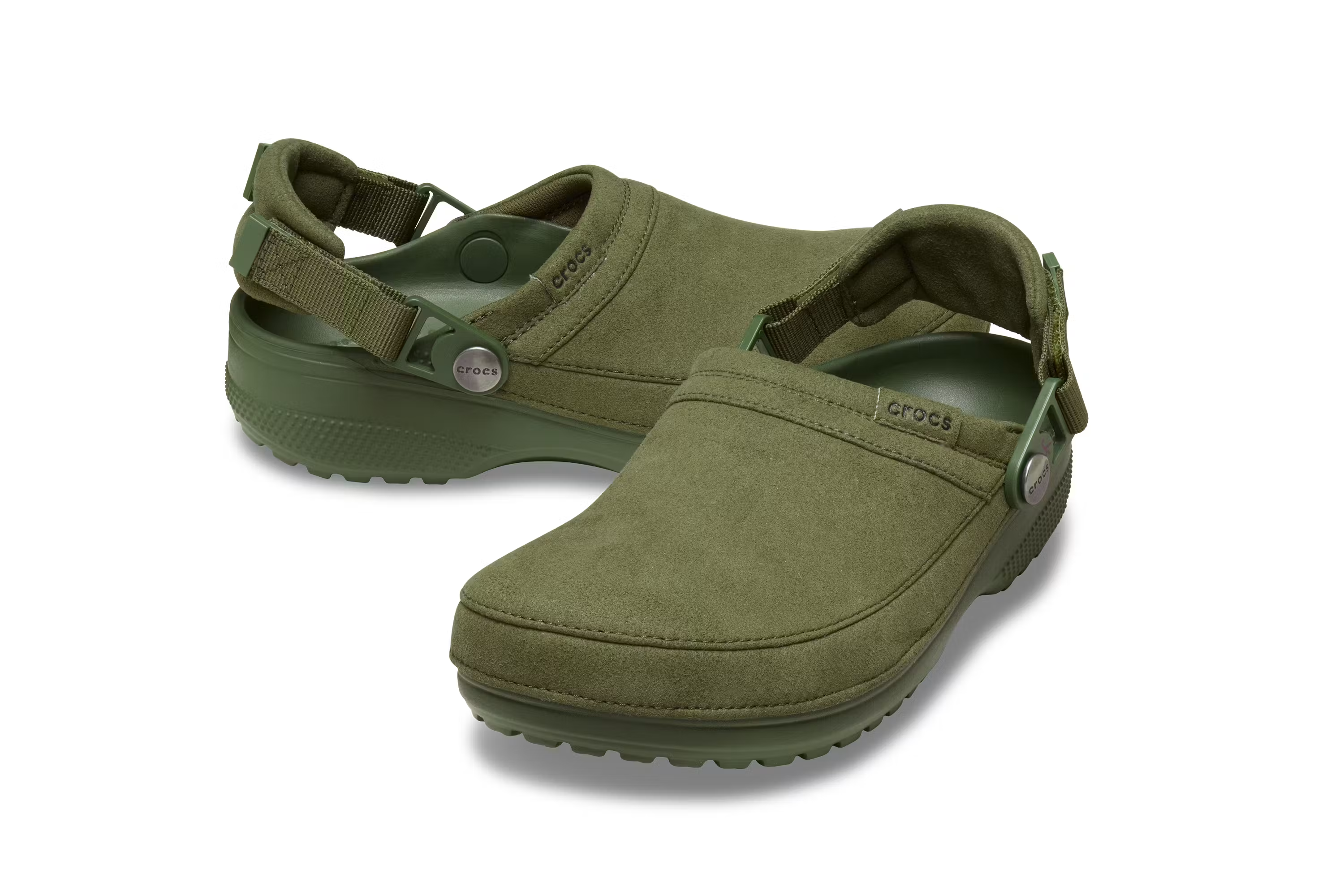
If Crocs only made its rubber clog, that would be enough. But the footwear maker has evolved from stigma to statement with its chunky sneakers, platform clogs, Balenciaga stilettos, and even some tasteful moc-toed lace-ups.
Dr. Martens
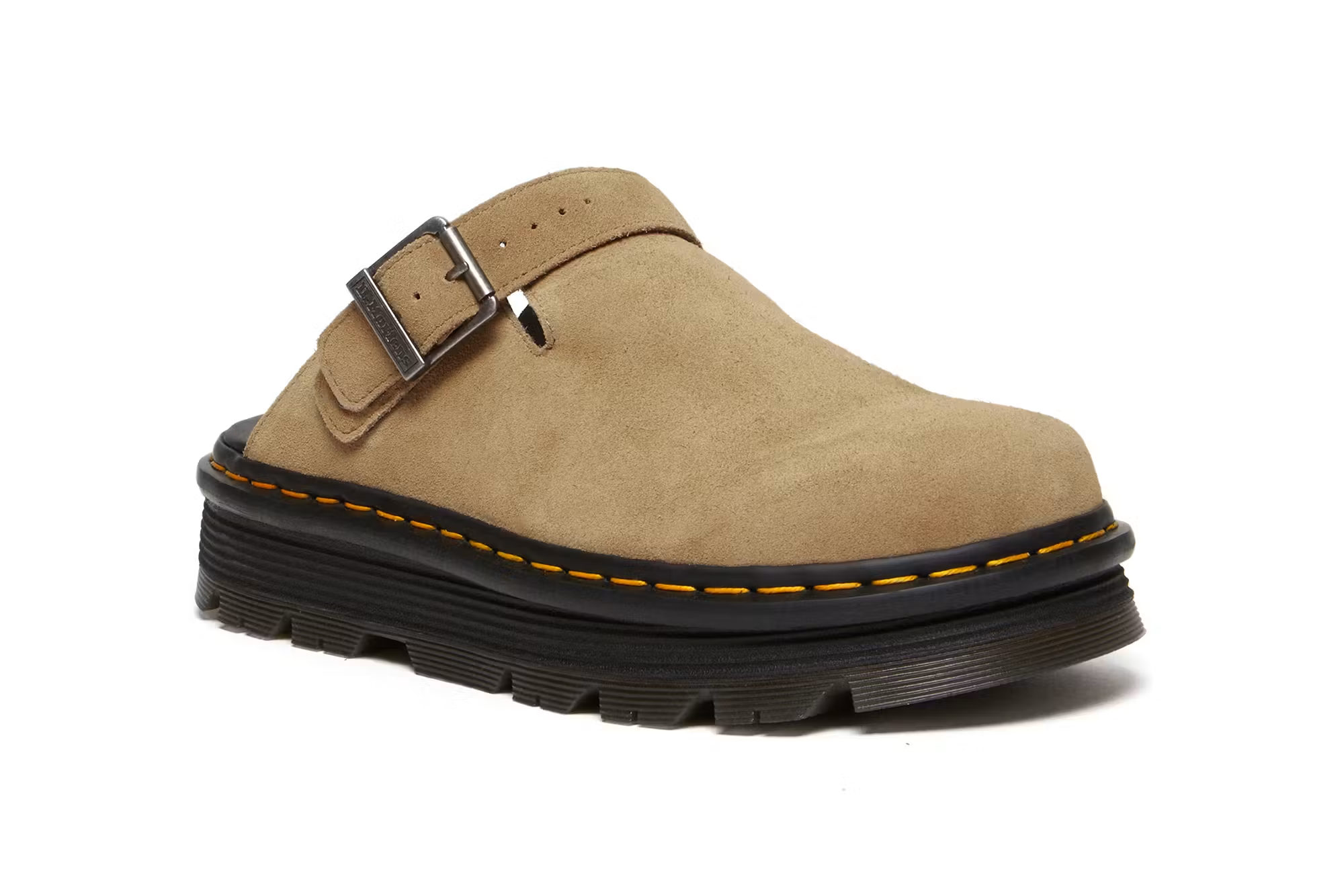
Somewhere within the shadow cast by Dr. Martens’ 1460 boot and 1461 derby lies an impressive slate of footwear ingenuity. Especially in recent years, Dr. Martens has tapped into Y2K weirdness with glorious results, including popular clogs, mules, Mary Janes, and the monkey boot-ish Buzz.
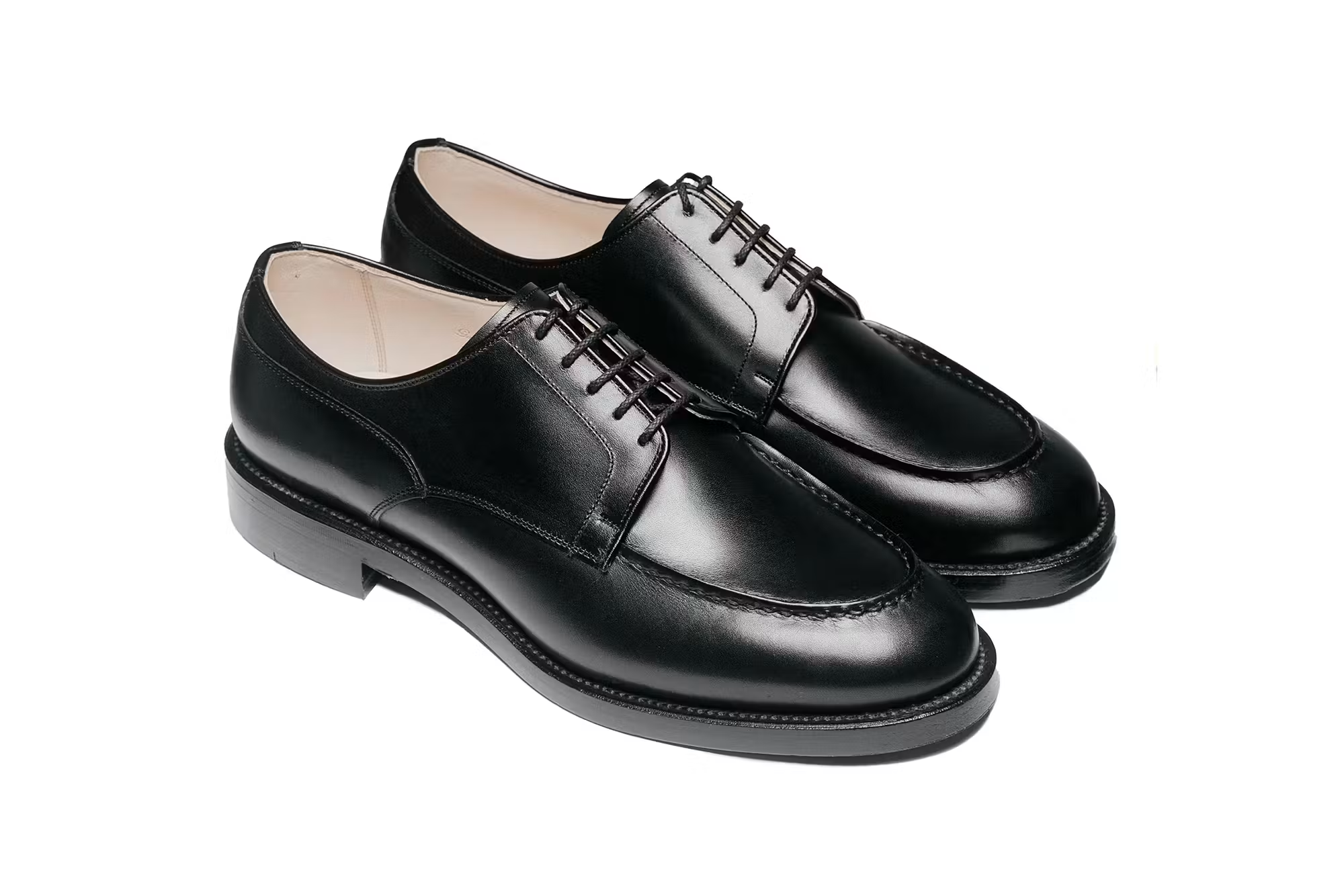
Foot the Coacher
Foot the Coacher’s founder, Toshinosuke Takegahara, cut his teeth working for Tricker’s. After being schooled in the art of handmade shoemaking, he went it alone in 2000, creating a line of understated shoes imbued with his expert workmanship.
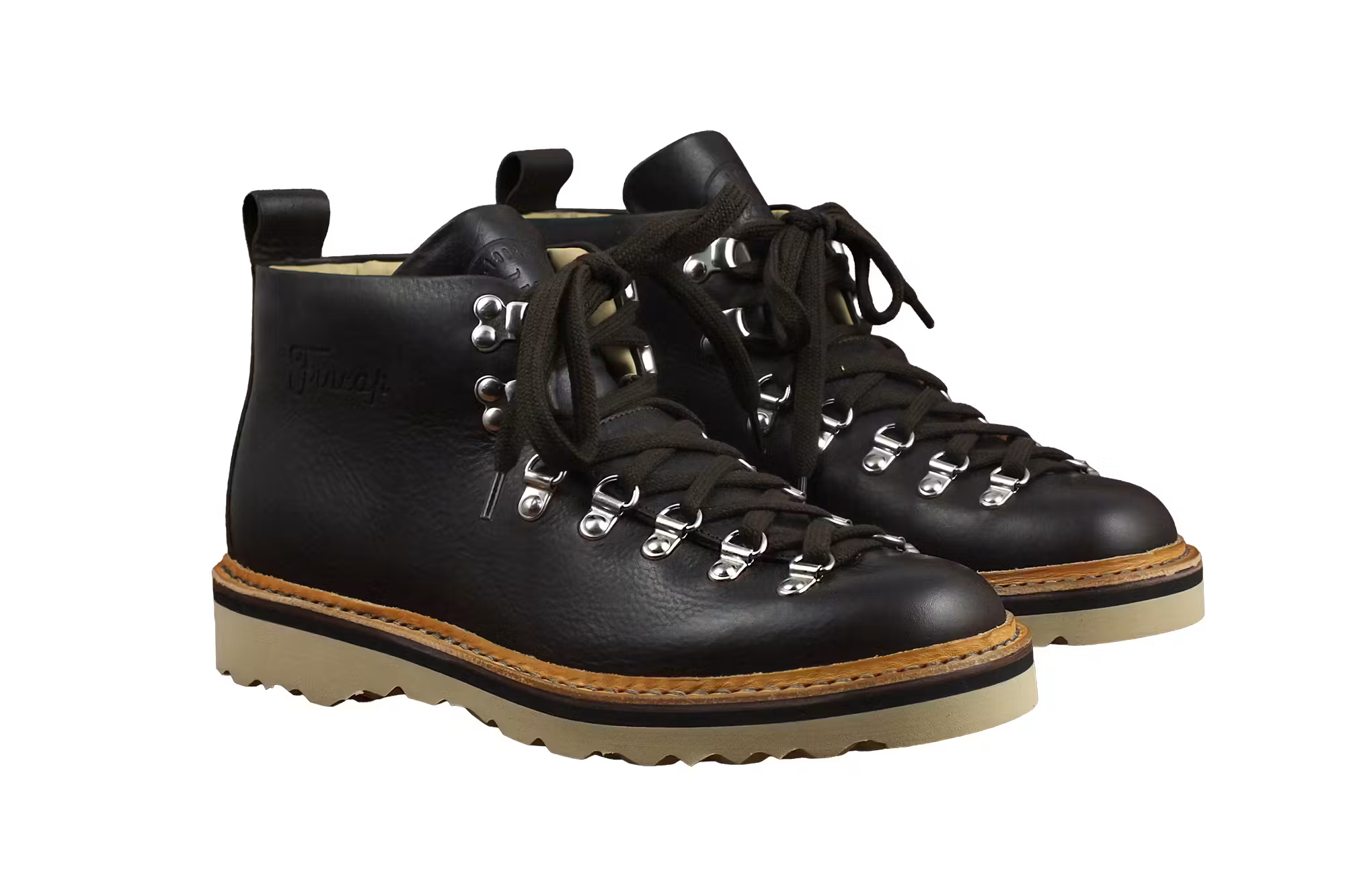
Fracap
This family company is based in Monteroni di Lecce, a small town in Puglia, Italy, where its vegetable-tanned leather is shaped on molds from bygone generations and its outsoles are shaped by eye. Each pair of old-school boots and casual leather shoes is made to order, and you can even send in your measurements for an accurate fit.
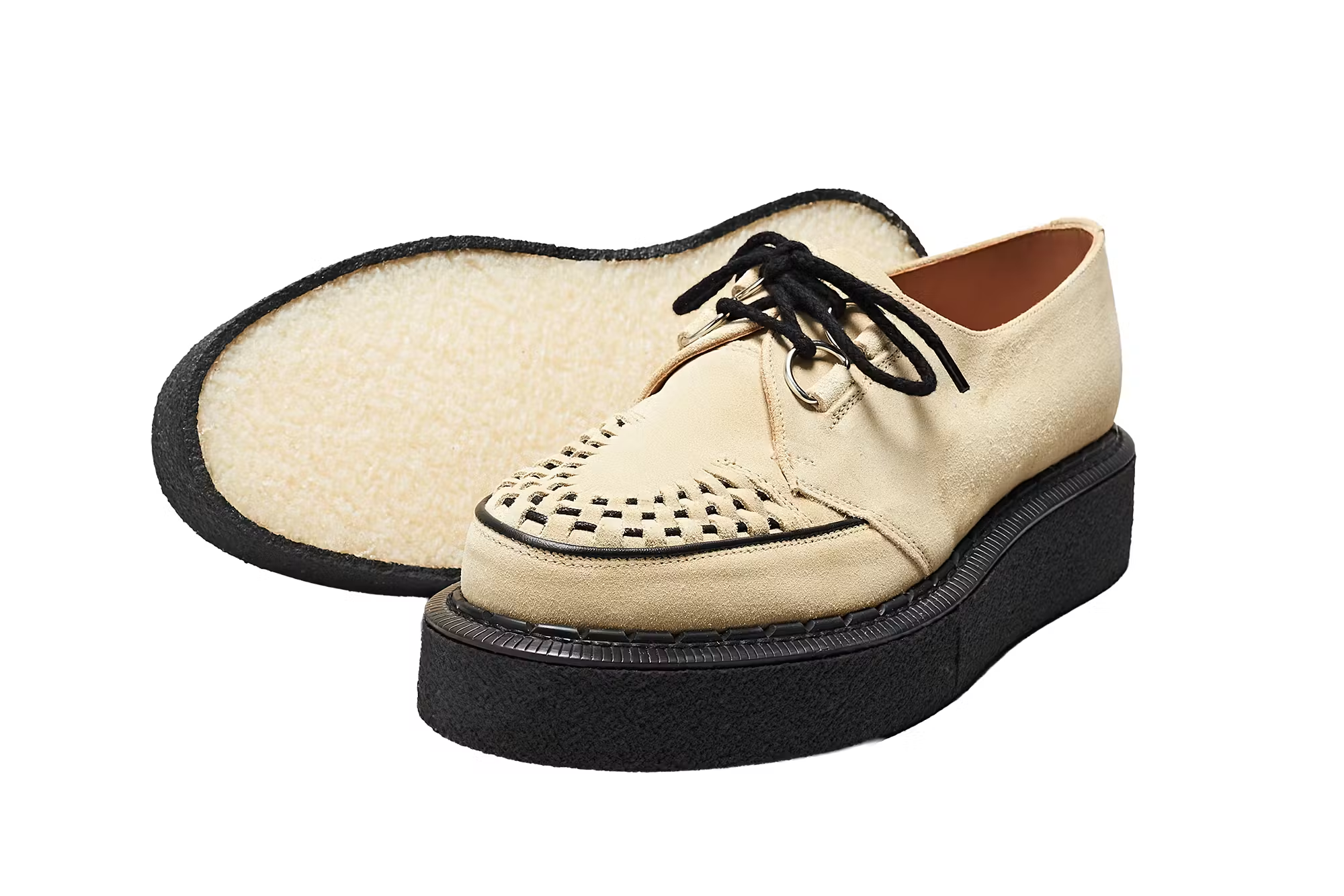
George Cox
Malcolm McLaren, the man who led the British punk scene alongside Vivienne Westwood, once said that a pair of George Cox creepers was “probably the most important thing I ever bought.” The brand has long been synonymous with 20th century British subculture, from the mods to the northern soul movement to the punks. Today its shoes remain much the same, from obscure-shaped derbies to monk-strap mules. These left-field designs have attracted such collaborators as Yohji Yamamoto, COMME des GARÇONS, and Fred Perry, which acquired George Cox in 2021.
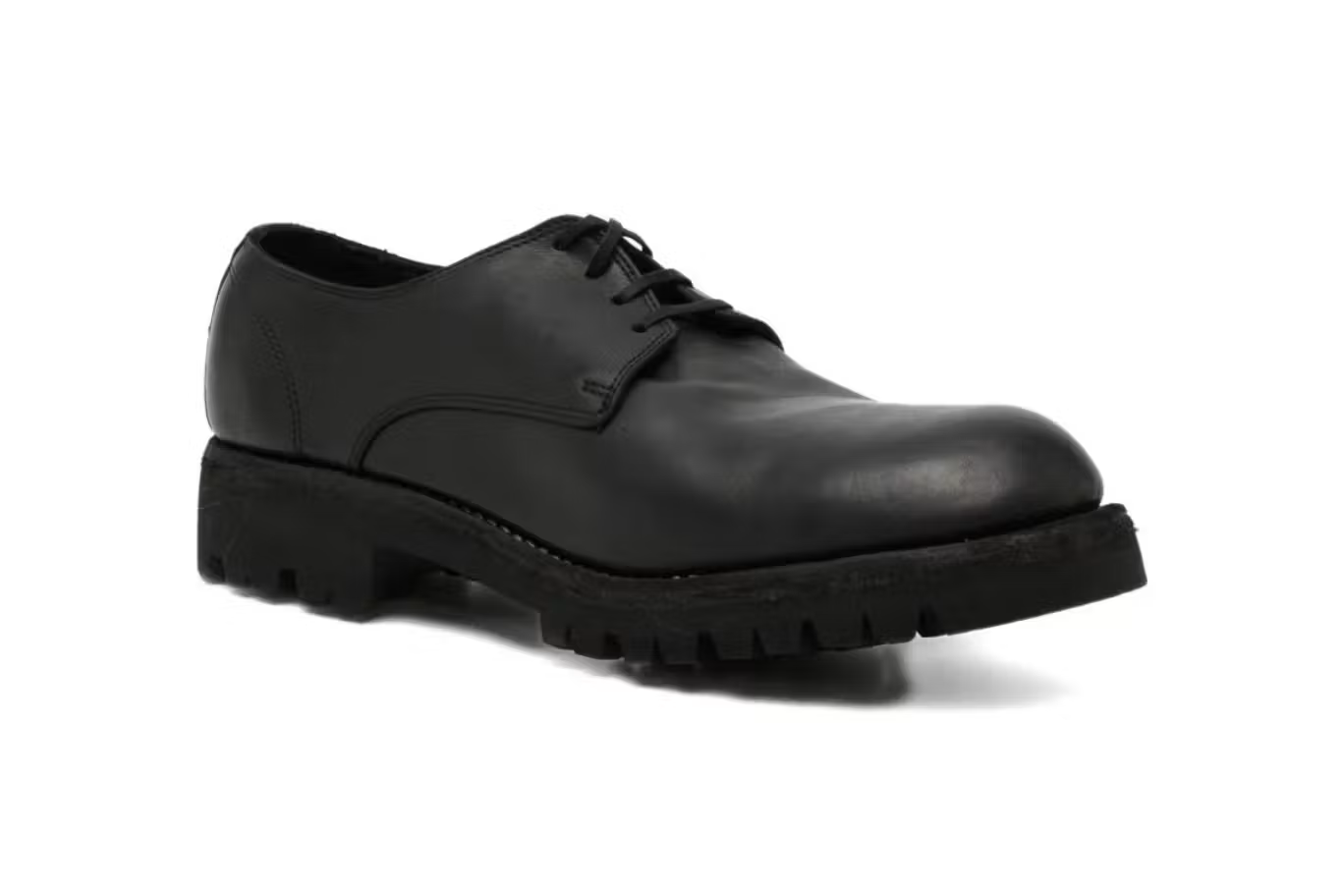
Guidi
As a tannery, Guidi has supplied leather to fashion labels such as Prada and Rick Owens. As a shoemaker, its boots, which are dyed whole to create a purposefully uneven patina, have made the brand revered within fashionable circles willing to drop four figures.
J.M. Weston
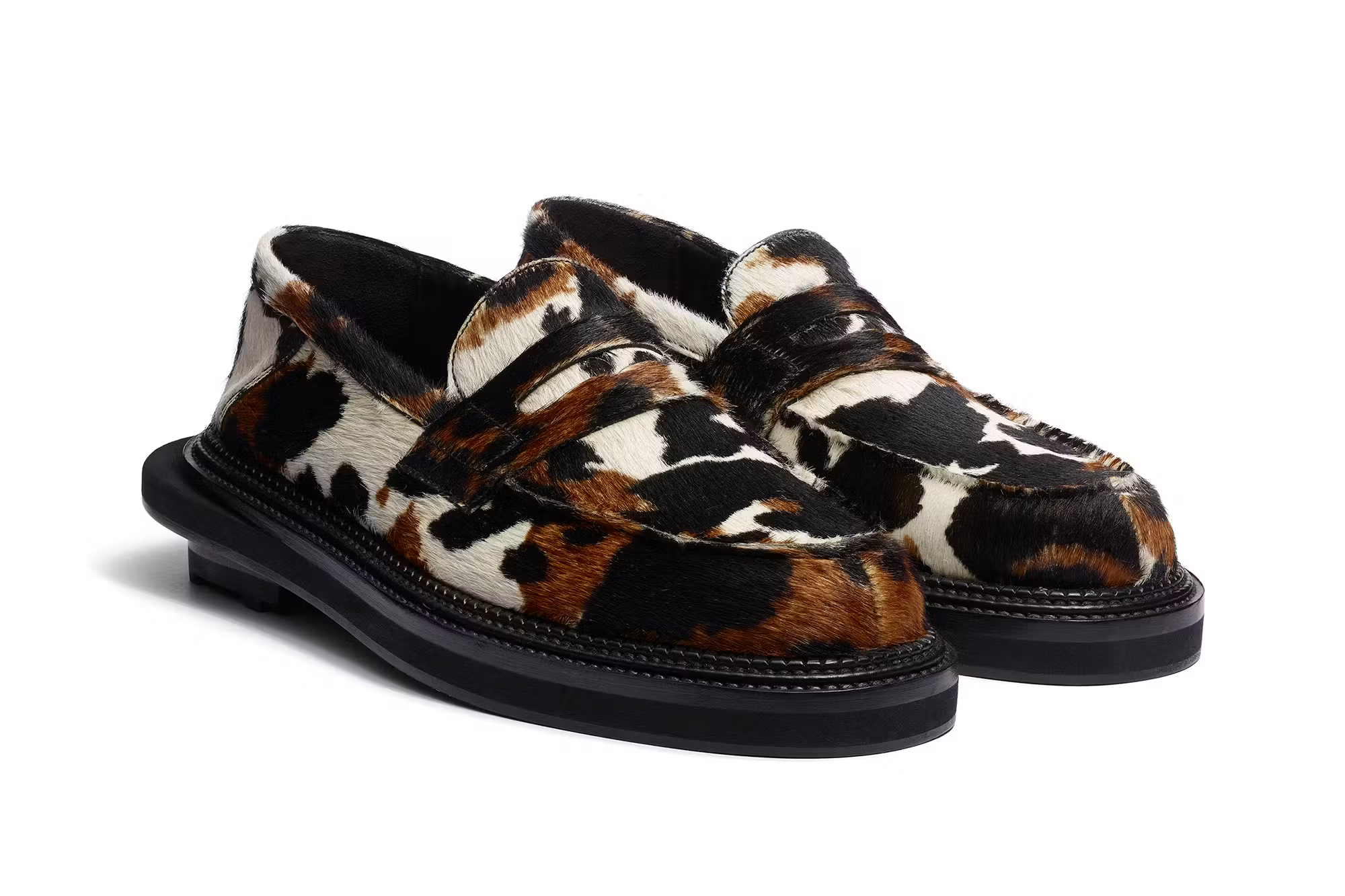
Other brands are preserving the craft of shoemaking. But only J.M. Weston goes as far as owning its own vegetable-tanned sole leather factory. And that’s just one part of the French label’s process, which involves 200 steps for a single boot. Most of its shoes are classics, such as shiny Oxfords or Chelsea boots. On the other end of the spectrum, its longstanding collaboration with Japanese label sacai has delivered wild furry fabrics and exaggerated soles.
KIDS LOVE GAITE
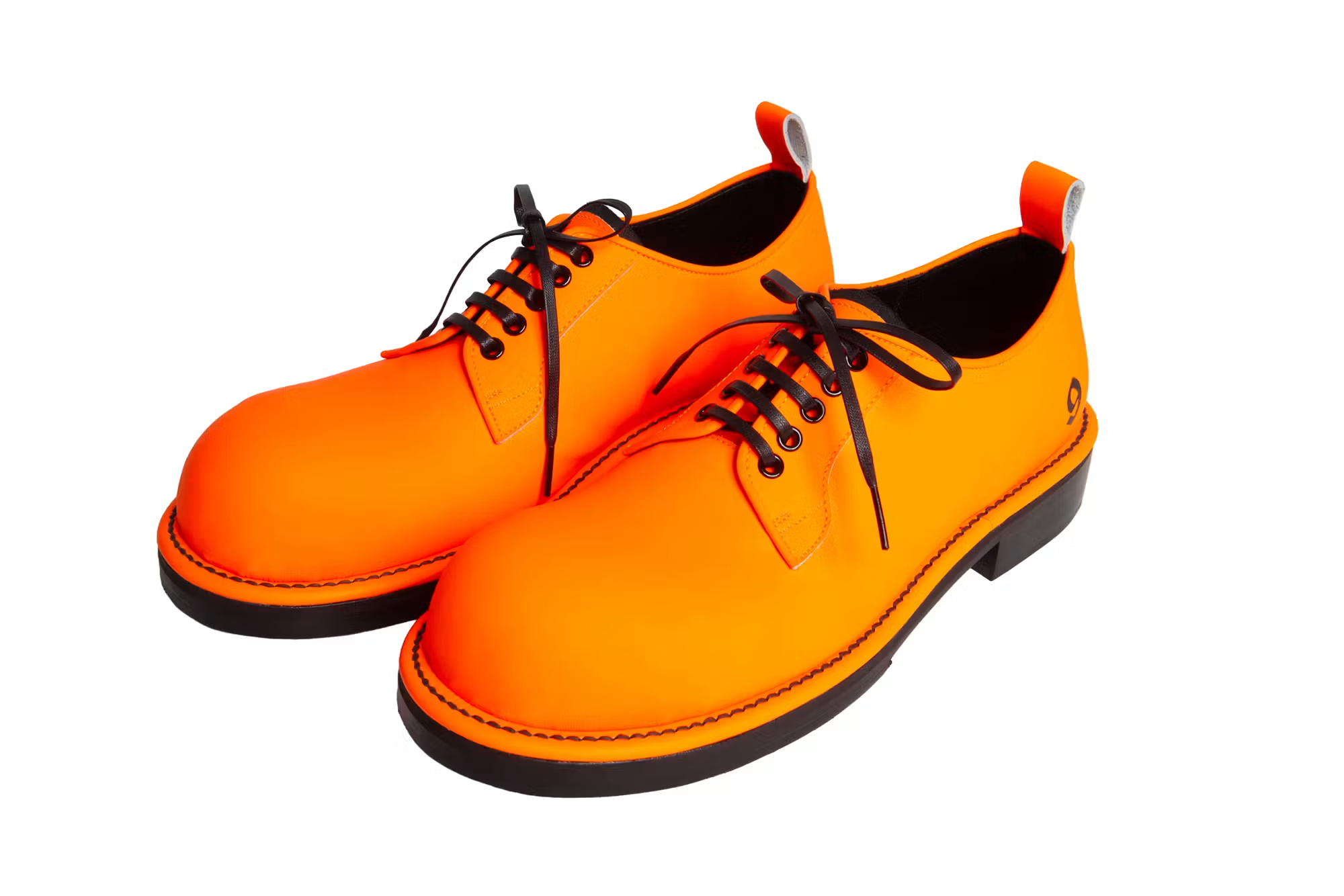
“I like making ordinary shoes, but I like making outstanding shoes, too,” KIDS LOVE GAITE founder Shintaro Yamamoto once told Highsnobiety. By “outstanding,” he meant chunky boots with hacked-up leather outers and bulbous-toe derbies modeled after Mickey Mouse’s footwear. His many collaborations include a longstanding COMME des GARÇONS partnership producing boots with a right-angled toe box and doublet shoes hiding a red cartoonish “mouth” behind a zippered front panel. These shoes are playful and then some.
LEMAIRE
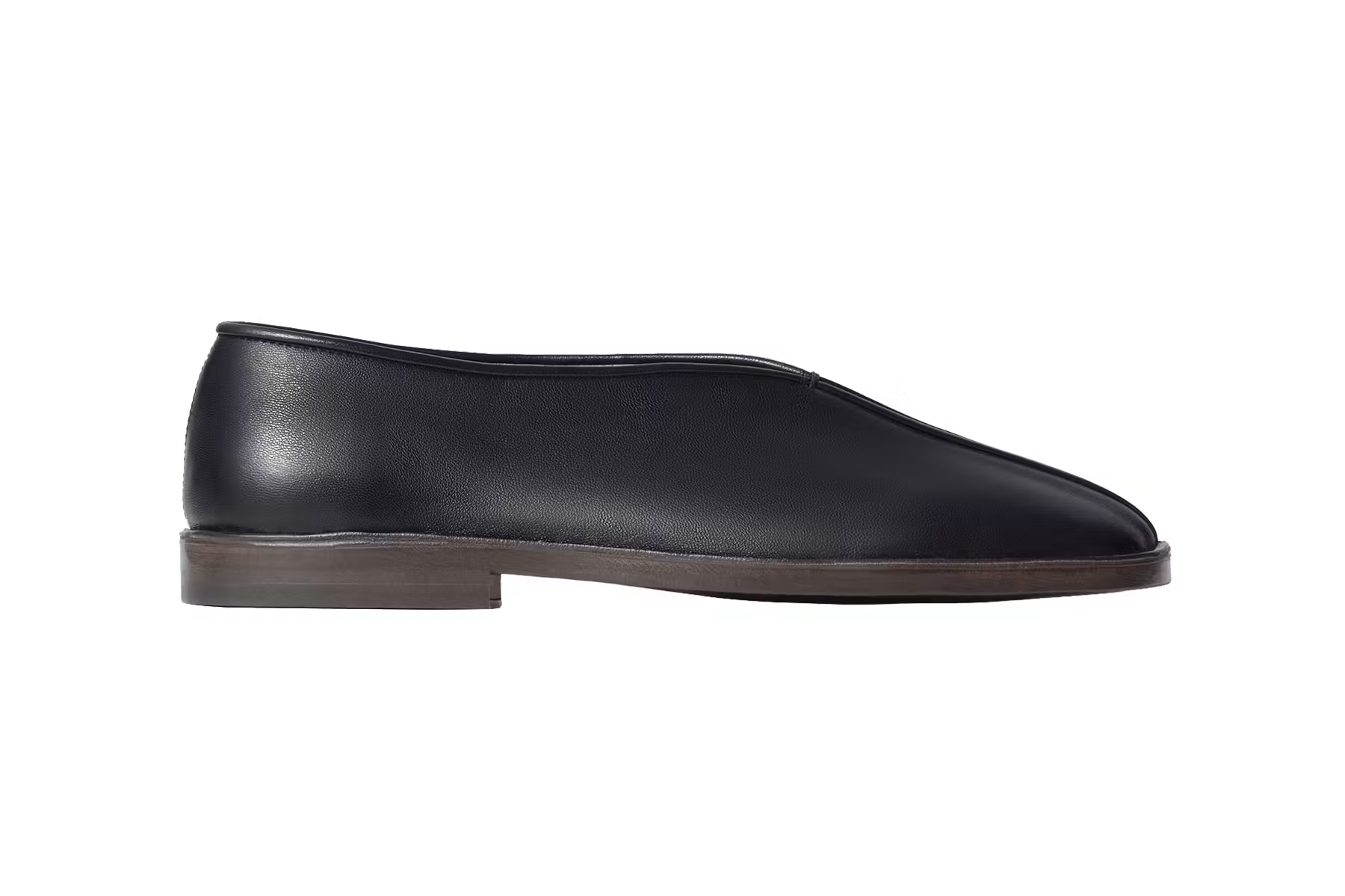
Killer footwear isn’t necessarily the first thing you think of when you think of Christophe Lemaire. But the French designer perfected the barely-there slipper, the square-toed sneaker, the zippered boot, and the gurkha sandal long before any were en vogue.
Ludwig Reiter
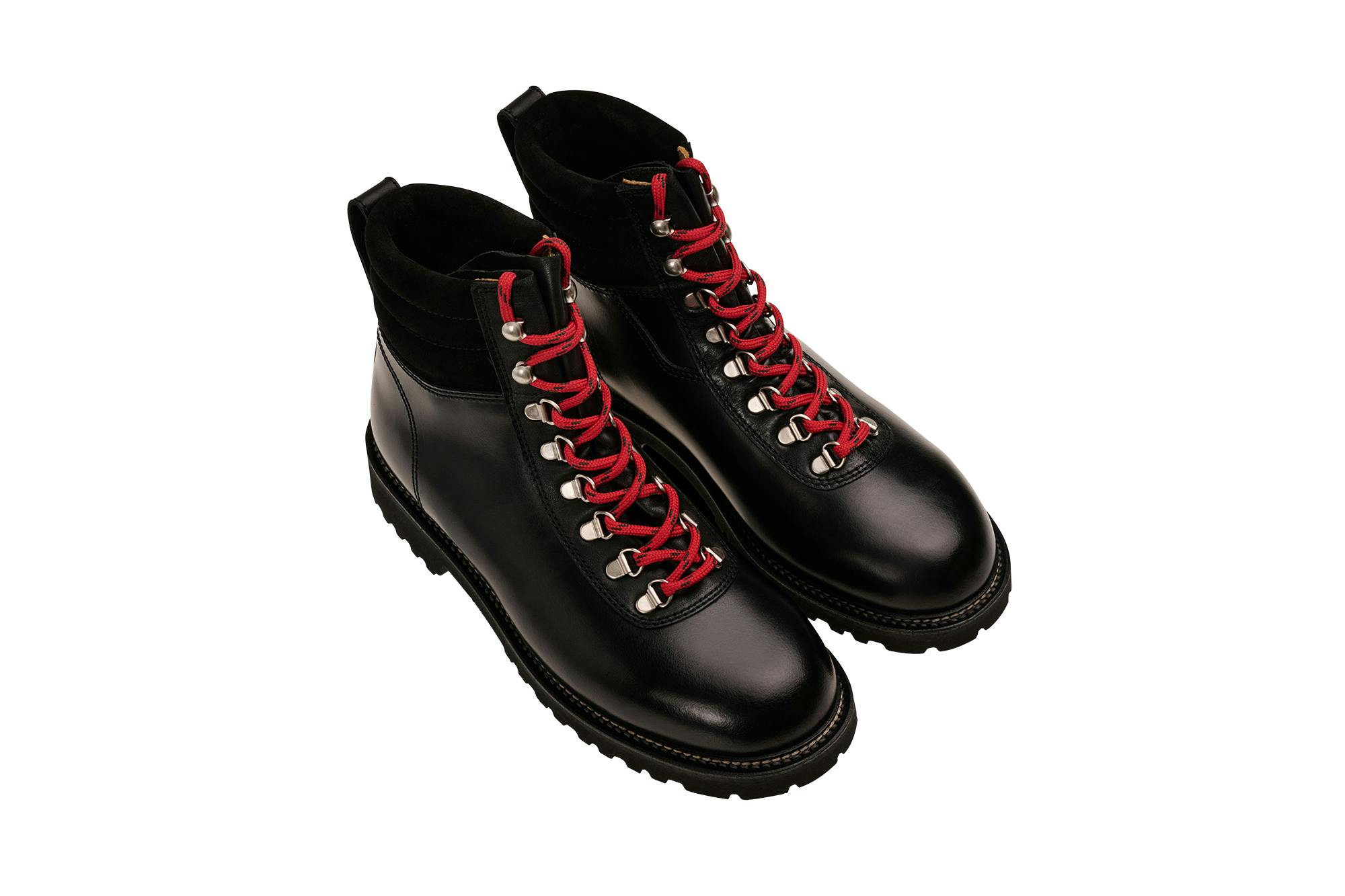
You probably haven’t heard of Ludwig Reiter, even though the family-owned shoemaker has been operating out of Vienna since 1885. That’s not your fault; the company mostly serves Austrian and German clientele. But as Tyrolean luxury label Rier has gained international acclaim, it’s brought Ludwig Reiter along for the ride, collaborating on beautiful leather hiking shoes and boots.
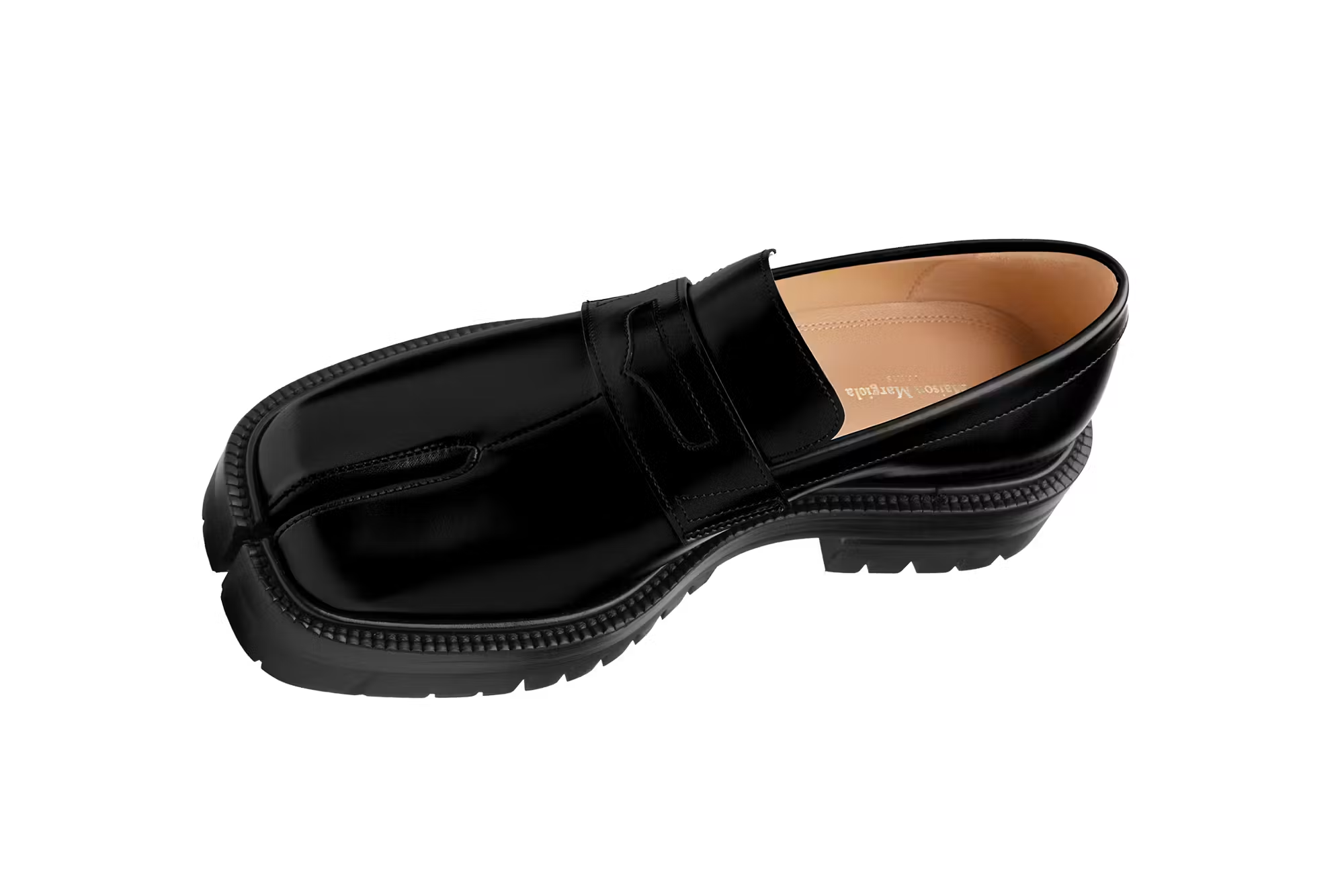
Maison Margiela
Margiela’s Tabi and GAT were both born of Martin Margiela’s fascination with unconventionally stylish objects: He observed the Tabi shape while visiting Japan, possibly the jika-tabi worn by construction workers, and he likely recalled his Belgian schoolmates wearing actual German Army Trainers, which were (and still are) cheap sneakers. His house repositioned these utilitarian shapes as fashion objects — to wild success.
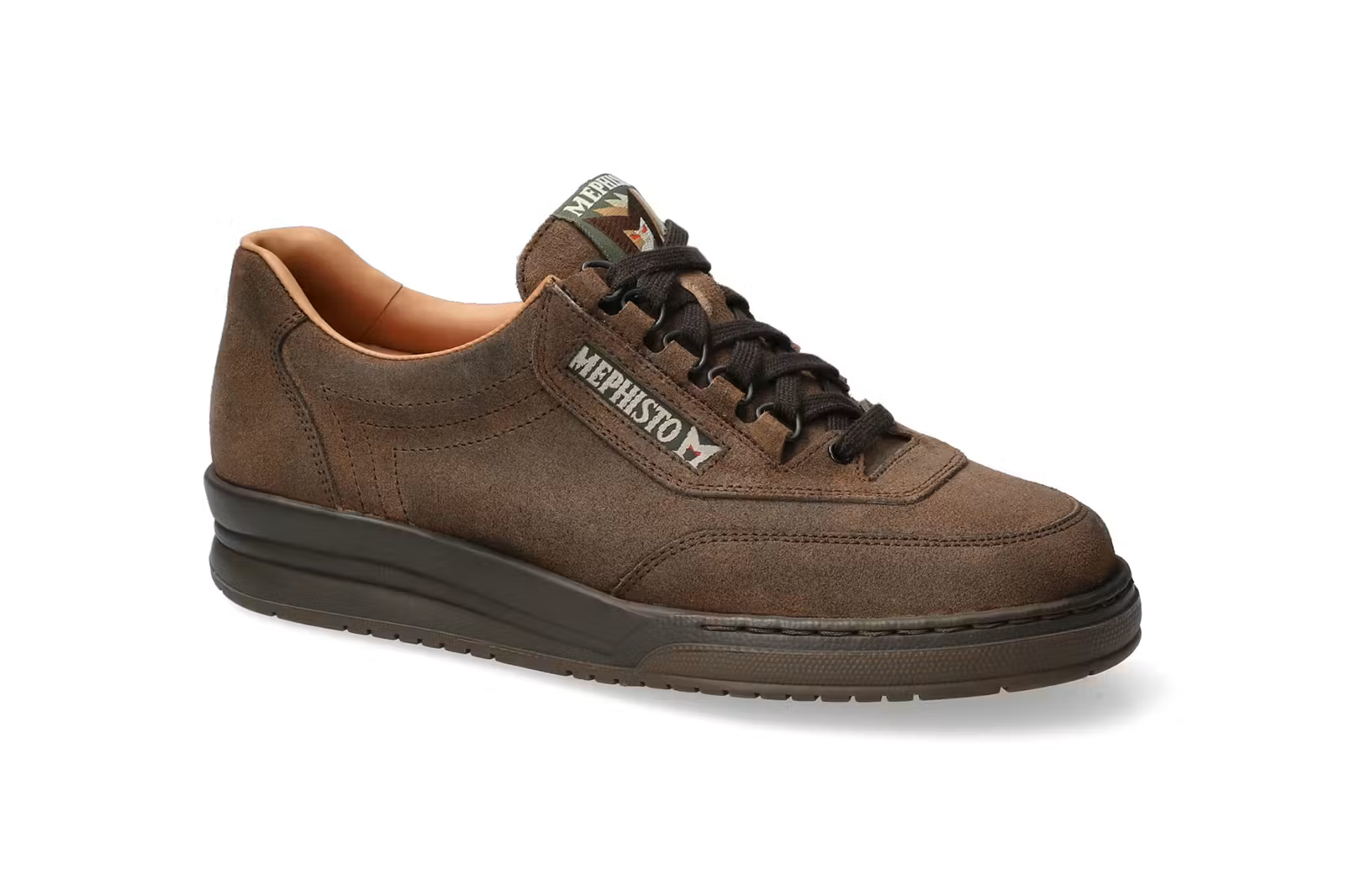
Mephisto
Mephisto was founded for one reason: to churn out sturdy, French-made walking shoes. But as menswear grew restless in the face of so many soulless soles, Mephisto’s lace-ups have taken on fresh vitality.
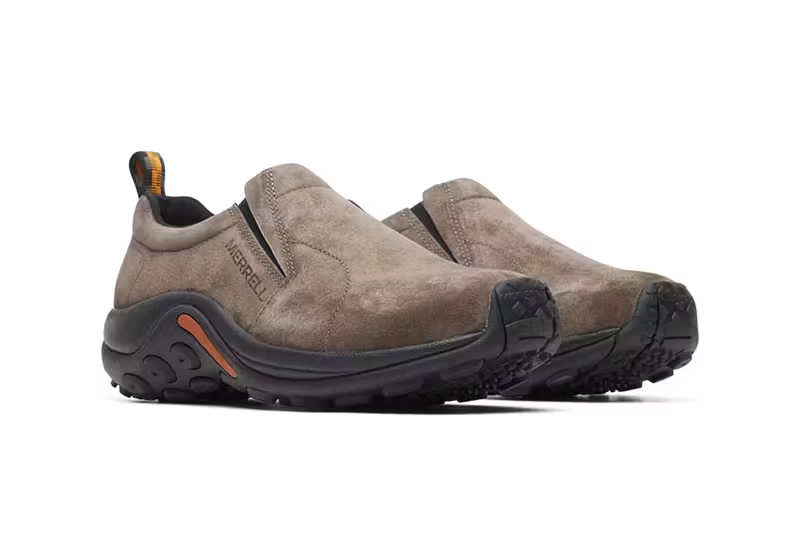
Merrell
Everyone makes hiking shoes, but only Merrell makes a hiking clog. The Jungle Moc might be the single greatest slip-on in the pantheon of old-person favorites. It’s potato-y, chunky, and perfect, easily the best design in Merrell’s arsenal — although its Moab hiking shoe gets close.
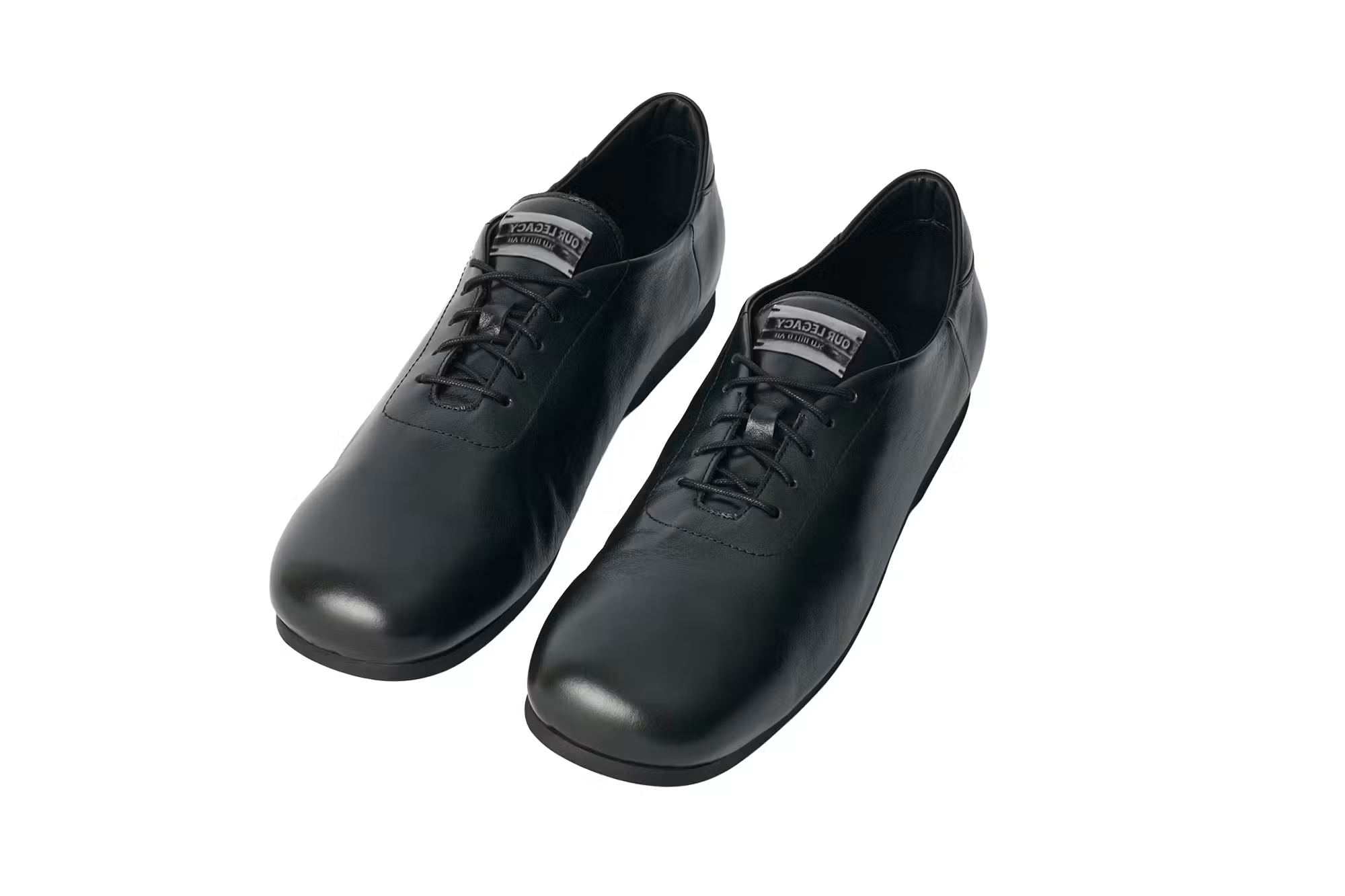
Our Legacy
Like its apparel, the Swedish label’s footwear is familiar but better. Our Legacy’s selection is exemplified by the square-toed Camion mule and Vibram-soled trek sneakers, but there’s always room for experimentation. Take the best-selling Sneak In, a leather sneaker-slash-dress-shoe that’s all stunner.
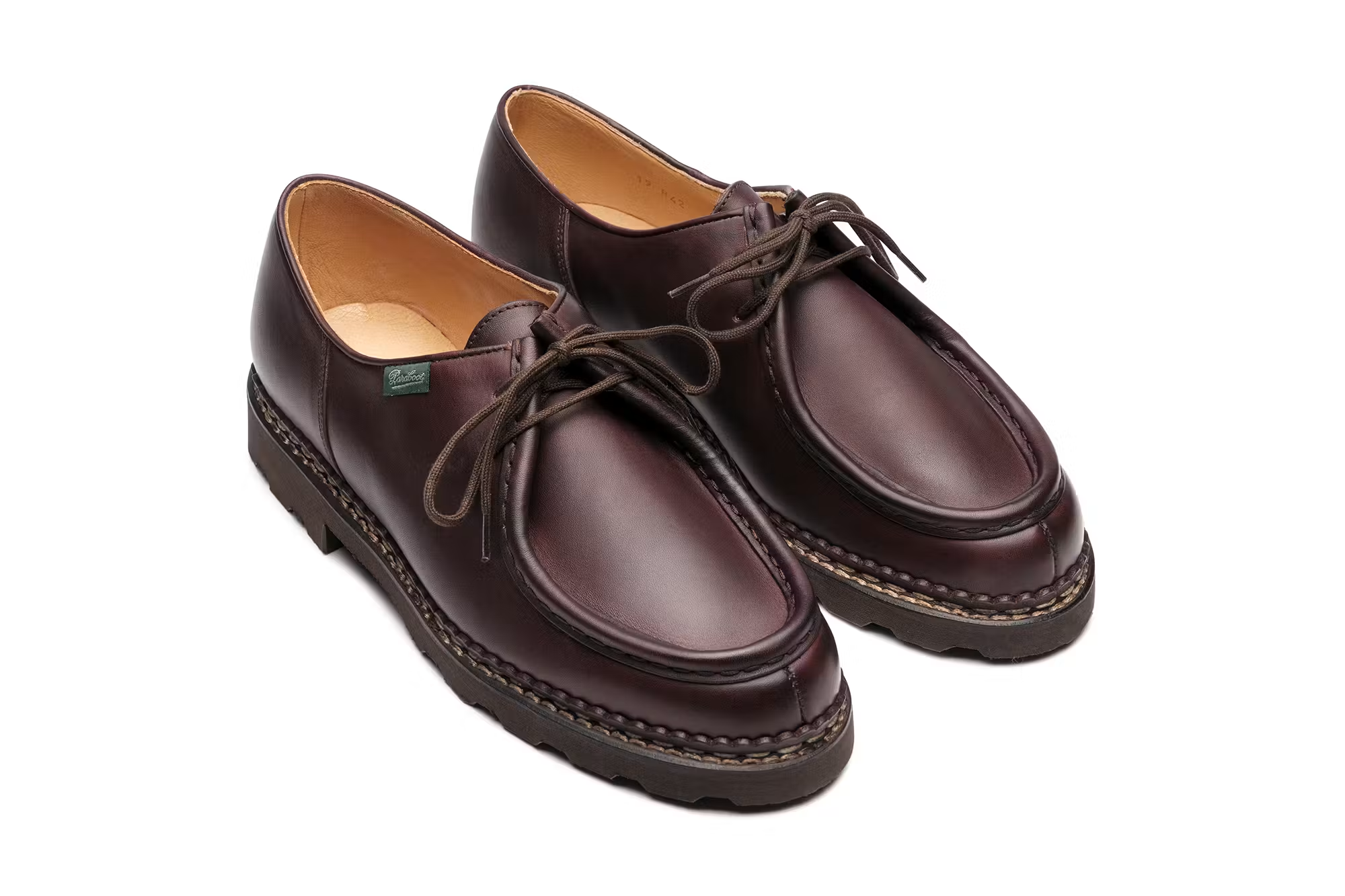
Paraboot
Paraboot is nearly 120 years old, but most of its modern peers are just catching up. The French footwear company was perhaps the first to create a widely available iteration of the Tyrolean-style lace-up with the Paraboot Michael, one of the most singular leather shoes on the market.
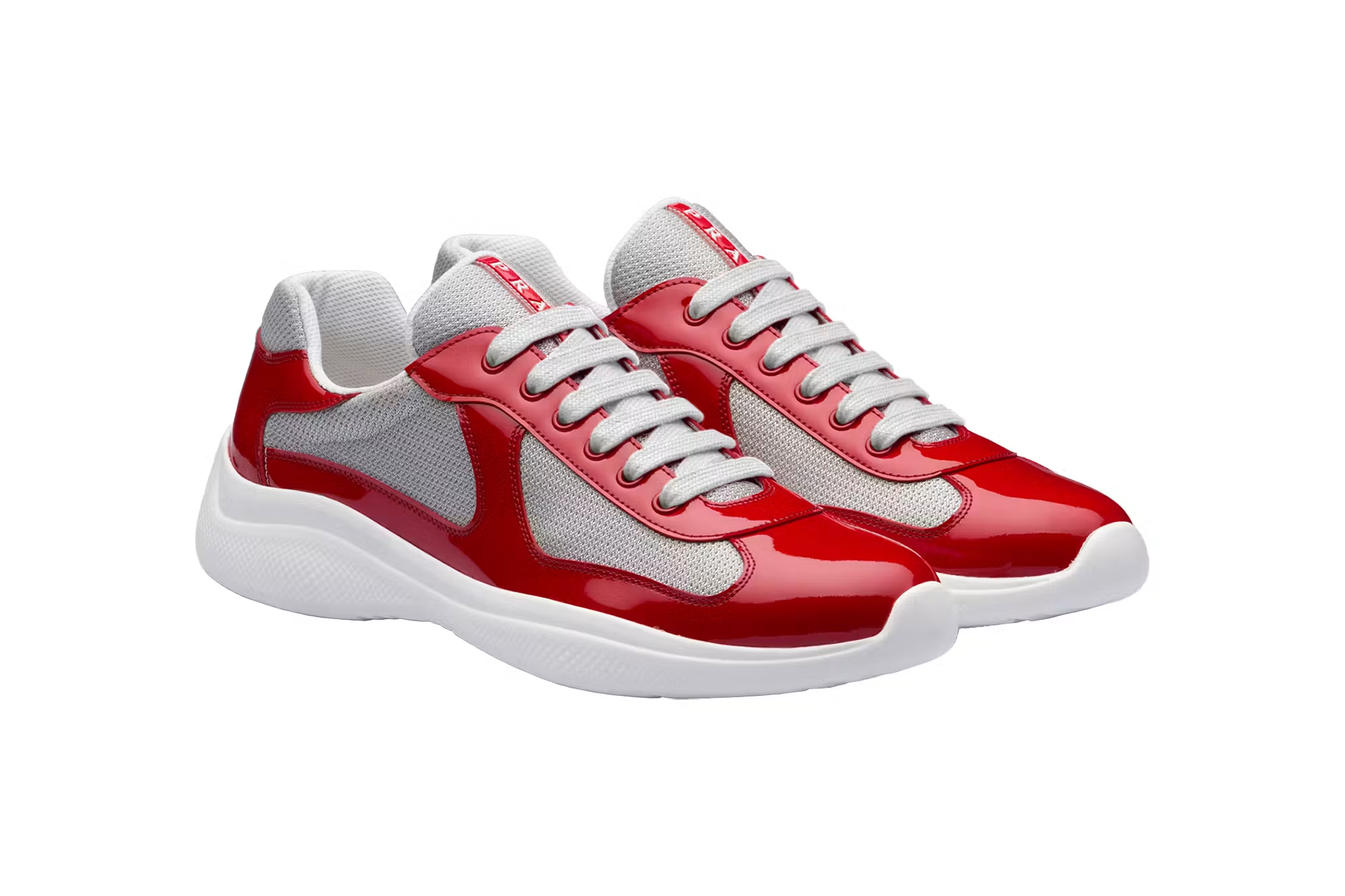
Prada
Prada applies the same rigor to its clothing as it does to its shoes. Alongside sublime versions of conventional leather shoes and boots, the Milanese house also produces brilliant oddities such as loafers with the toe snipped off, collapsing sneakers, and, of course, the America’s Cup, perhaps luxury’s greatest contribution to sneaker-dom.
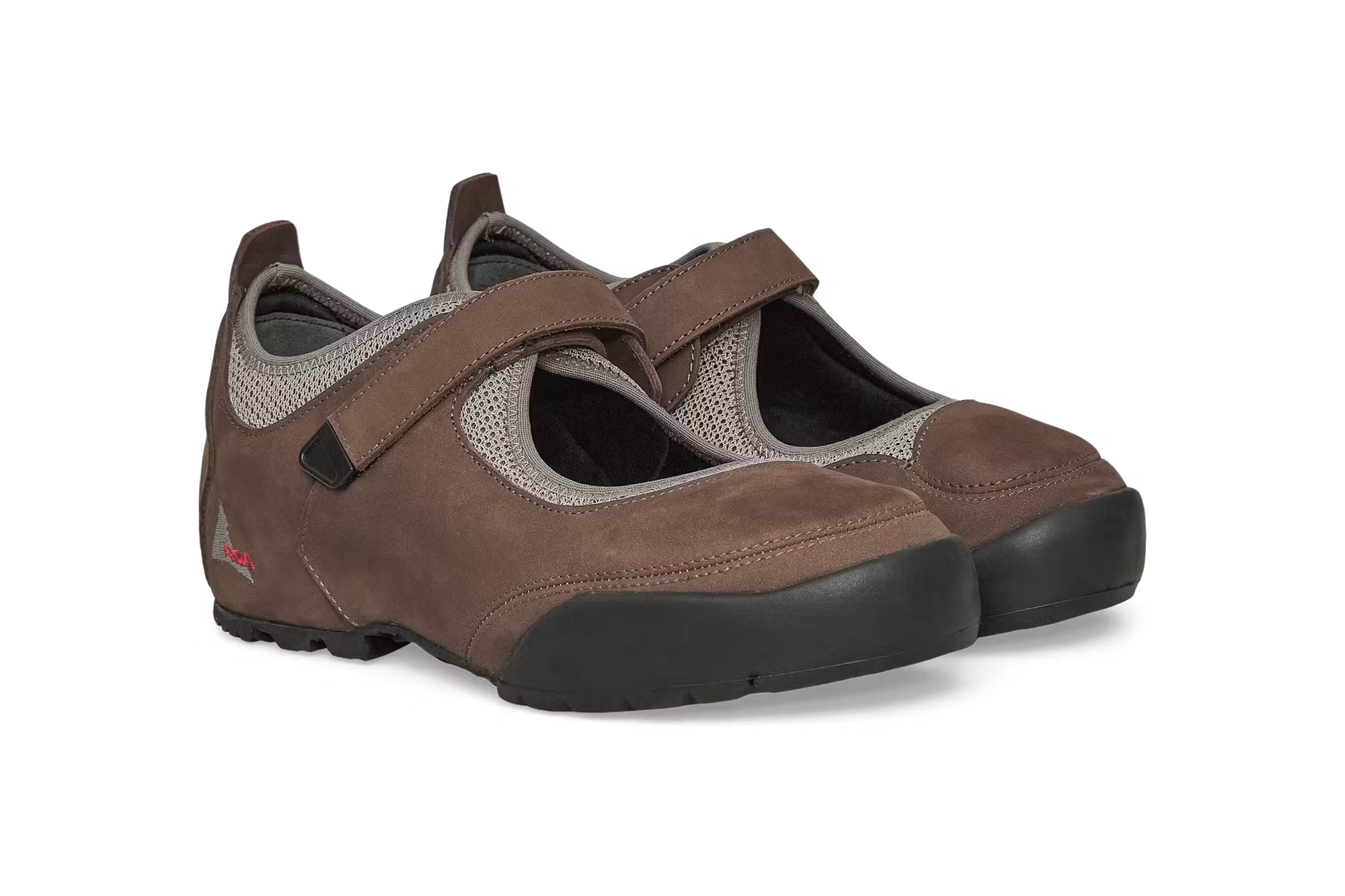
ROA
To call ROA a mere maker of hiking shoes would be doing it a disservice. Yes, the Italian label specializes in rugged Vibram-soled hikers and uses fabrics like “anti-abrasion technical nylon.” But it’s also the type to set up a showroom at Paris Fashion Week — a rare outdoorsy label with a genuine eye for refinement.
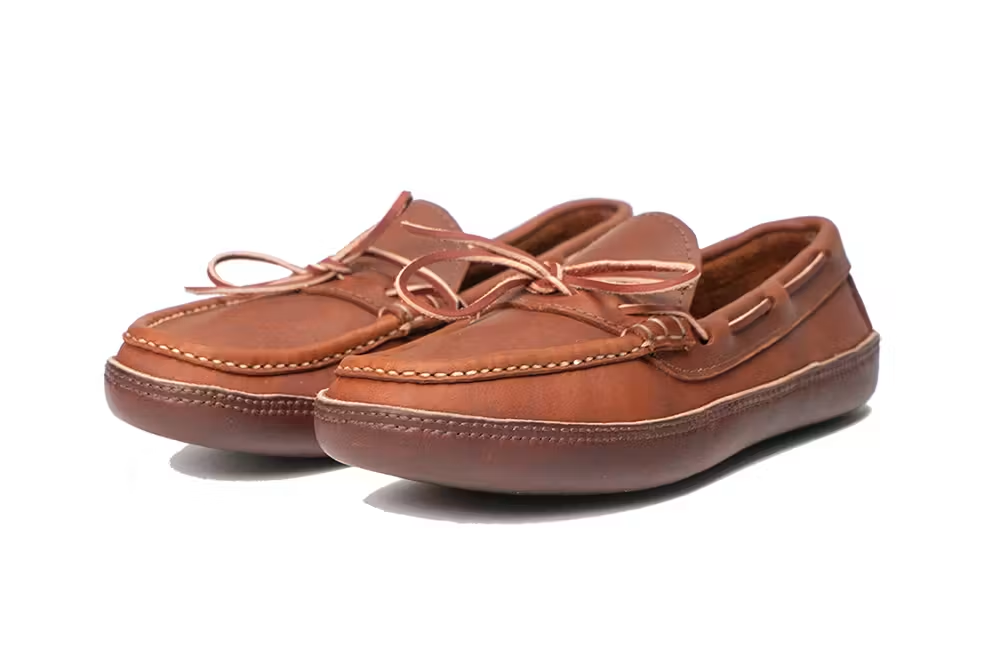
Russell Moccasin
While Russell Moccasin offers a select number of ready-to-wear shoes, the best way to buy a pair of Russell Moccasins is through its “Premier Build” system. There, you can choose between various Vibram outsoles combined with a selection of leathers, from cognac-colored bison to waterproof walnut “timberjack.” Then, you wait. They can take up to four months to make, a process that involves century-old Puritan machines and a signature “overlap” stitch that the brand invented in 1941.
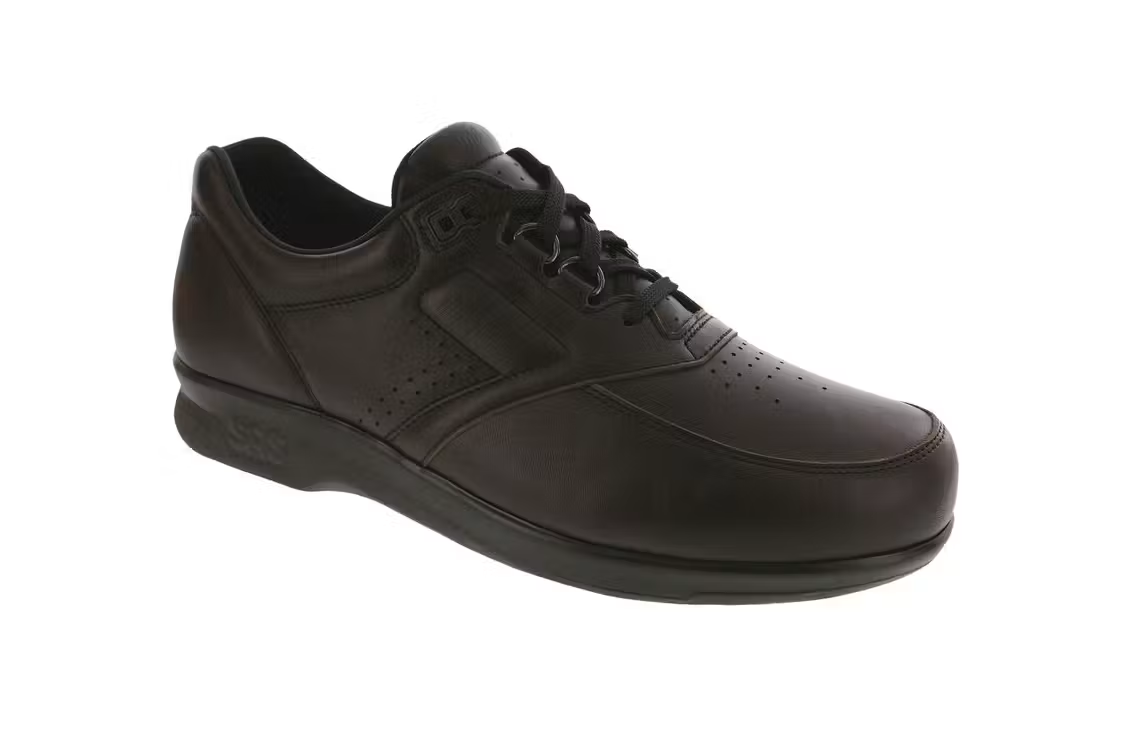
San Antonio Shoemakers
In sunny southern Texas, a family-owned firm has been turning out handmade shoes for 50 years. San Antonio Shoemakers specializes in untrendy orthopedic shoes, which is exactly what makes the brand so good. As menswear acclimates to styles previously considered stodgy, SAS is poised to ride an overdue wave.
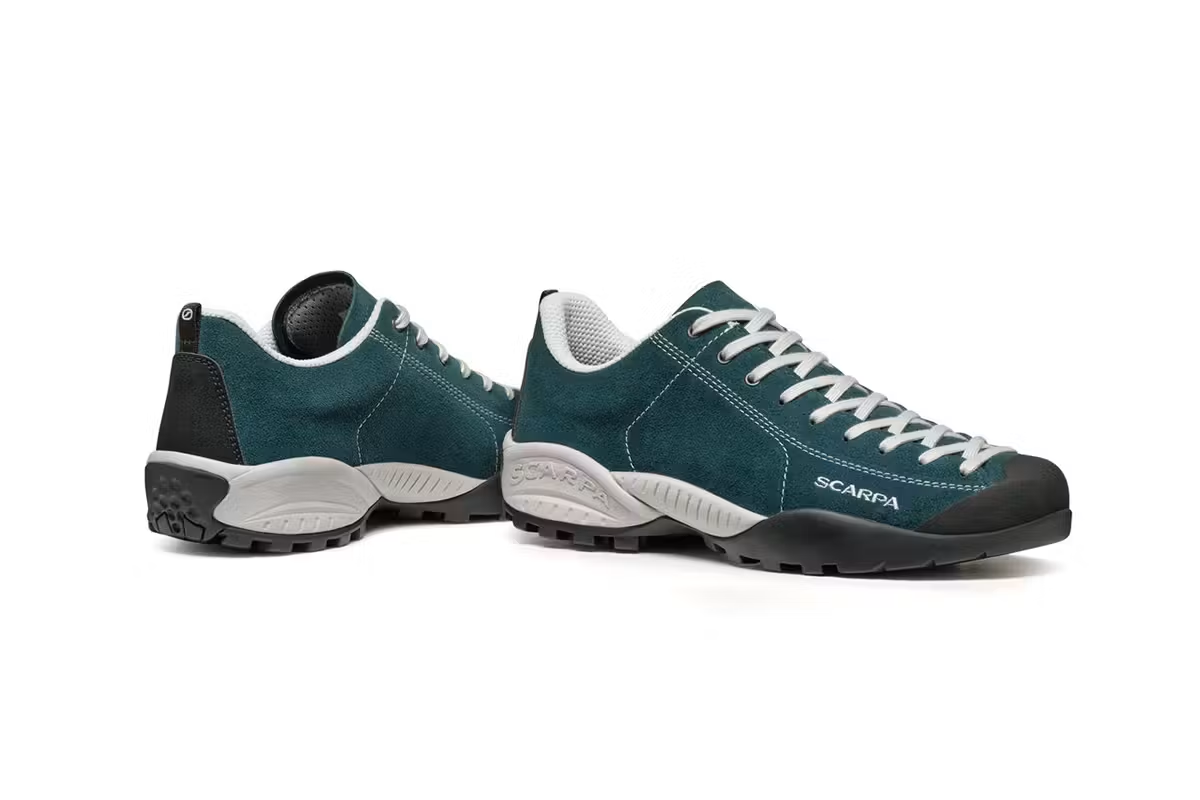
SCARPA
SCARPA is one of the few makers of proper outdoor shoes — the type that’ll help you climb an icy cliff or traipse through knee-deep snow. But among all the thermal boots are classic styles of leather hiking boots and suede trekking sneakers that are expertly made and inadvertently stylish.
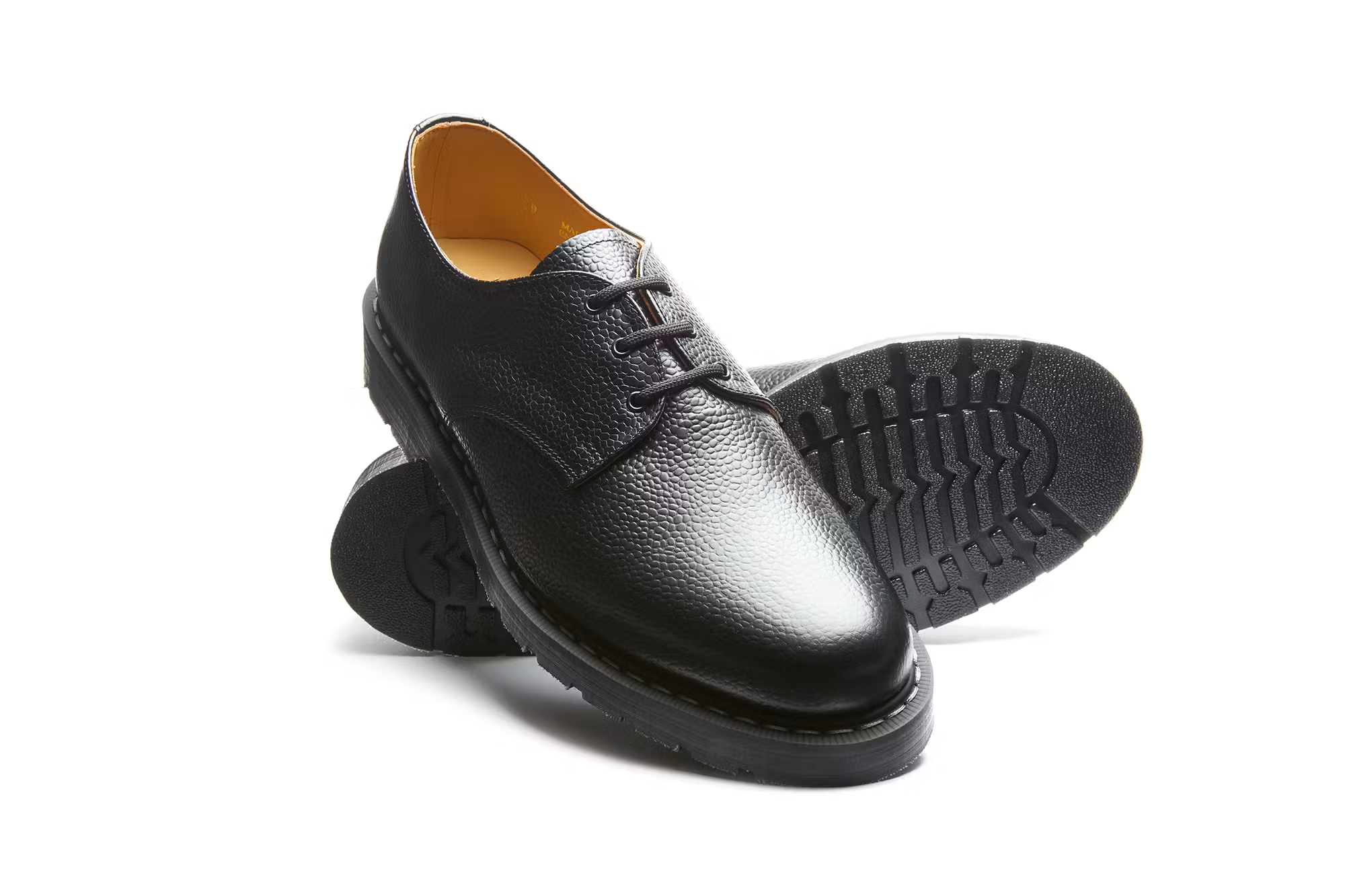
Solovair
Until the early ’90s, every pair of Docs was labeled “Dr. Martens by Solovair” — a nod to the maker of those famous air-cushioned soles. But that’s only part of Solovair’s story. The company dates back to 1881, when five shoemakers from Wollaston, England, formed a cooperative to attract steady work. They never moved, and every pair of shoes is still handmade in the village, from monk-strap leather derbies to those familiar 8 Eye boots.
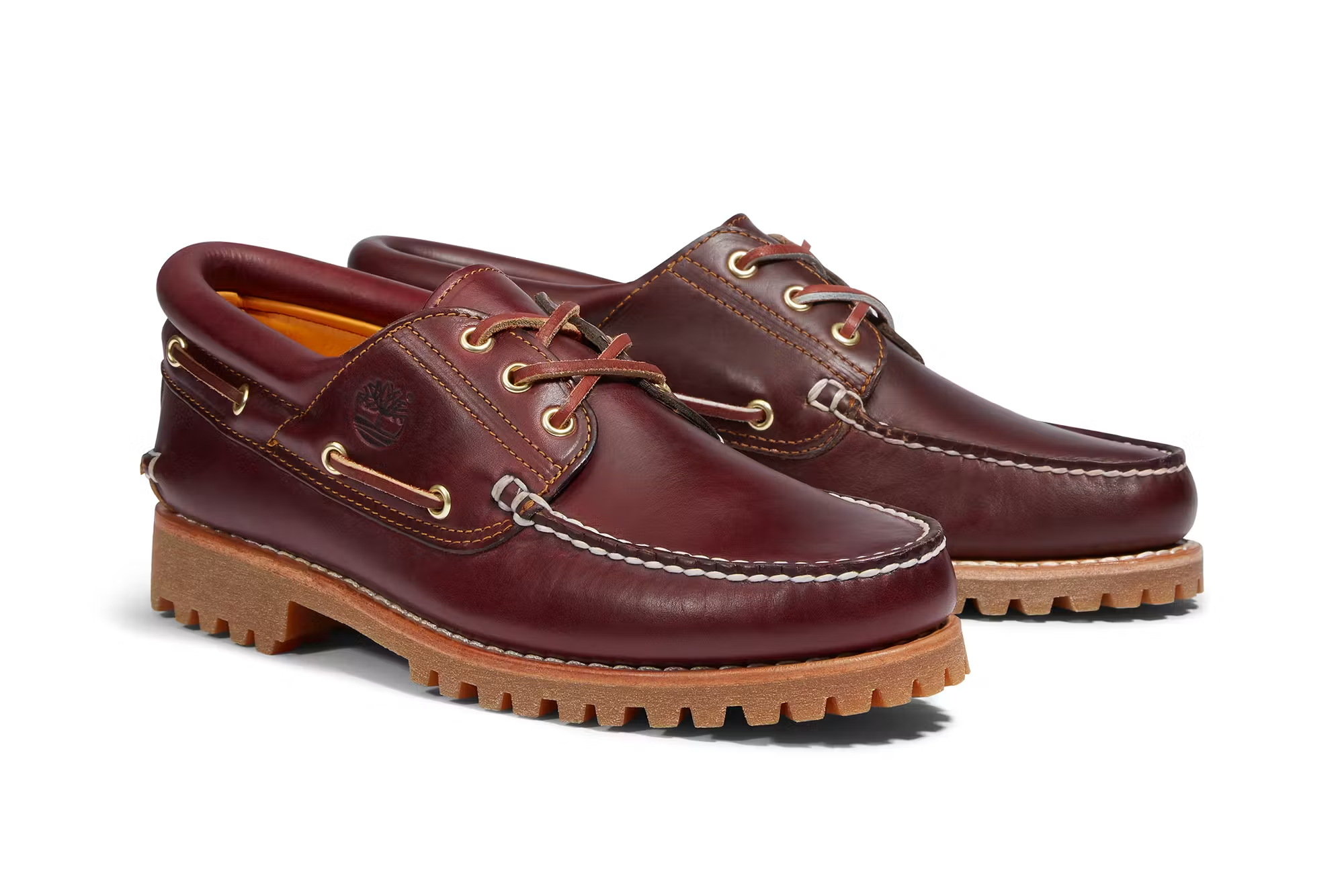
Timberland
Timberland’s most famous shoe is its 6-Inch Boot, but several of its shapes are arguably cooler. Take the Field Boot, a snub mid-top as tough as the 6-Inch with a much-imitated Beef ’n’ Broc colorway. And Timberland’s 3-Eye Lug was the original Good Boat Shoe, with a sole thick enough to quash any WASPiness.
Tod's
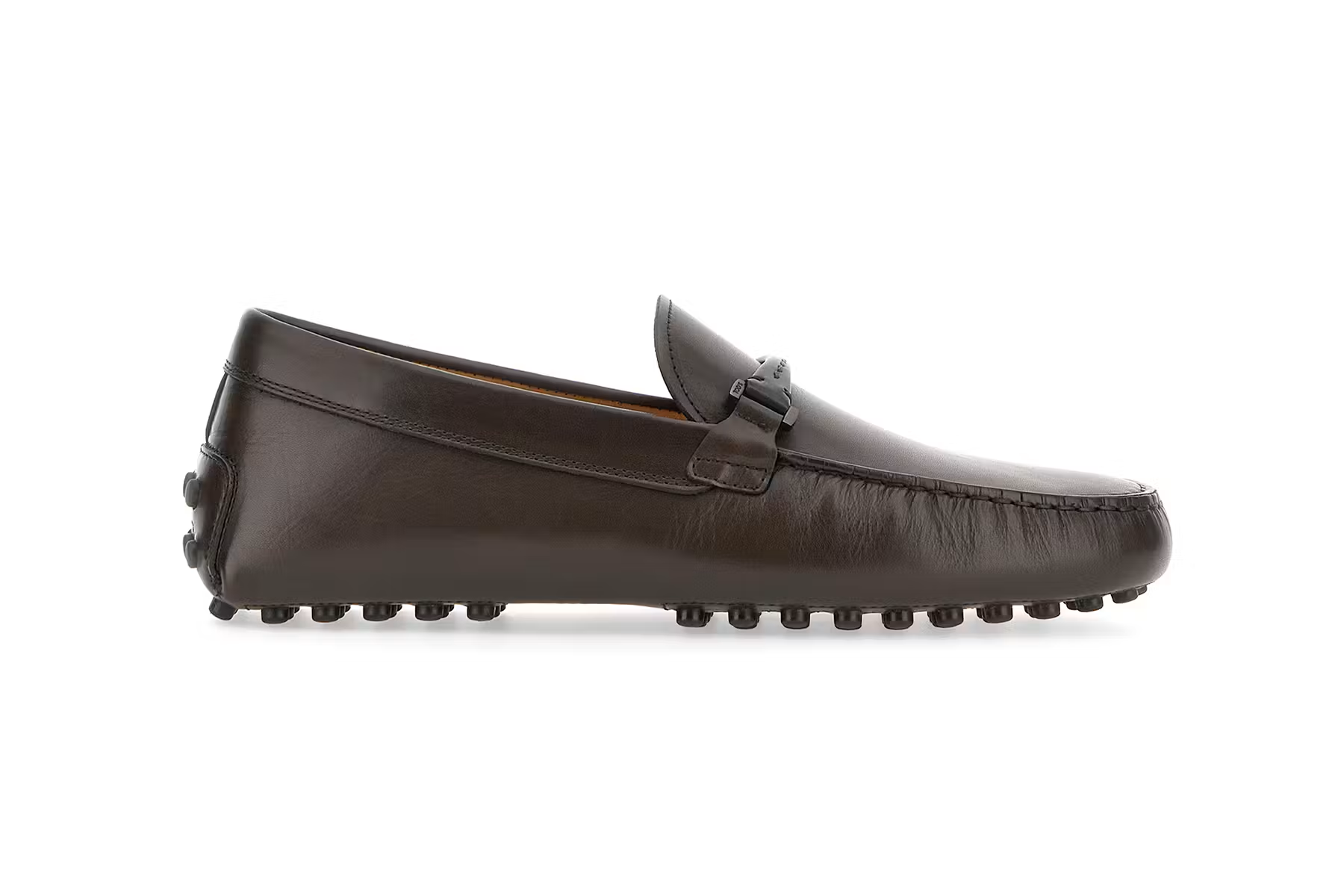
Tod’s didn’t invent the driving shoe, but it did perfect it. Its slip-on Gommino has earned a reputation as the lazy man’s loafer thanks to its plush, pliable form.
Tricker’s
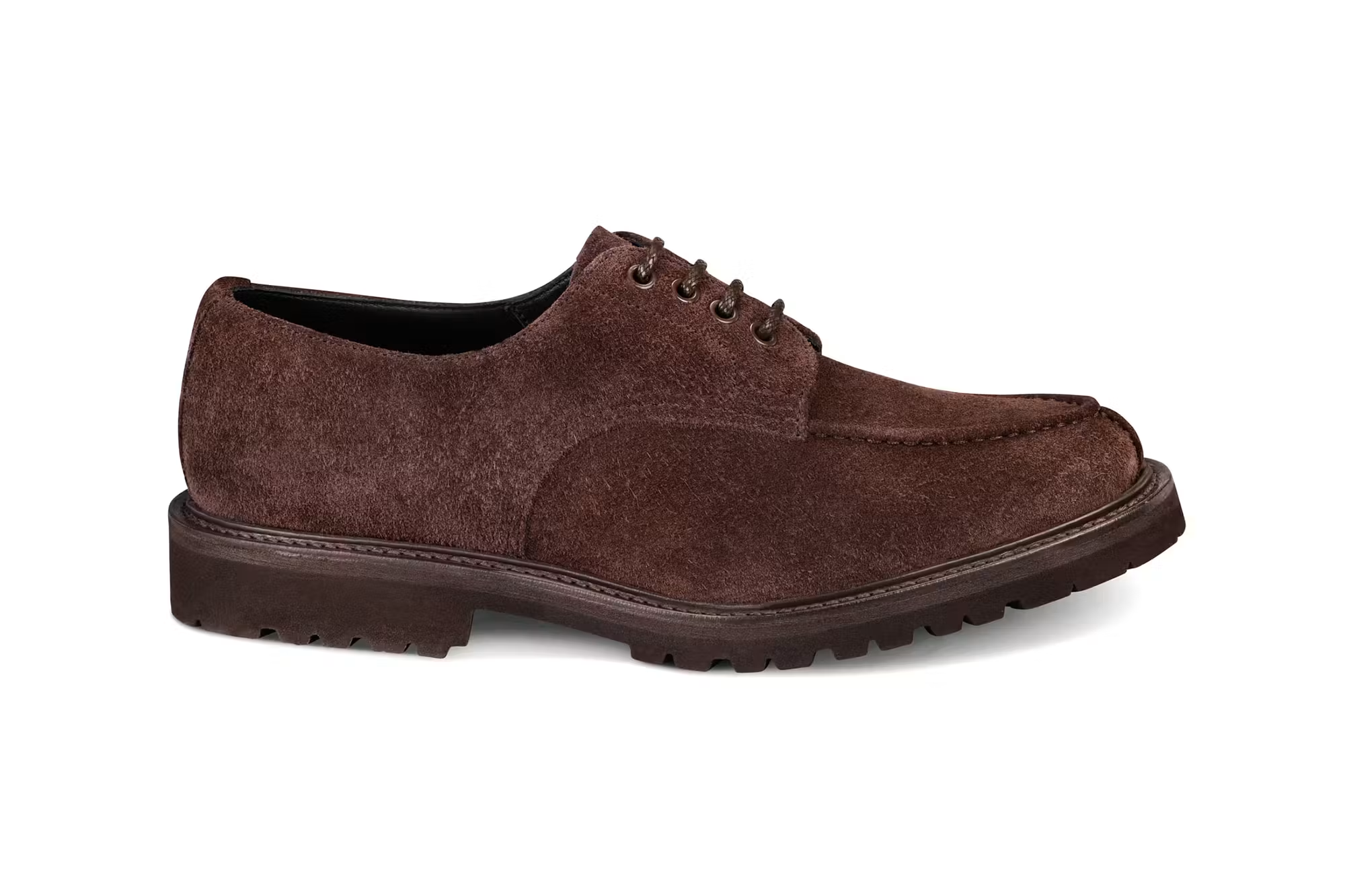
For nearly 200 years, Tricker’s has kept up antiquated methods that most British shoemakers abandoned long ago. This makes Tricker’s a coveted partner for some of menswear’s most exacting labels: brands such as Evan Kinori, Margaret Howell, and Junya Watanabe that still trade in craft.
Trippen
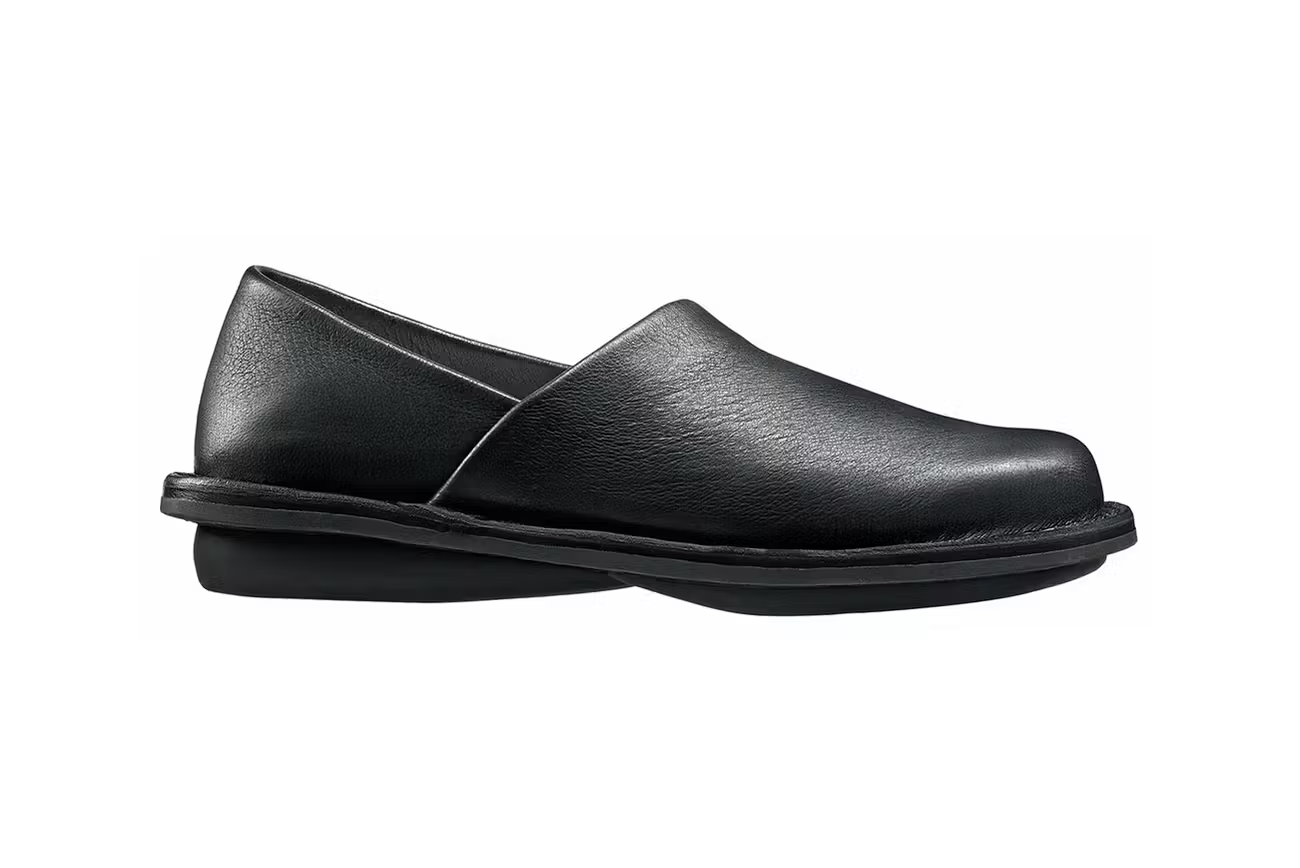
Most of Trippen’s shoes are really weird. The German company produces strange, warped leather footwear that doesn’t look like anything else on the market, primarily due to its bizarre soles that resemble hooves. That’s exactly what makes Trippen’s best work, like the rotund Yen slip-on and the Intent zip-up, so good.
UGG
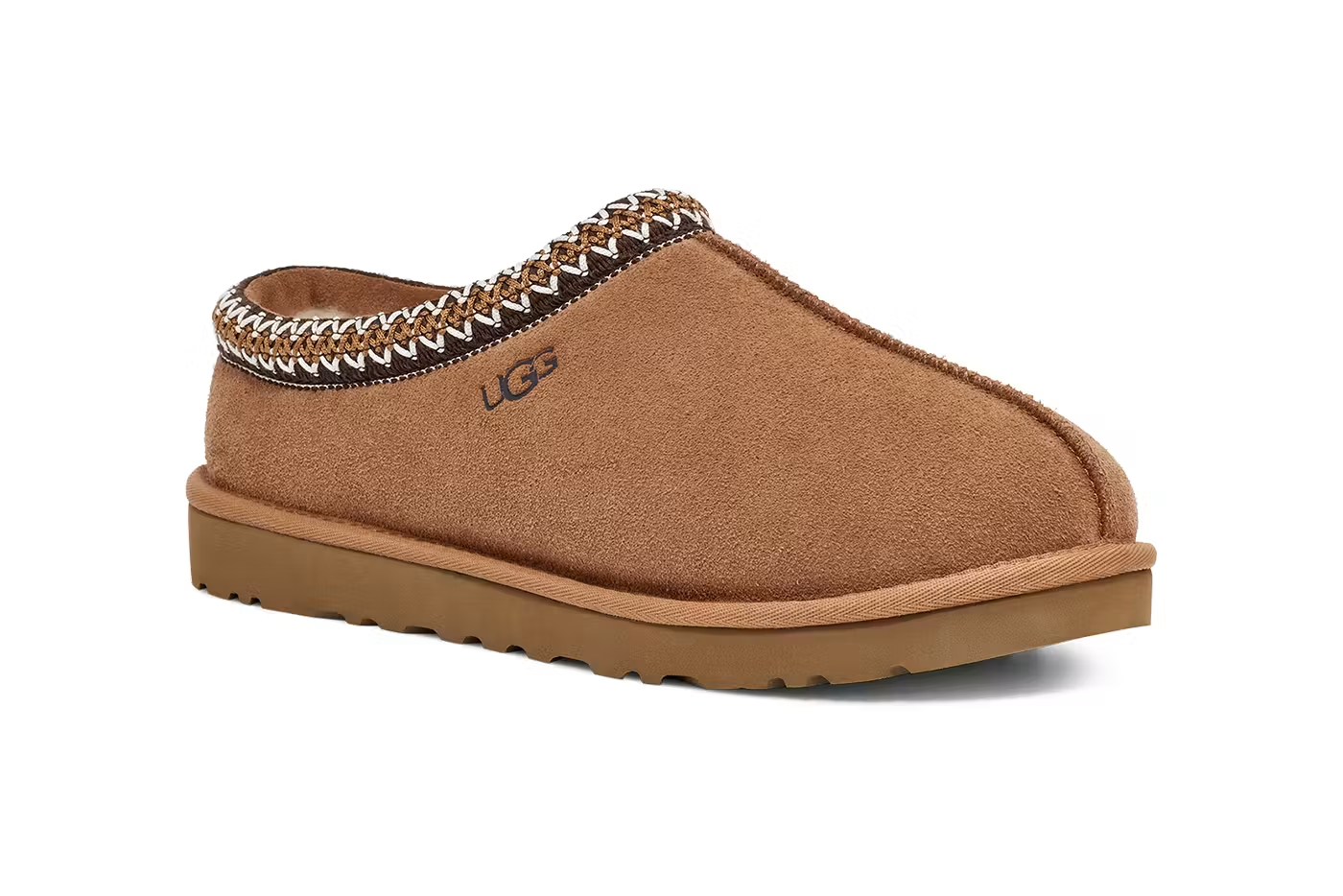
First envisioned as a Californian post-surf slip-on, UGG has become better known as the ultimate winter shoe, with an easy-on insulated high-top slipper that’s unassumingly cool.
Village PM
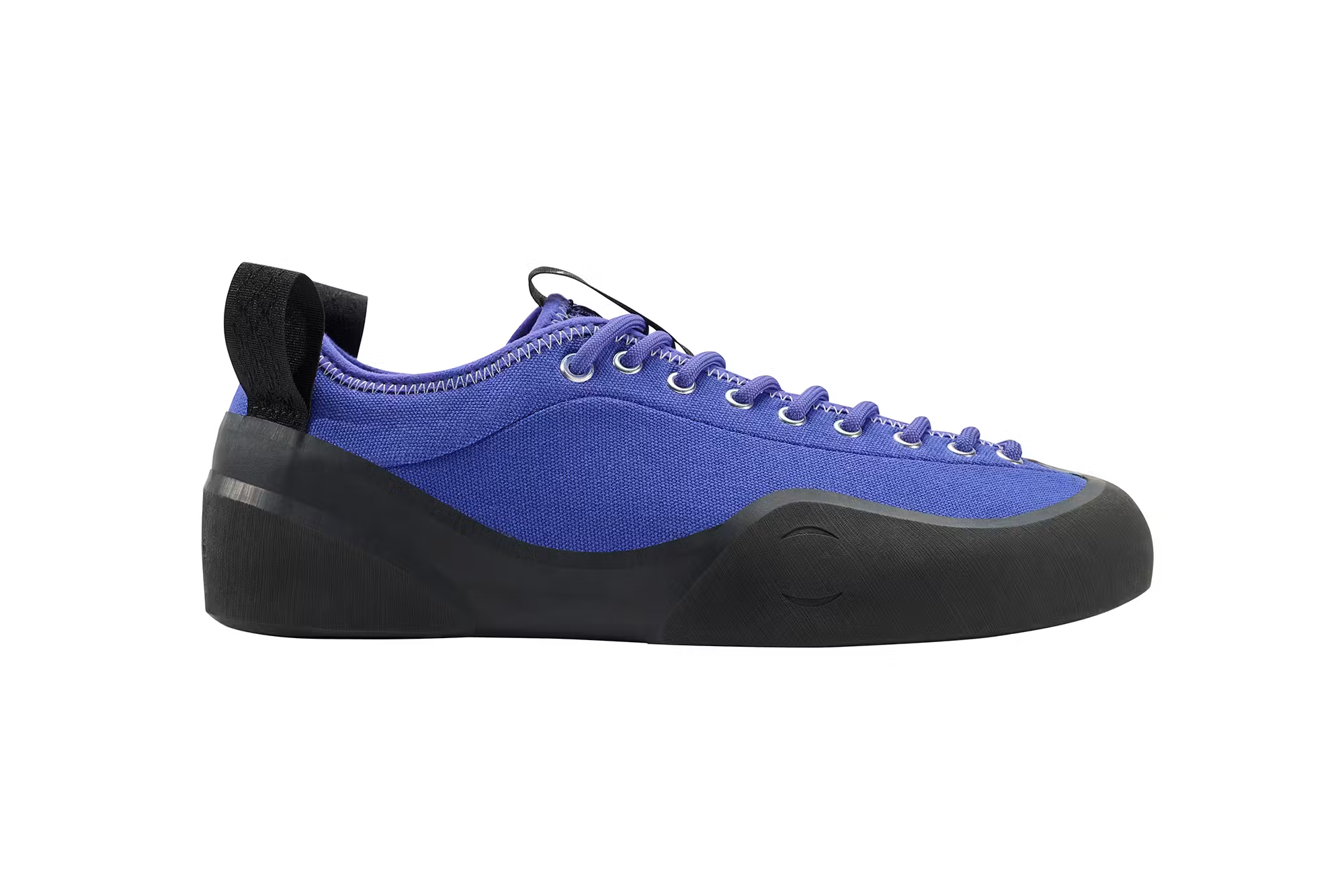
What if skate shoes were more like climbing shoes? In 2025, this French skate label answered that question through its debut sneaker. Made with climbing rubber that stays sticky and an asymmetrical shape designed to wrap the contours of your foot, it’s a new, forward-thinking way of creating a skate shoe.
visvim
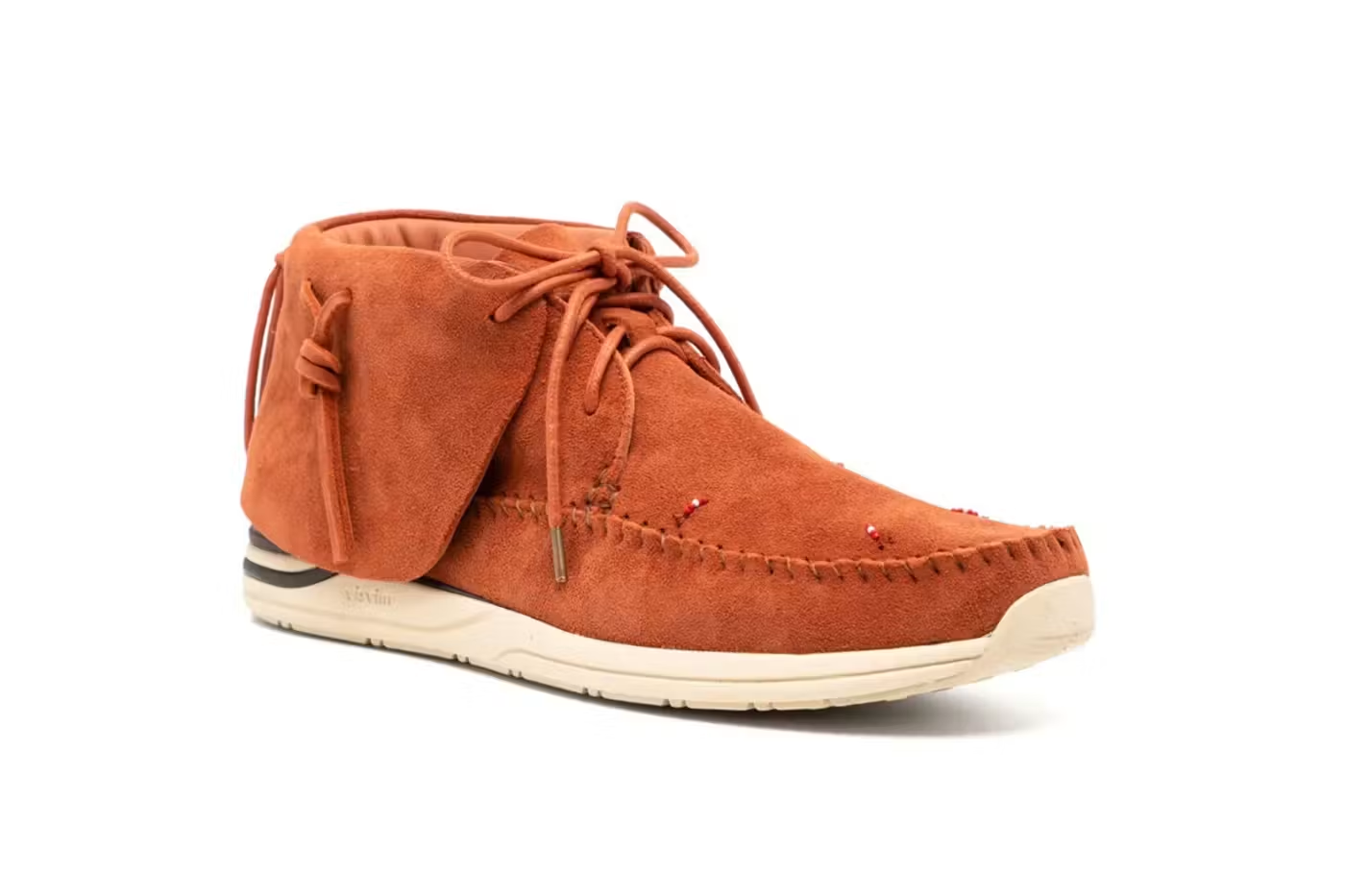
visvim’s footwear was always the gateway into Hiroki Nakamura’s world of obsessive Americana repro, ever since the Japanese brand’s FBT moccasin went viral — as viral as a freakish slipper-sneaker could go — circa 2013. The FBT’s vitality may have declined over the years, but visvim’s leather boots and plush Chuck Taylor–esque sneakers remain timeless.
Yuketen
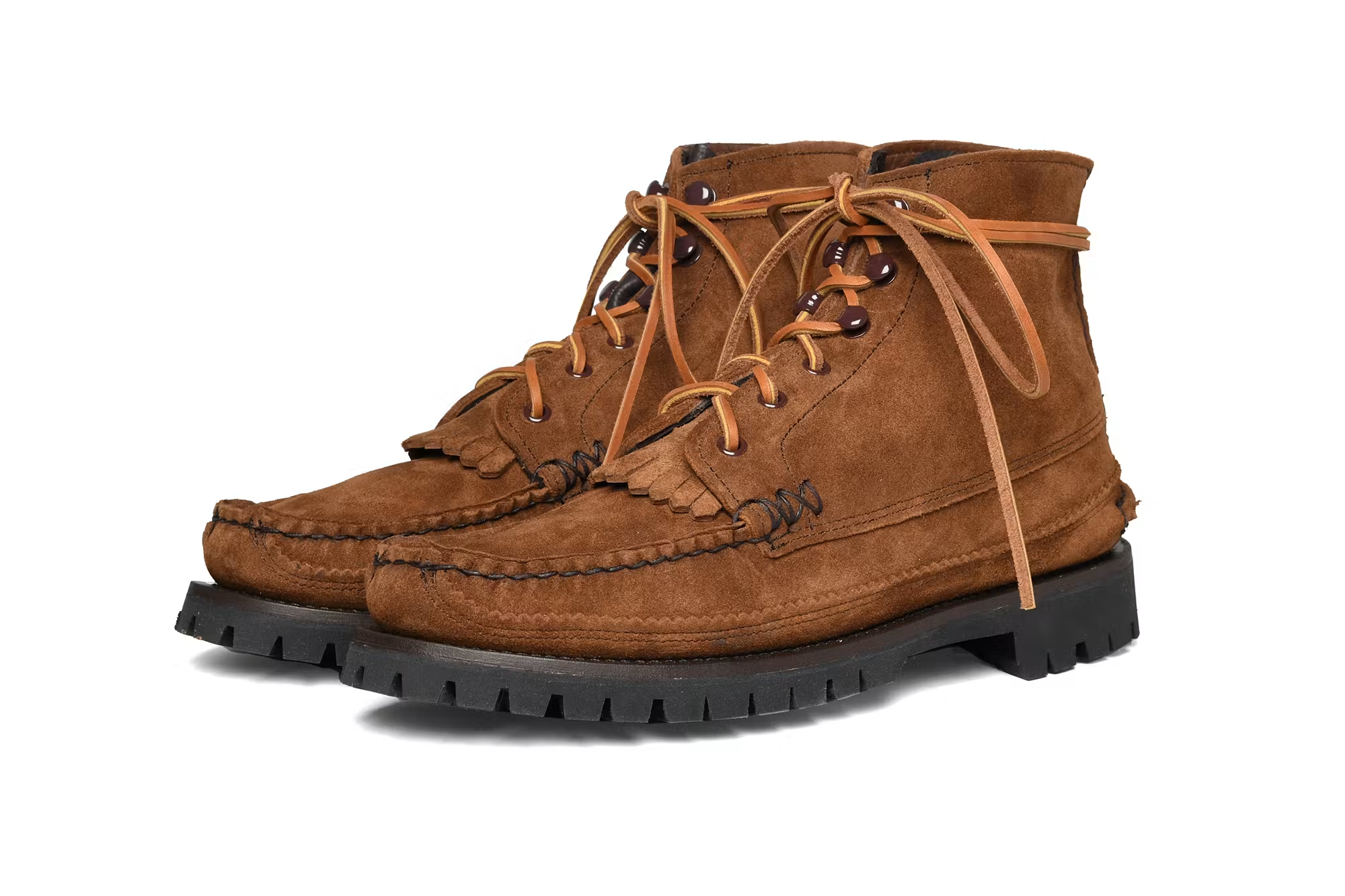
Yuki Matsuda’s passion project has been “tenacious for quality,” in his words, since 1989. The Californian designer reproduces classic shapes such as logger boots, penny loafers, and hiking shoes at small factories across America, Mexico, and Italy to achieve a standard of quality and form that’s faithful to the historic originals. While he’s at it, he’s not above tinkering: Yuketen’s Land Jordan First is a Goodyear-welted tribute to a certain famous basketball shoe.