Weeks ago, we started asking people what music they were listening to. And over and over again, we heard, “not much.” A few had dipped toes into Addison Rae or the new Lorde album. Many had migrated to podcasts or audiobooks. One editor’s Spotify algorithm had been taken over by “Chill Lowfi Study Beats.”
The consensus was clear: we were in a music rut. Which felt strange considering the season. There’s always been a special relationship between music and summer: the festivals, the boomboxes, the stadium tours. In 2017, SZA’s Ctrl blasted from every beachfront and Bushwick rooftop. Last year, Charli XCX rewrote the script with brat.
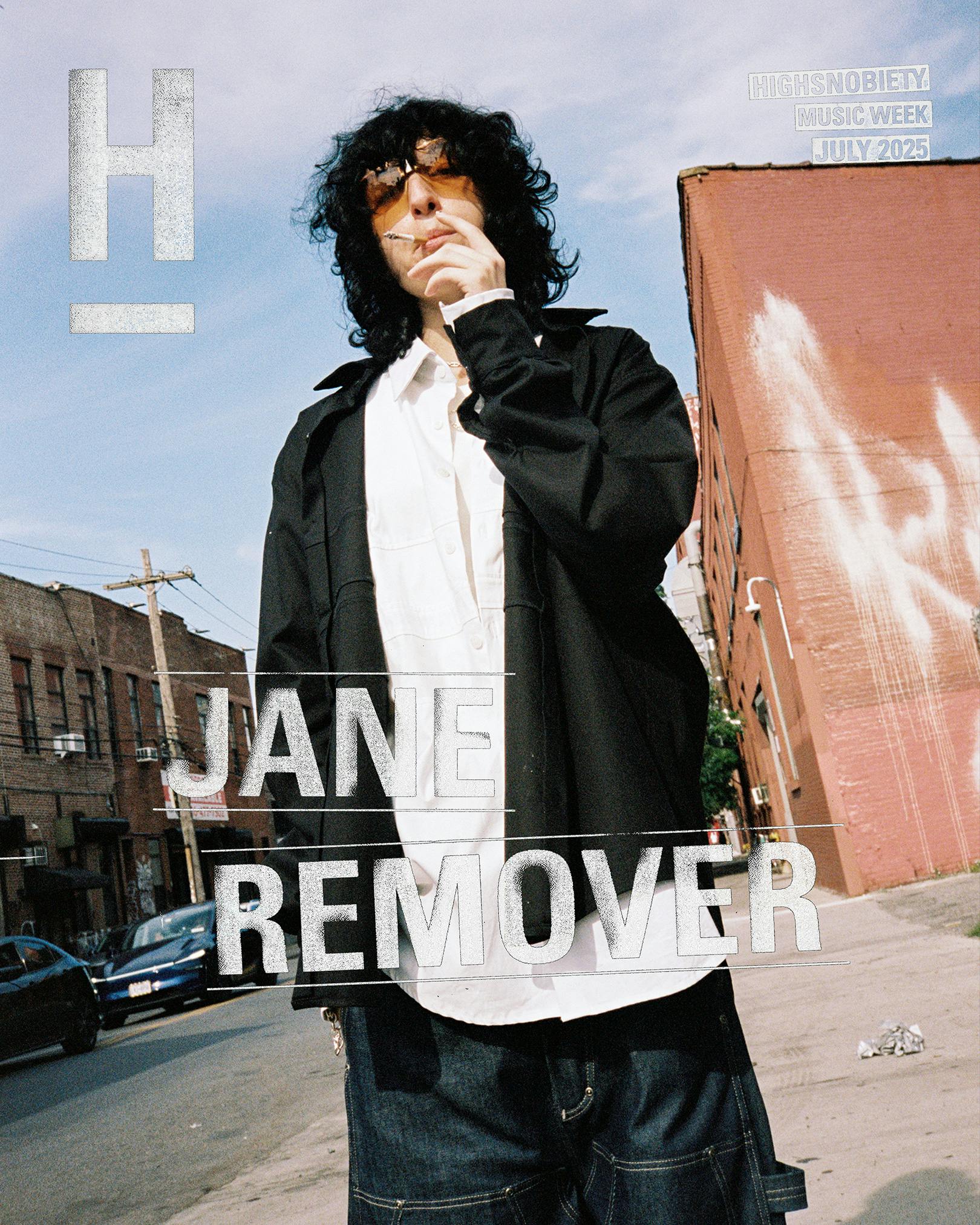
This year, things feel more diffuse. At the same time, there’s never been a more exciting moment in music. So this week, we’re showcasing three artists you should be paying attention to. The first was SAILORR, the former theater kid pushing R&B forward. The second is Jane Remover, the producer, vocalist, and digital disruptor turning heartbreak and burnout into sound that feels like impact. Check back here on Friday when we drop the third.
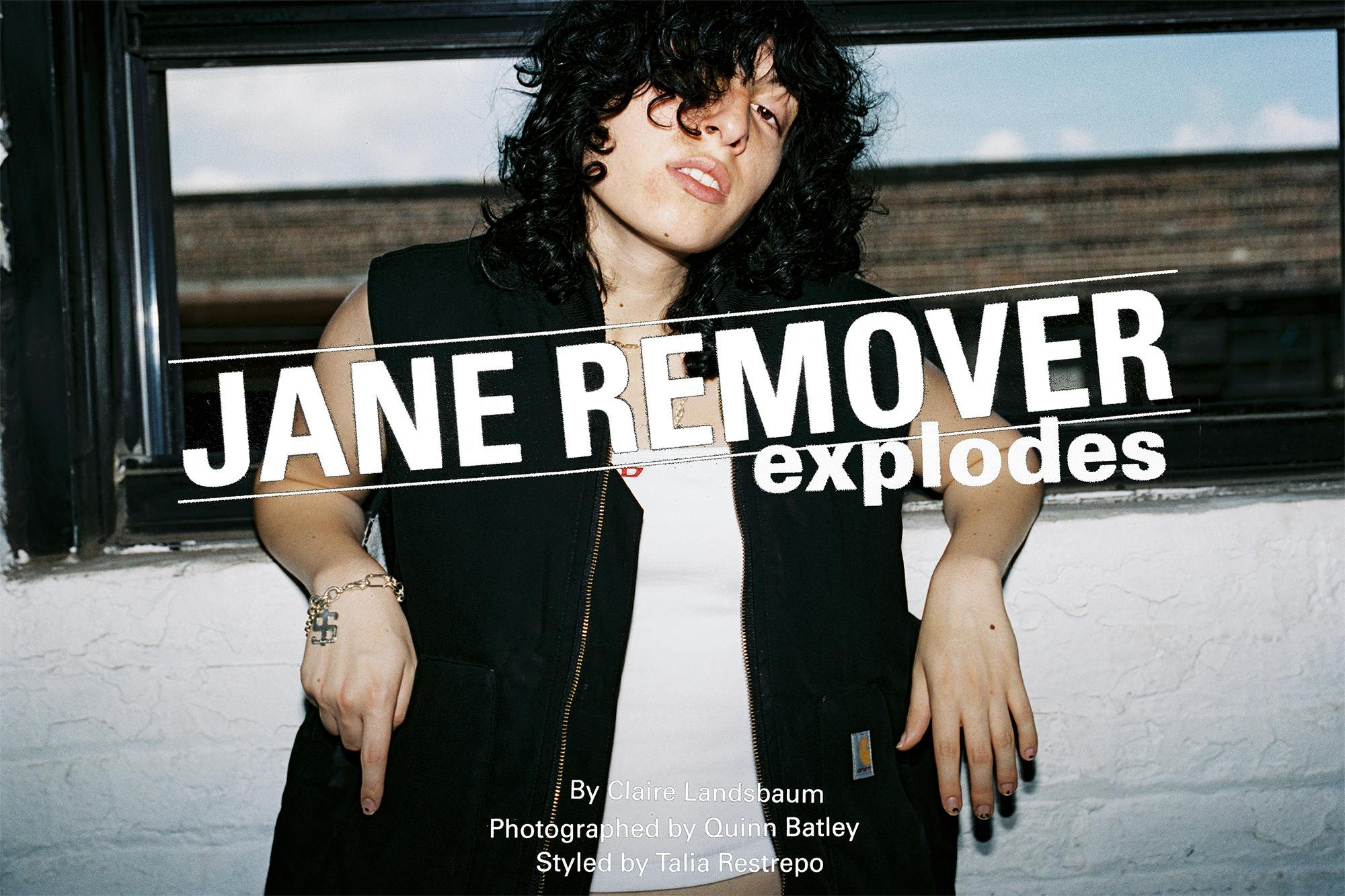
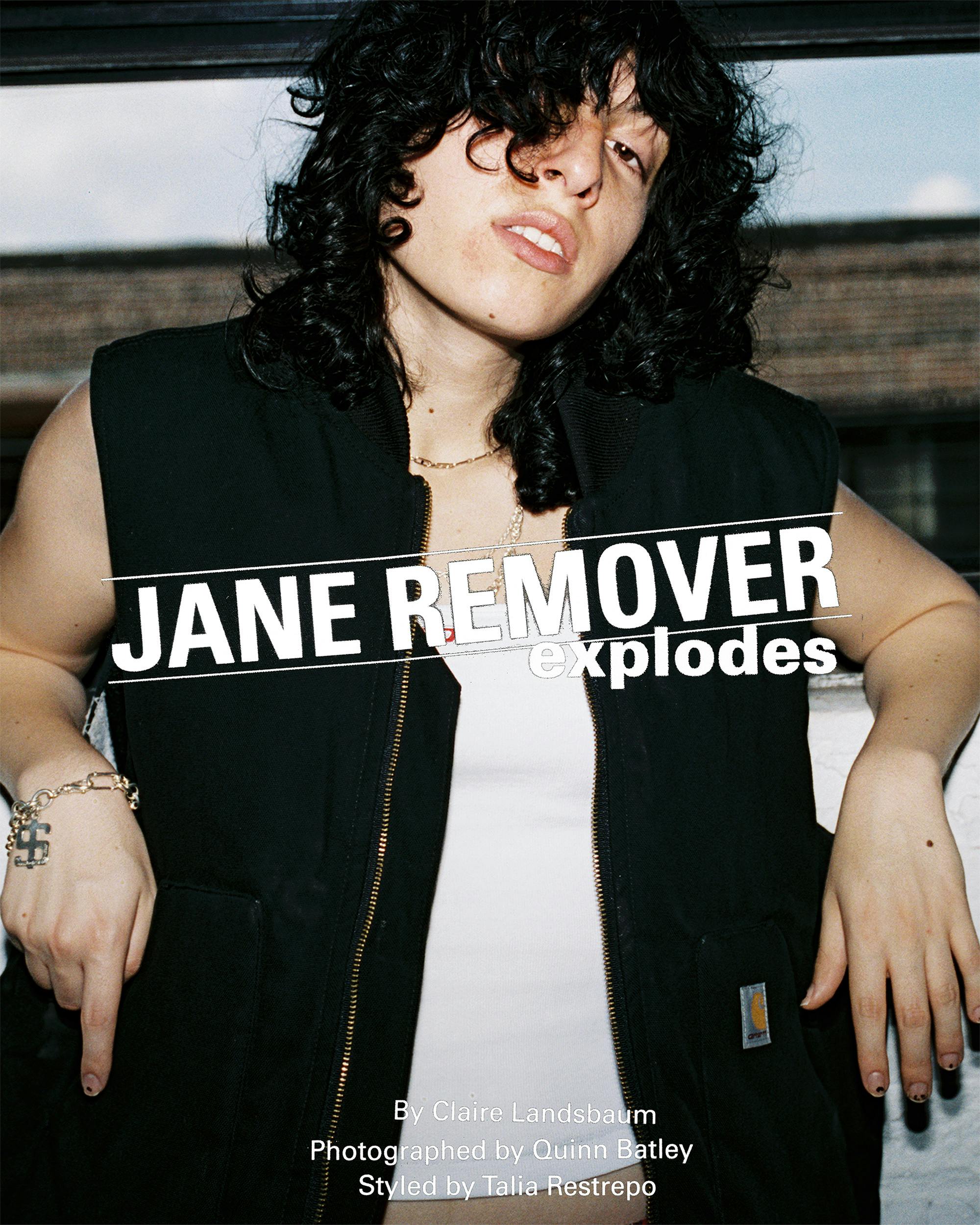
Whenever Jane Remover opens for another band, they start with a command: “I don’t give a fuck who you’re here for; you need to turn up right now.”
That was how the rising digicore artist opened their first show at Connecticut College in 2022. No one was there to see them; no one knew who they were. “It was probably the worst performance I’ve put on,” they say, but “it was very low-stakes. You walk off, the school gives you a bag. So it was fine.”
Recently, though, things have changed. In mid-July, the 21-year-old played a sold-out show at Knockdown Center’s Outline, an annual festival that features cutting-edge artists. The main room of Knockdown — which is the size of a small airport hangar — was crammed with bodies, the Brooklyn crowd leaping like fish and screaming every lyric to songs such as “Dancing With Your Eyes Closed” while Jane raged and sweat onstage. Normally, “I have my in-ears shoved so far in that I can only hear myself and the backing track,” Jane says. But this time “I heard the crowd, too. I was like, ‘Oh, they know my music.’”
The show was just one indication that Jane Remover has started to break through. Another is the fact that they’re opening for Turnstile on 21 shows of the band’s world tour. Then there’s their collaboration with artists such as Danny Brown, the steady ticking up of their streaming numbers and album sales, and the acclaim rolling in from serious corners of the music journalism world (Pitchfork, Billboard). There’s the fact that resale prices for Jane Remover tickets are steadily climbing. In April, they were driving across the Canadian border on the way to a show in Toronto, and the border patrol agent did the typical “Why are you here?” routine. To perform, Jane replied. The agent pulled up tickets and said, impressed: “These are $300.”
“Well, that’s great,” Jane remembers thinking. “Do you…want to come?”
Three-hundred dollars may seem steep, but the energy Jane brings to a performance, along with the propulsive, high-wattage nature of their sound, is well worth it. “Dancing With Your Eyes Closed” is, of course, a banger, looping through radiant bursts of videogame-like synth against a pulsing backbeat, while something like “JRJRJR” goes harder, leaning further into rap-electronica. Almost every song off of Jane’s April 2025 album, Revengeseekerz, is made for thrashing in your room or moshing in a crowd or careening down a street, weaving between the slow walkers. They make you want to move.
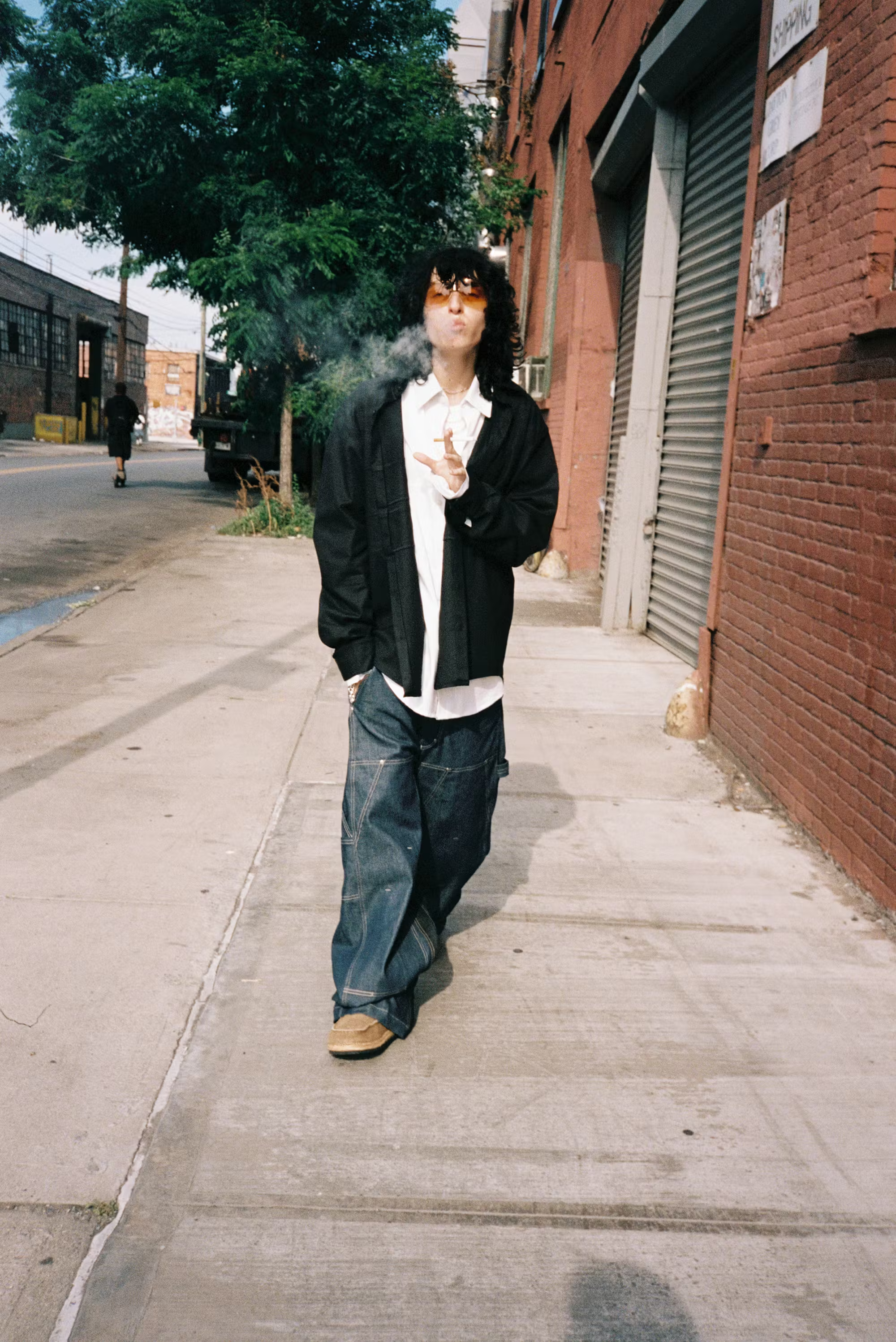
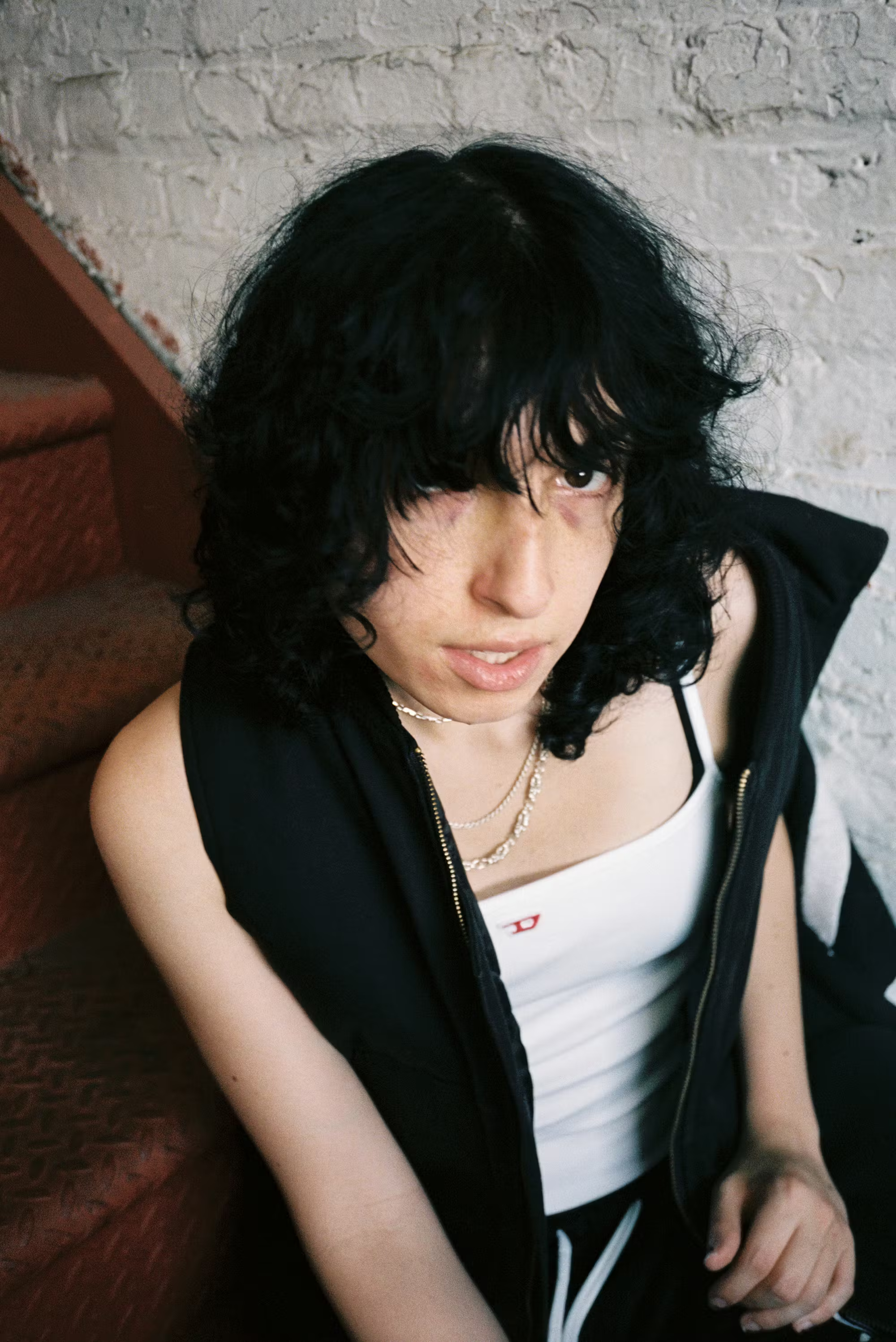
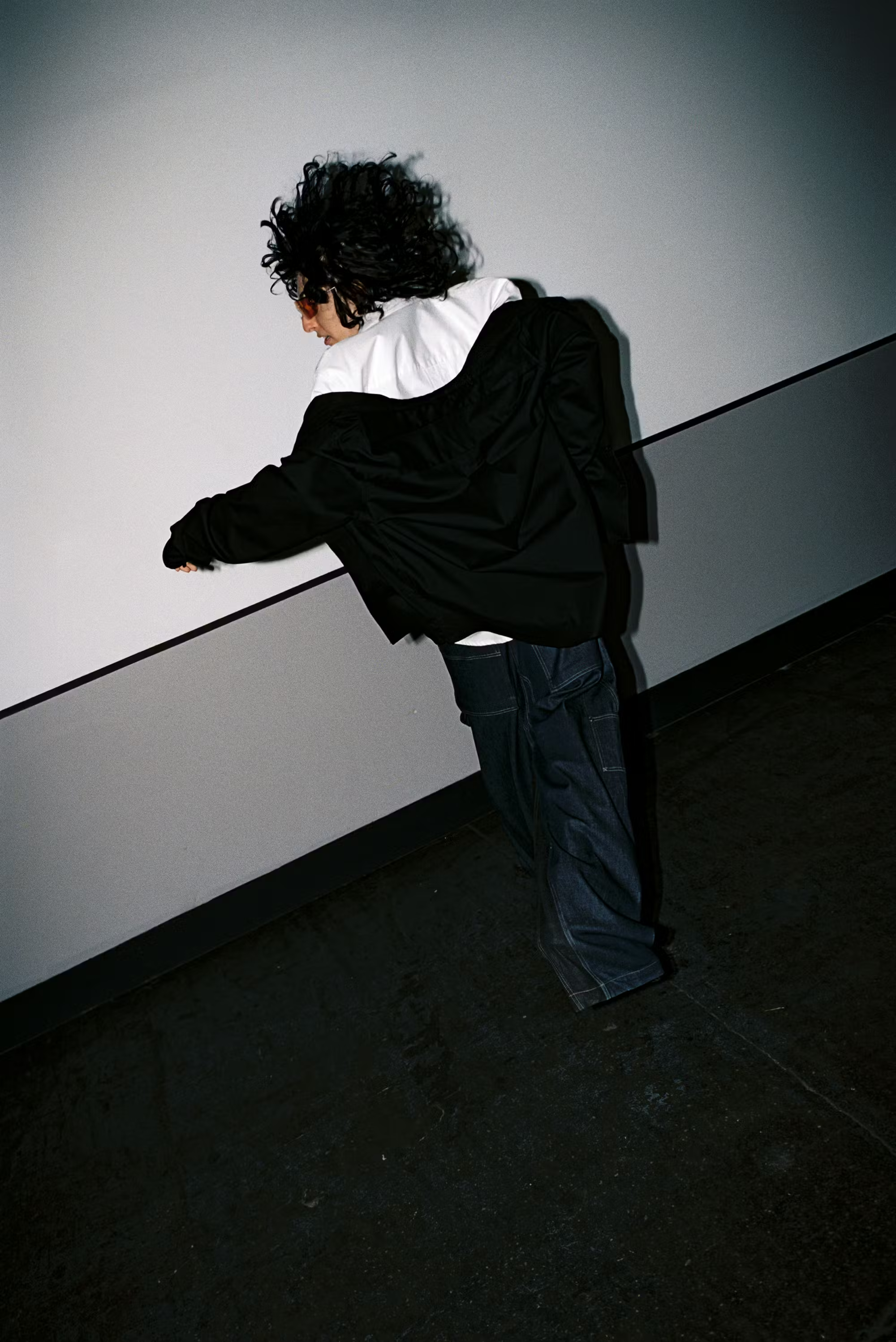
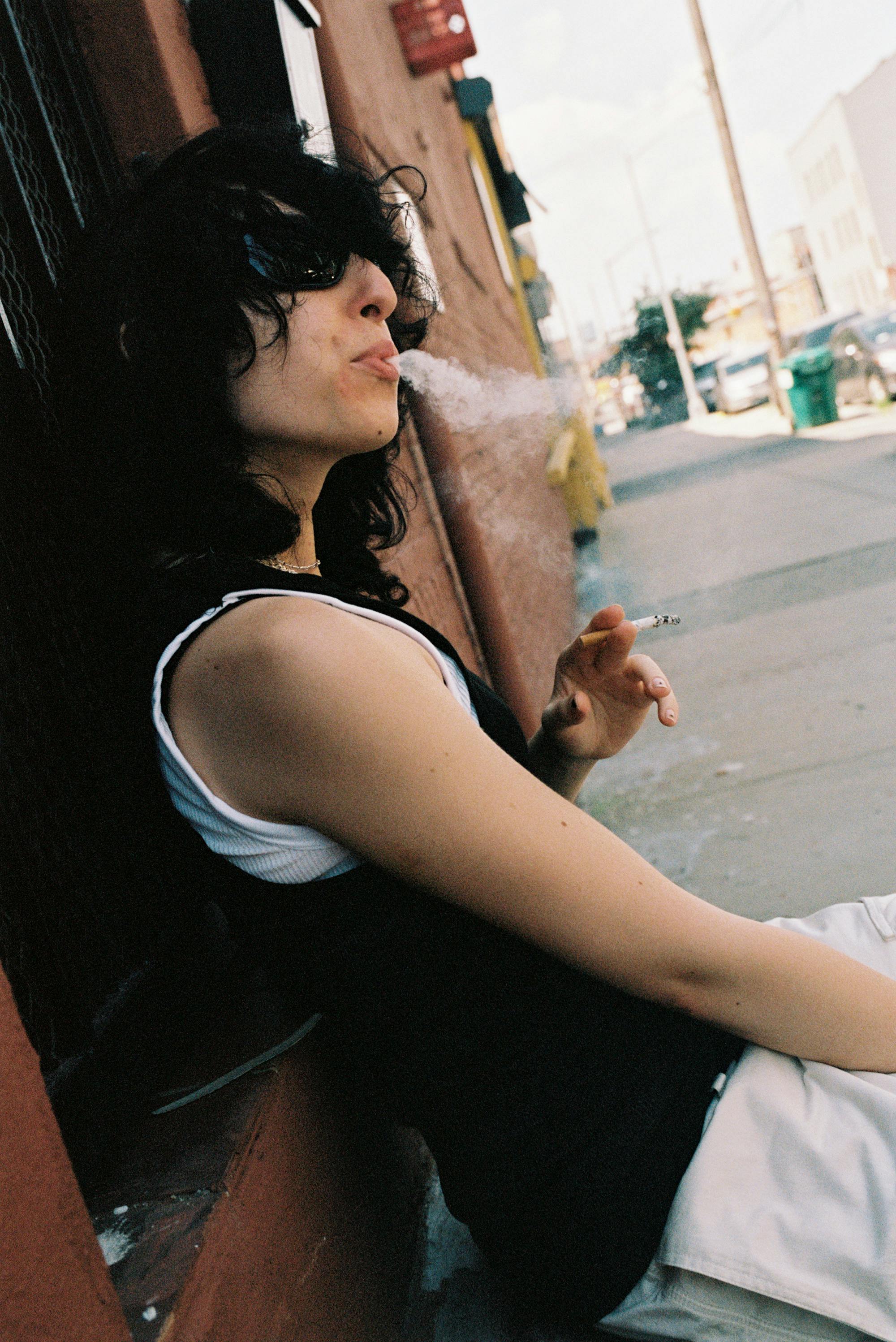
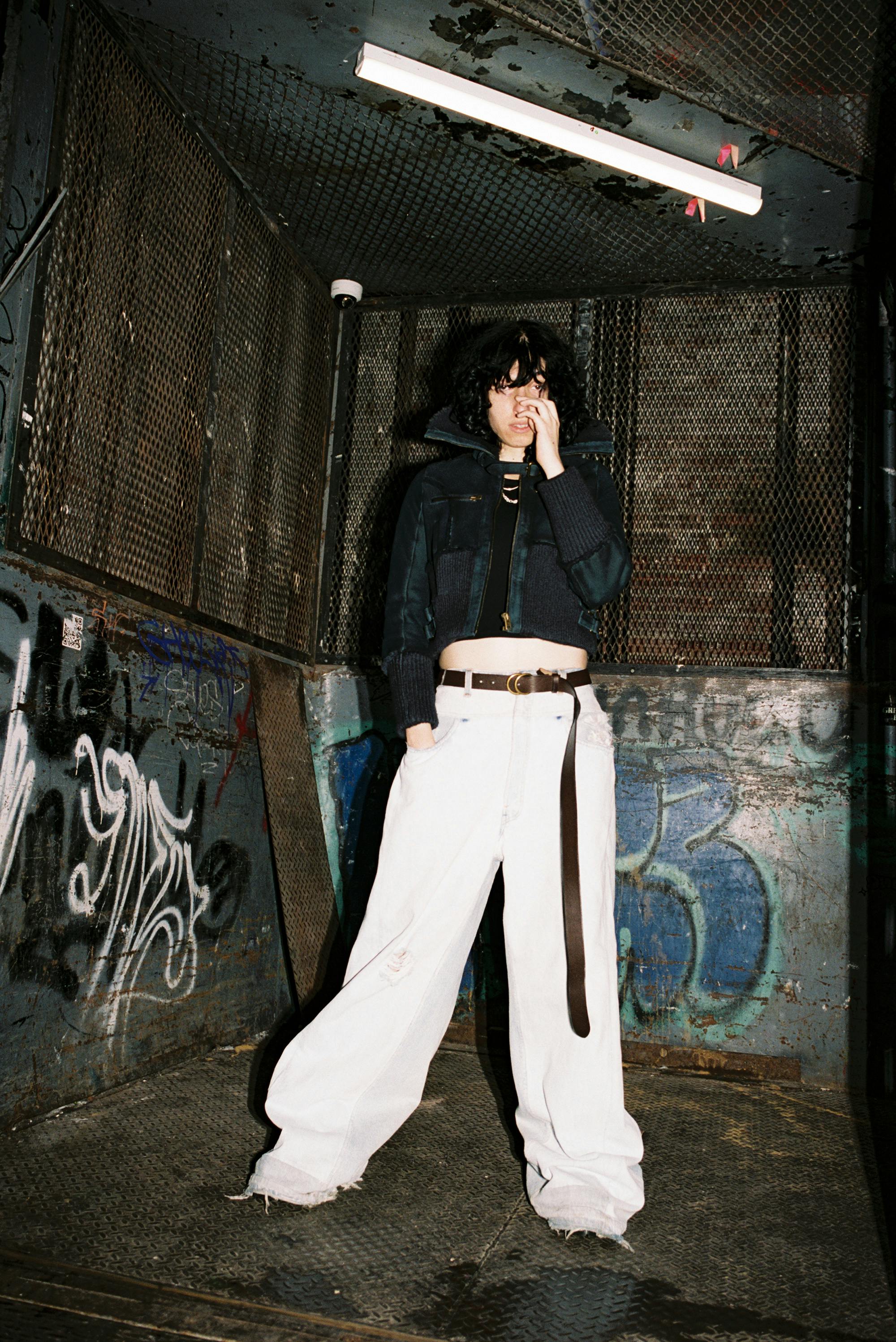
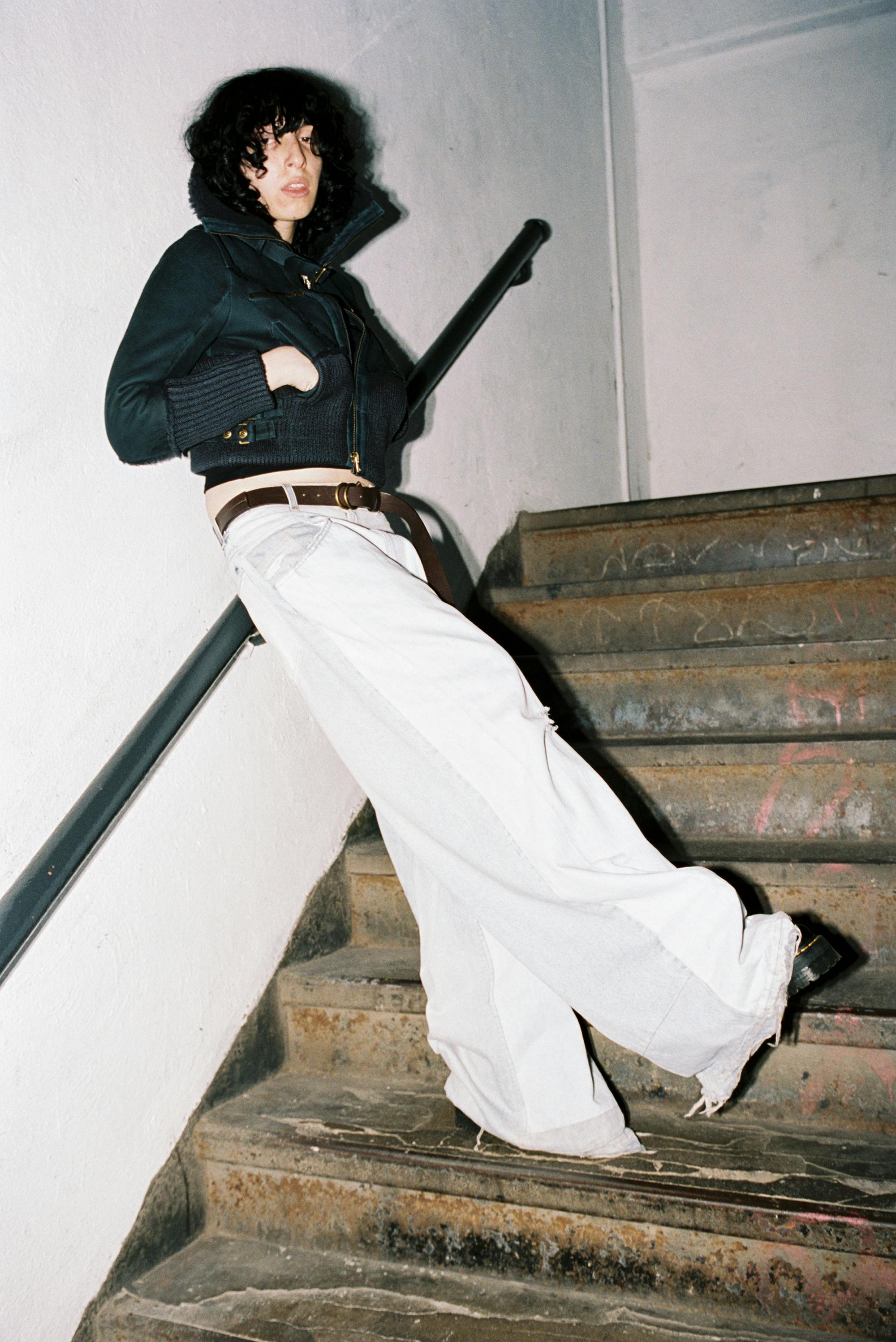
Still, it’s a lot to perform for crowd after crowd. “Physically, I feel like shit after every show,” Jane says. When we meet, at a studio in Bushwick on a Wednesday, they say they’ve finally gotten a good night’s sleep, although there’s a bruise on the back of their right arm and a scab on their right elbow. They still seem a little tired, their black, curly bangs framing faint under-eye shadows.
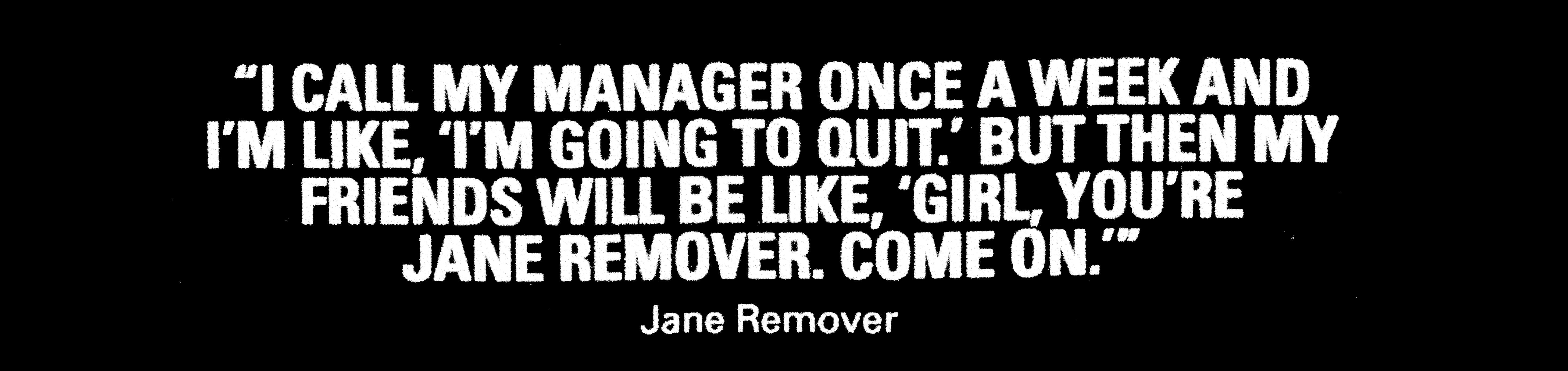
Mentally, things can sometimes feel a little tenuous, too. Because of course, as their fan base grows, their haters also increase proportionately. And although technically they’re higher than they’ve ever been, success hasn’t necessarily put them at ease. “I call my manager once a week and I’m like, ‘I’m going to quit,’” Jane says. “Because if it’s only going to feel like this more and more, I’m done. I’m out. But then my friends will be like, ‘Girl, you’re Jane Remover. Come on.’ And I’m like, ‘You’re right; I am Jane Remover.’”
Jane Remover is a Jersey native. They were born in Newark and lived there for half their childhood, right by the light rail, before moving to “some random suburb in Union County.” It was “very Sopranos,” they say — one of their favorite shows, partly for the nostalgia, partly for the writing. “Really sectioned off from the rest of the world.”
In the ‘burbs, Jane hung out with their “three friends” and watched iCarly on Nickelodeon. They also spent a lot of time on Twitter and SoundCloud, which is where they first encountered a very online, very underground music community. People posted work in progress, commented, hyped each other up. It was 2020, the height of COVID-19 quarantine, and no one had anything better to do. “There was endless music coming out, and every moment felt like a big moment,” Jane says. “It was very Cambrian explosion.”
To describe the sound they started experimenting with, they rattle off a series of phrases: “EDM-influenced rap; rap-influenced EDM; pop-EDM; EDM-pop; pop-rap; rap-pop.”
“I don’t think we realized there was a defining sound of that era until we were far past it,” Jane says.
In another life, Jane might’ve graduated with an accounting degree; they’re great at math. Their mom, a middle-school science and history teacher, was adamant that they at least try college, and they agreed. But music was Jane’s only real passion or aspiration. Luckily, they dropped their first album, Frailty, their freshman year — “kind of a final plea just being like, ‘Consider this,’” they say. By the time the school year ended, it had taken off to the point that their mom agreed to let them drop out. “I think what convinced her is that I made more money than her one month,” Jane says. “It was the first time I’d ever done that. It was kind of a shock.”
The next few years were a blur of productivity. For someone who started when they were 16, Jane has put out a startling amount of work. After Frailty came Dariacore under the pseudonym Leroy, then Census Designated in 2023. This year, in addition to Revengeseekerz, they put out an album called Ghostholding under the name Venturing. “I’ve come to realize that I work really fast,” Jane says. “Music is kind of all that I do; even my hobbies are just making music.” They refer to their bursts of output as “a flow state,” adding, “when I’m in my music brain, I can think of it very quickly. When I’m not working on something, I have no interest in it. I can’t do it.”
Each of Jane’s projects carries a different piece of how they want to sonically experiment. Ghostholding is stripped-down, for instance, a thin, spidery mix of words and simple notes. Even Census Designated, which was reportedly inspired by a near-fatal drive through a blizzard, is a gentler version of Jane Remover, decelerated and filled with yearning. Still, it carries the same production value as everything else released under that name. “I’m really into maximalism,” Jane says. “I’d rather people say I did too much — ‘This is overproduced or these songs last too long’ — instead of, ‘This is half-baked, half-assed, low-effort.’”
At the same time, “it’s really messy to send stems” — audio tracks that include either a single sound or a set of sounds grouped together — “to people if they want to remix it or something. It’s like, ‘Oh, there are 112 stems on this song.’” (For context, they estimate that “California Girls” by Katy Perry has about 20.)
Revengeseekerz is perhaps their most complex project to date: a layered, textural, tightly edited work. The songs are fast, the lyrics anguished. Jane calls it a return to the type sound they first experimented with in their teens, with the added benefit and richness of everything they’ve learned since. “As a producer, you’re never going to stop improving,” they say. Plus, they’ve lived a lot more life in the past five years. “When you’re 16, it’s like, what can you write about besides being stuck in your room? Now I’m 21, and I feel like there’s actually shit in my life that I can make music about.”
One of those things is heartbreak. Revengeseekerz is a breakup album, made in chunks in October 2024 and February 2025. At the time, they were riding out the peaks and valleys of a romantic relationship. “When I felt confident in my relationship, I felt confident in my music,” they say. “When I didn’t feel confident in my relationship, I was like, ‘I don’t want to make anything. I don’t want to finish this album.”
Most of the lyrics on Revengeseekerz were made up on the spot during recording sessions — punching in, as it’s called. Lyrics such as: “A thousand people scream my fucking name / It don’t mean shit if I don’t hear you say it.” Jane would go into the studio, riff on what had happened with their boyfriend over the past few weeks, and leave. Rinse, repeat, and suddenly, they had an album’s worth of brooding vocals. “We broke up in February, got back together in March,” they explain. “Except we didn’t really get back together because he was seeing someone else and lied to me about it.”
“I kept custody of the TikTok streak in the divorce,” they say, meaning they continued to exchange videos with their ex. “138 days; that’s historical. I can’t just throw that away.” They’re friends now, although there’s a note of exasperation in Jane’s voice when they say: “He came to my Chicago show and stood near the front. I was like, ‘Dude, make up your mind.’”
“Some men are just not dateable,” they conclude.
And to be clear they are into men, despite the wishes of many of their fans. “I played a show in D.C., and these two people shouted in between songs, ‘Jane, I’m so lesbian for you!’” they recall. “And I was like, ‘Thanks.’ I mean, it’s sweet to be considered. I hate to let them down — girls are awesome — but I just don’t swing that way.”
They did recently download The Pattern, the lesbian community’s favorite astrology app, at least anecdotally. But that was more related to a search for meaning — some explanation for why things happen the way they do. Their findings: They’re a Libra sun and a Pisces rising, with a Venus that’s also in Libra. “I’m always crushing,” they say, which makes sense (IYKYK).
Other than that, The Pattern hasn’t delivered anything particularly useful. It “gives me some bullshit like, ‘You act this way in your relationship, so this is going to happen to you,” Jane says. “I’m like, ‘Oh, you think you know me? I’m waiting.’”
Instead, they fall back on their mom (a Pisces) to answer existential questions about how to handle their newfound fame. They call, and she’ll tell them something like, “It’s going to get worse.”
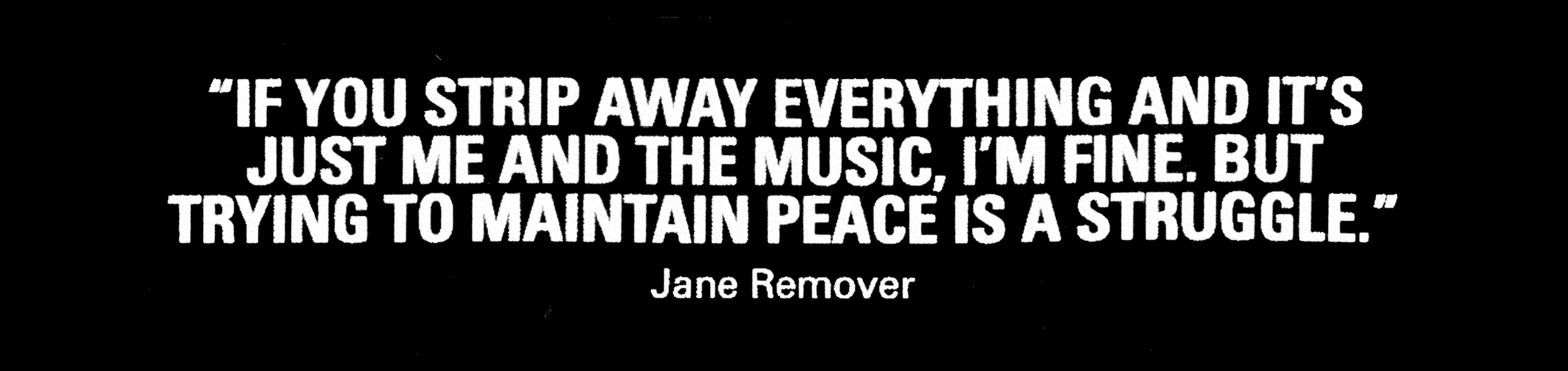
“She’s telling me how it is, I guess,” Jane says. “If you strip away everything and it’s just me and the music, I’m fine. But trying to maintain peace is a struggle. I guess it’s just not going to be peaceful.”
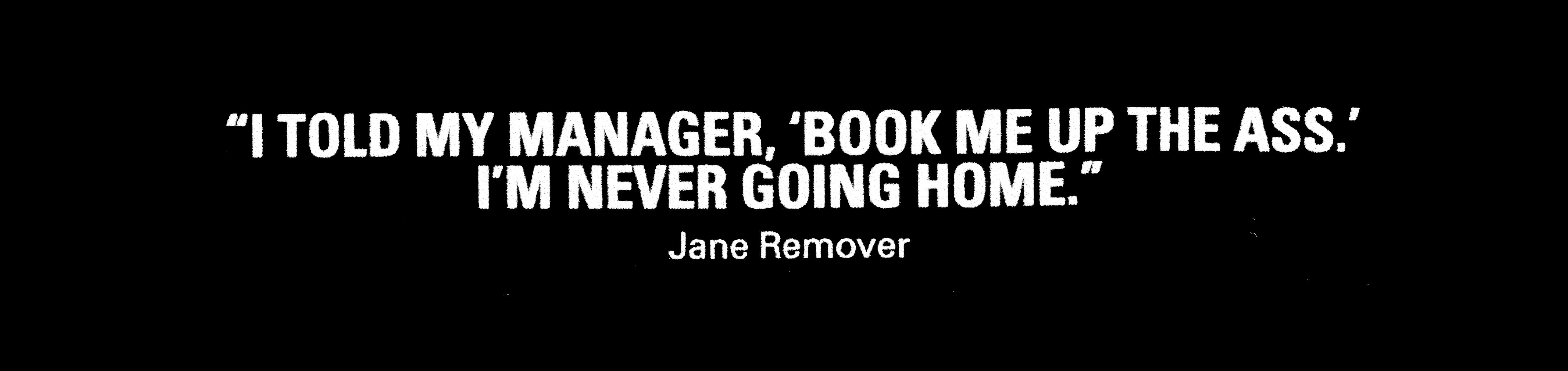
“I guess the way to get over it is to be too busy to pay attention,” they add. “I told my manager, ‘Book me up the ass.’ I’m never going home.”
Credits
By : Claire Landsbaum
Photographed by: Quinn Batley
Styled by: Talia Restrepo
Production Assistant: Maryam Eldeeb