



With 161 million TikTok followers, Lame claimed the crown of most followed on the platform — ever. So, how exactly did the Senegalese-born Italian 24-year old launch himself into the global spotlight without speaking a single word? We are so glad you asked.
The first stitch on Khaby Lame’s TikTok account, uploaded in November of 2020, begins with a woman who is bike-locked to a pole through her backpack by someone beyond view of the camera, prompting her to frantically struggle as if she’s stuck. Enter Khaby. In his response, we see him stare into his phone, baffled, screwing up his face into an “Are you kidding me right now?” expression. Wearing a backpack, he raises his eyebrows as the straps slip off his shoulders, as if to say: “See? Just take it off.” He scrunches up his face again and raises a palm. “Duh” is the implied sentiment. End scene. No caption. The Stitch has over 17 million views.
Eight days later, he posted another stitch that targets the same creator, reaching more than 3.5 million people.
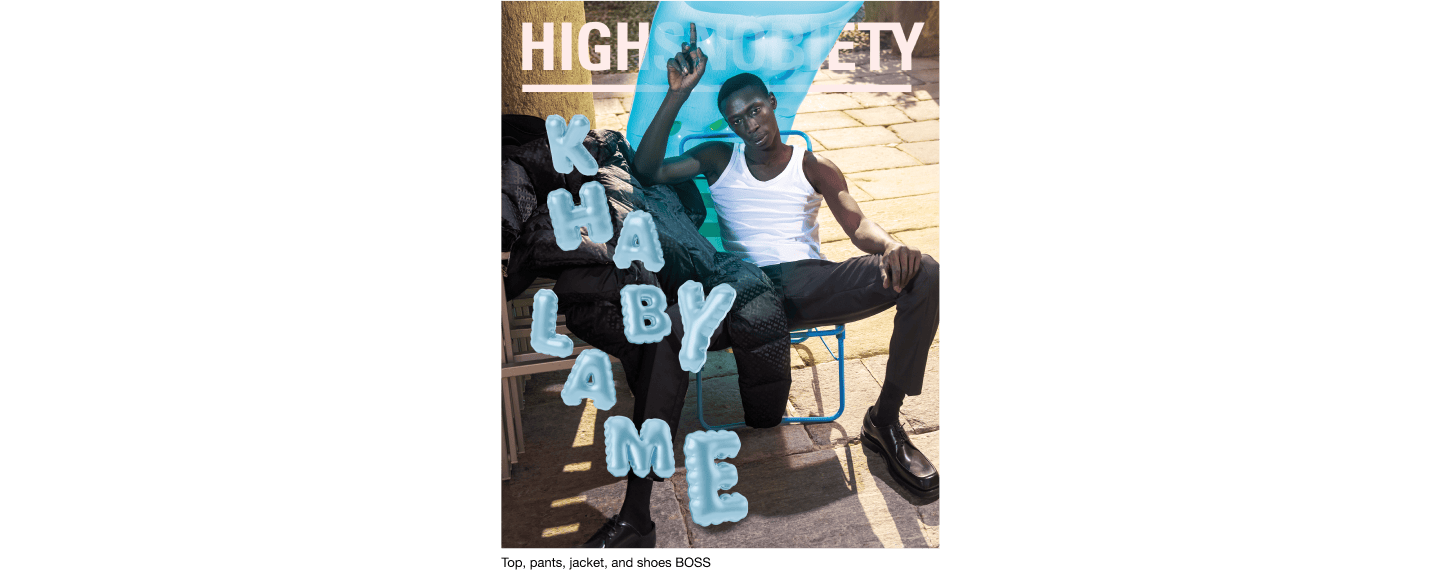
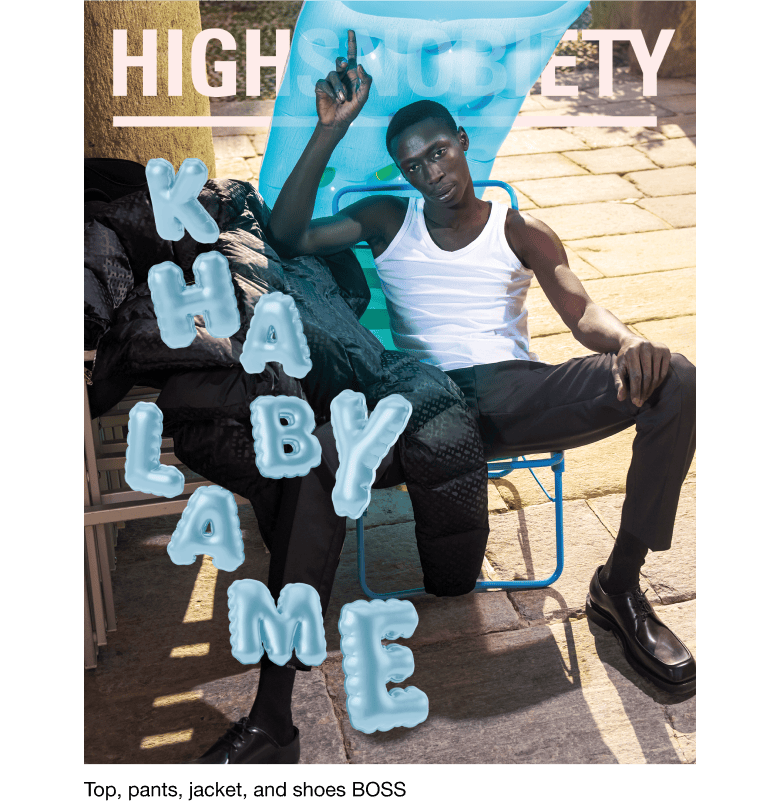
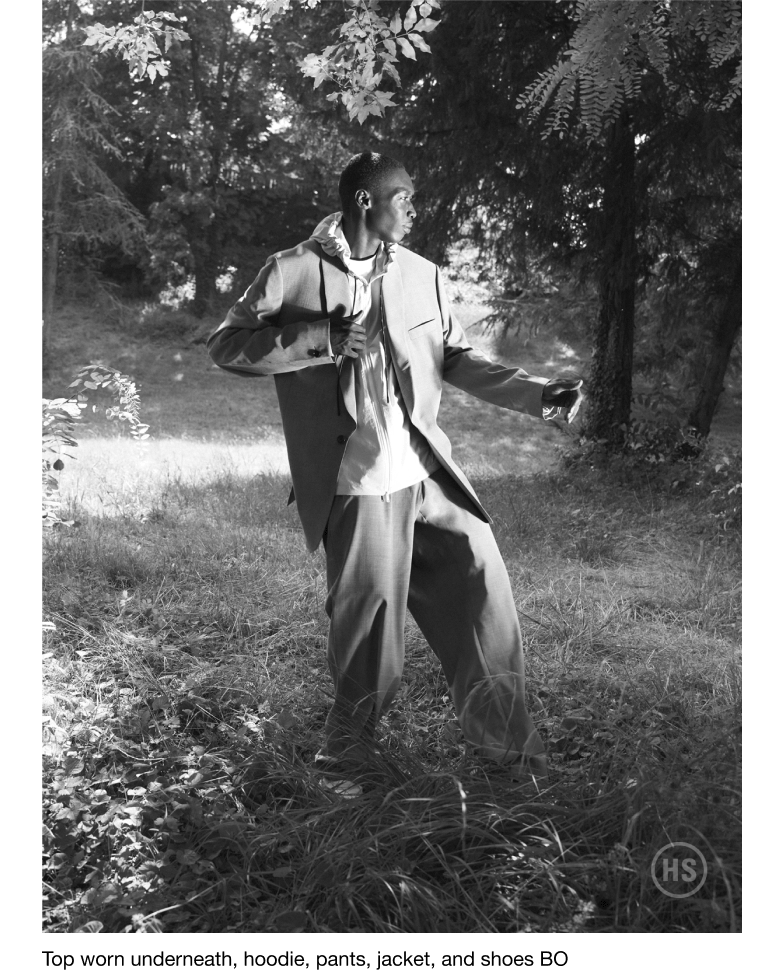
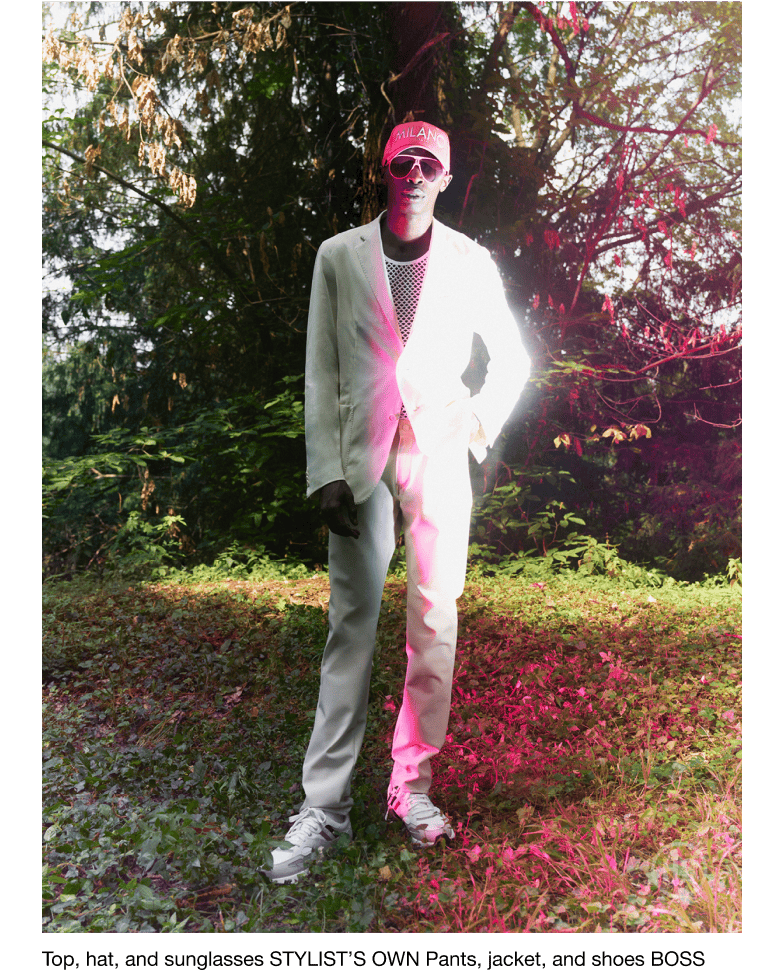
This was the beginning of the 23-year-old’s unprecedented rise to stardom among the seemingly endless mix of fashion influencers, mukbang eaters, watch dealers, storytellers, and dancers on TikTok. Using textbook physical comedy to tell a story with facial expressions, silence, and a signature hand gesture, Lame has carved out a singular place for himself in the universe of content creators. Today, it’s not uncommon to spot A-list guests such as Ed Sheeran, Zlatan Ibrahimovi, and Naomi Campbell in his videos, and in 2021 he was tapped by BOSS to be a face of the brand. Lame has now even walked the Oscars red carpet, signaling a headstart on his dream of becoming a Hollywood actor. Pretty much anything seems possible for Lame, who, as of this writing, has amassed a ridiculous 161 million fans on TikTok alone, with a growth said to be in the multiple millions every month. In fact, he gained more than 2 million followers in the time it took me to write this article and submit it to my editor — which, honestly, is a little crazy.
As creators, Lame and I are both products of the Covid-19 pandemic (and if you’re a Gen Z “influencer,” chances are, you are, too), with its catastrophic effects on social life, employment, and schooling. For me, it all started with a challenge between myself and my friends Luke and Jake: Download TikTok and see who could get 5,000 views on a single video first. Our junior year of high school had just been moved to Zoom — we were bored out of our minds. We agreed that the winner would receive a free Chick-fil-A meal, paid for by the two losers.
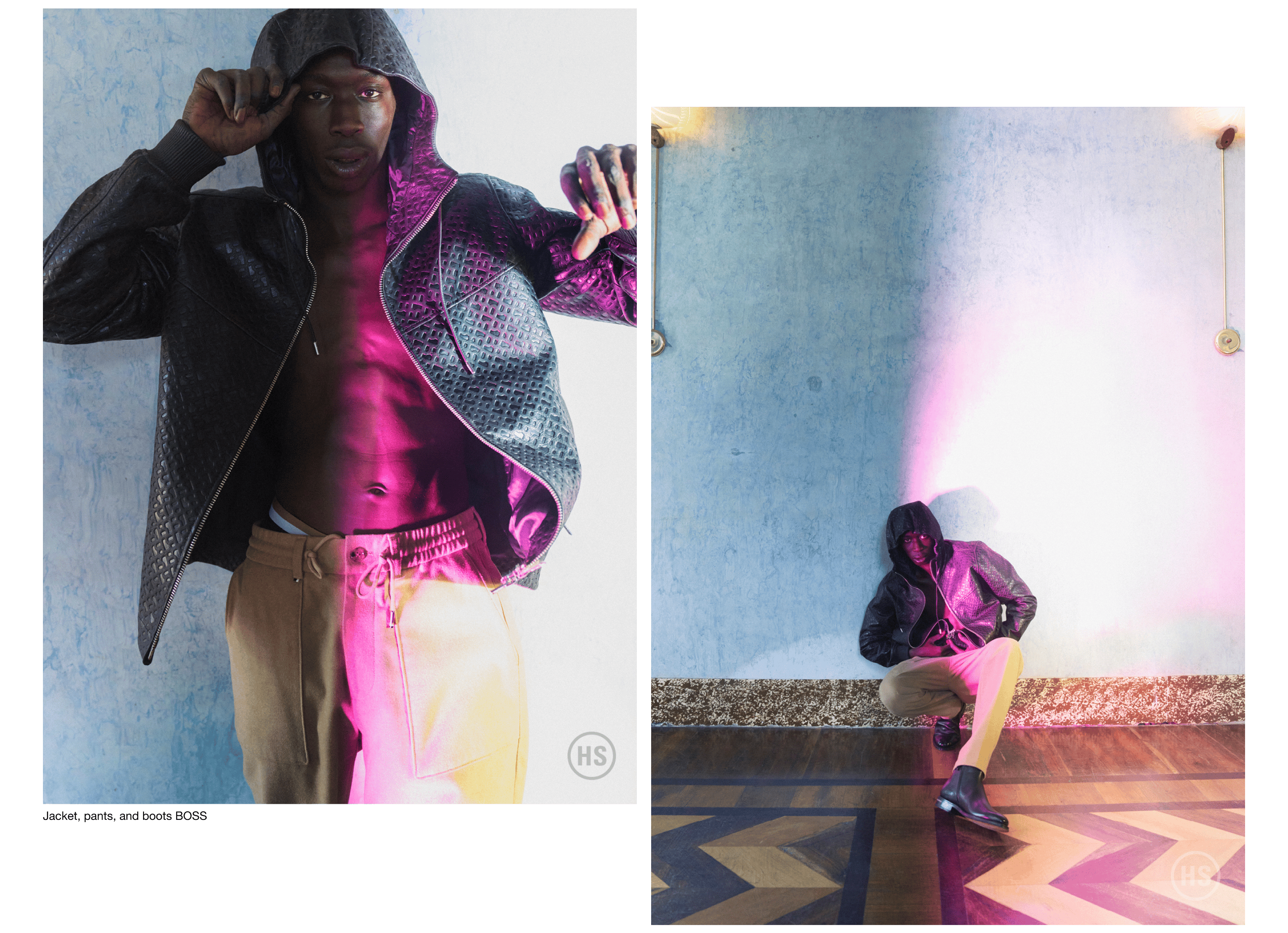
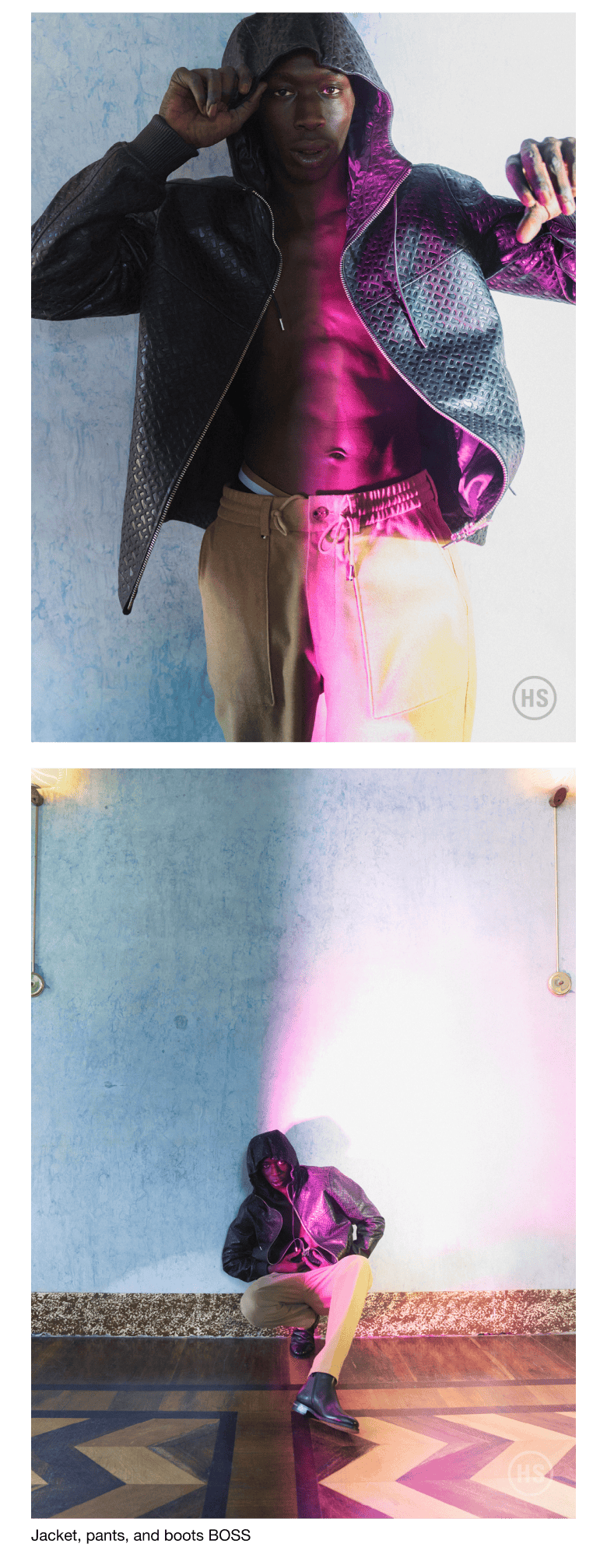
Naturally, I started posting like my life depended on it, learning as much as I could about trends, popular audios, and productive content styles, which led me down what I thought would be a comedy loophole. I felt like my content was hilarious, but I had no success whatsoever (I quite literally cringe when I look back on it now). Luke, on the other hand, posted exclusively about his 2012 Honda Odyssey minivan and its unexpected capabilities (yes, you can play Wii on the rear entertainment system). Two of his videos received over 2 million views in close succession, making him the undisputed winner.
Although I had to shell out for that Chick-fil-A, Luke helped me understand the importance of having a unique niche. As a creator, this is probably the smartest thing you can do — people are looking for consistency and something that sets you apart. TikTok creators like Ethan the License Plate Guy and Manna Wang have gained hundreds of thousands of followers just by talking exclusively about rare license plates or giving aggressive, somewhat jarring lessons in Chinese, respectively.
Once I abandoned comedy and began to consistently post fashion-focused educational videos, I finally started to gain traction on my own page. Users were much more likely to follow me and tune in for future uploads. Now, I have over 260,000 followers.
My videos perform well enough, but around 75 percent of my followers are from the US and most of my content revolves around relatively complex analysis in rapid English, so there’s an inherent cap to its reach.
Lame, on the other hand — and in a move that would change everything for him — figured out how to transcend the language barrier and launch himself into the global spotlight.
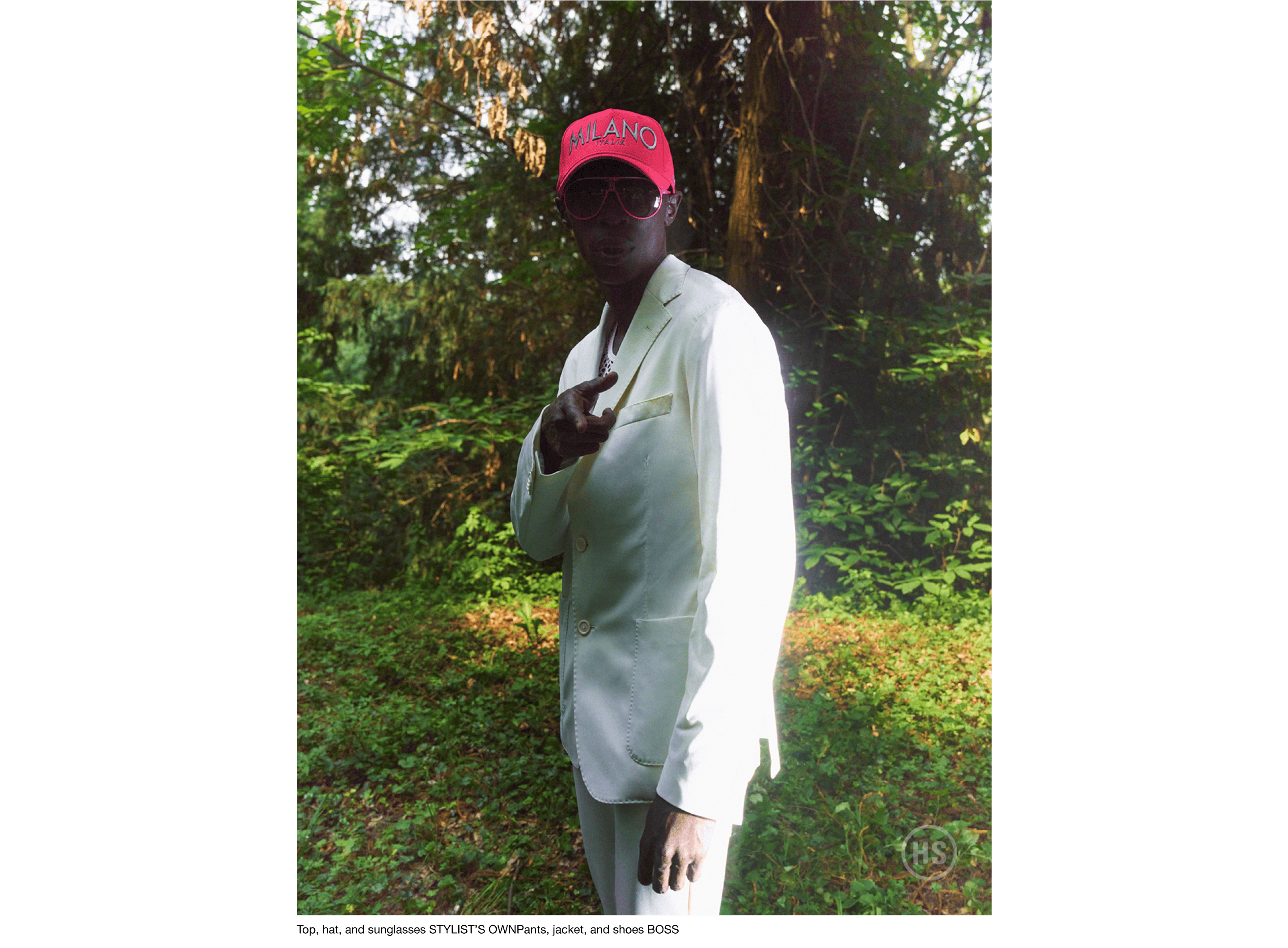
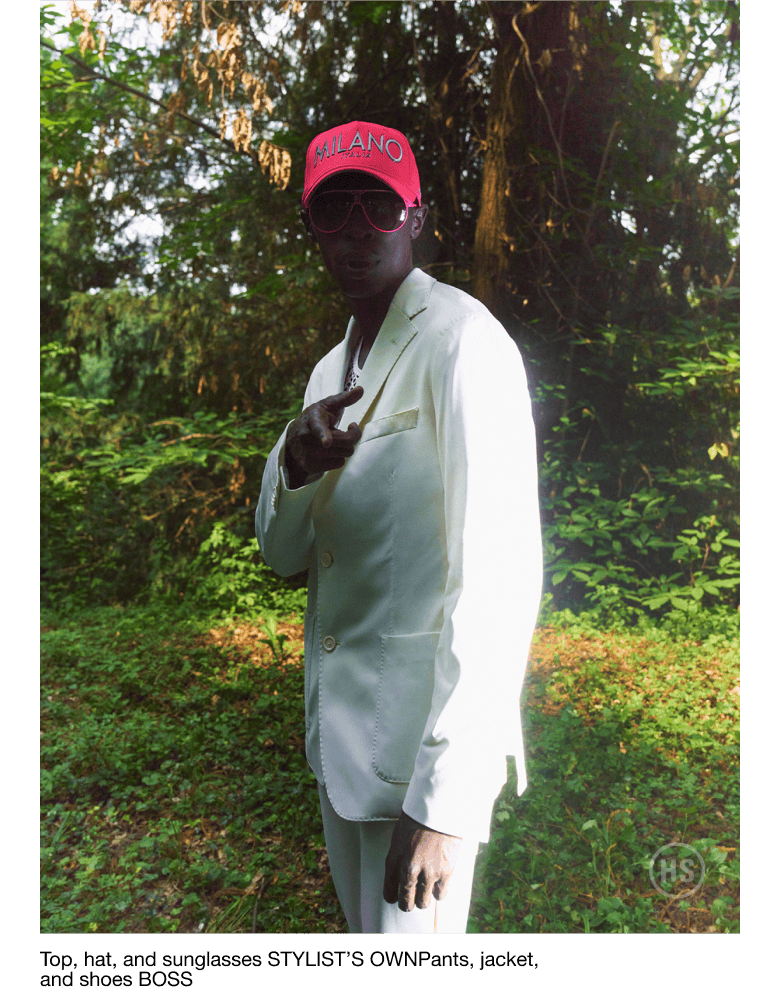
Lame’s first truly viral hit was uploaded in April of 2021. It begins with a man recording a tutorial on how to “easily” peel a banana; but instead of simply removing the peel as nature intended, he places it onto a cutting board and meticulously dissects it with a cleaver like it’s some sort of animal. Enter Khaby: He glances at a banana that sits before him and calmly peels back its skin. He then gestures at the fruit, indignantly, and slowly shakes his head with disappointment before ending the video. It now has over 275 million views and nearly 40 million likes. “The funniest part of my content is the silence,” Lame tells me via text interview, translated from Italian into English. “Silent comedy speaks a language that everybody in the world can understand.”
Thanks to the humor of his signature “move,” the hand gesture, Lame says this banana peeling video was “the first video that made a great buzz.” At this point, he had a pretty solid idea of what would get millions of views. The journey from aspiring influencer to internationally recognized media celebrity is not an easy one, however, and Lame’s origins are more humble than you might expect.
Khaby, born Khabane Serigne Lame in Senegal, had a hard time in school, where he struggled with dyslexia. Just before Covid-19 ferociously swept through Italy in the early months of 2020, the then-19-year-old was earning a modest $1,000 a month, living in public housing while working as a bricklayer and dishwasher in Chivasso, a township roughly 12 miles northeast of Turin. By March, he had lost both of his jobs as a direct result of Italy’s strict country-wide lockdown, and he retreated to his parents’ apartment, searching for a new direction.

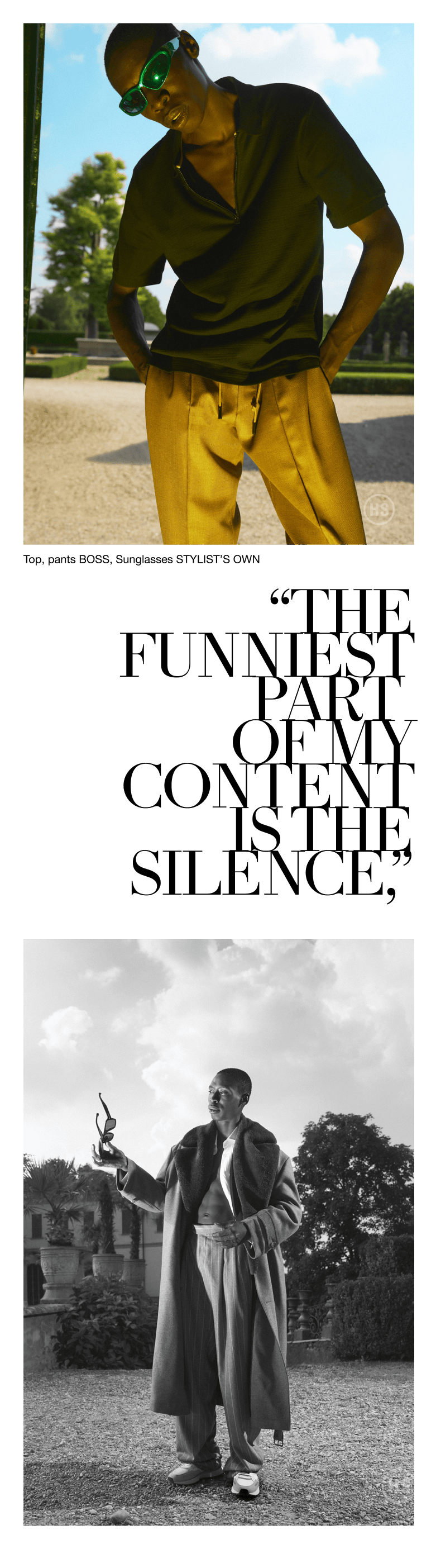
Instead of a job, like his father hoped, he made the life-altering decision to open the app store on his cellphone and hit the “download” button next to TikTok. “Everything changed when I subscribed to TikTok,” he tells me. “I immediately perceived that [it] was the right platform for me. A social media platform for creating [and] sharing, but at the same time discovering and learning.”
Although TikTok has evolved into an educational internet powerhouse, its roots are in trending audios, musical challenges, and amateur choreography, so it should come as no surprise that Lame’s story also begins with dancing. He was no Charli D’Amelio, though — his first couple of uploads are laggy, use cheesy in-app effects, and were obviously recorded in a bathroom. Initially, they didn’t generate much of a user response at all, and his first month on TikTok yielded a grand total of nine views and two new followers. This didn’t bother him much, though: “I didn’t start this career with the intention of becoming rich or famous,” he says. “I have just followed my heart and vision.”
His earliest videos align with some of the most popular audios of the time, like KRYPTO9095’s viral song “Woah.” They remind me a lot of what I was posting three years ago to explore the algorithm (it’s all been archived, so don’t go looking) and this is exactly what Lame was doing, too. “At first, I used to make fun of myself in my videos,” he says about his early days. “Then, I experimented with different formats, all ironic, taking inspiration from real life.”
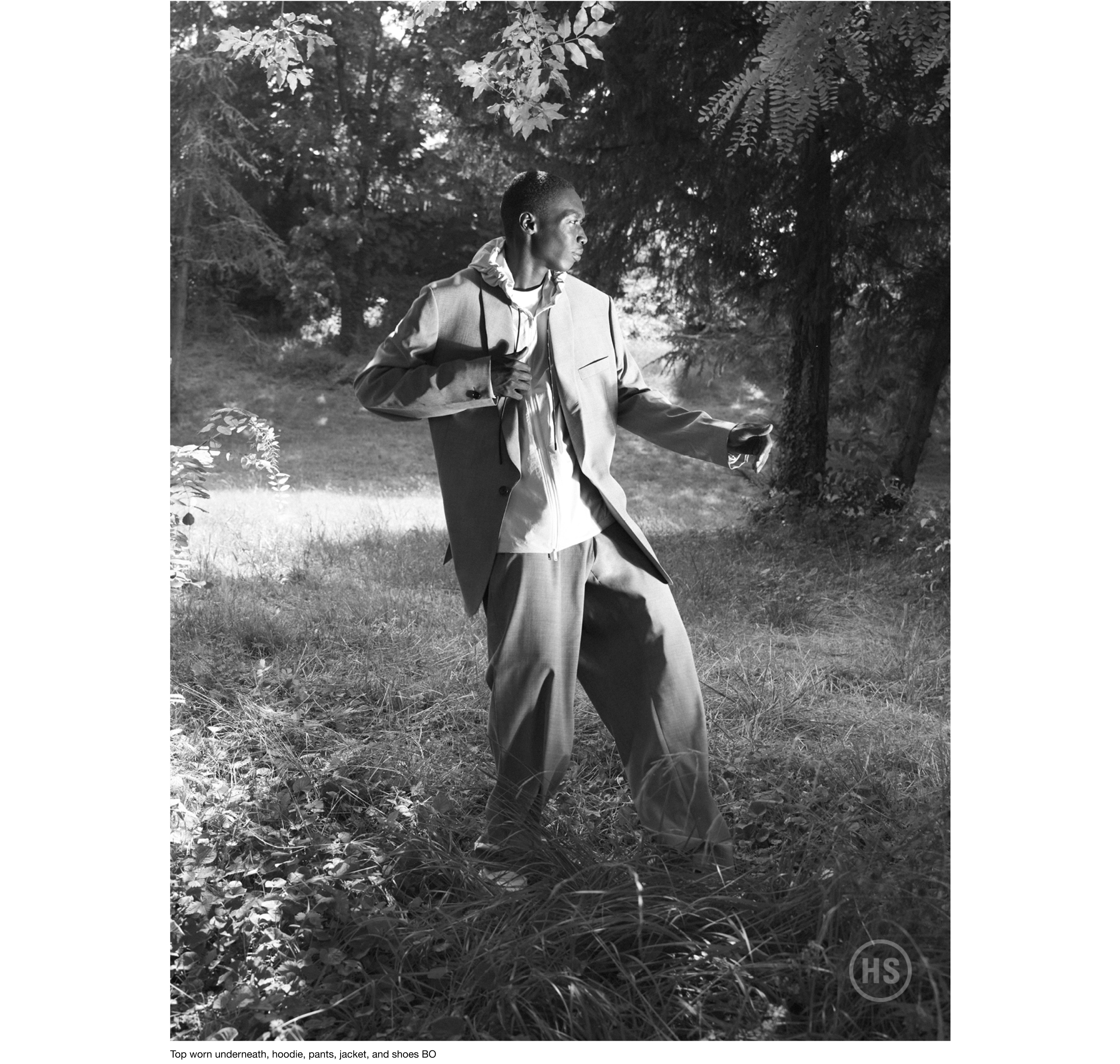
Lame admits that, back then, he “used to spend at least three hours [a day] surfing the net, looking for the right content to create.” Eventually, despite the low numbers and minimal impact, he decided to dedicate his account to a single theme, comedy, which quickly earned him a loyal Italian-speaking fanbase. The videos themselves are reminiscent of what Marco Borghi, better known as Poloboy, was posting around the same time in the US: text-based skits that revolve around overlaid audio.
I don’t speak Italian, so I don’t really know what’s going on in Lame’s early videos, but I can tell that it’s funny. His comment sections are full of fans dropping the crying laughing emoji and other supportive messages. “Tiktoker sottovalutato, uno dei migliori e divertente qua in Italia,” wrote one fan, which roughly translates to “underrated tiktoker, one of the best and funniest here in Italy.” A handful of other users replied to this comment with reinforcing statements like “in effetti,” in fact, and “il più divertente,” the funniest.
On May 31, 2020, only 77 days after he made his first upload, Lame posted a video to celebrate reaching 100,000 followers (a feat it took me 13 months to achieve). It only took him five more months to gain an additional 500,000.
While it was easy for him to connect with an Italian audience, for others, myself included, his content didn’t quite resonate. I recall seeing his videos on my For You Page for the first time in early 2021 and feeling out of the loop because I was unable to make out the message behind them.
It wasn’t until he made a major change to his content style that he was able to transcend influencer status and become an internationally recognized celebrity: He stopped speaking altogether.
Then came the Stitch, the hand gesture, the call from luxury fashion houses (he eventually decided on BOSS), the Oscars red carpet, and celebrity guest appearances.
“Today, thanks to my work, I can help my family and my lifelong friends,” he tells me. But none of this would be possible without his fans, and he makes sure to give them their flowers, too. “My fanbase is my family, and I wouldn’t be who I am today without them. They are not just numbers to me, they are real people with whom I have a relationship every day. They supported me from the very beginning. My life is completely changed.”

So, what is it about Lame? What warrants an Internet-shattering response every time he posts a video? His content is silent, after all, and all one needs to emulate it is their own body. In theory, anyone could upload an animated response to an existing nonsensical video and be met with a one-way ticket to fame, right?
Not quite. If there’s one thing you should know about the Internet, it’s that people are biased against copycats and clones. Lame is the blueprint for originality: He took silent comedy and satire and turned it into a mainstream brand before anyone else on TikTok. He also has an irreplaceable demeanor; the way he charismatically communicates his confusion or disappointment without saying a single word is unique, and his trademark reactions will always be associated with him.
Now that I think about it, I’ve never even seen anyone else on my For You Page trying to capitalize on the viral potential of Stitching unusual life hacks like Lame has. In my opinion, he’s my generation’s Charlie Chaplin, and he’s had so much success with it that he’s become untouchable. “We invented a new thing,” Lame says on the topic of his signature gesture. “People love my expressions, the way I make them laugh.”
Of course, he’s also stylish. “Fashion is a fundamental part of my work,” he says. “I love streetwear.”
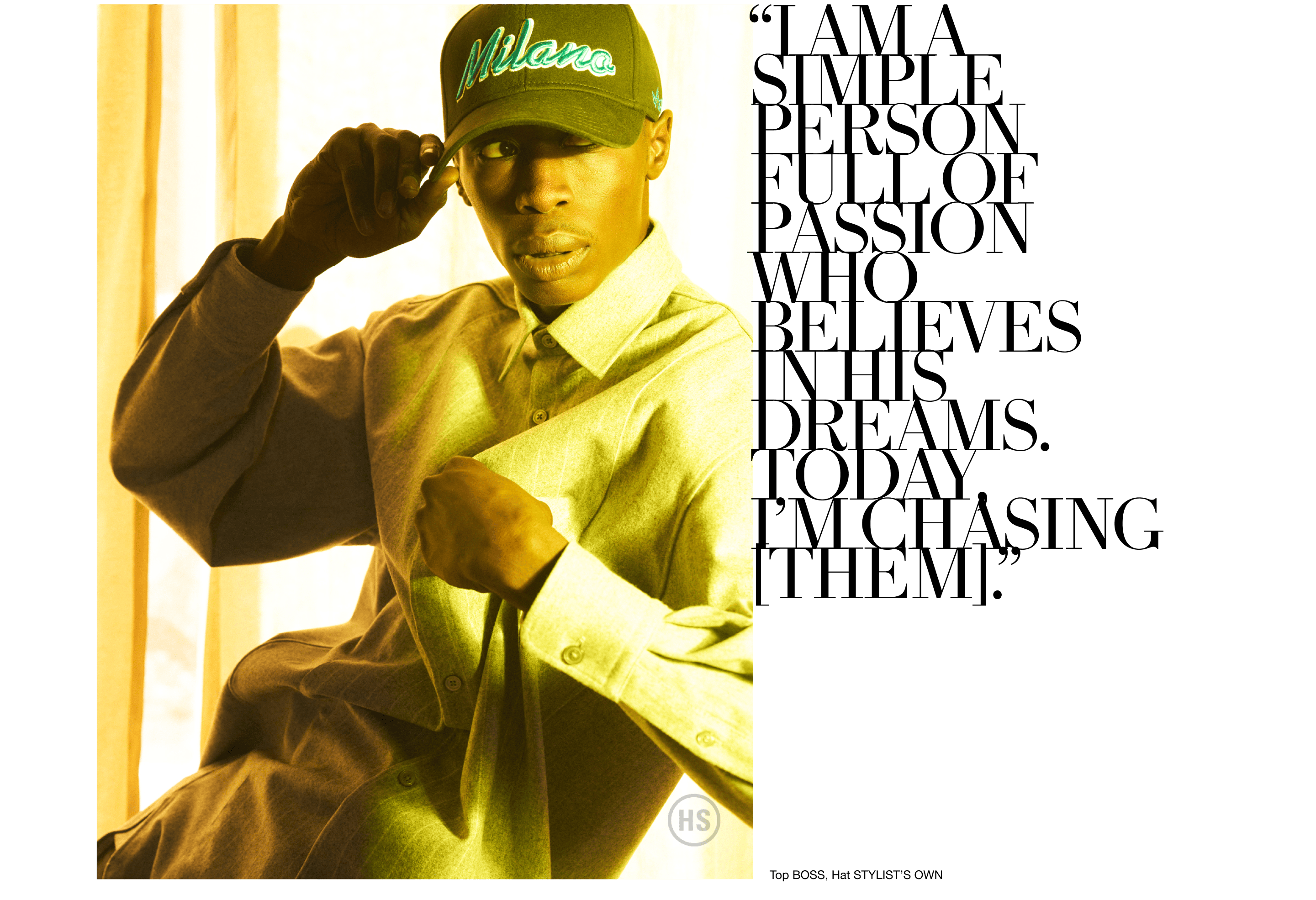
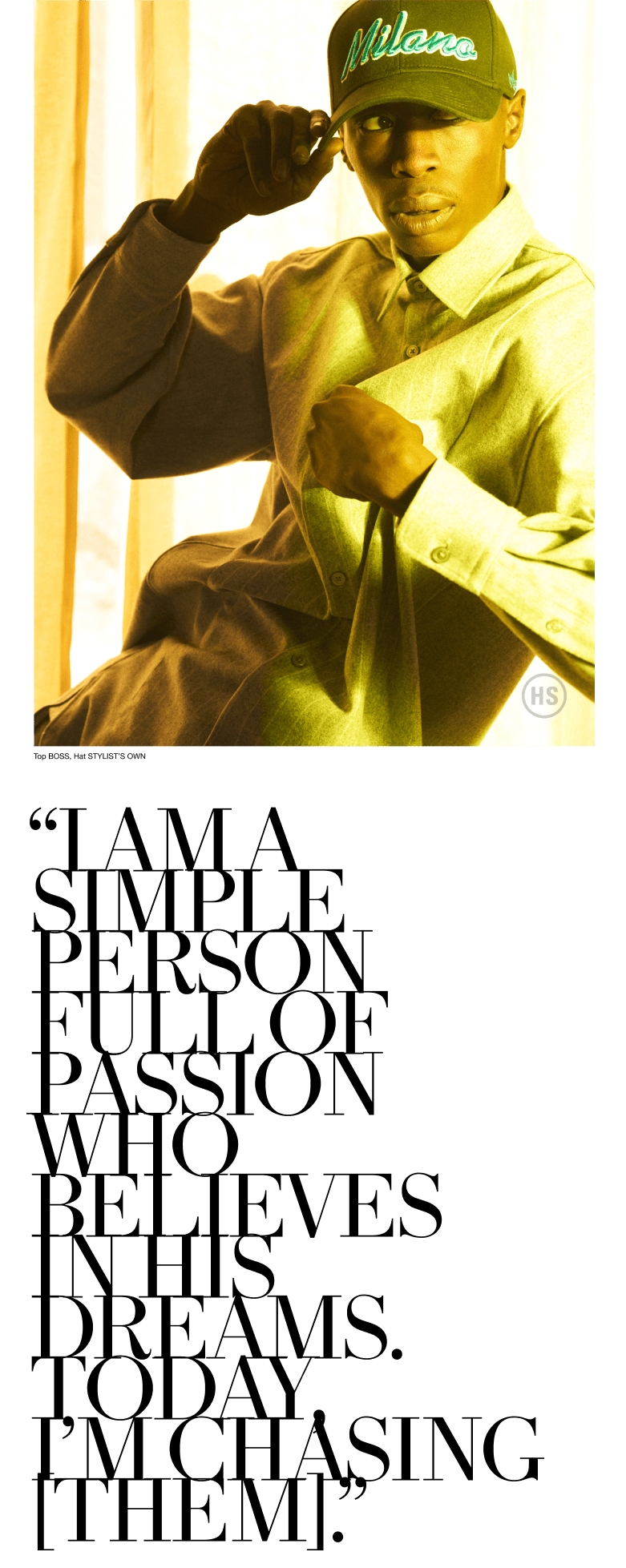
Yet another aspect of him and his unique appeal is his video production, which, through it all, remains down to earth — it looks like a lot of his content is shot on an iPhone. This gives it a certain relatability that other creators tend to lose as they climb the ranks of social media, investing unnecessarily large sums of money into expensive cameras, lighting, and editing software. Even though his videos now reveal an improved sense of artistic direction and better camera quality (we see more angles, locations, and thought-out concepts), his content feels as organic as it was three years ago, and this has helped him amass particularly loyal followers. “I am always myself, and I stay true to myself,” he tells me. Amazingly, this remains true even at 161 million followers. “I am a simple person full of passion who believes in his dreams. Today, I’m chasing [them].”
“The important thing is to always remain true to your identity and do what you love.”
Experience this story and others in the new issue of Highsnobiety Magazine, available from retailers around the world and our online store.
Our Online StoreCredits
By: Wesley Breed
Photographed by: Benjamin Lennox
Styled by: Sebastian Jean
Executive Producer: Tristan Rodriguez
Production: t • creative
Groomer: Luciano Chiarello
Production Coordinators: Mehow Podstawski and Zane Holley