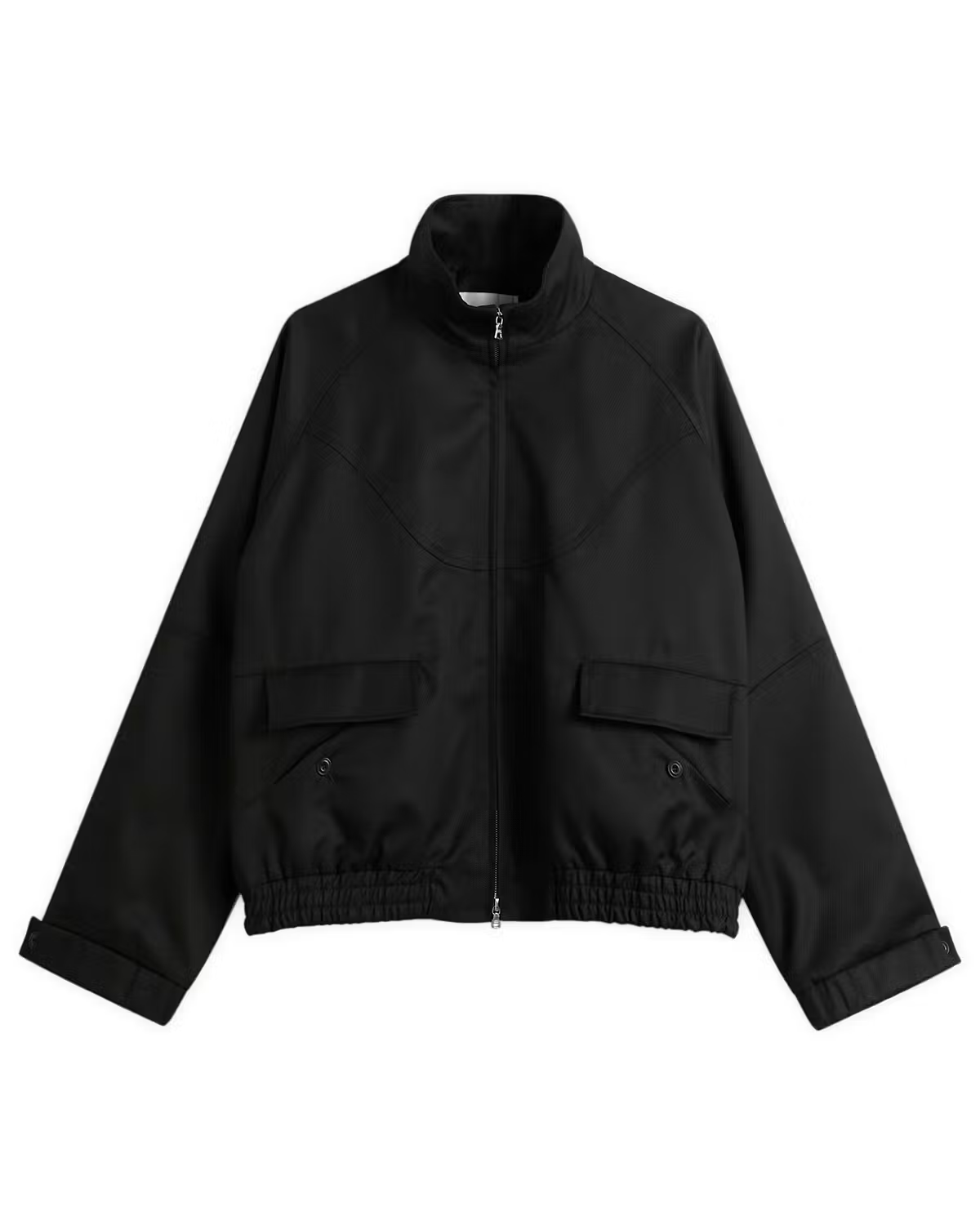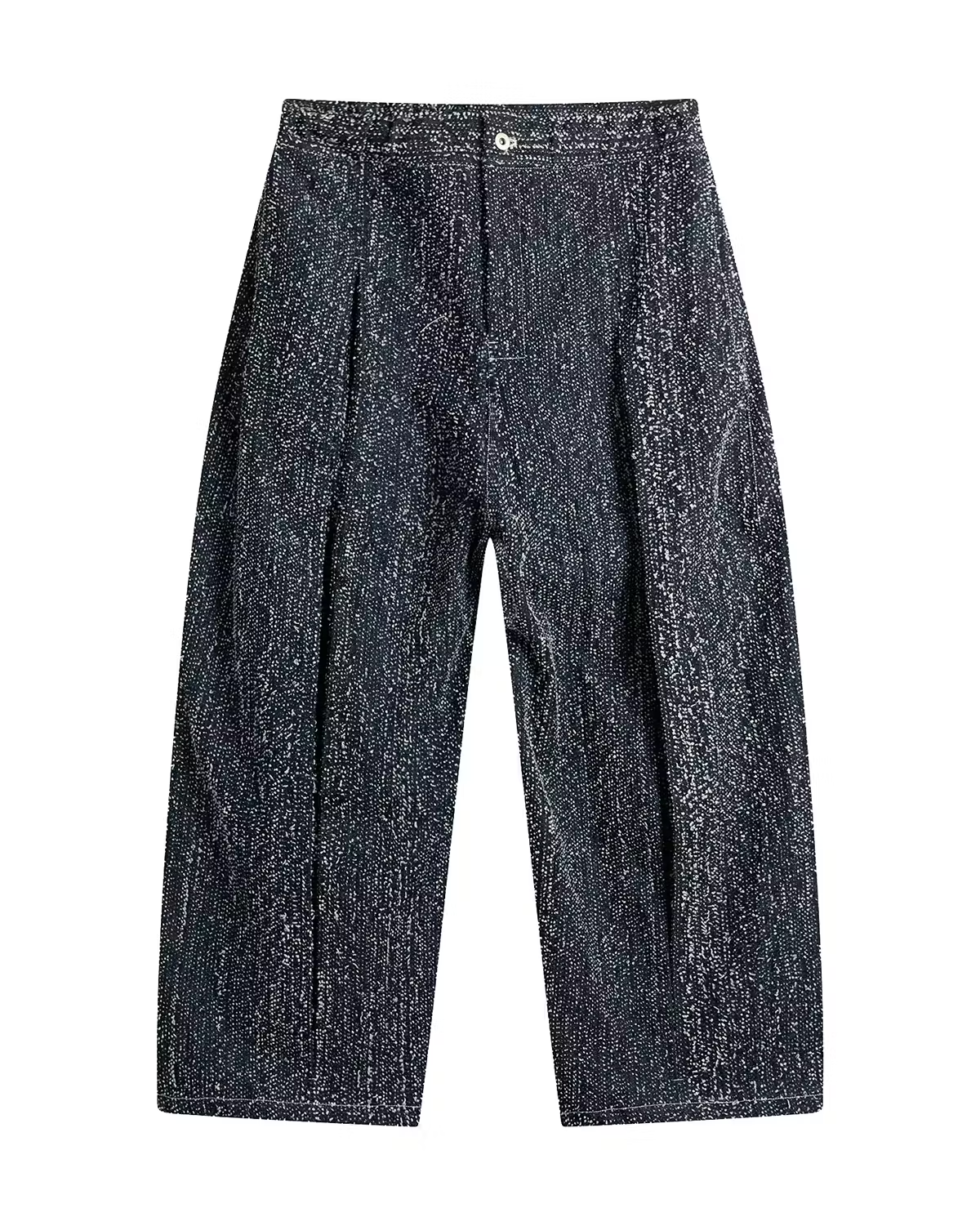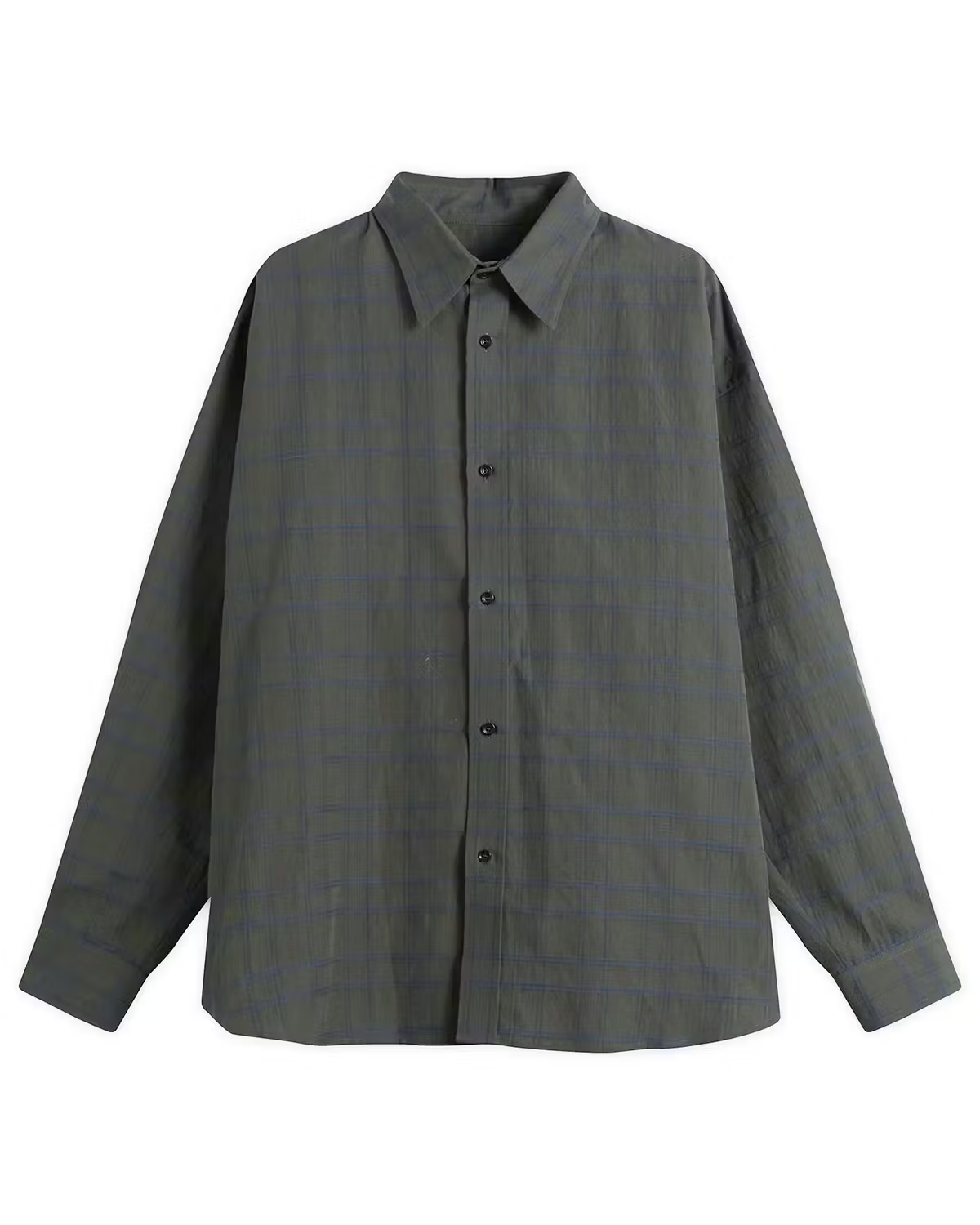
London is one of the world’s preeminent fashion capitals for a reason. It produced such legendary houses as Burberry and Vivienne Westwood. It’s home to some of the most exciting designers working today, including Martine Rose, Grace Wales Bonner, Margaret Howell, and Kiko Kostadinov. With Savile Row, it’s one of the most important hubs for tailoring on the planet.
But where it once may have been all suits, ties, and sensible shoes, it’s now hard to characterize a London aesthetic. The city’s fashion scene is a reflection of the British capital’s diverse population and cultures. On one side, there’s the more traditional fashion industry, which builds on the work done at local institutions such as Central Saint Martins and the Royal College of Art. On the other, there’s something looser and more countercultural, from the thriving skateboarding culture that led to the rise of Palace to more music scenes than you could count, each one a hotbed for creativity. The fact that there isn’t a single “London look” is exactly what makes the city’s fashion so exciting.
A new generation of British clothing brands and designers reflects this disparity. Some are leading a streetwear revival; others are exploring sustainable fabrics and local materials or reinvigorating the city’s tailoring legacy. These 12 brands are some of the best in town.
Courtesy of Sono
Sono
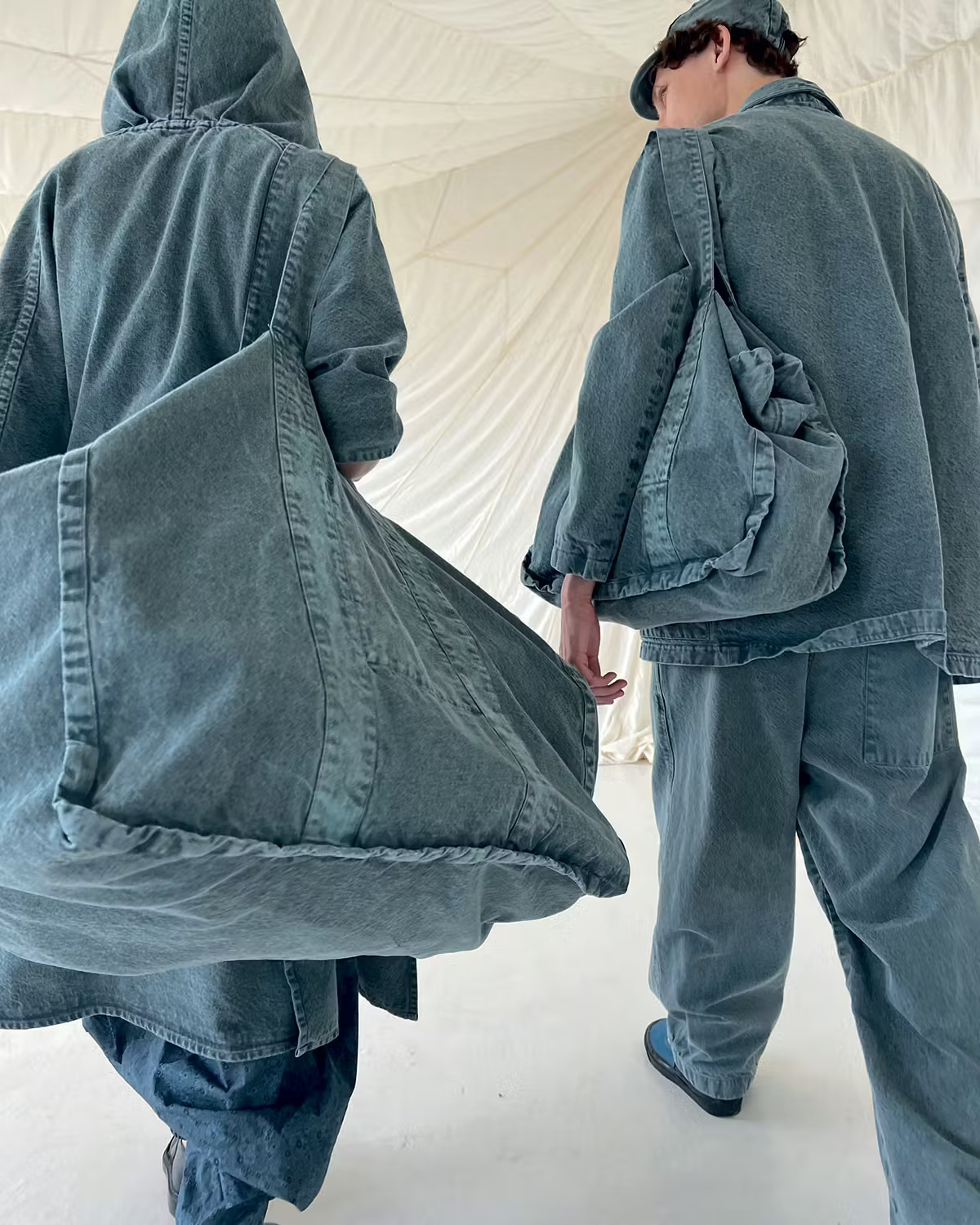
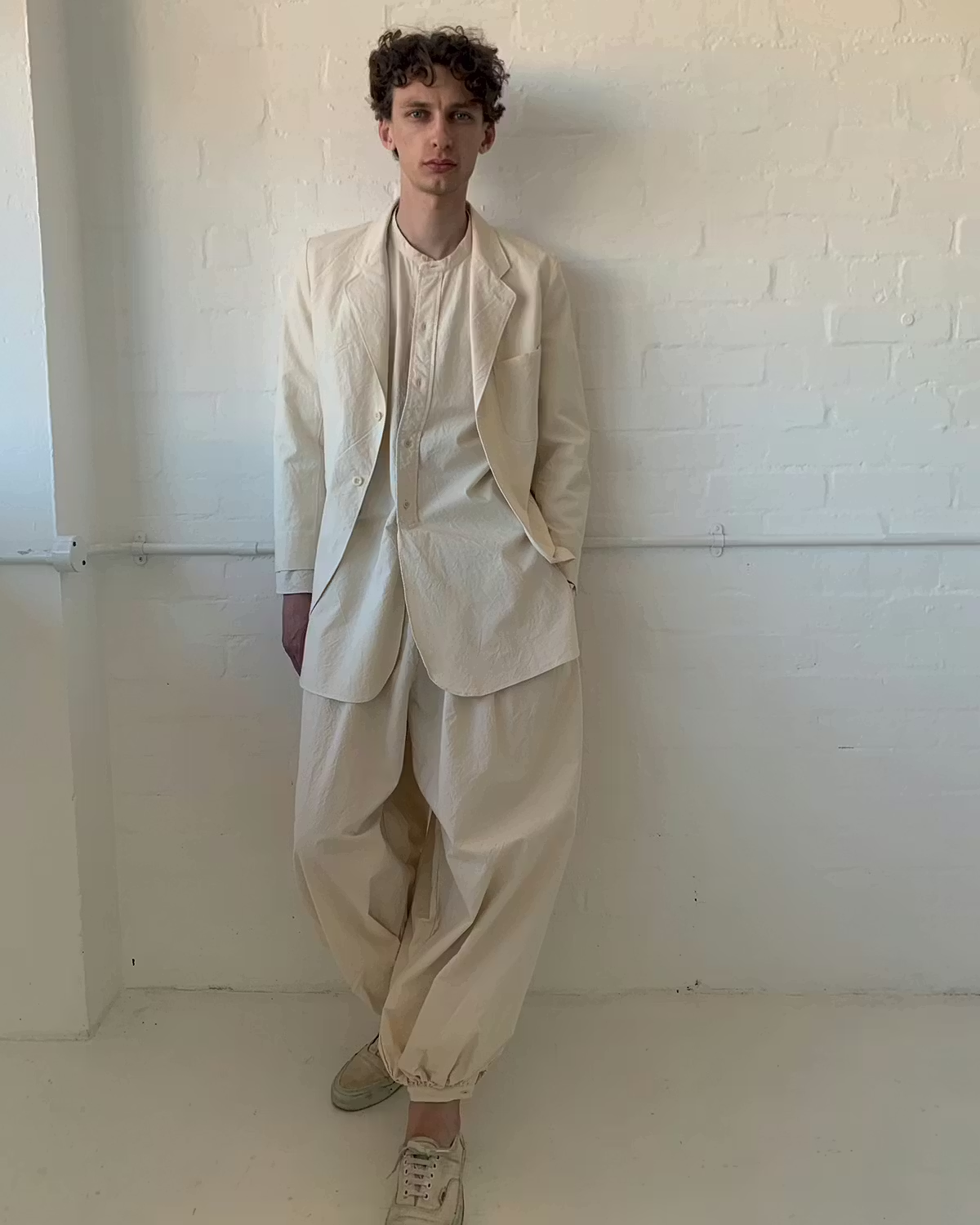
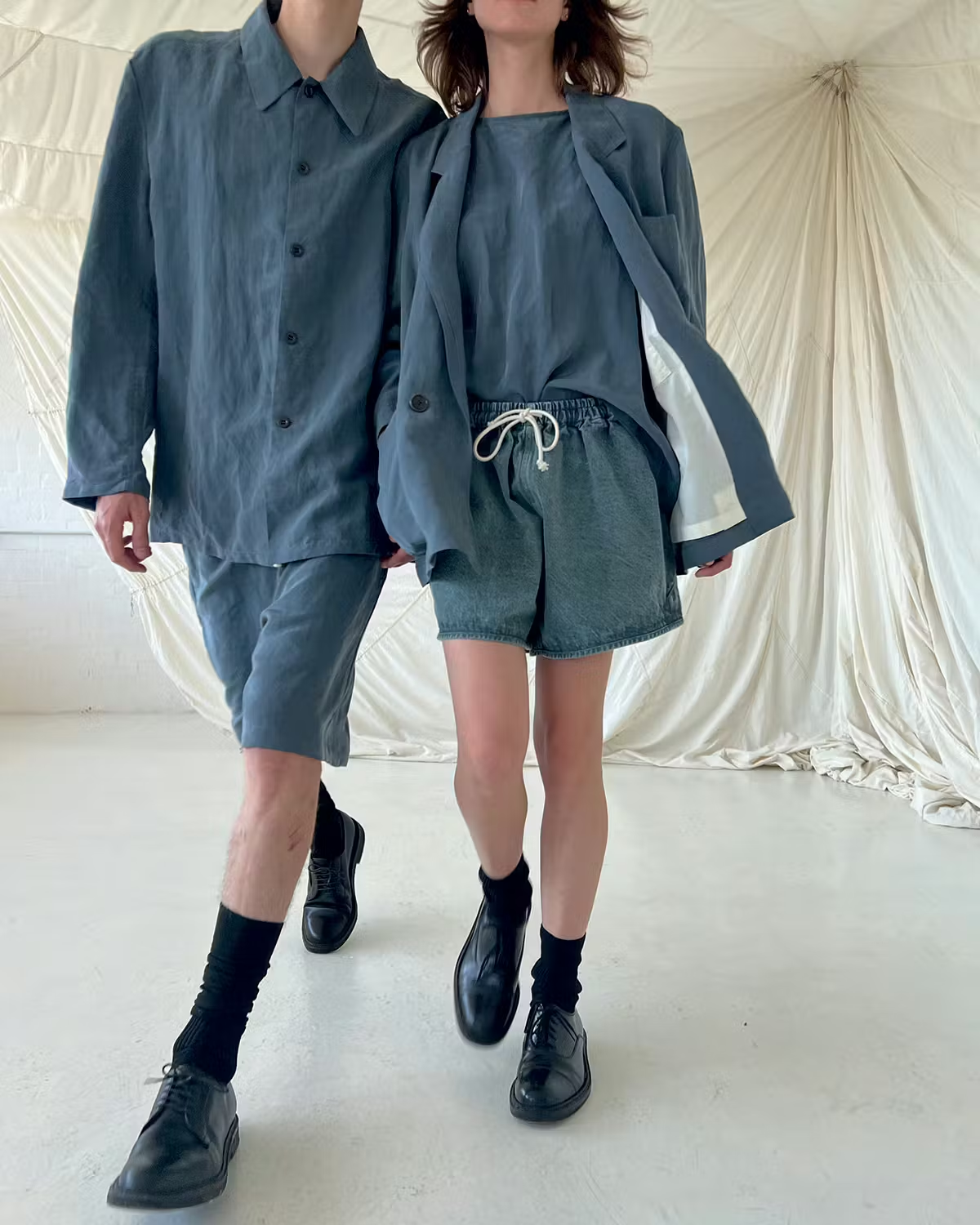
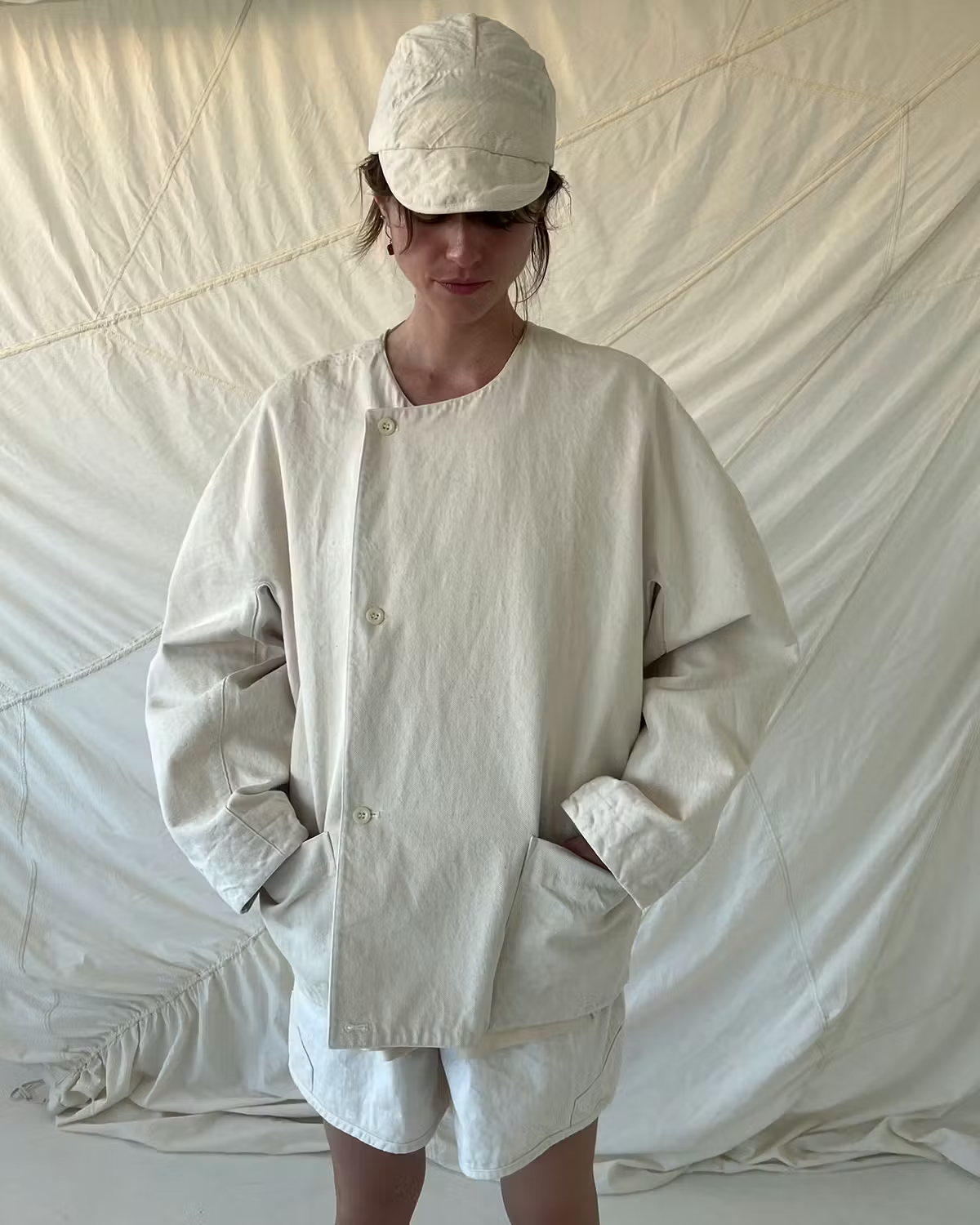
Stephanie Oberg and Simon Homes wanted a more sustainable future for luxury fashion. When they began working together, they put this philosophy at the core of everything Sono does. That means supporting organic agriculture, respecting the people they work with, avoiding plastics and petroleum-based materials, and creating clothes that will last “for decades instead of seasons,” as their website says. This approach comes through in natural cotton T-shirts, chunky wool knits, bomber jackets, and oversized blazers of recycled wool, all in Sono’s color palette of slate greys, earthy browns, and dune whites.
Corteiz
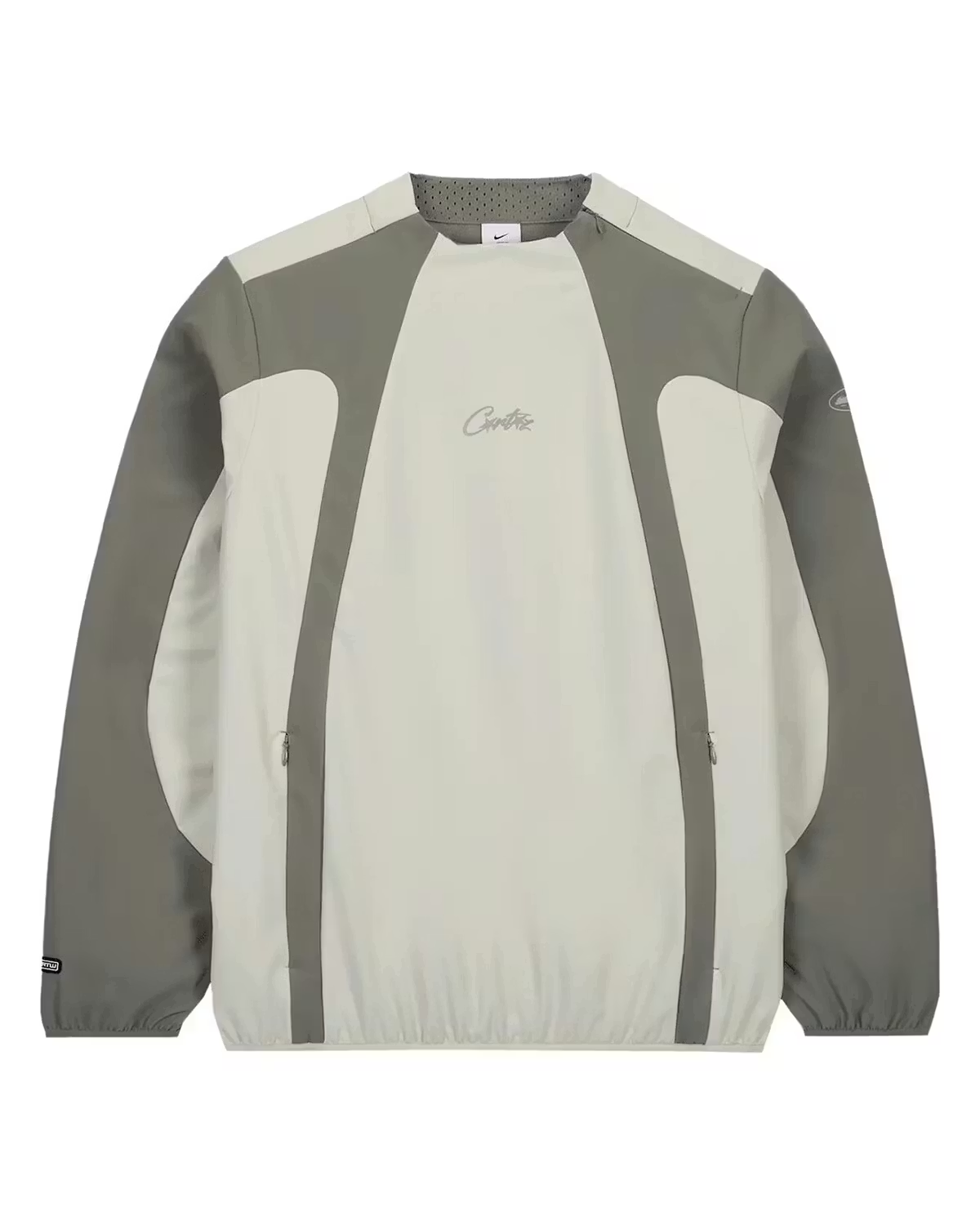
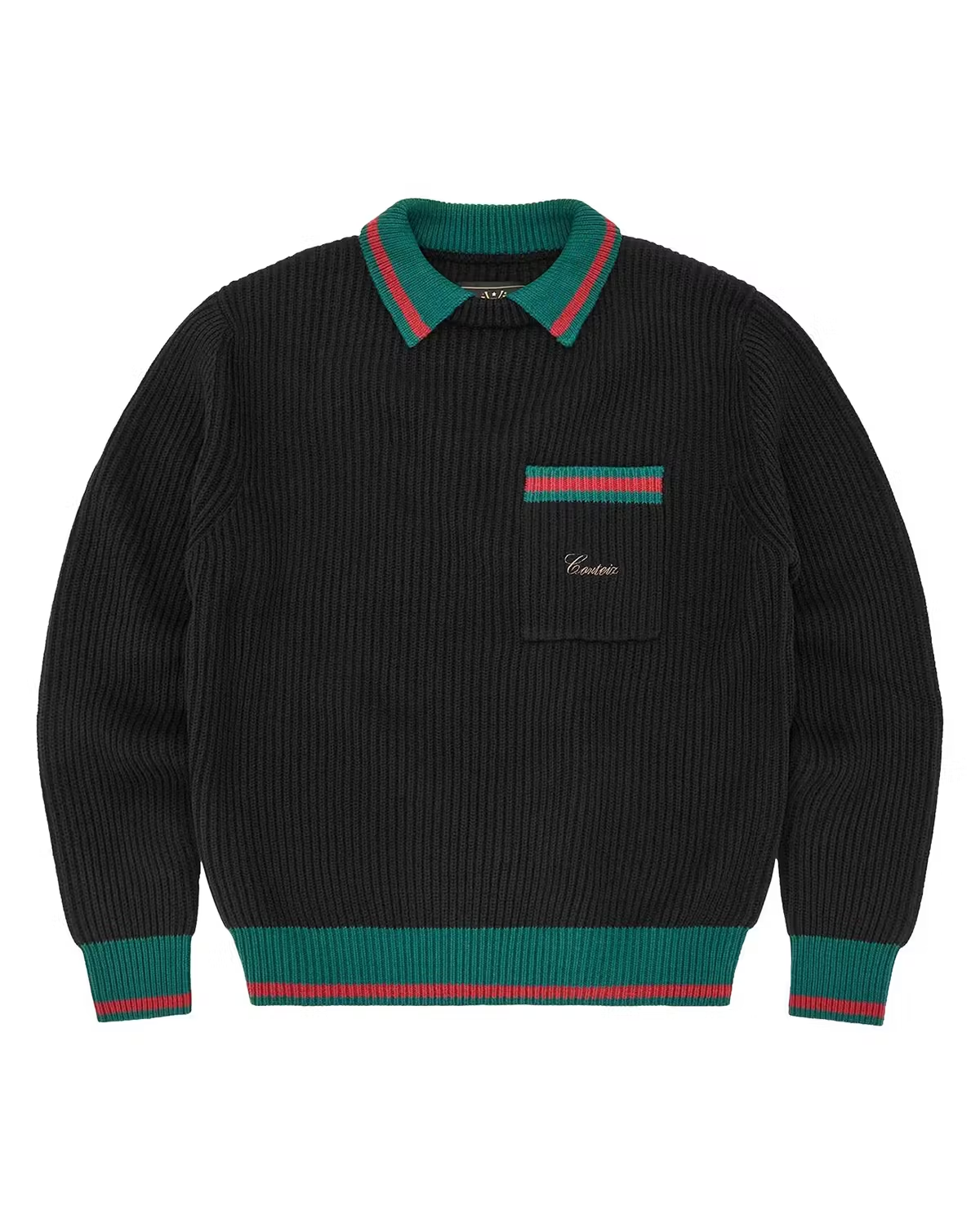
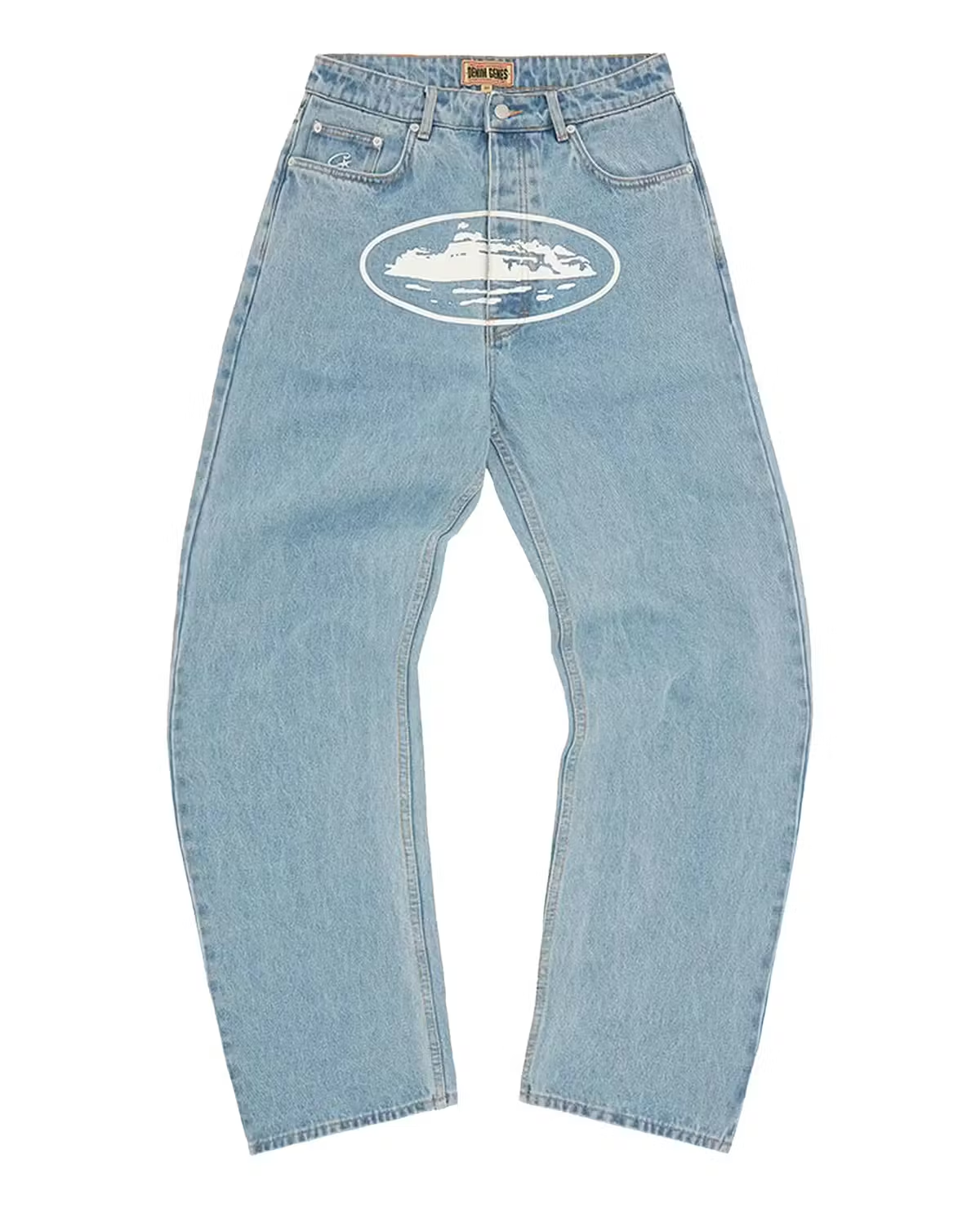
If we’re talking about the next generation of London streetwear, we have to mention Corteiz. Founded in 2017 by Clint Ogbenna, the brand is instantly recognizable, with its Alcatraz-inspired logo popping up everywhere across the British capital. Corteiz initially turned heads with guerilla marketing tactics that included in-person exchanges where fans traded in coats or jeans (even from competitors!) for new Corteiz creations. By 2023, Corteiz was living up to its “Rule the World” mantra by working with Nike on a blockbuster Air Max 95 and releasing a string of T-shirts alongside Supreme.
Courtesy of Conkers
Conkers
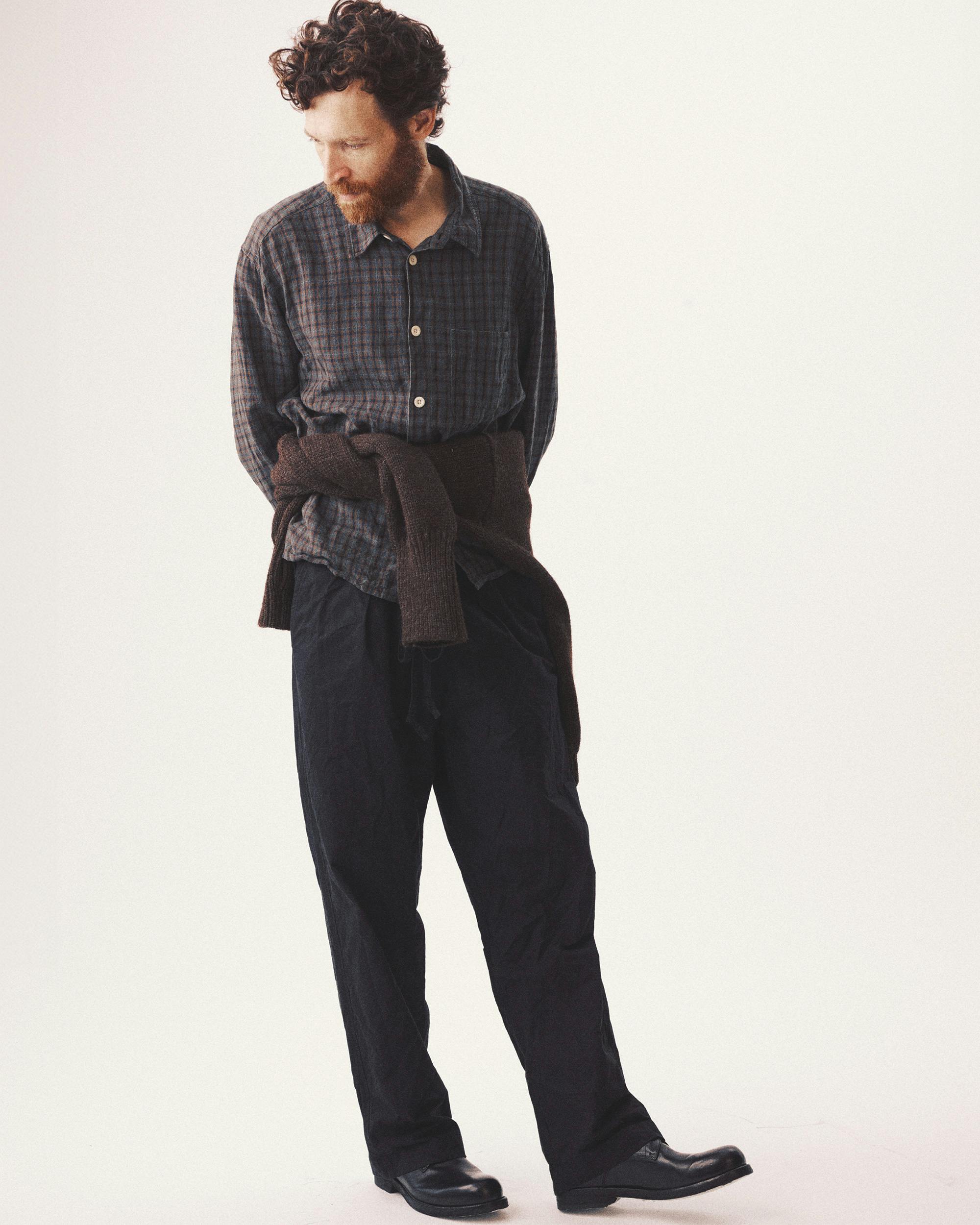
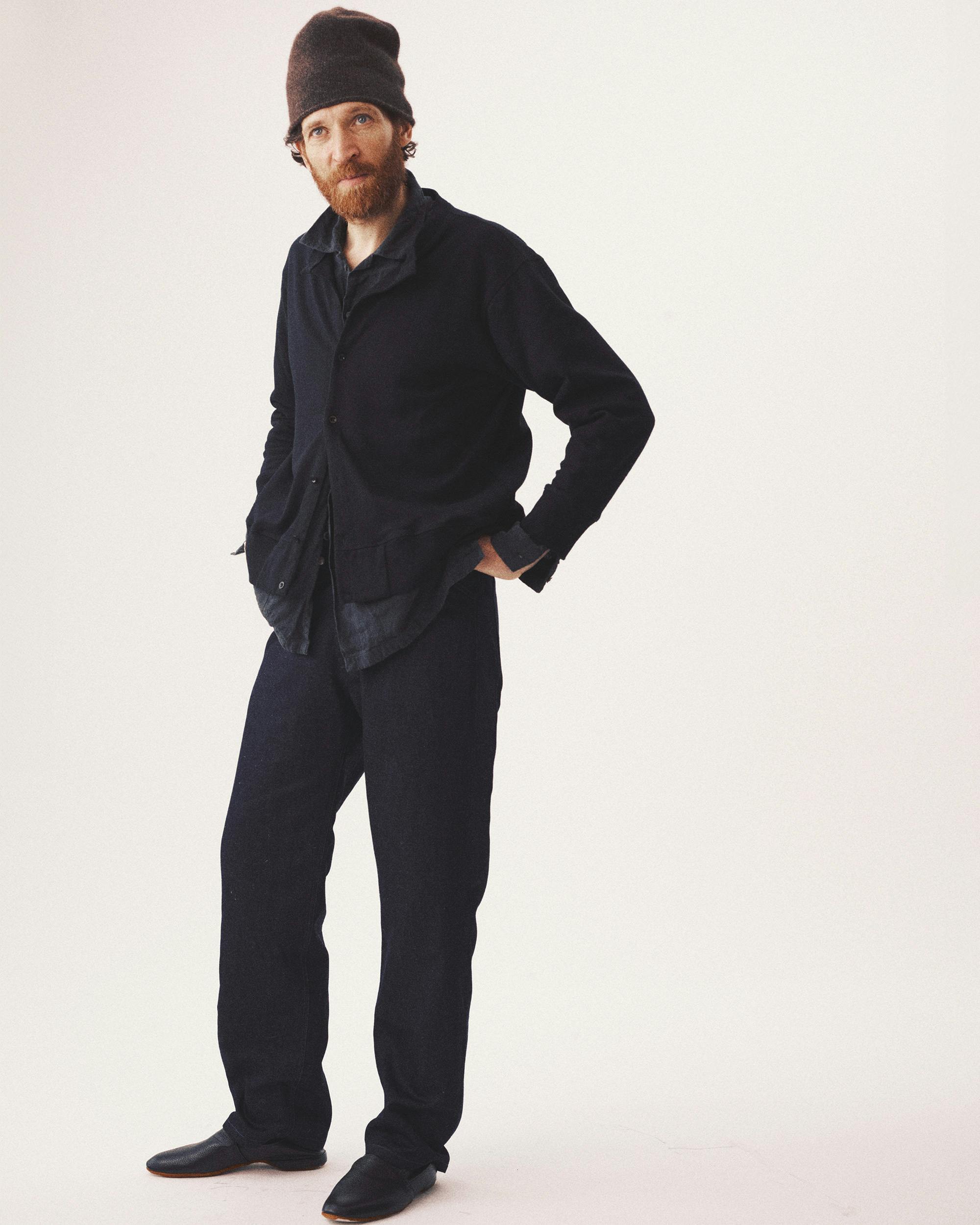
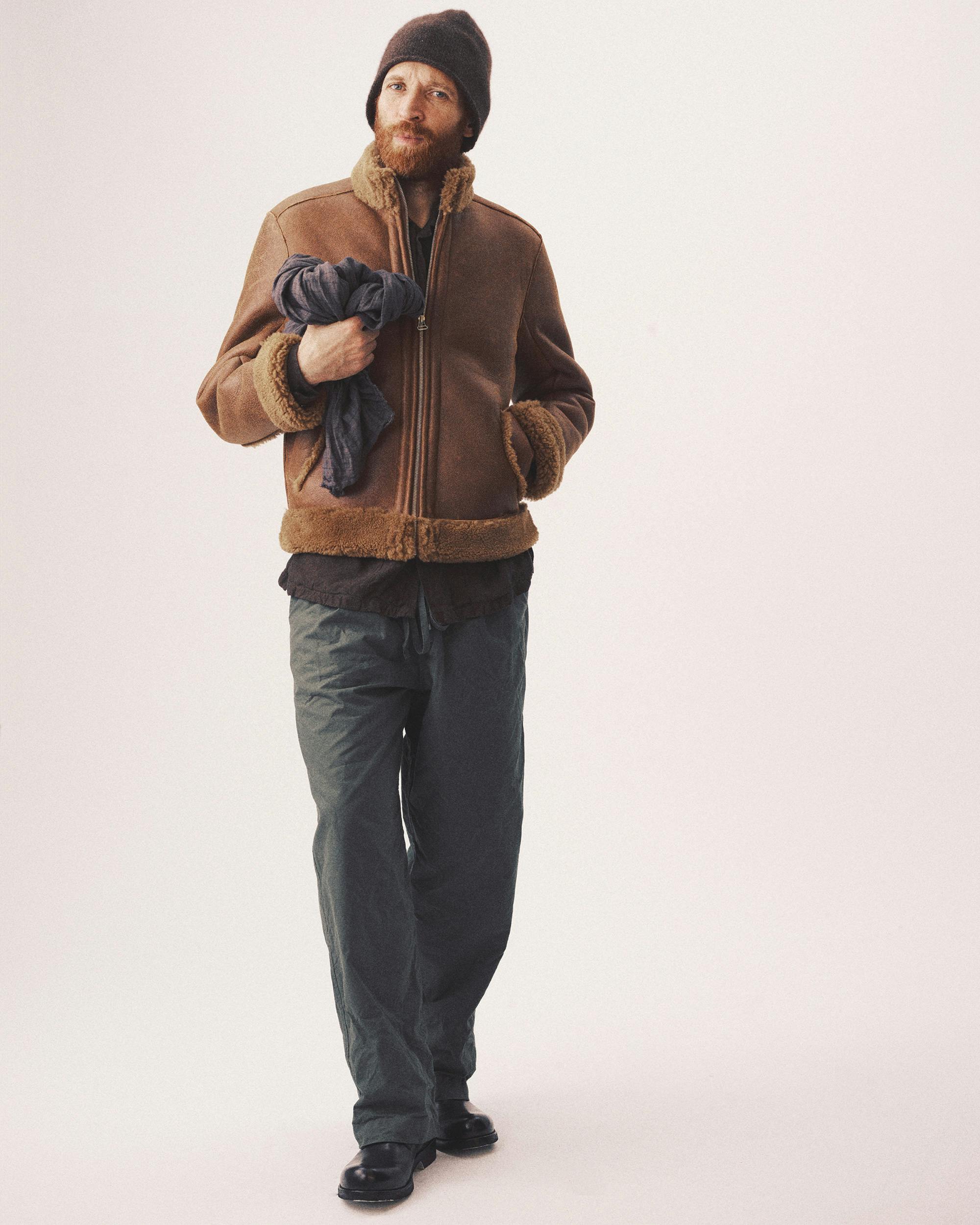
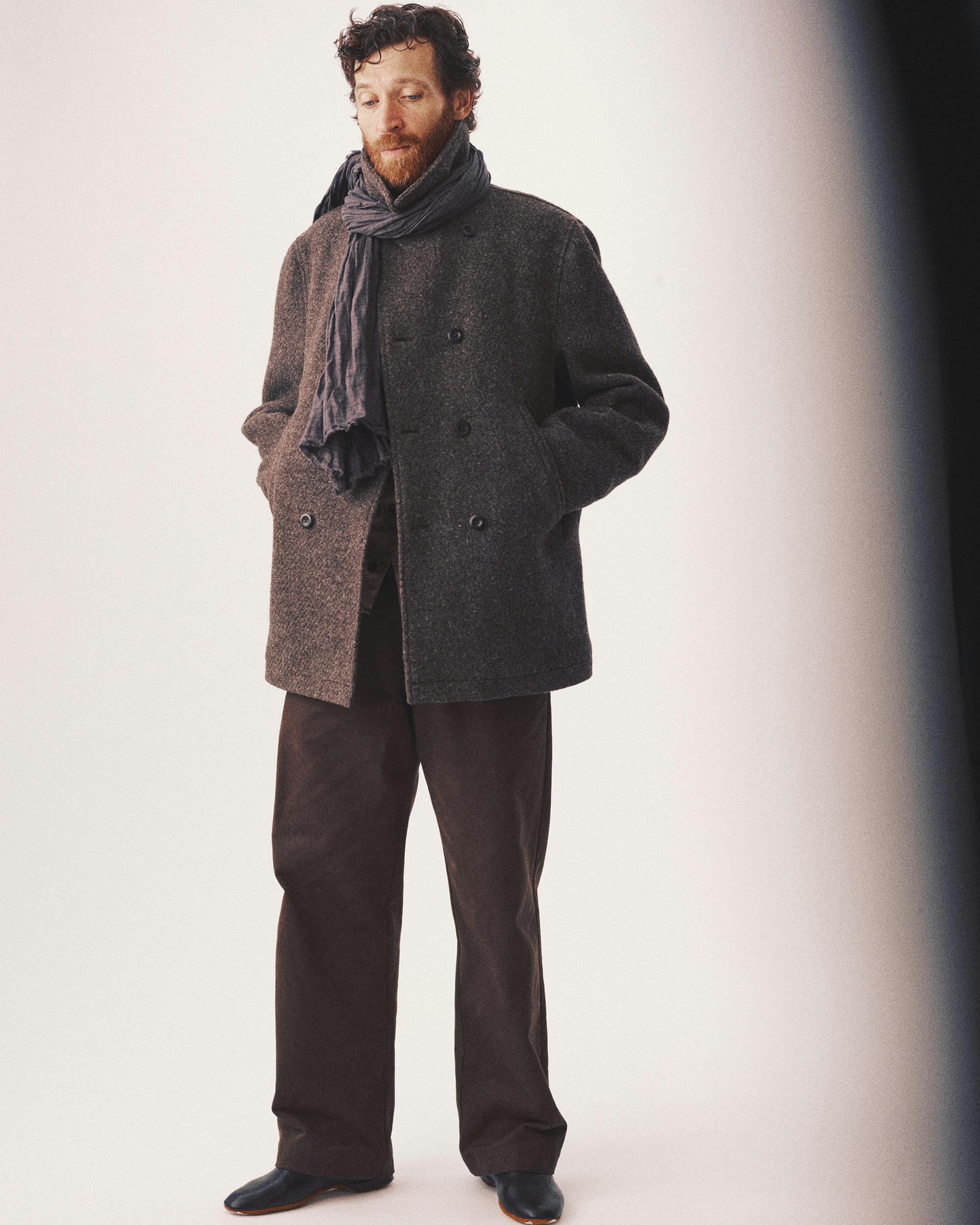
Conkers takes inspiration straight from the British countryside. The label’s clothes are produced by heritage makers of fabrics that range from ramie — a silk-like material made from stinging nettles — to casein, a milk protein used to make buttons. Conkers’ designs draw on the characters that founder Oliver Warner remembers from his rural upbringing. There are shirts named after farmers and millers, relaxed suits designed for gardening, and bags based on those used by village postal workers. “It’s not posh men on horseback going foxhunting,” Warner told me last year. “The real people are grandparents pottering about in the garden wearing clogs and an old jacket with holes in. It’s just genuine clothes from genuine people.”
Courtesy of Cecile Tulkens
Cecile Tulkens
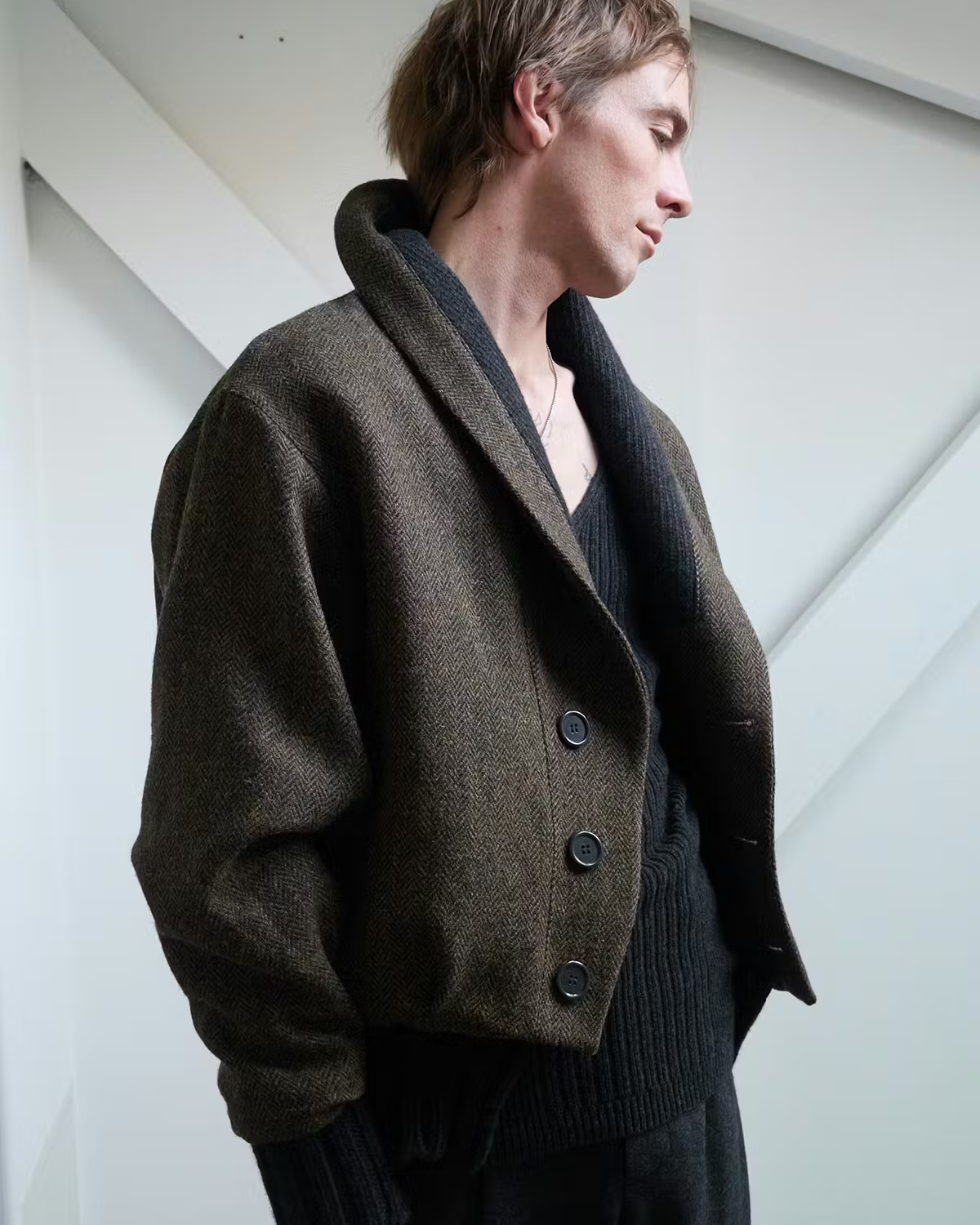
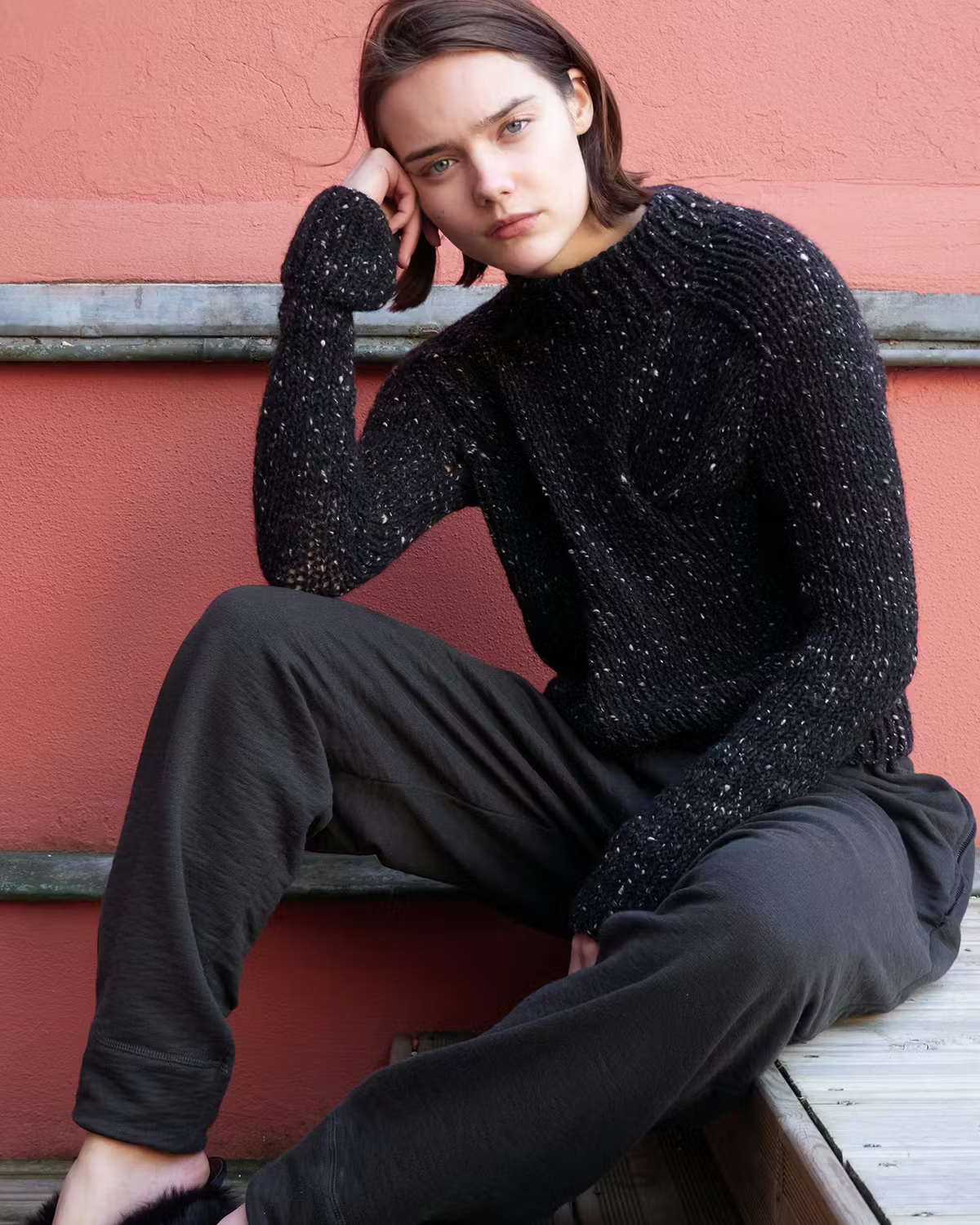
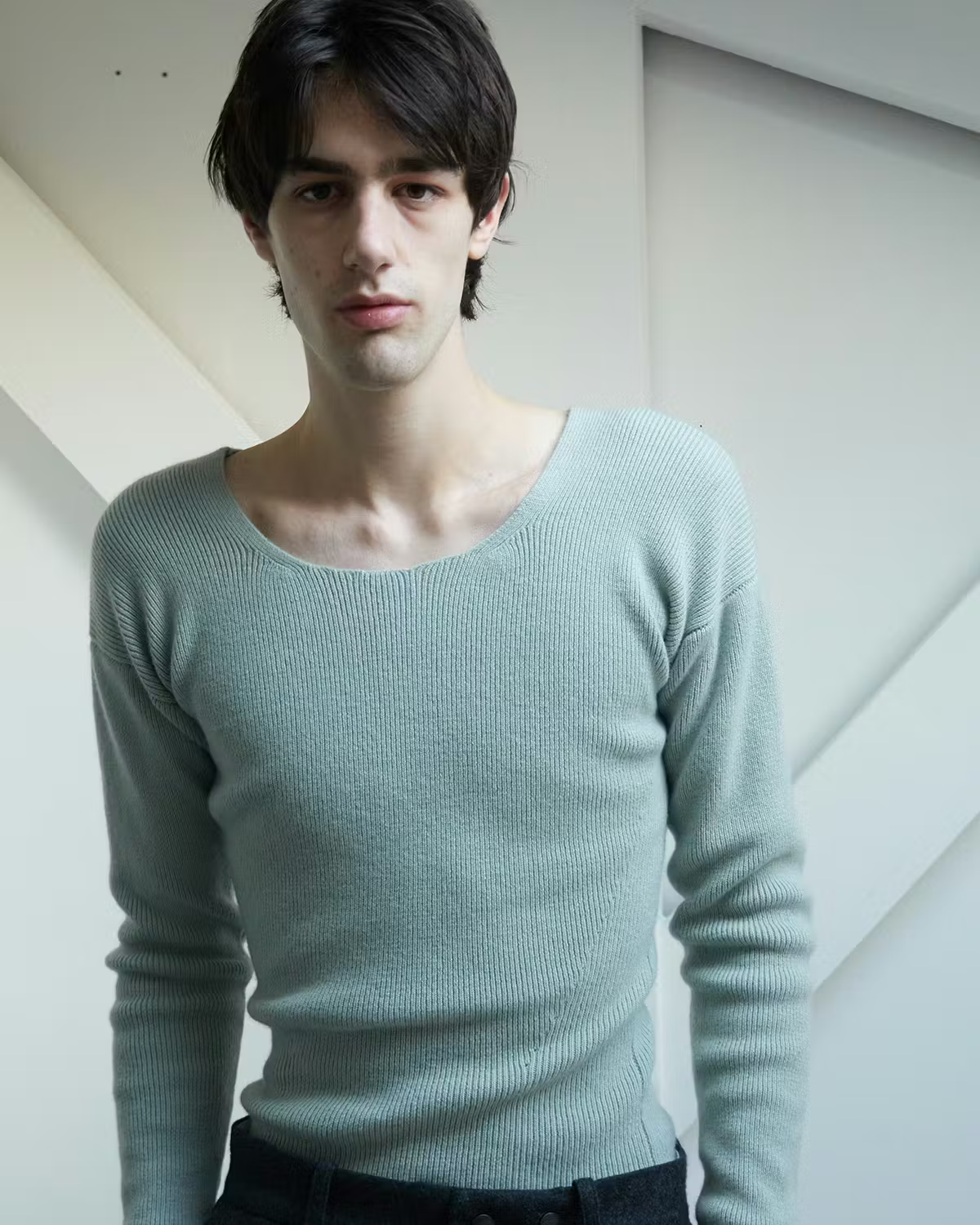
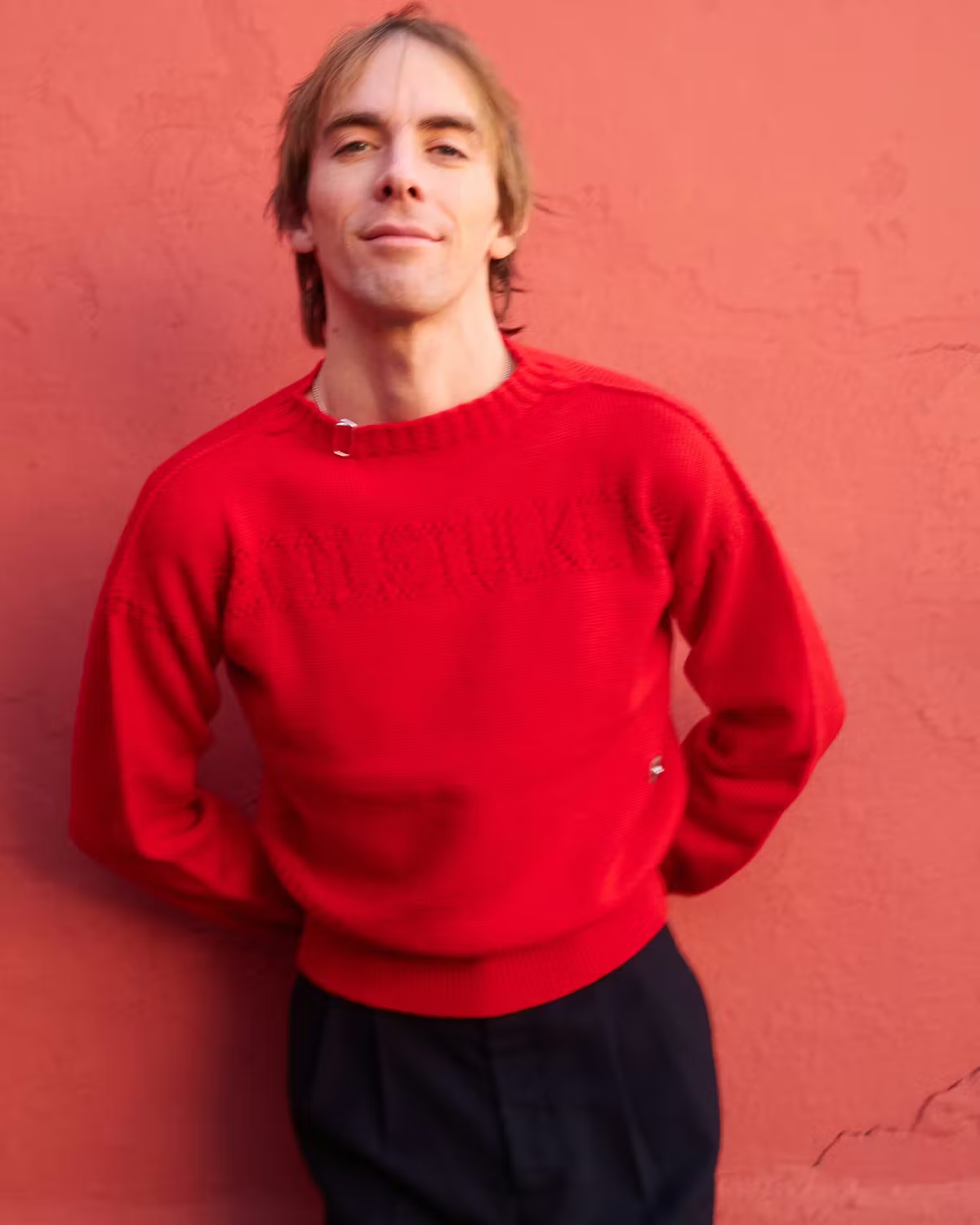
CSM graduate Cecile Tulkens founded her namesake label in 2020 to prove that knitwear deserves just as much reverence as tailoring. Her sweaters are often based on classic designs like cable knits or V-necks and produced with Tulkens’ vintage knitting machines. Heritage shapes, such as hardwearing wool gansey knits inspired by British fishermens’ pullovers, are offset by delicate details like perforated logos. Tulkens applies the same approach to wide-leg trousers and tweed outerwear, which are made with as much craft and care as her knits.
Courtesy of Lea Boberg
Lea Boberg
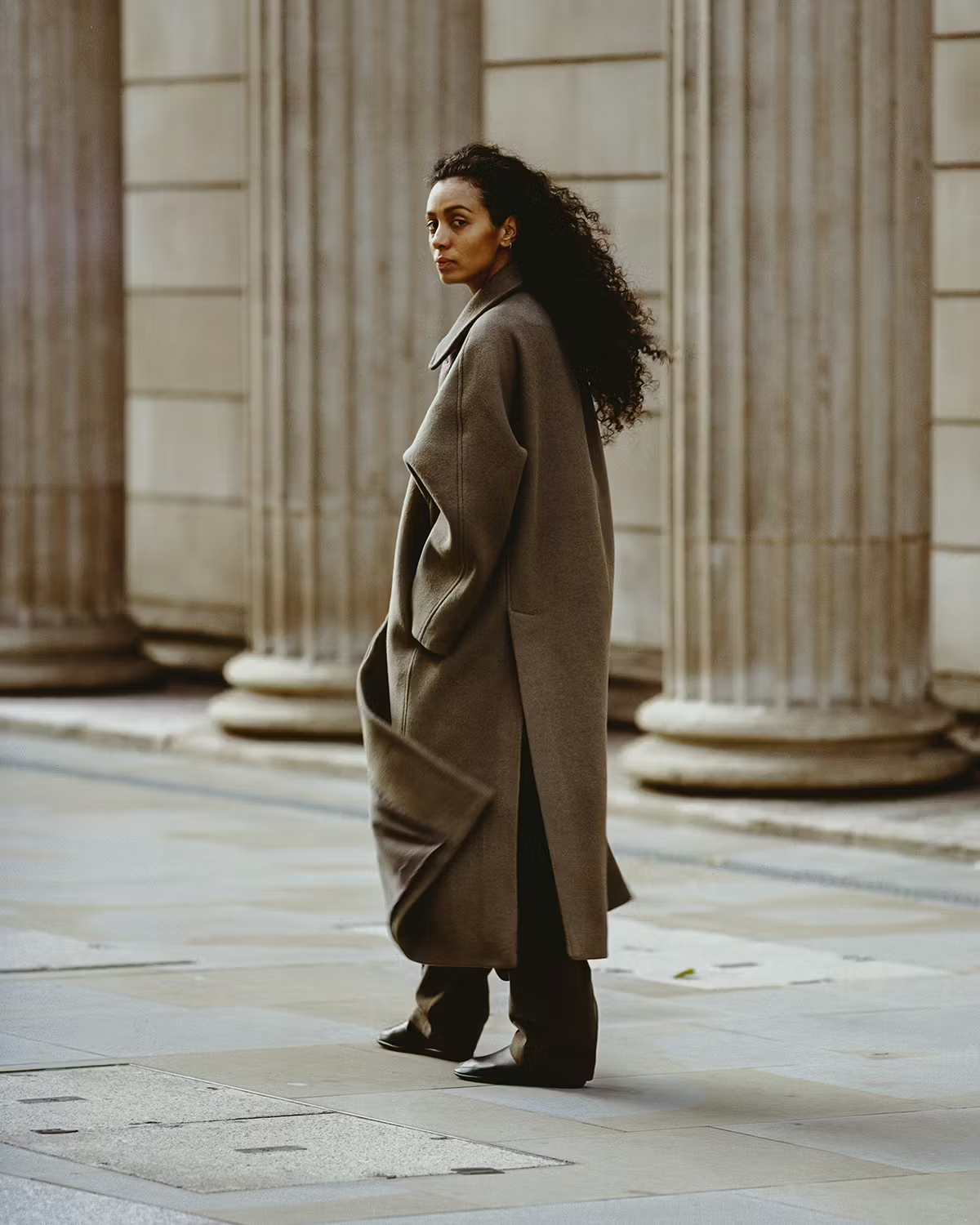
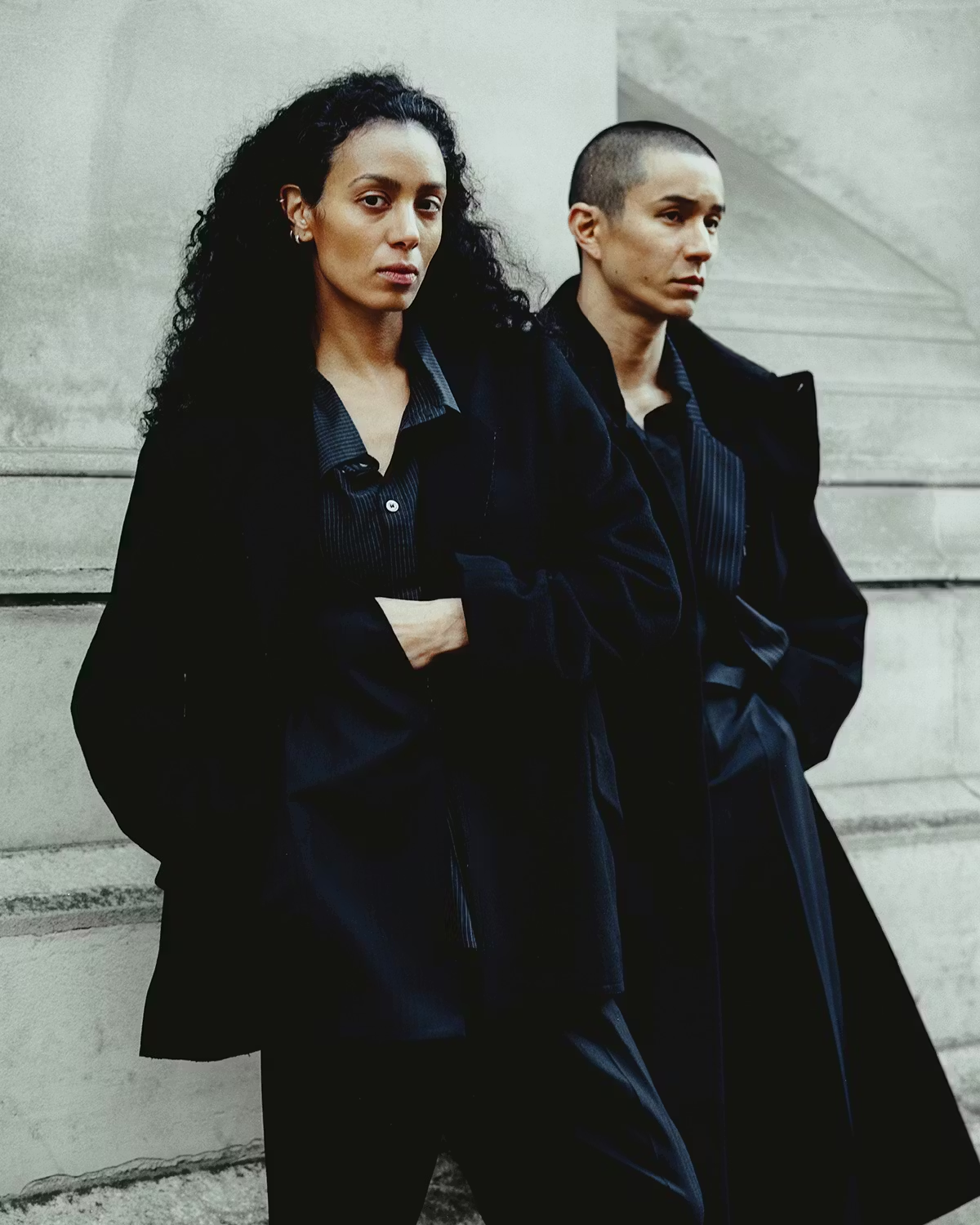
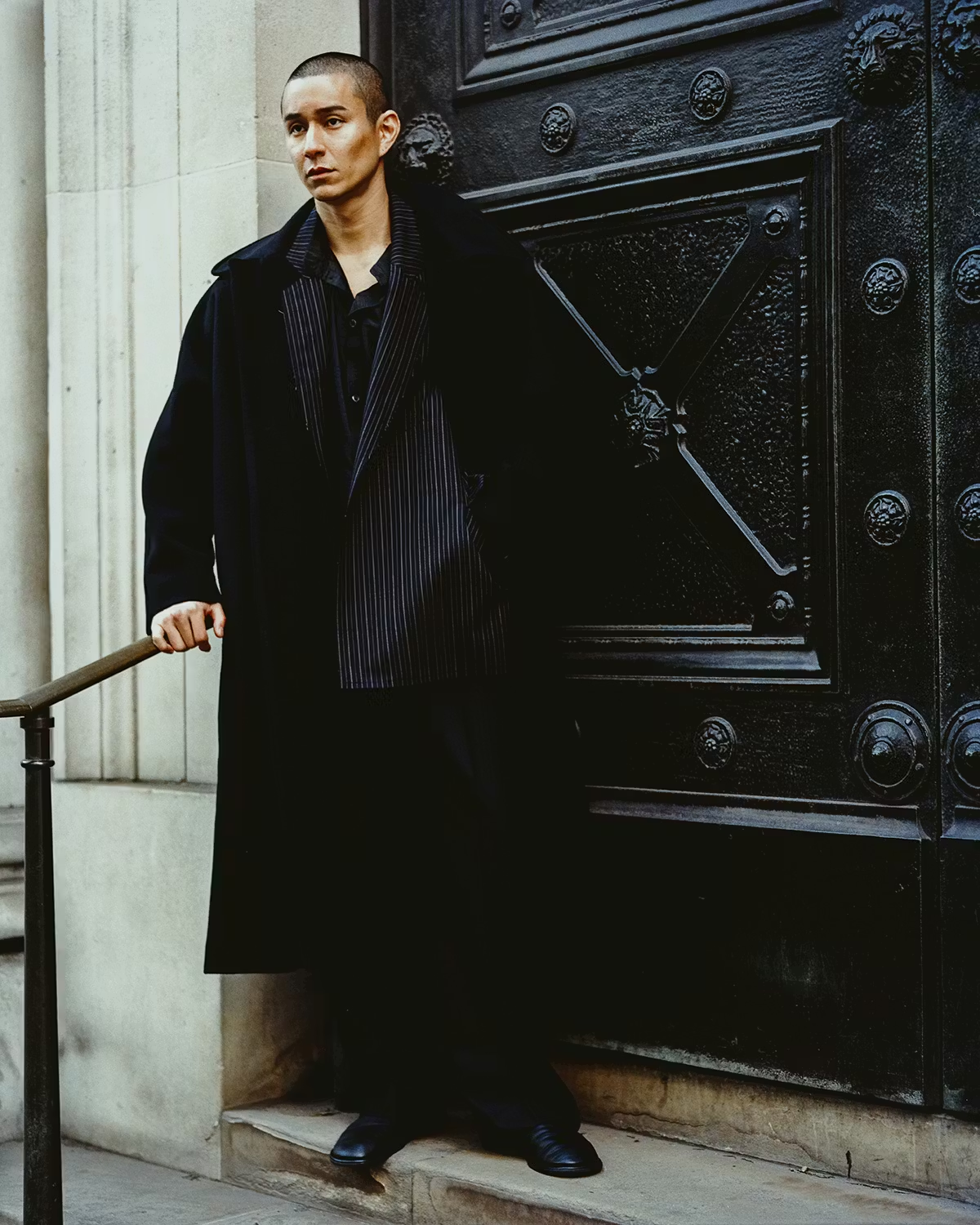
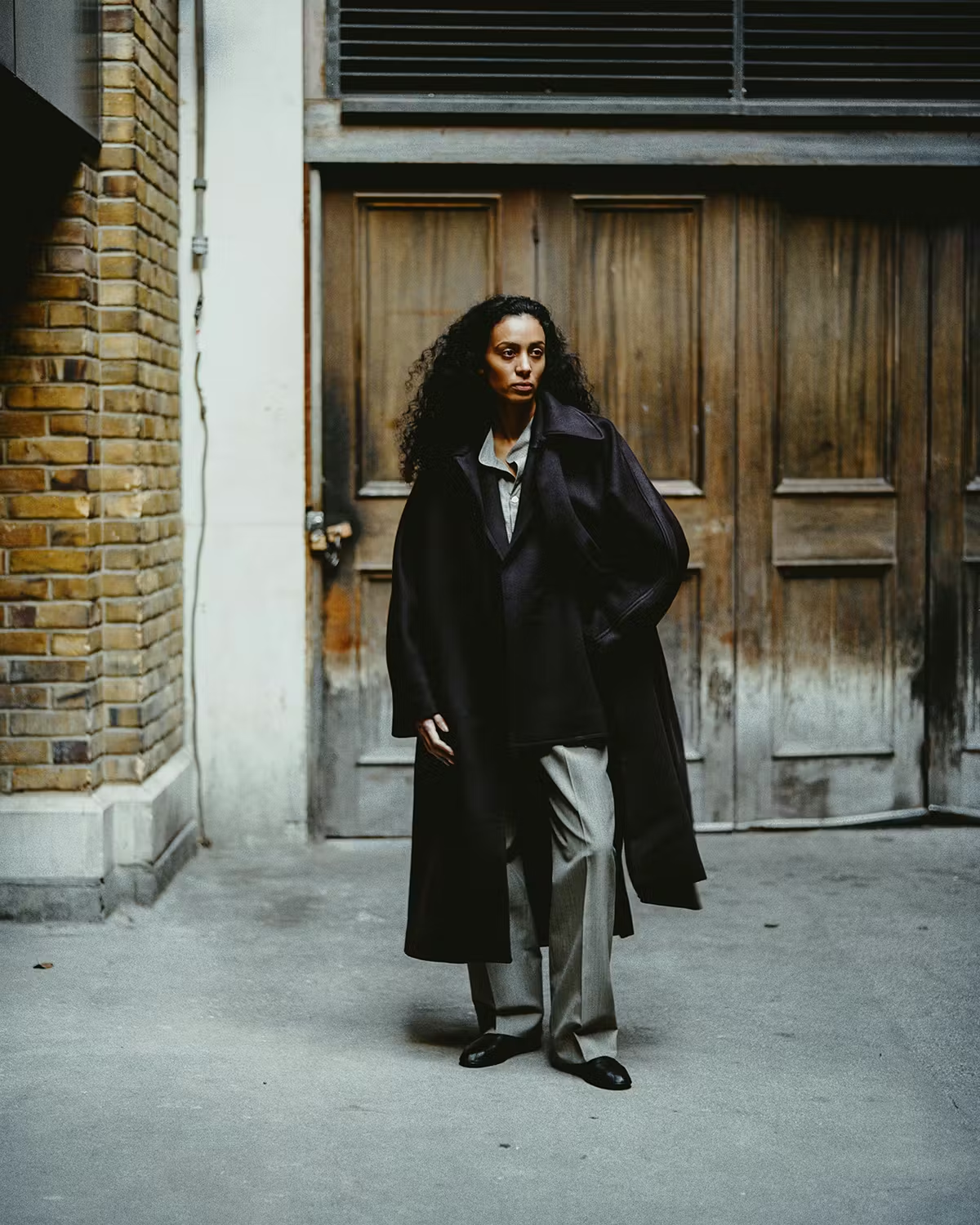
Lea Boberg’s work is an extension of her Master’s collection at the Royal College of Art, which examined the way people wore suits on the London Underground. During her research, Boberg saw rush-hour commuters straining to sit or stand comfortably, encased in tight, unforgiving fabrics and cuts. Her solution was soft, relaxed tailoring with looser proportions — suits designed for the way people wear and need them today.
Courtesy of Cawley Studio
Cawley Studio
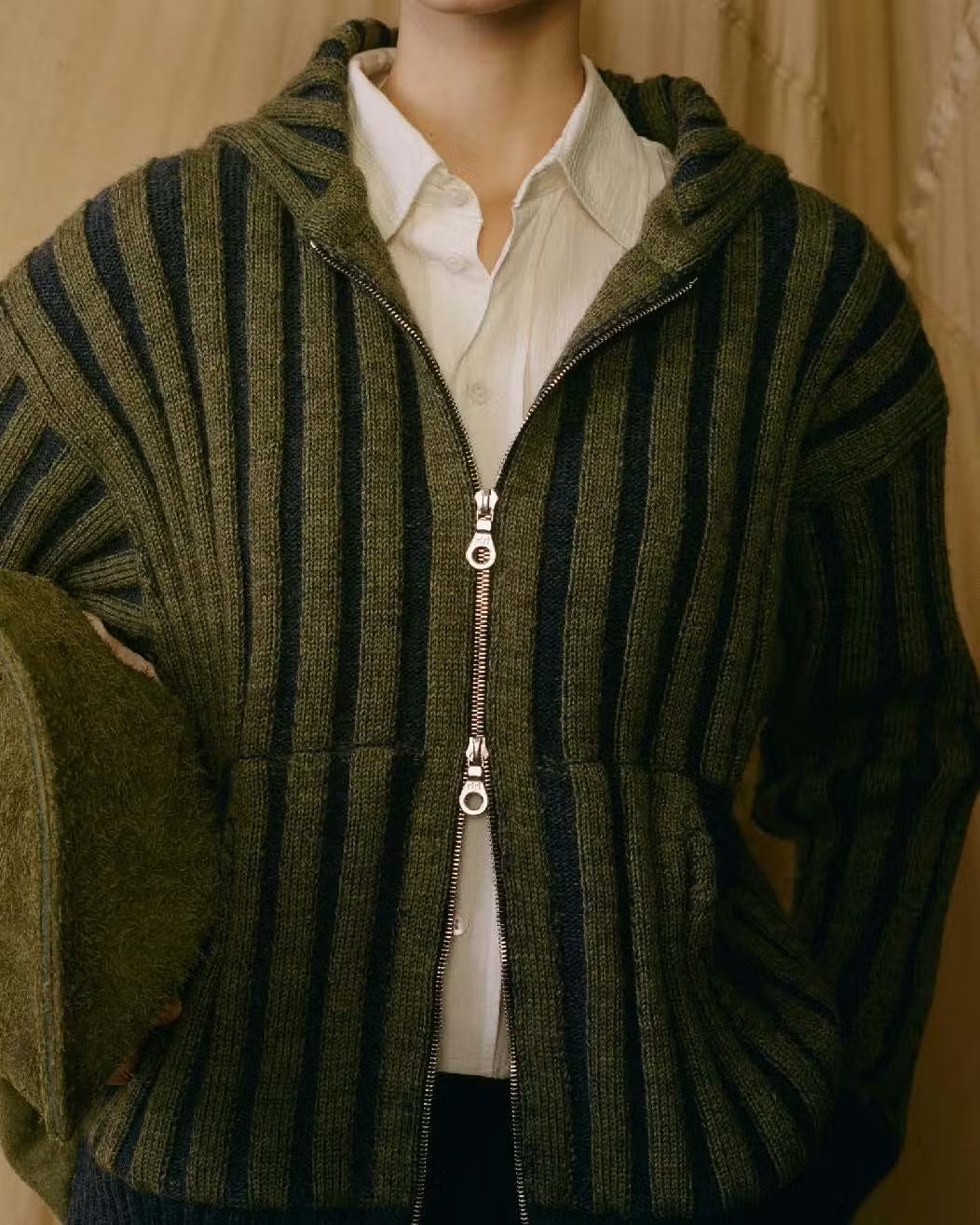
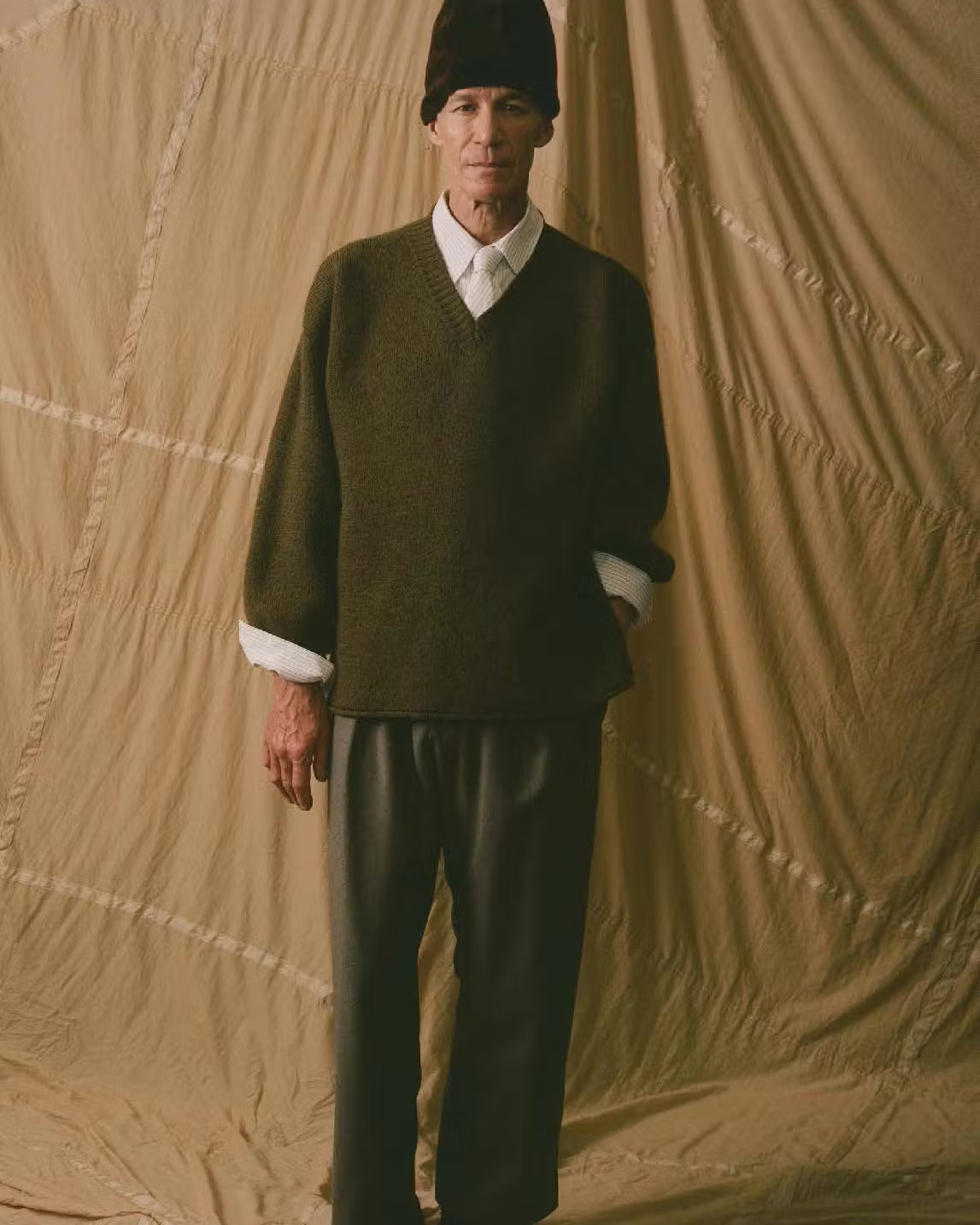
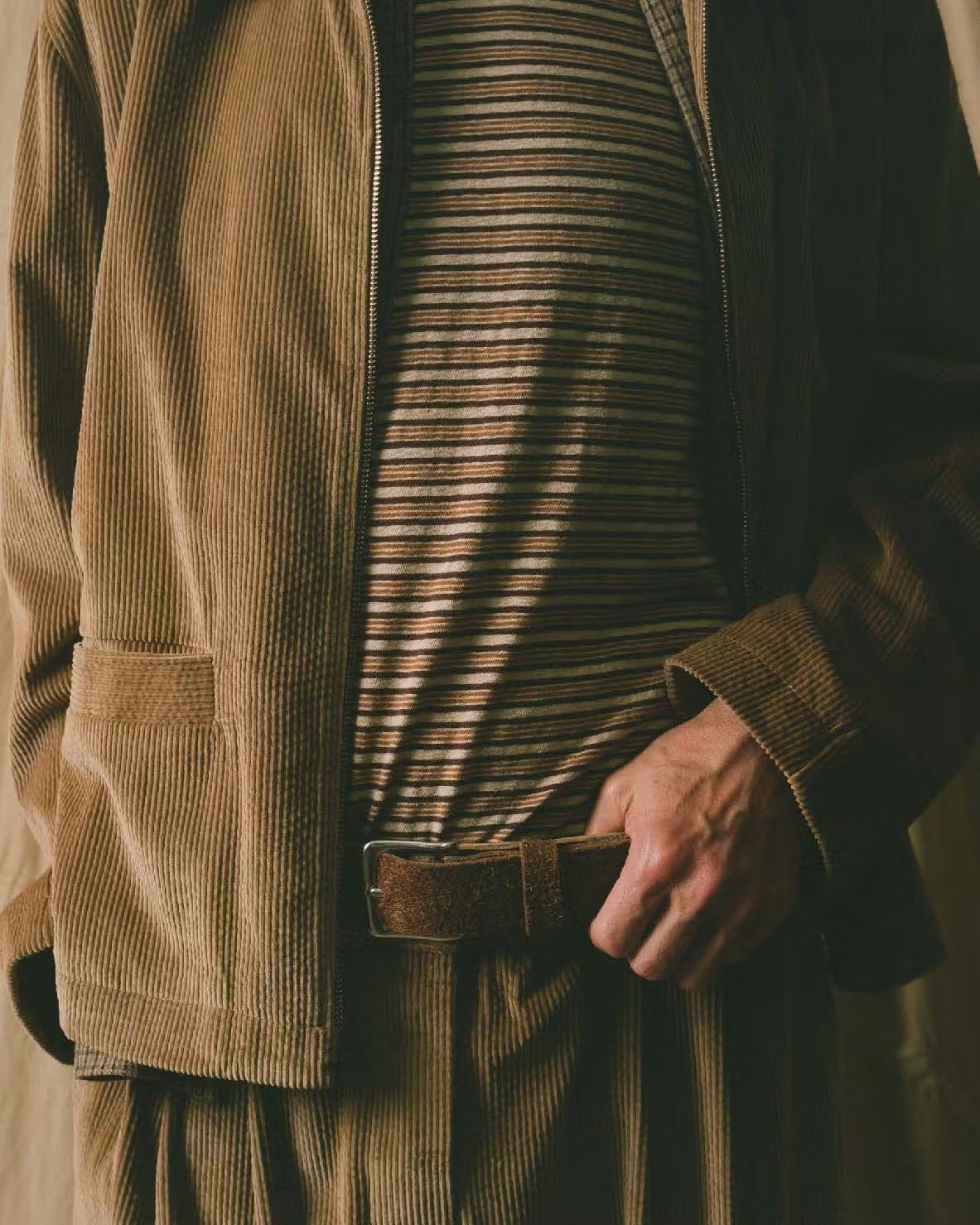
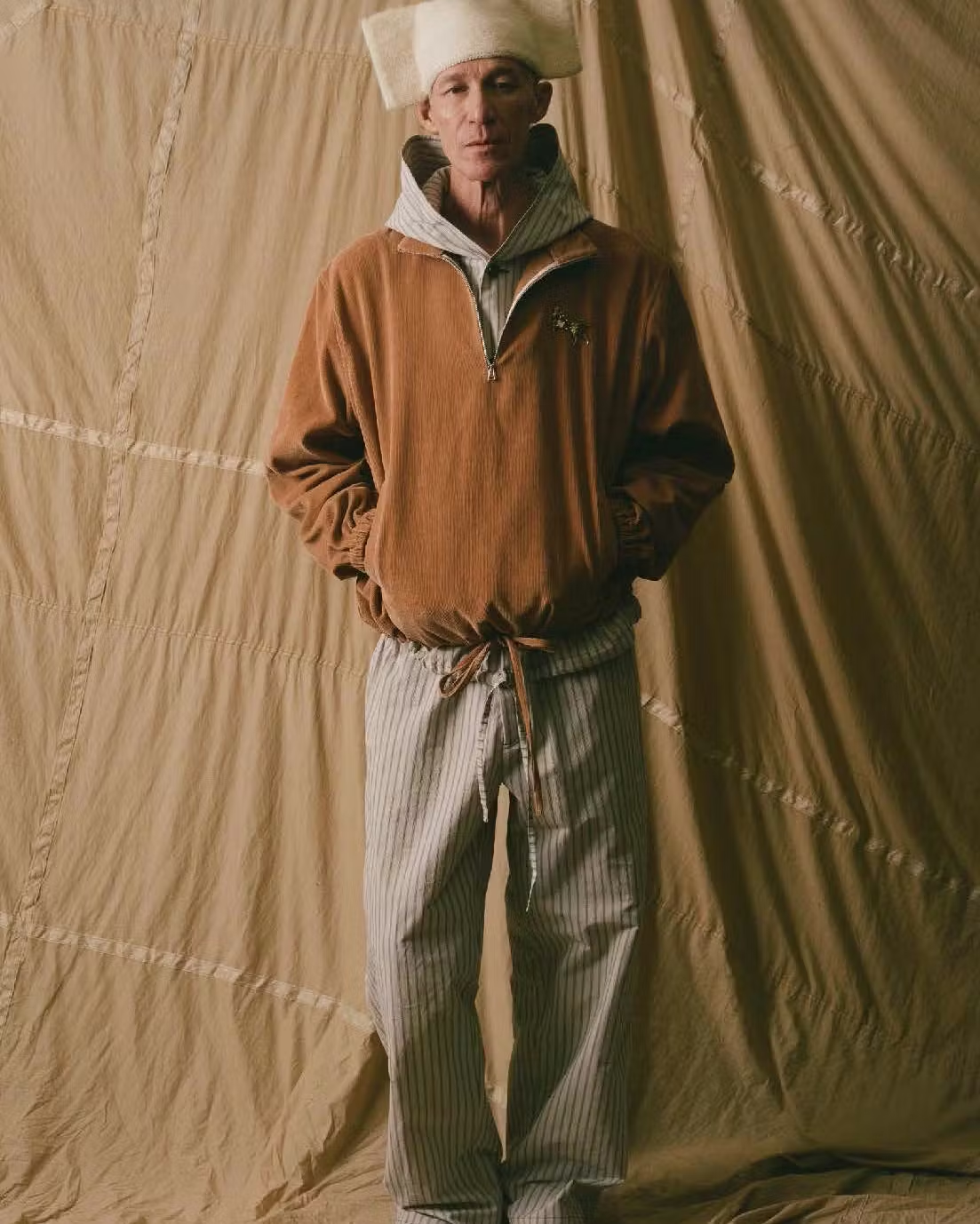
Hannah Crawley references everything from vintage fabrics to old books with Cawley Studio, the label she founded in 2017. Her brand celebrates craftsmanship and local manufacturing with soft leather jackets, waxed cotton macs, and textured linen trousers — plus hats that range from quilted tea cosies to leather pillboxes to sun hats cut from Japanese drill. These clothes are both functional and whimsical, “for the occasional and the everyday,” as their label says.
Courtesy of Sage Nation
Sage Nation
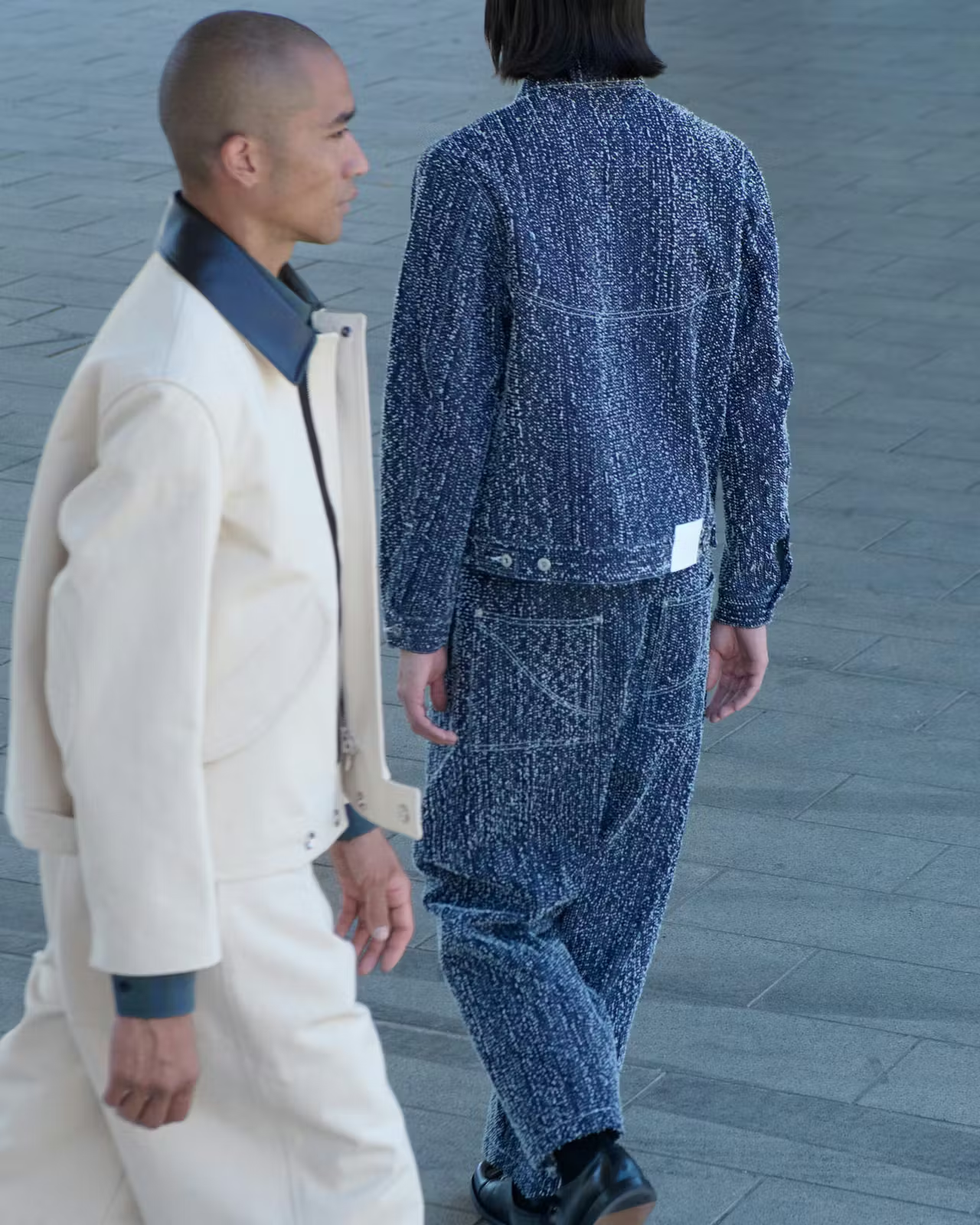
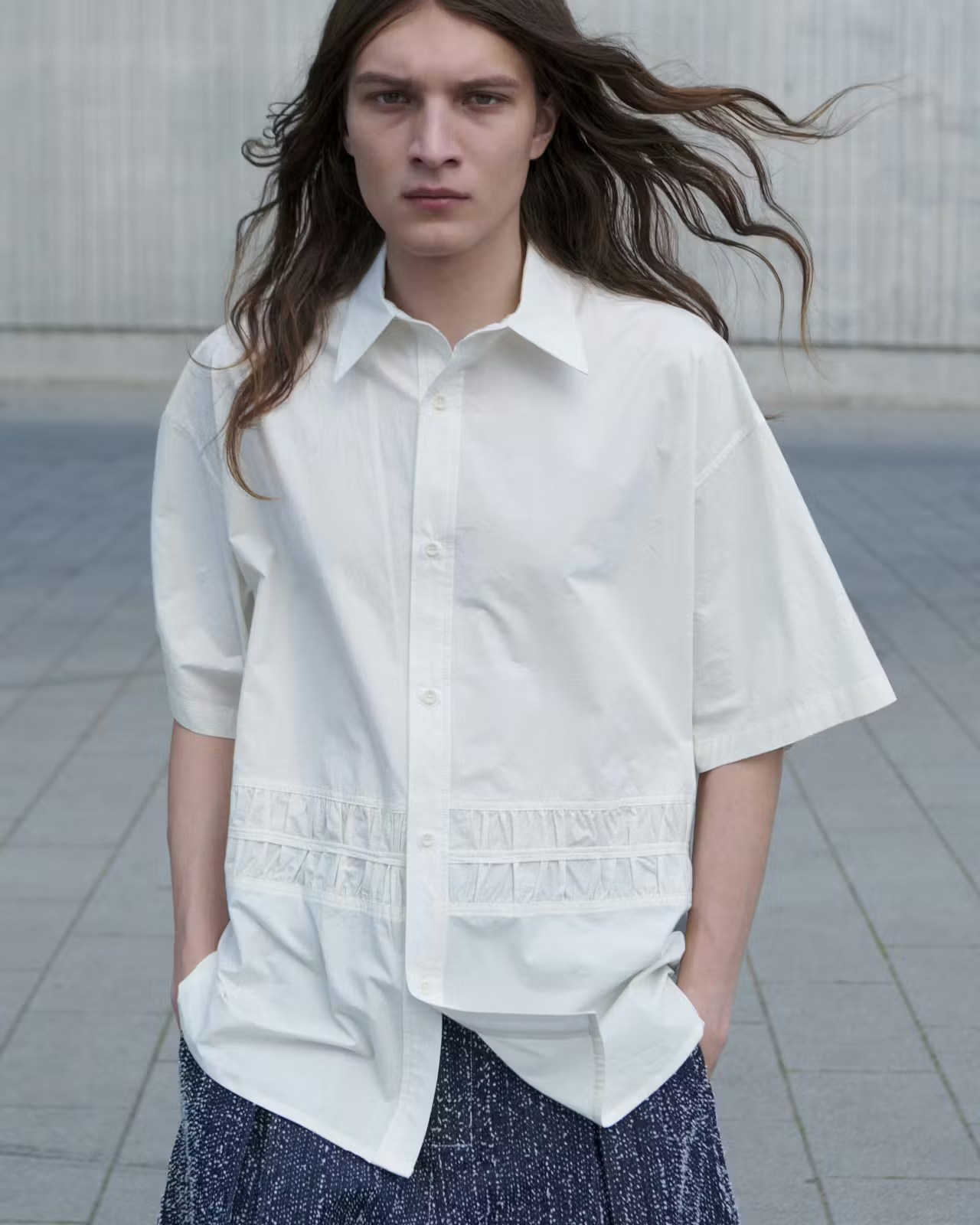
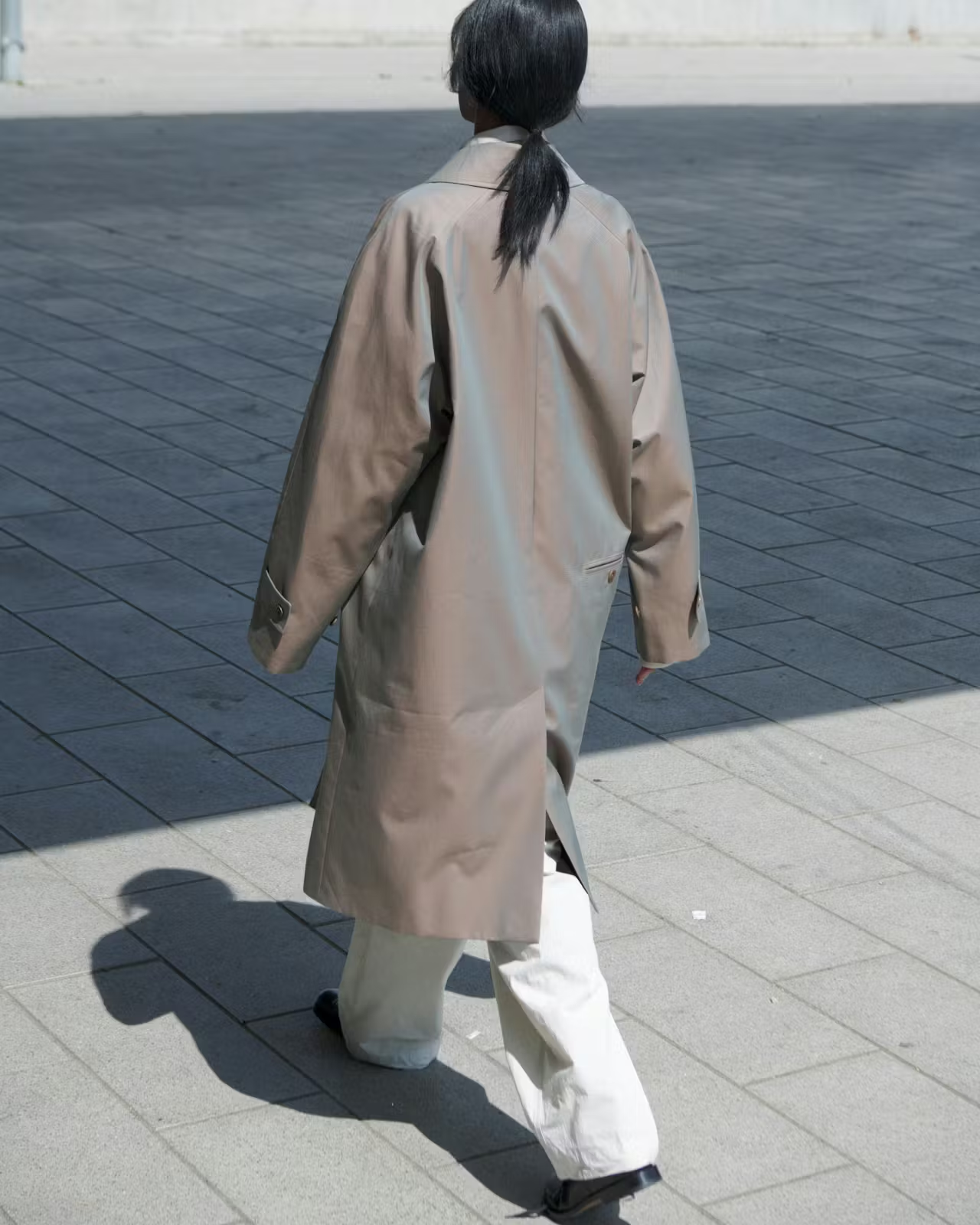
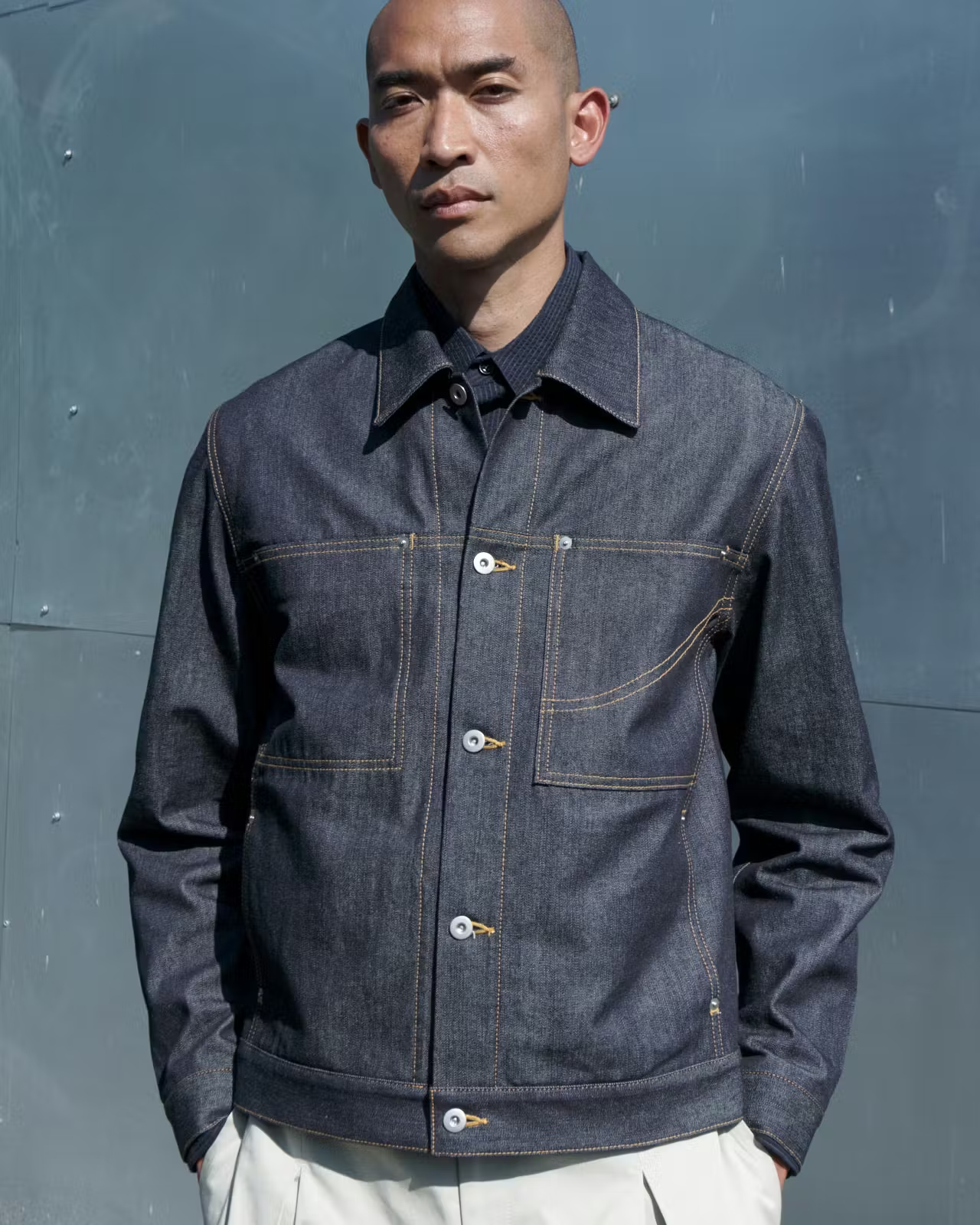
Known for pared-back silhouettes and relaxed cuts, Sage Nation was founded by creative director Sage Toda-Nation, who takes inspiration from his dual British and Japanese heritage. Its website describes the brand’s approach as “purpose, perspective, and balance,” all terms that shape its collections. Over the past six years, Sage Nation has developed its own range of signature pieces, including oversized pleated trousers, chunky knits, and the Fossil Jacket. In 2024, Toda-Nation joined YMC as its second-ever creative director, bringing his considered, roomy approach to the heritage London brand.
Courtesy of Casely-Hayford
Casely-Hayford
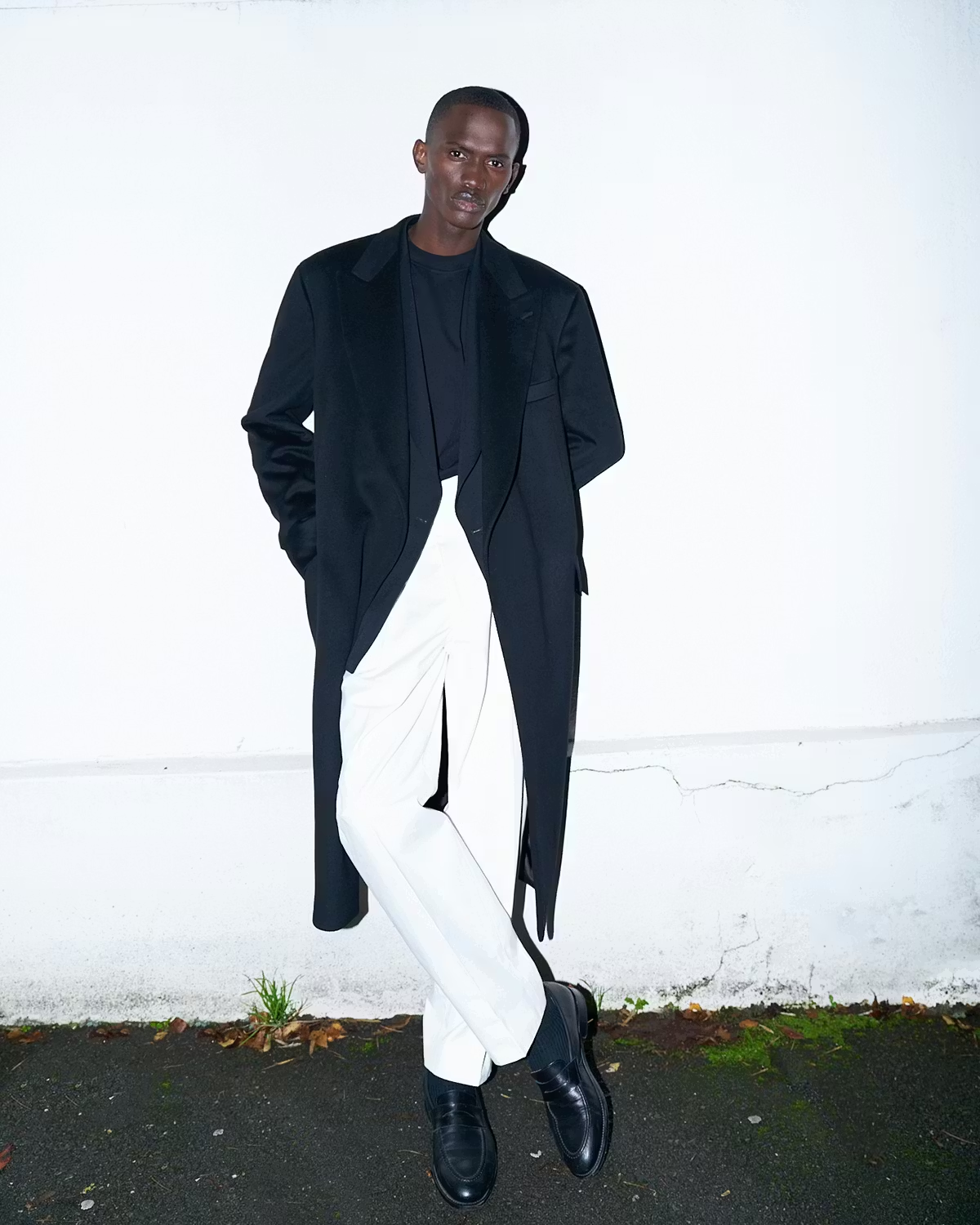
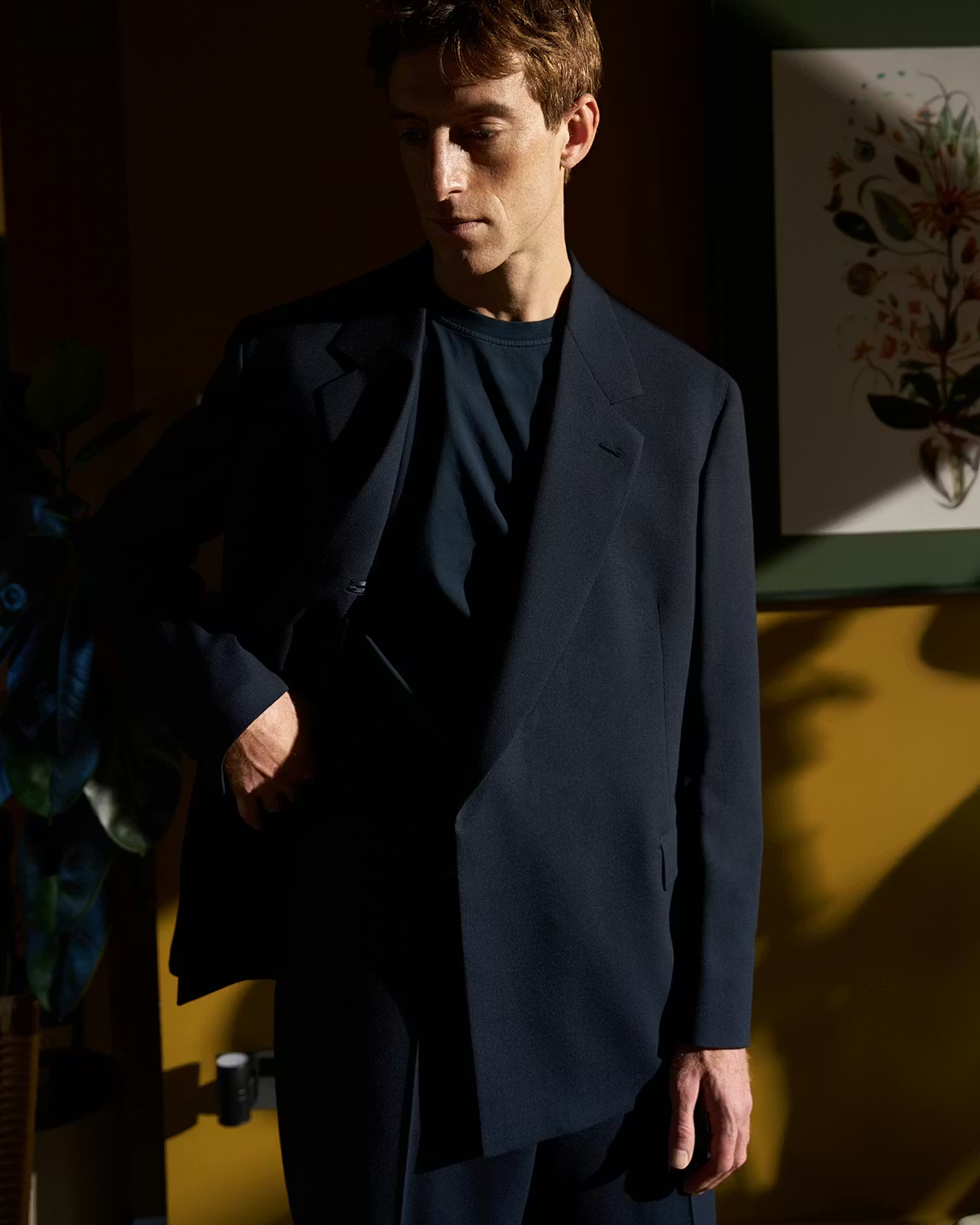
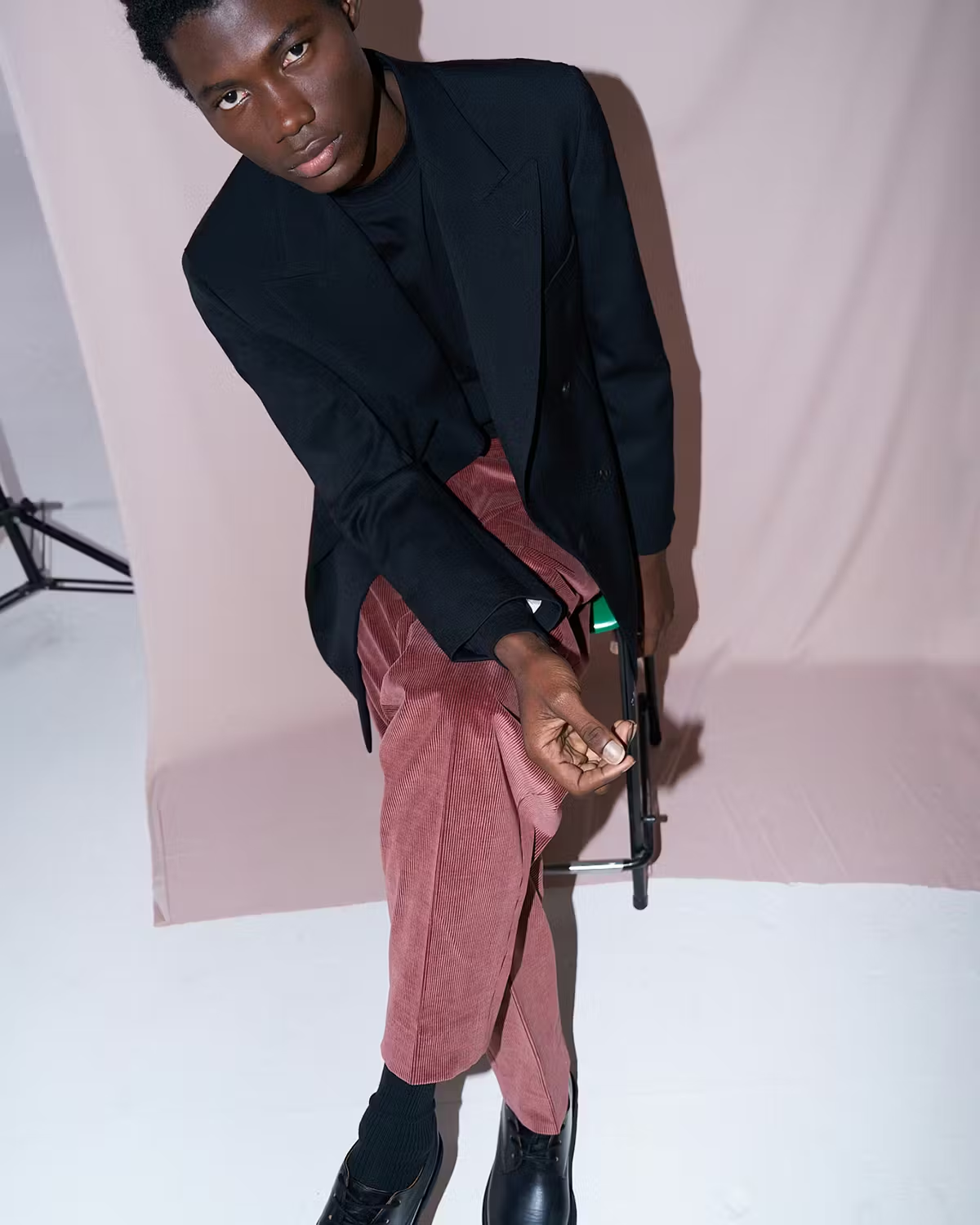
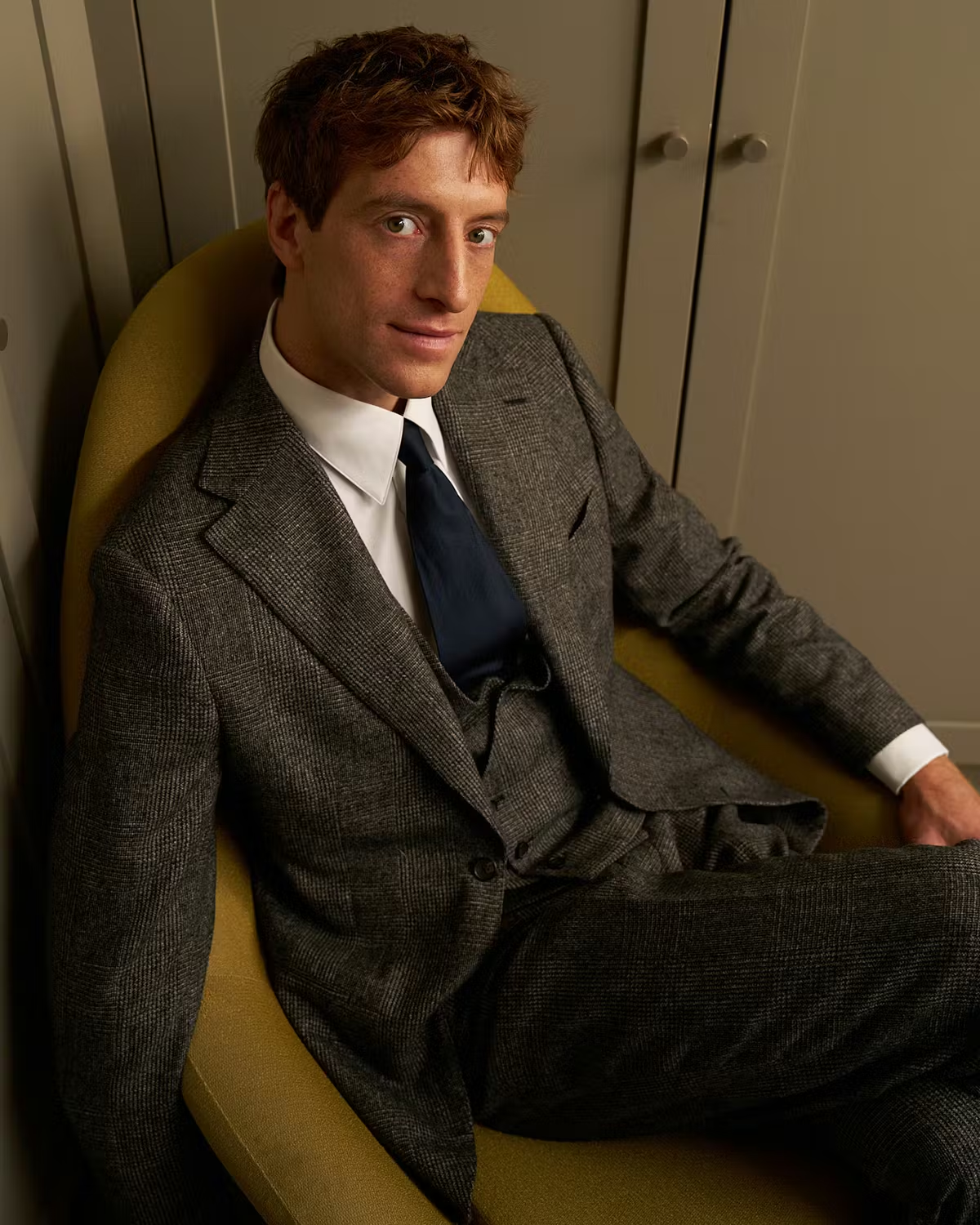
Casely-Hayford is a legendary name in British fashion. The label was formally founded in 2009 by late designer Joe Casely-Hayford and his son, Charlie. But Joe began creating influential collections in the mid ‘80s. His trailblazing legacy — his first full offering upcycled surplus military tents into suits, and he became the first Black creative director of a Savile Row tailor in 2005 — has informed Casely-Hayford since the beginning. His modern, progressive approach to suiting is carried on by Charlie.

Courtesy of Bleue Burnham
Bleue Burnham
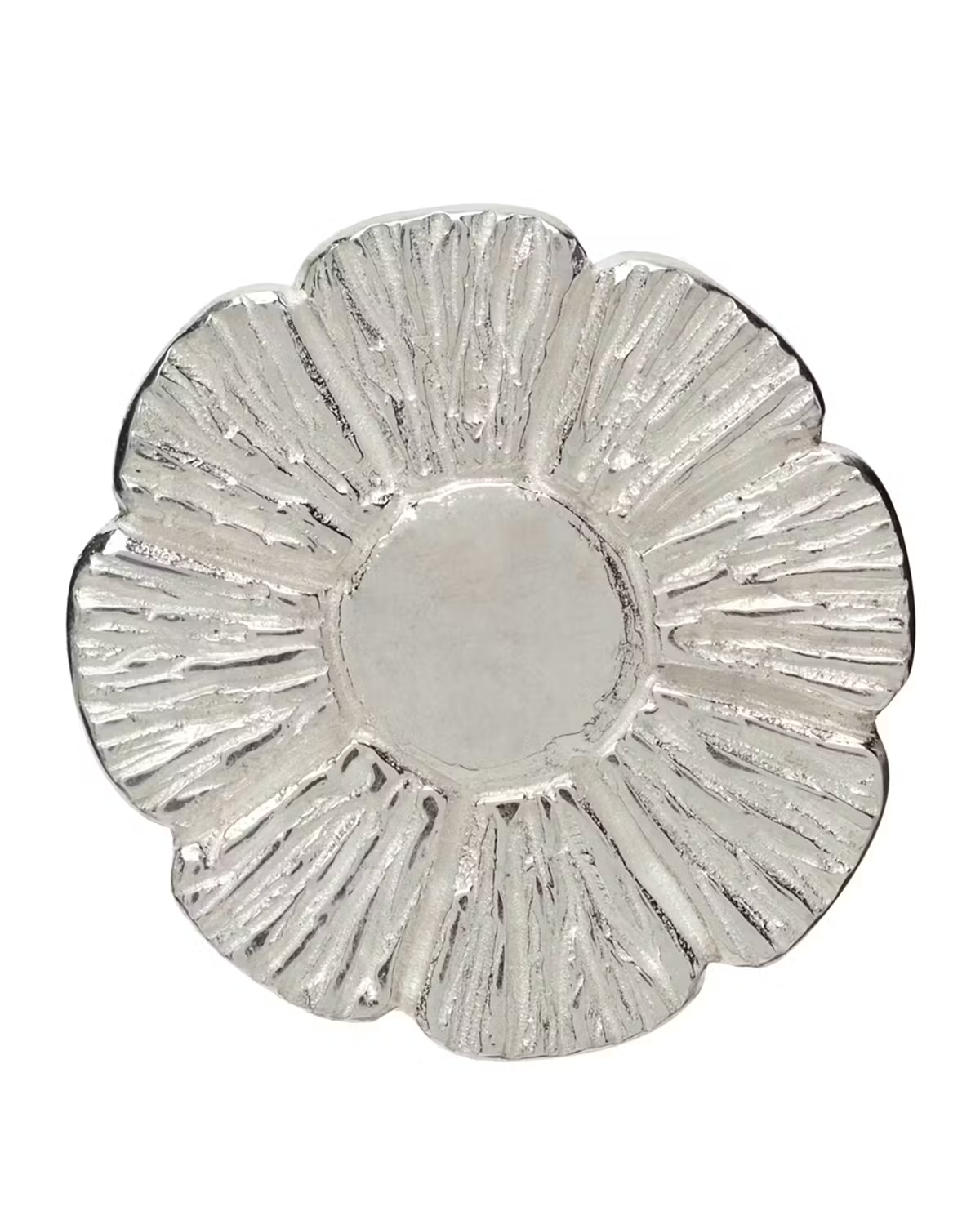
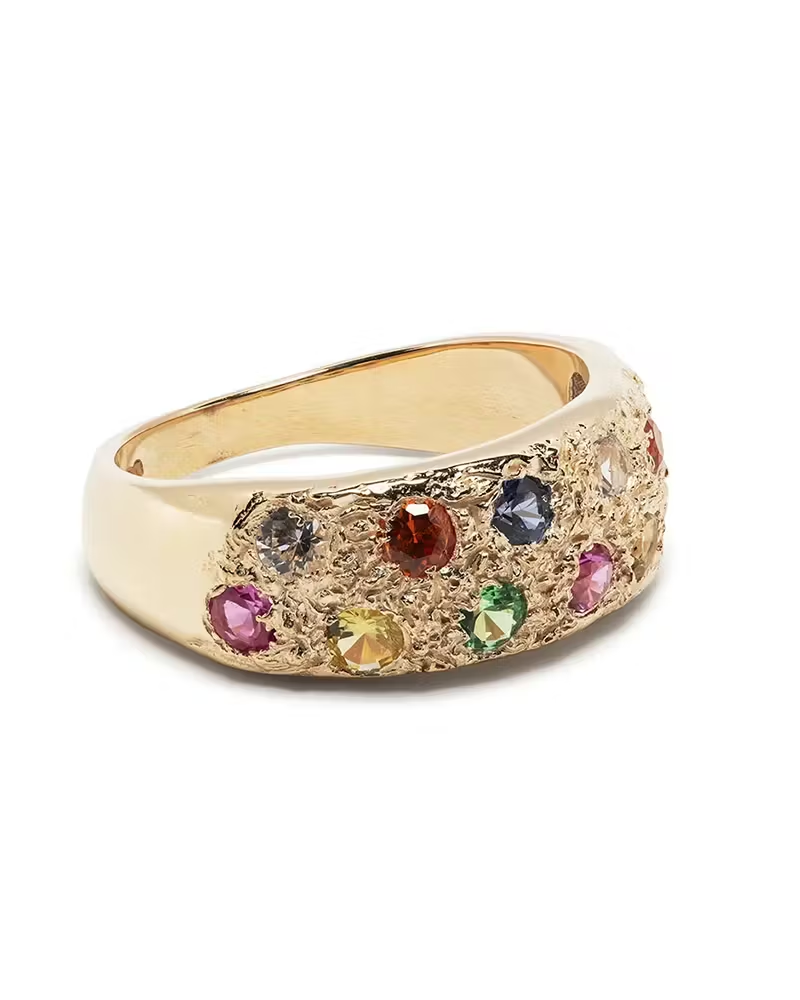
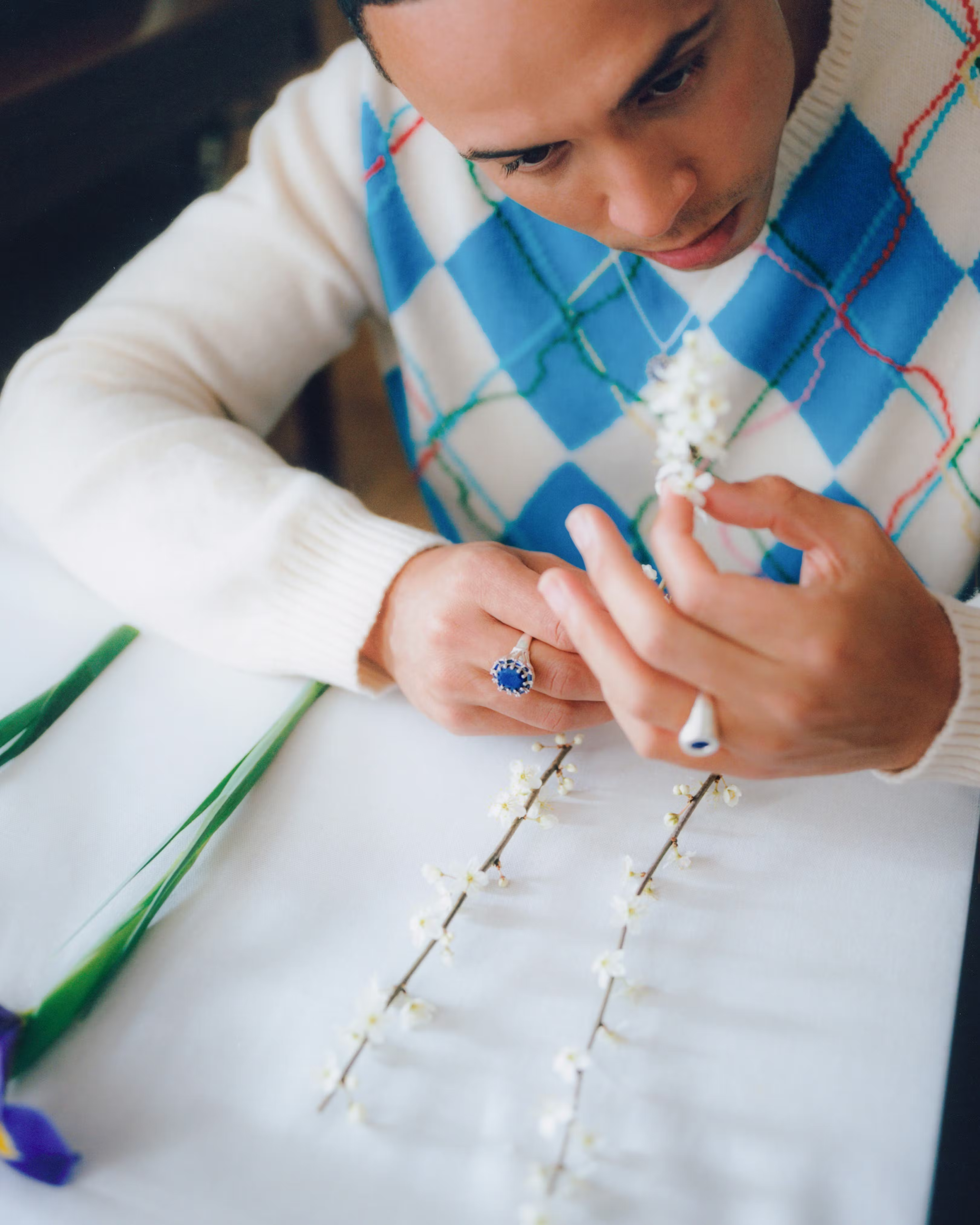
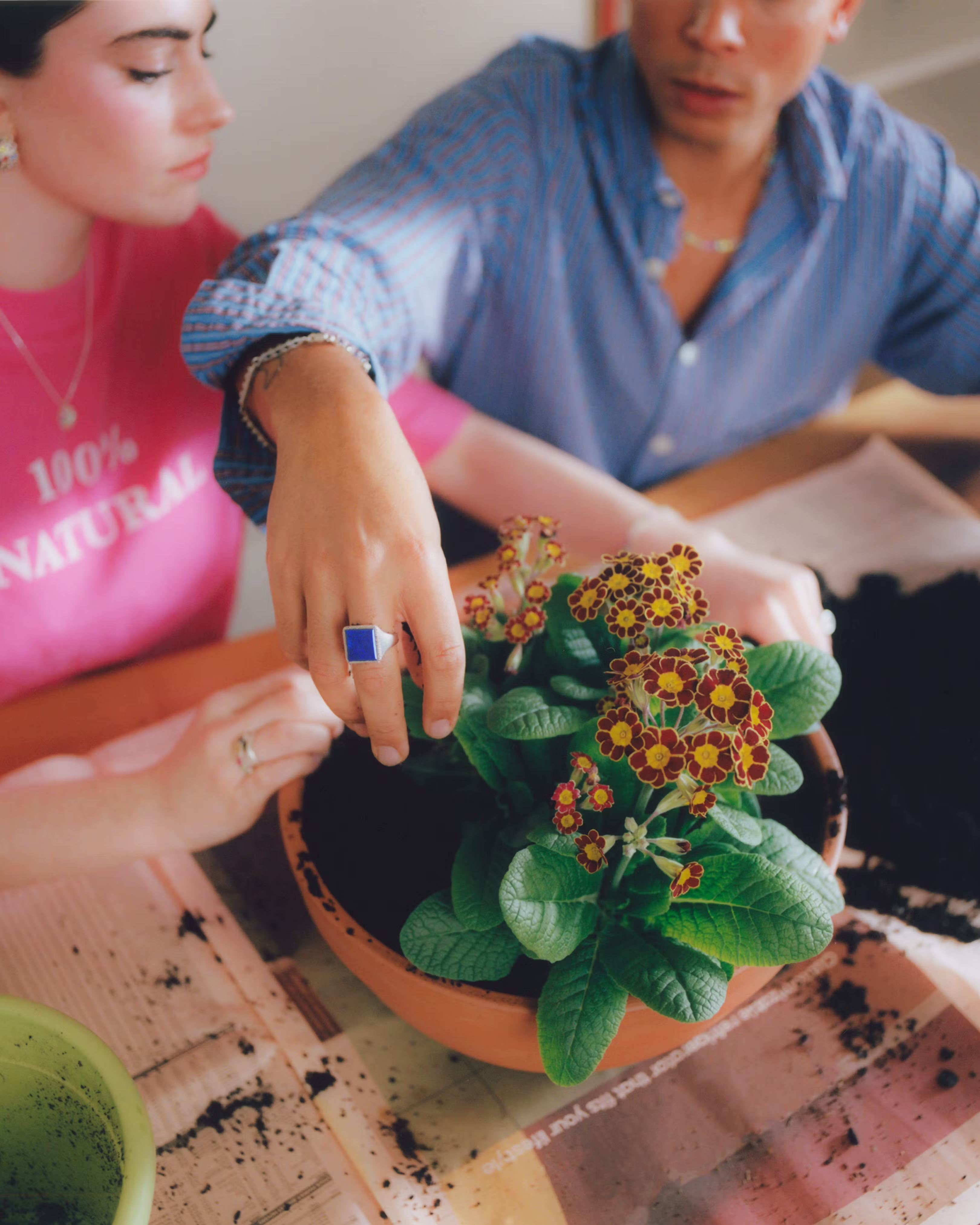
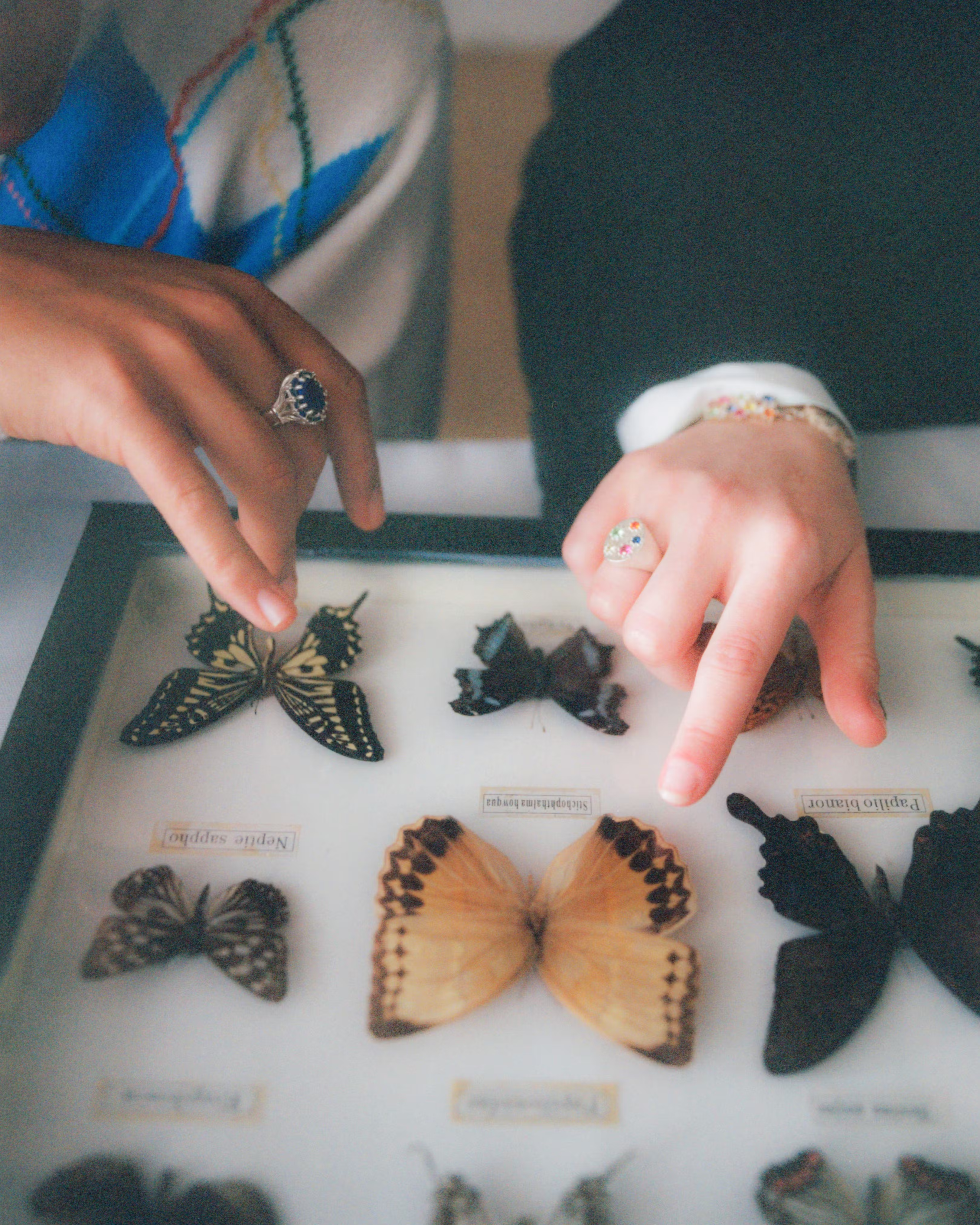
Bleue Wickham-Burnham is an avid gardener. Which makes sense when you look even glancingly at his jewelry line. Rings are designed to look like wildflowers and dahlias, sapphire-studded necklaces are shaped like watering cans, and colorful brooches recreate bouquets of flowers. (The pieces pictured here will be released online next week.) In 2024, Burnham established Dudley Coppice, a ready-to-wear clothing line that further showcases his love of gardening.
Always Do What You Should Do
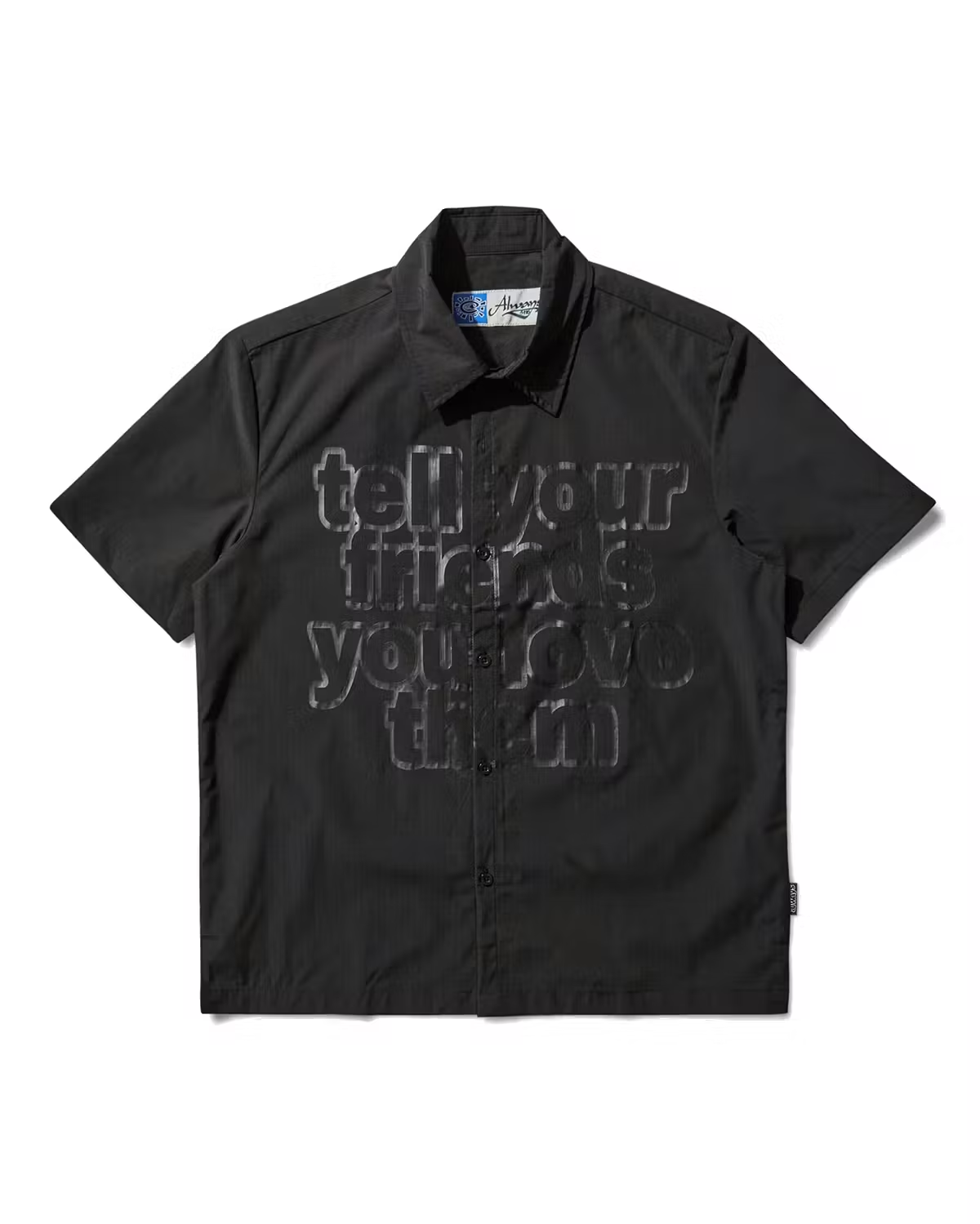
Visually, Always Do What You Should Do is inspired by the kinds of surf and skate labels that founder Nick Mason loved when he was growing up. Always, as it’s called for short, is beloved for its DIY ethos and instantly recognizable “@” logo, which appears on T-shirts, hoodies, and polos. Over time, the brand has grown beyond its own little bubble through collaborations with Patagonia, NTS, and adidas, spreading a holistic and ever-optimistic worldview.
Courtesy of Omar Afridi
Omar Afridi
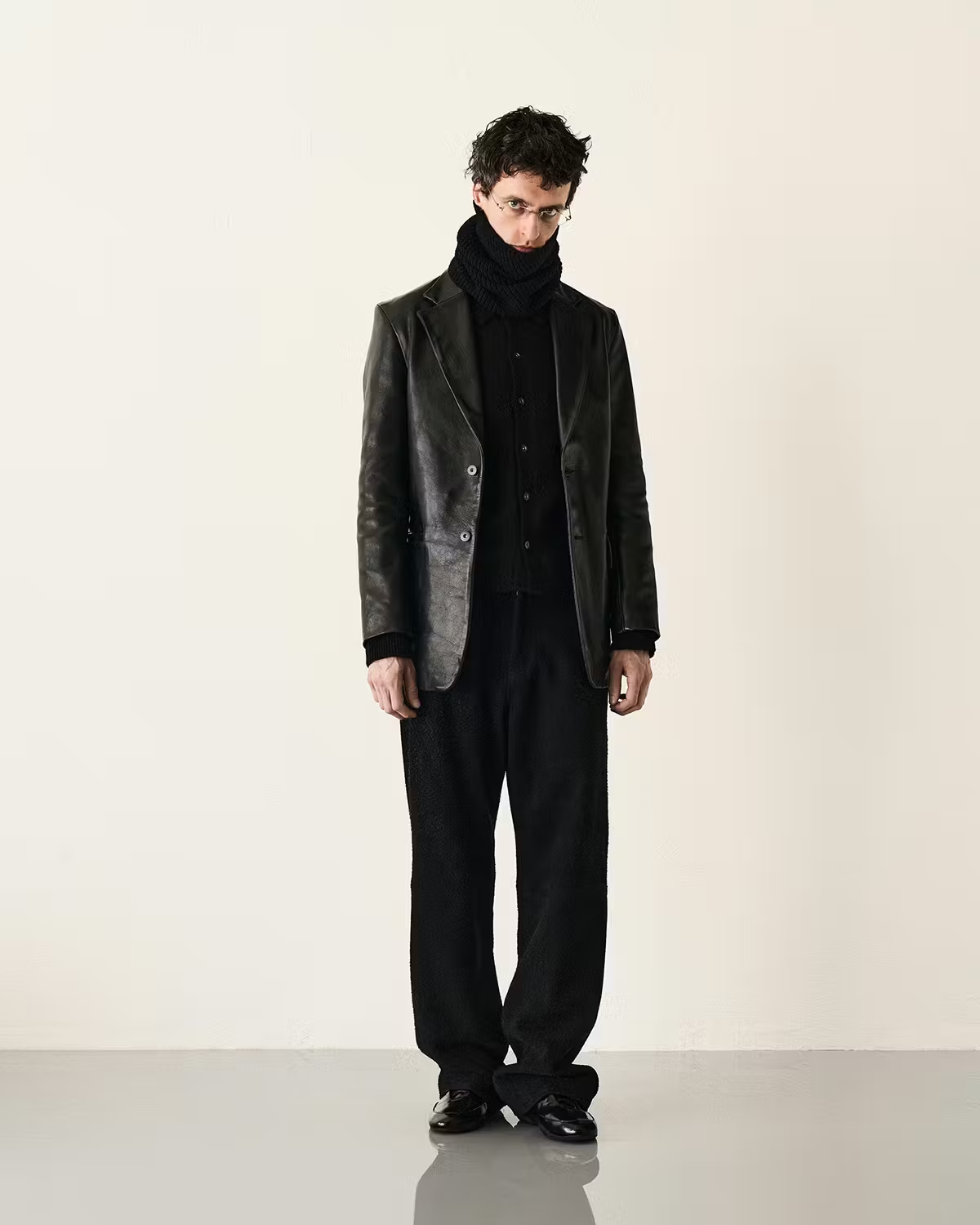
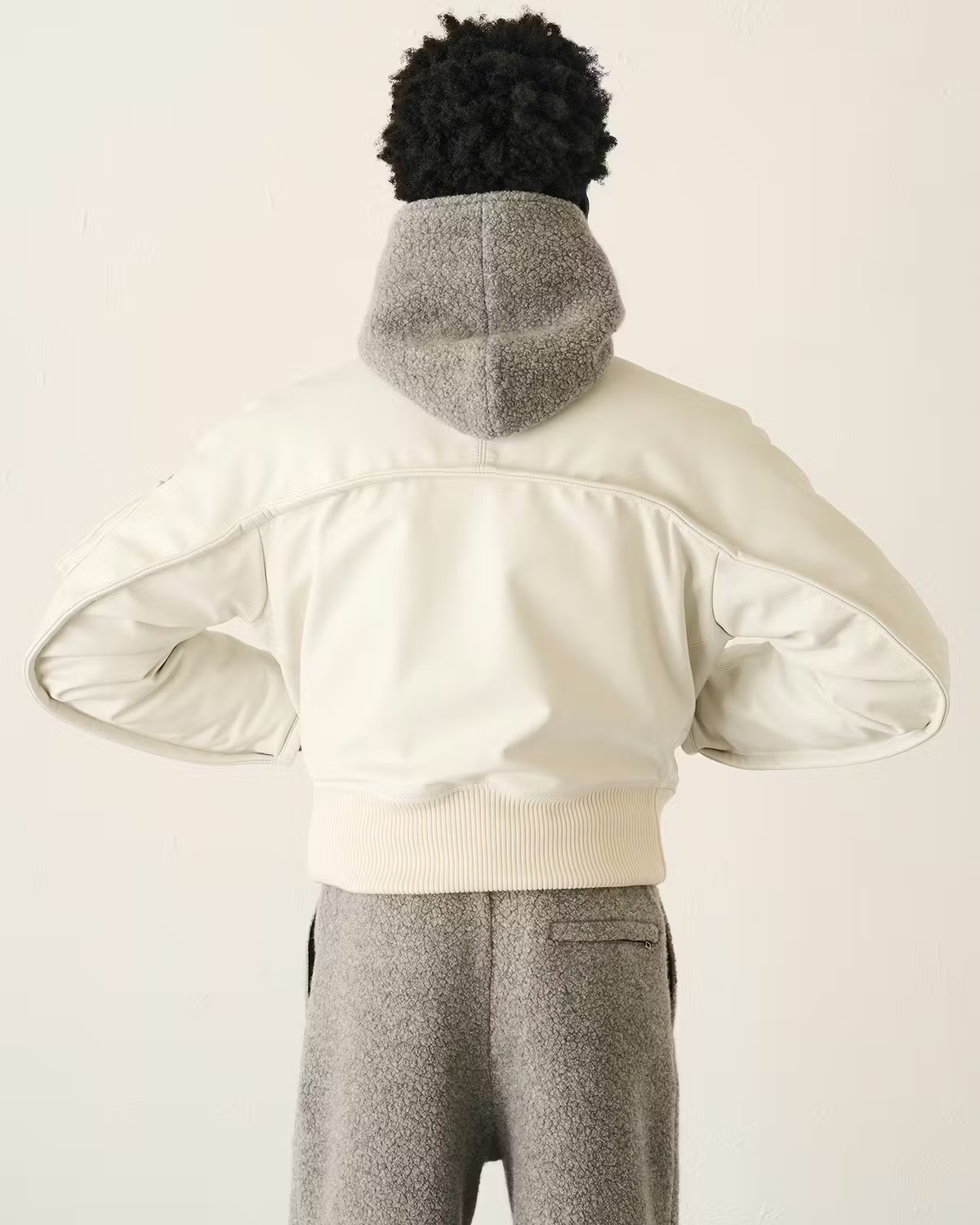
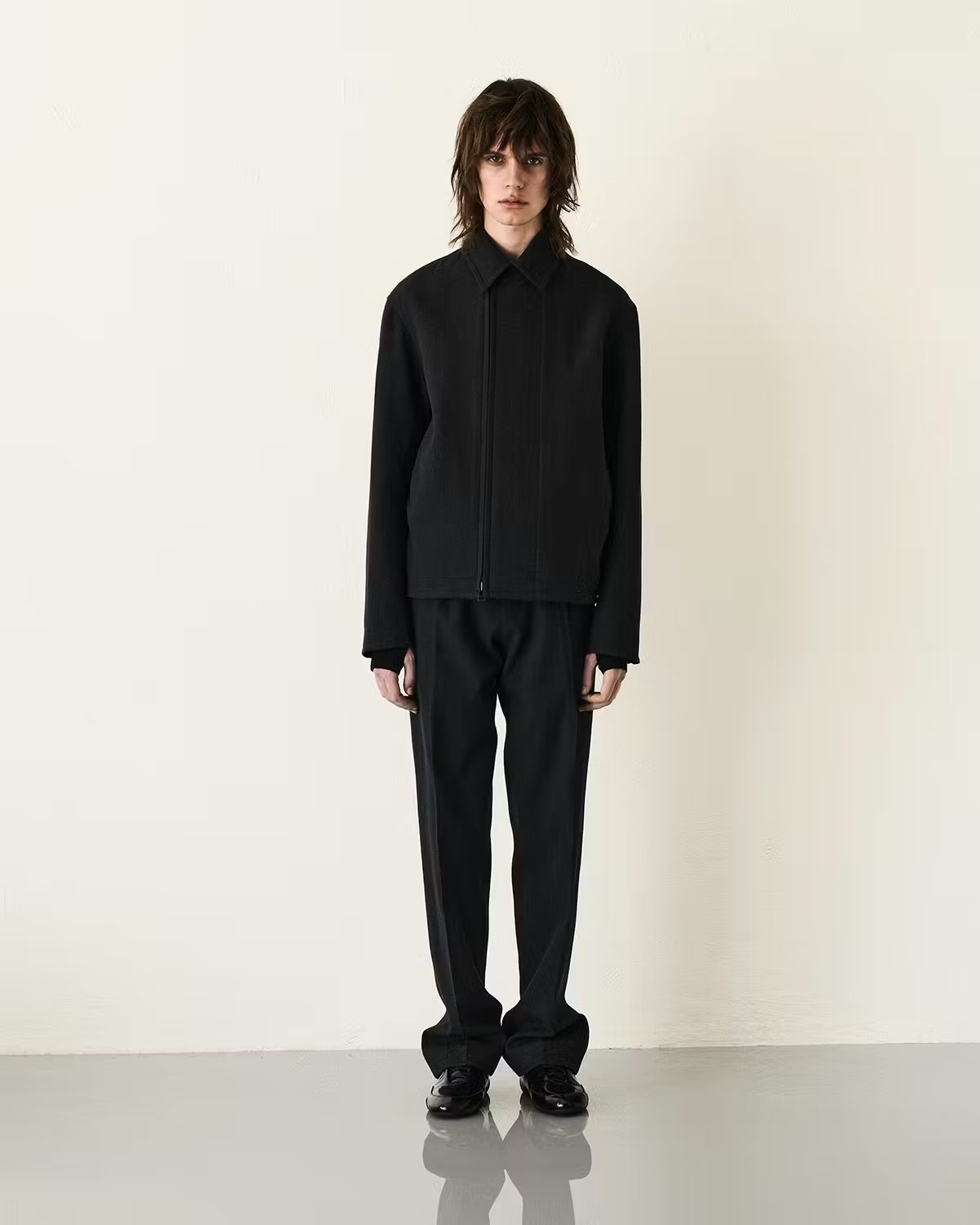
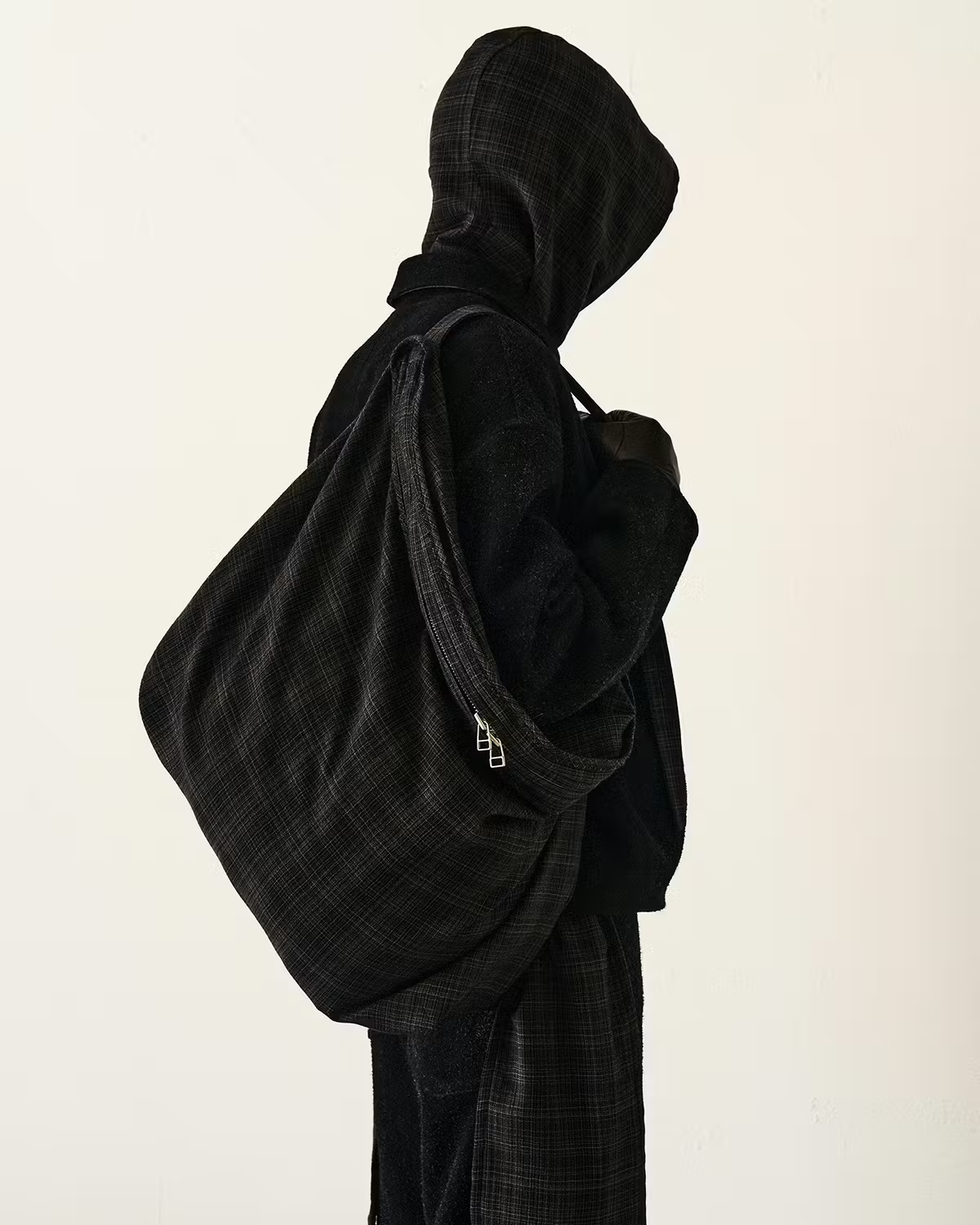
Founded by and named after Afghan designer Omar Afridi, the British label is now overseen by designer Hayate Ichimori and creative director Jun Kikuta. Its refined aesthetic is shaped by an international outlook based on its founder’s heritage, Ichimori and Kikuta’s Japanese roots, and its base in London. With a reserved color palette, the focus falls on fabrication. Collections mix the technical with the luxurious, pairing ultra-fine merino wool sweatshirts and tailored pants with stretch nylon outerwear and genderless skirts.
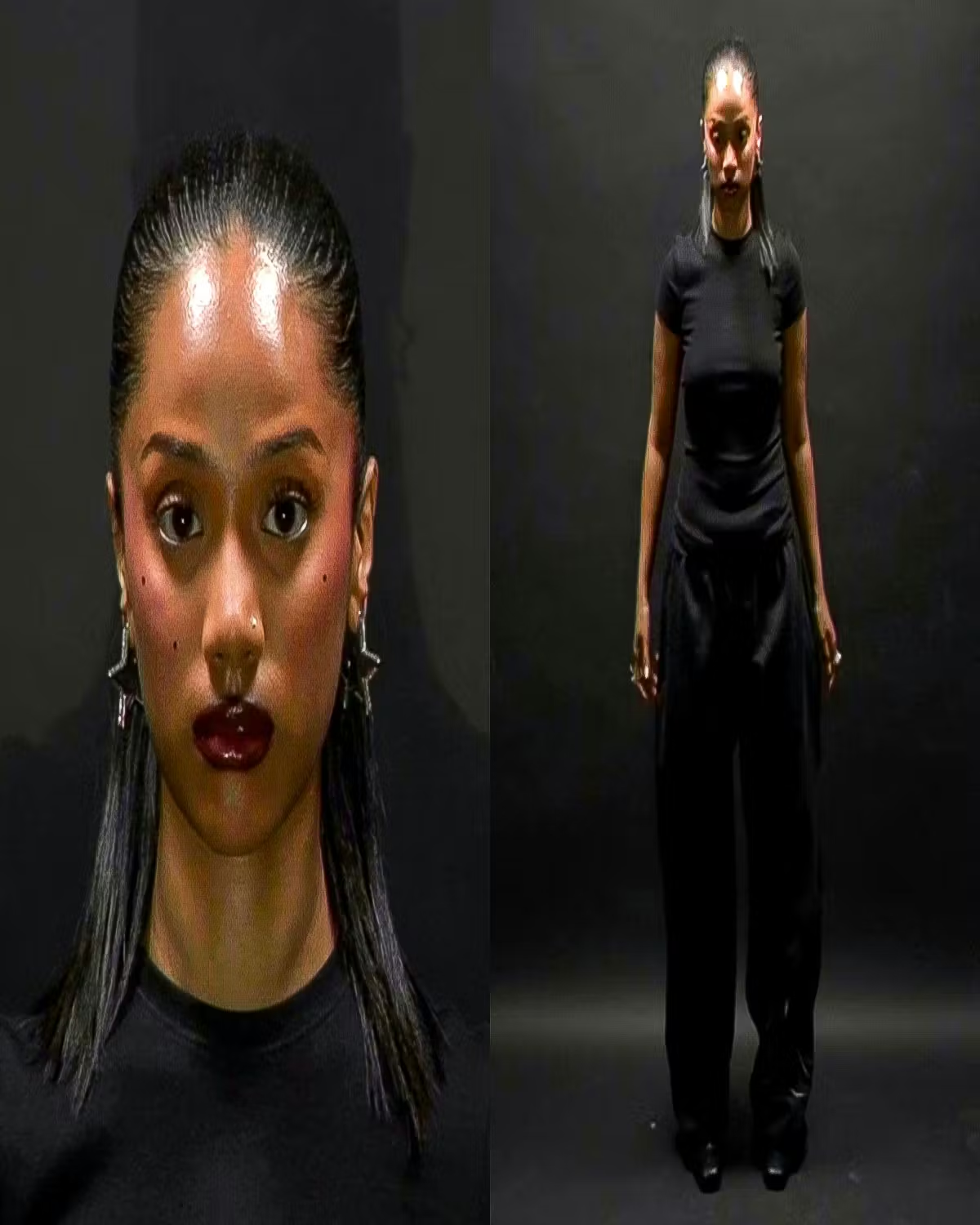
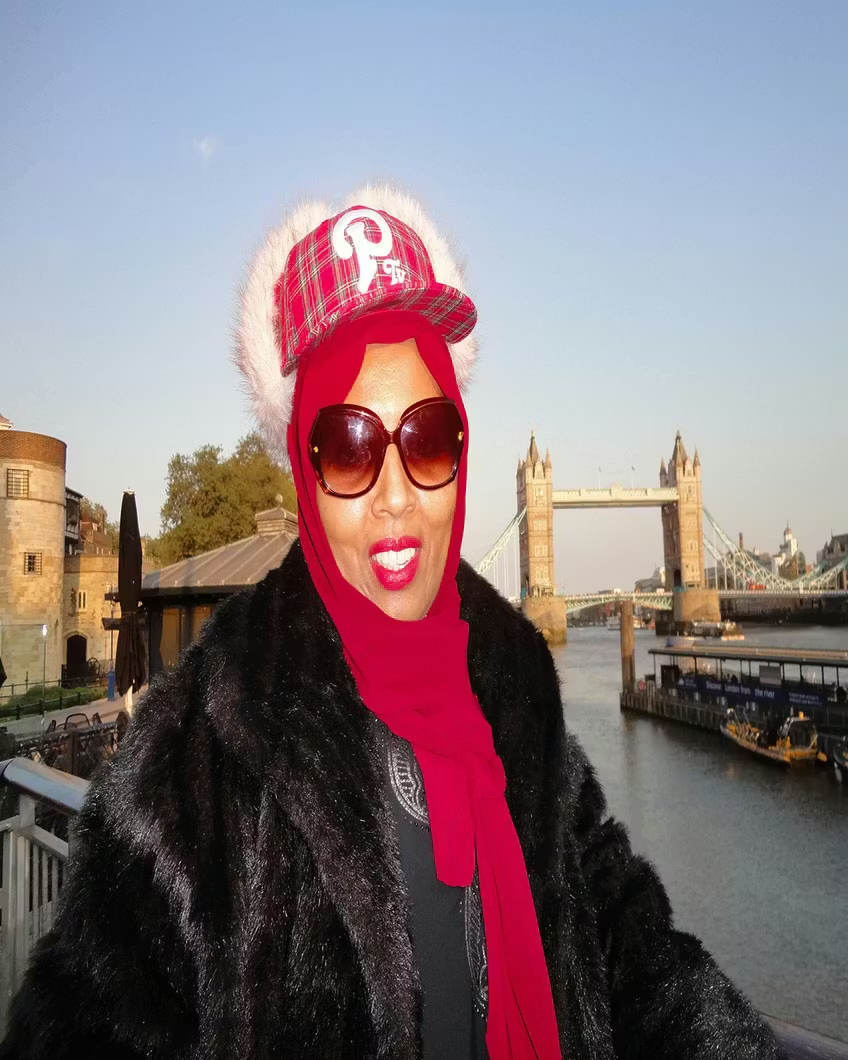
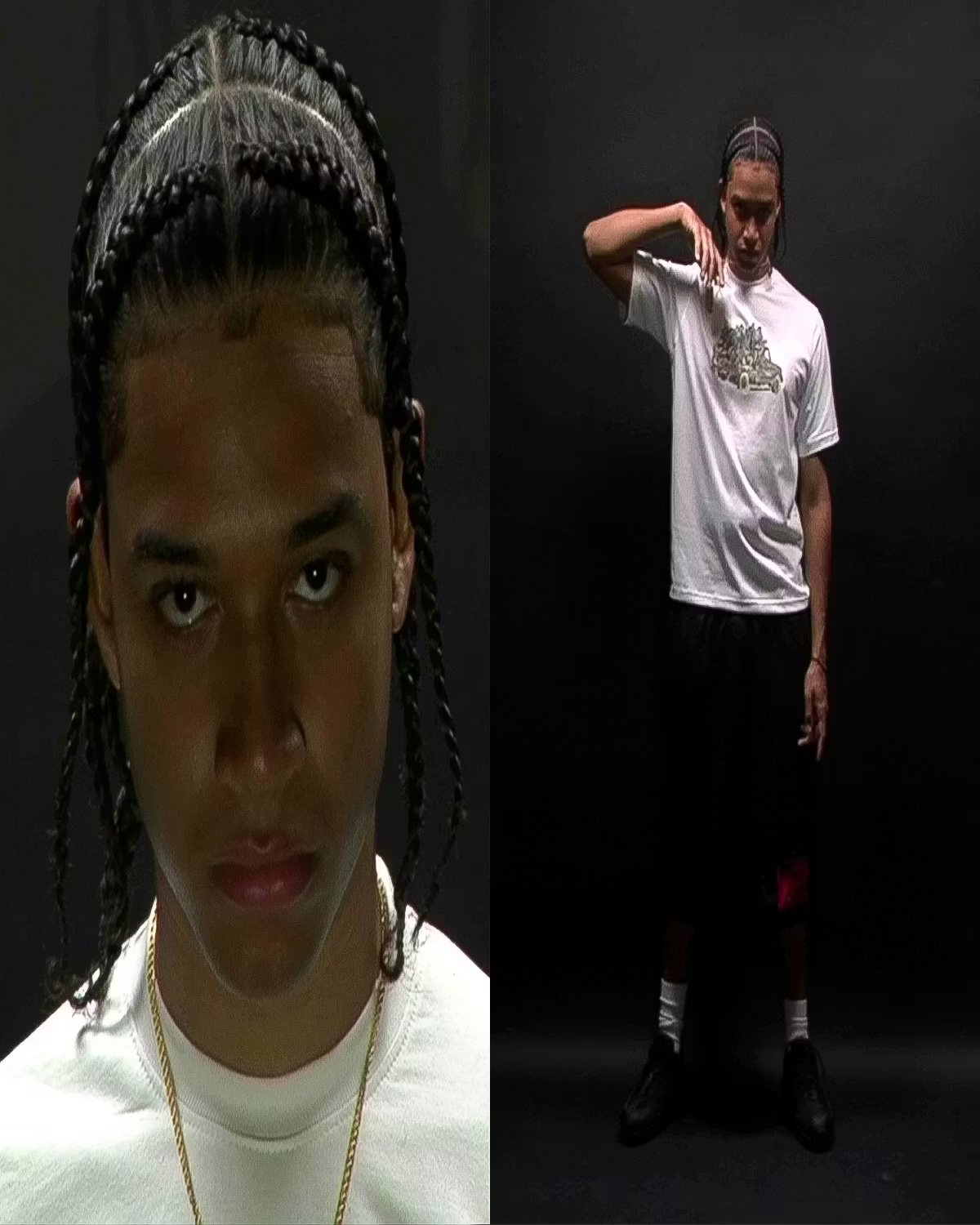
Courtesy of Peak Television
Peak Television
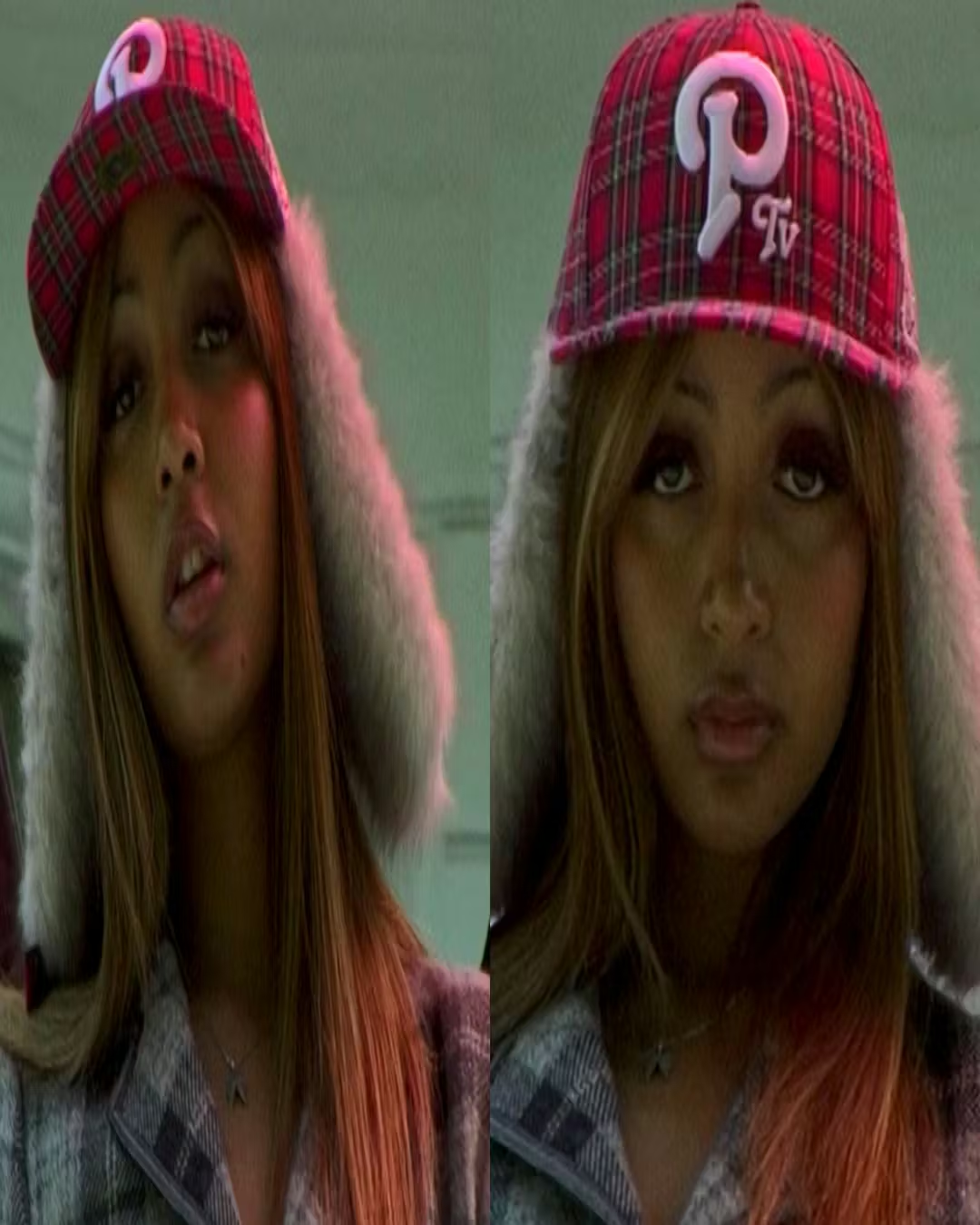
Peak Television is a purposefully cryptic brand, preferring to focus on limited releases over backstory. Its breakthrough moment came in 2021, a year after it was founded, with the release of a fur-trimmed, dog-eared cap inspired by something Skepta wore nearly 20 years earlier. It was a nod to the grime and underground cultures that shaped Peak Television’s aesthetic tastes. Cosigns from famous friends like PinkPantheress helped the brand carve out a niche in London’s streetwear scene, with graphics that semi-ironically pull from Y2K wardrobes and club nights.