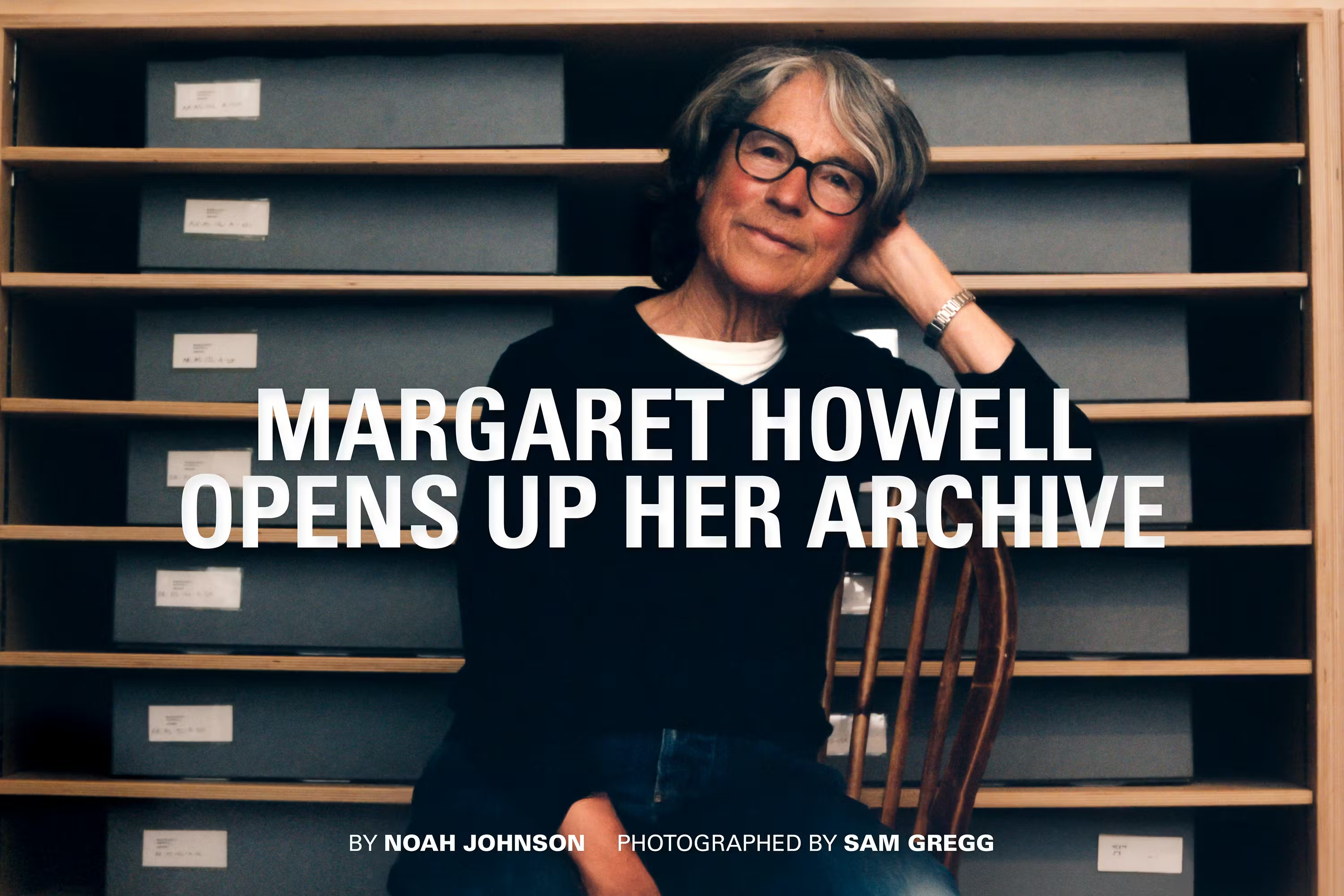

Margaret Howell has strong hands. When we meet with a polite shake in the basement archive of her shop on Margaret Street in Marylebone, I’m struck by the very clear impression that I’ve just met someone who uses her hands to make things. Dressed in faded blue jeans, black sneakers, and a well-worn white pocket tee, and carrying a black nylon backpack, the British designer exudes the cheerful but reserved demeanor of an introvert who finds herself regularly in the presence of people who need things from her.
These days, at 78, she is the head of design for her eponymous label, but not the head of the sizable business, which generates revenues in excess of $130 million. Her desk is in the corner of a large design studio, where dozens of apparel, accessories, and homeware designers also sit, working on products for Howell to approve. Since she started her business 55 years ago, the sensibility has not changed. “Loosening up traditional things“ is how she describes what she does. “Just making them more contemporary.” A simple objective, but one few have managed to do with the same delicate control and meticulous eye.
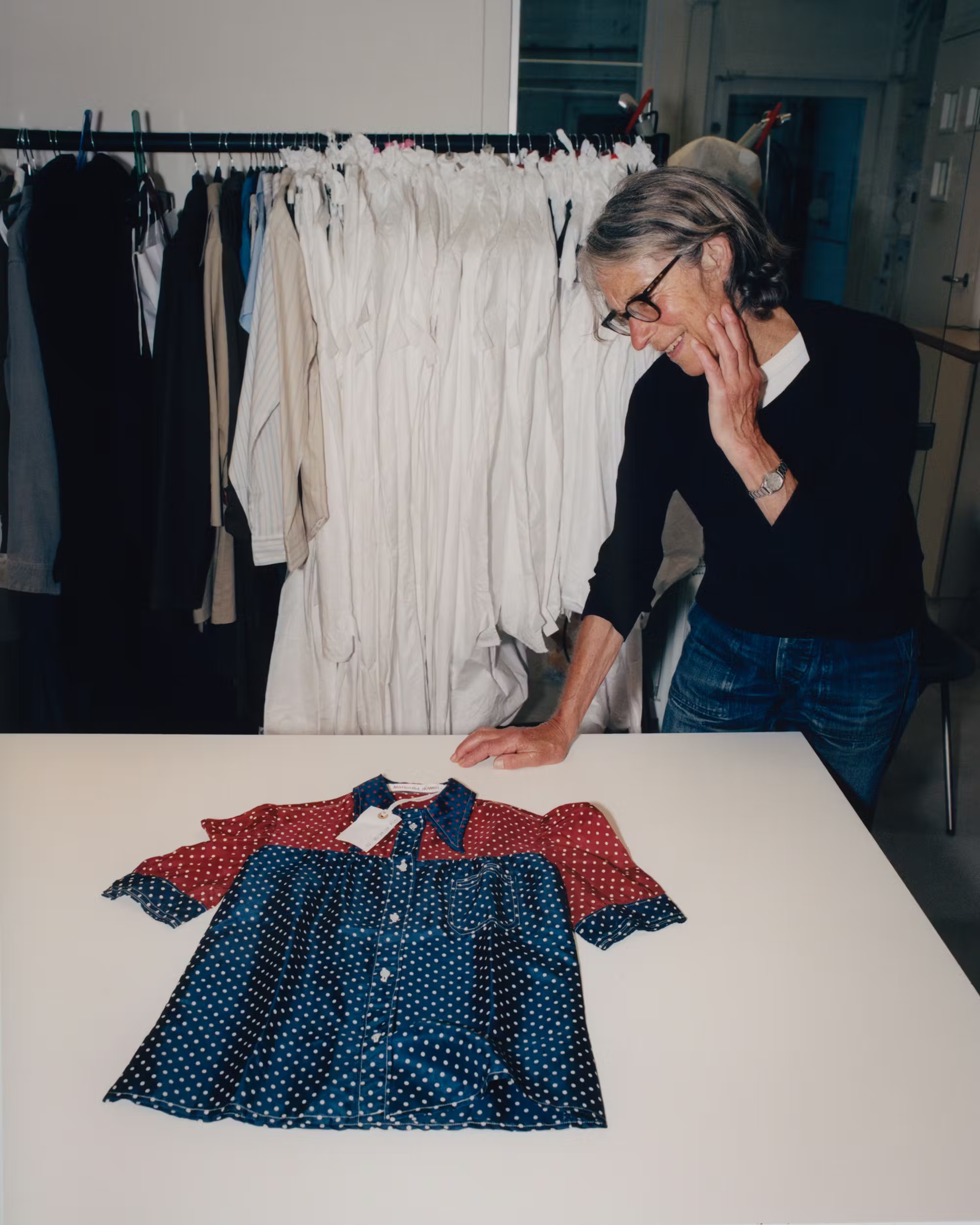
As we talk, I’m keenly aware that she'd probably rather be tending to the garden of her seaside home. But whether she likes it or not, Howell is one of the most important and well-regarded designers in fashion history. She’s the queen of an empire of good taste, having established a paradigm for loosening up the concept of timelessness itself in a way that many designers and brands have tried to emulate over the decades.
Meanwhile, Howell herself has kept a low profile. She’s not recognizable to the average Londoner, yet she also doesn't cultivate the mysterious aura of a Rei Kawakubo type. She doesn’t travel in a private jet like the late Giorgio Armani or possess the celebrity wattage of Ralph Lauren. But like them, she is a luminary who has contributed just as much as they have to the fashion canon.
In June, I had a chance to look back with her through some of her greatest contributions. Together with her full-time archivist, Howell took me on a tour of her career, through several rooms full of carefully organized garments sheathed in Tyvek and hanging on racks.
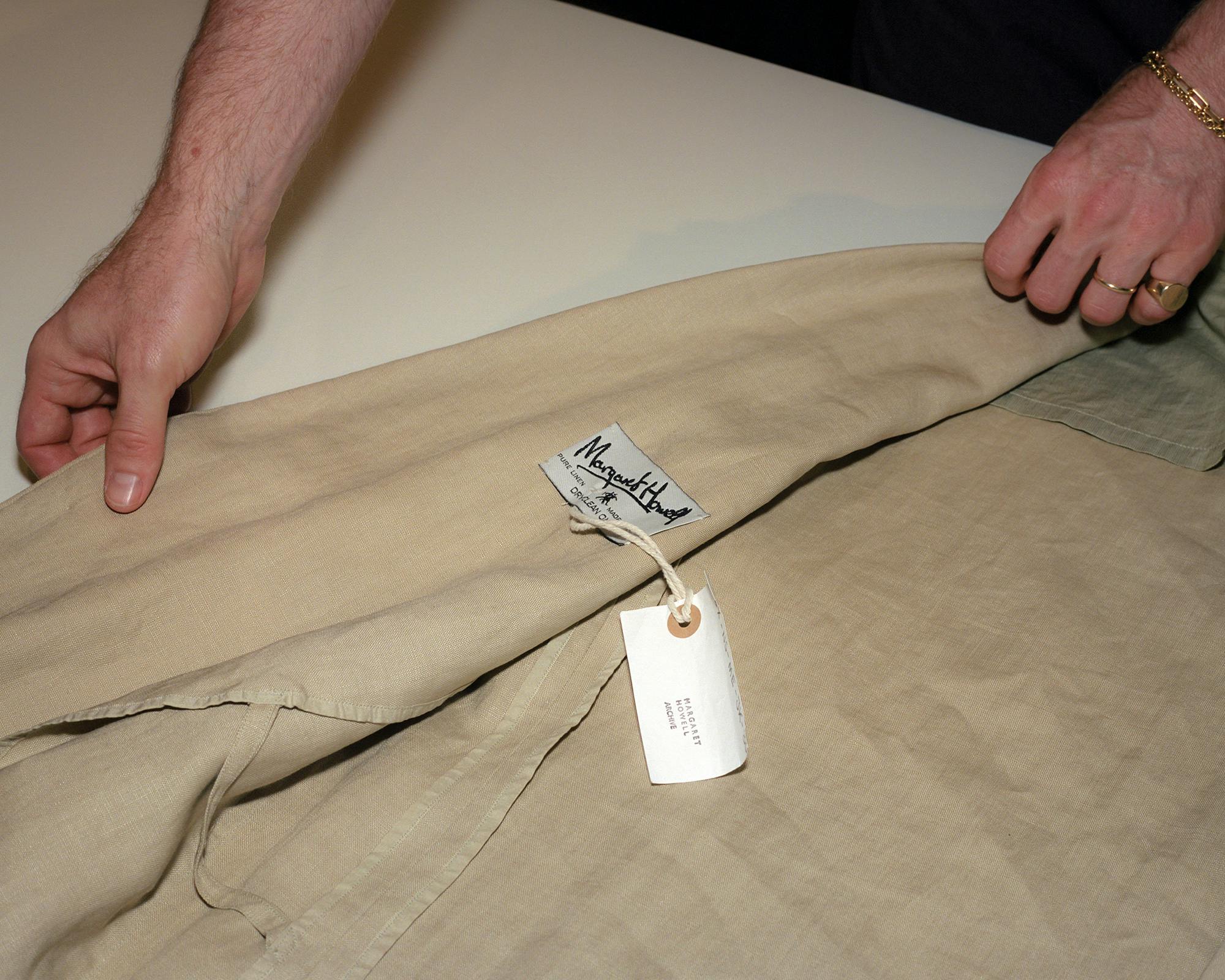
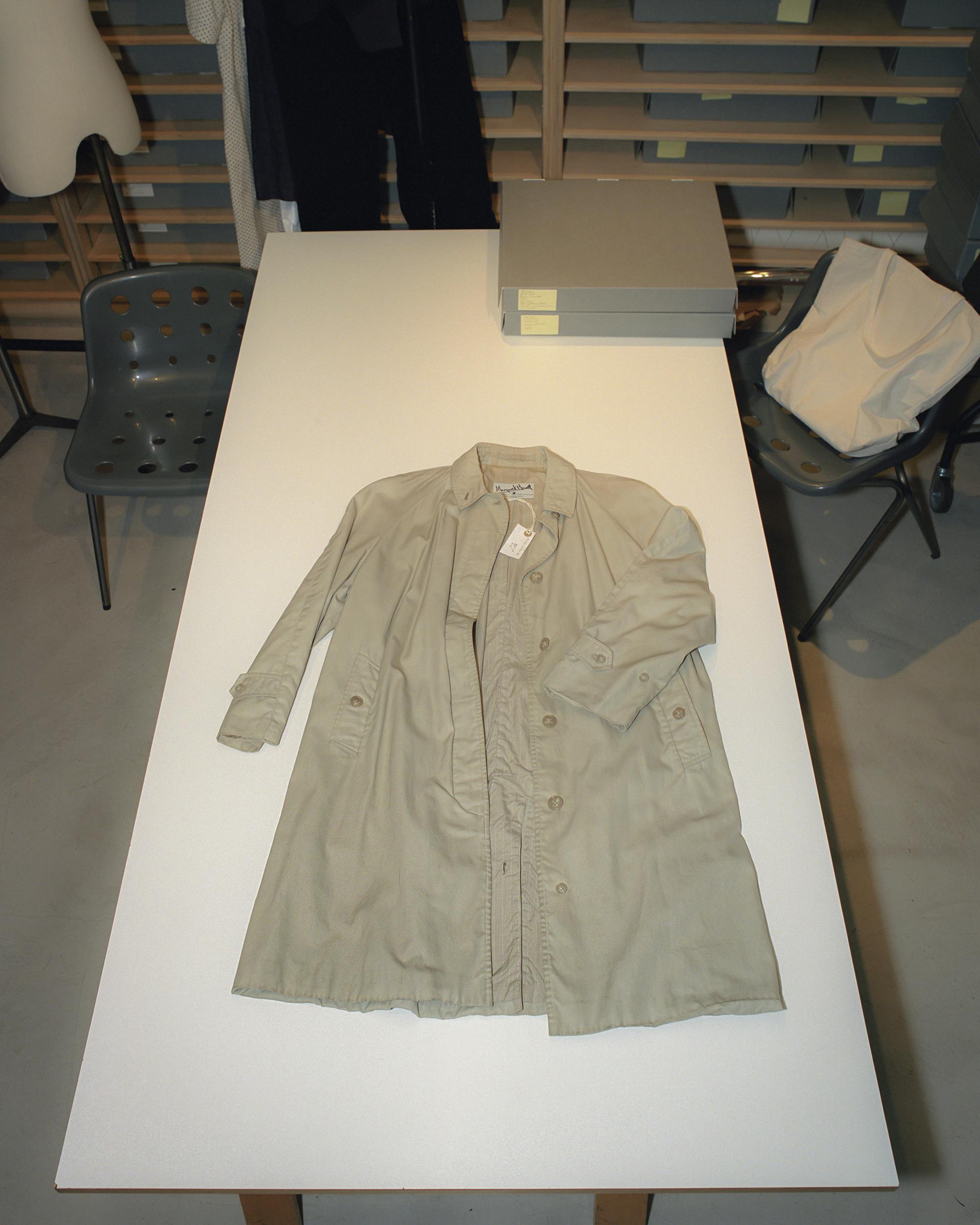
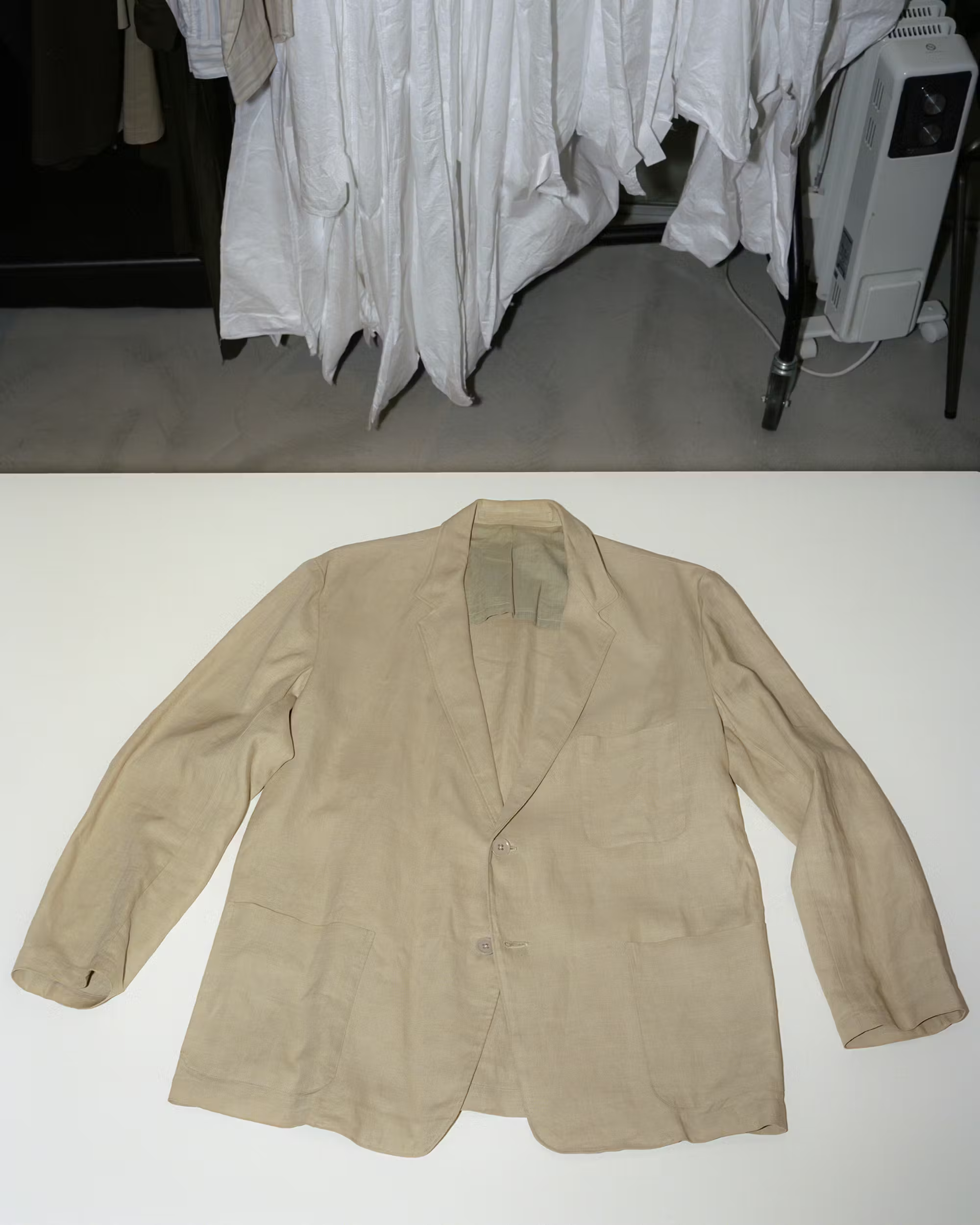
“I suppose one just grew up making things,” Howell tells me casually. She has a habit of using impersonal pronouns in this way, revealing the modesty with which she views herself and her work. “My mother would've made our clothes. I’m one of two other sisters — because it was of wartime, I suppose, and the economics of it, she used to make us clothes from the same fabric.”
For her 21st birthday, as was tradition in her family, Howell got a sewing machine as a gift. She found that French shirt patterns made for better fits than the English ones. At the time, she had just finished art school, where she studied drawing and painting, but putting paint on a canvas didn’t satisfy her urge to create. “It was more wanting to make something oneself,” she says. “You had that feeling of what you wanted and then choosing the fabric and learning about how to construct something.”

Learning to sew led Howell to a better understanding of the crafts that would become key to her business — such as understanding how and why the French shirt patterns were superior, and discovering fine English fabrics from unassuming street vendors. She got to work making shirts, trying to replicate the soft, worn feeling of the vintage men’s shirts she’d found in secondhand stores. A few retailers took notice — including Maxfield in Los Angeles (where Jack Nicholson found the corduroy Margaret Howell jacket he wore in The Shining) and Joseph in New York.
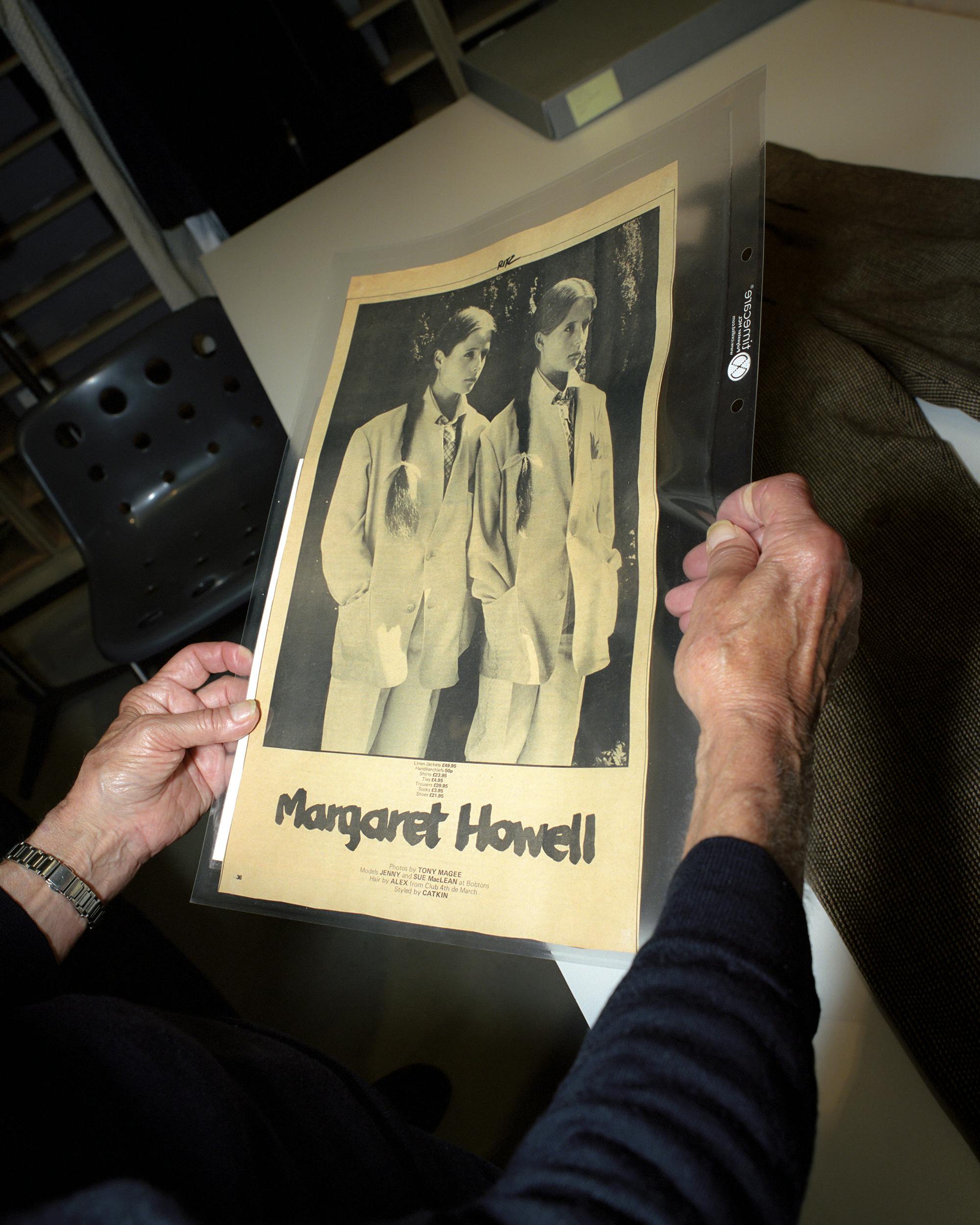
“That was the thing that set me off — making men's shirts, wasn’t it?” Howell says. “It was definitely not stiff and starchy, but good quality and softer structure.”
In 1977, Howell opened her first London store. At that time, she ran the label with Paul Renshaw, whom she would later marry, have two children with, then divorce in 1987. Howell continued to grow the business alone after that, until eventually she needed financial support. She licensed her brand to a Japanese businessman, who built it into an empire with more than 80 stores in Japan. Howell retained creative control over the brand — and became very wealthy, thanks to the savvy Japanese fashion market that appreciated her commitment to craft and the simple beauty of well-made clothes. Since then, she has ascended to a league of her own; it’s likely that she is your favorite designer's favorite designer.
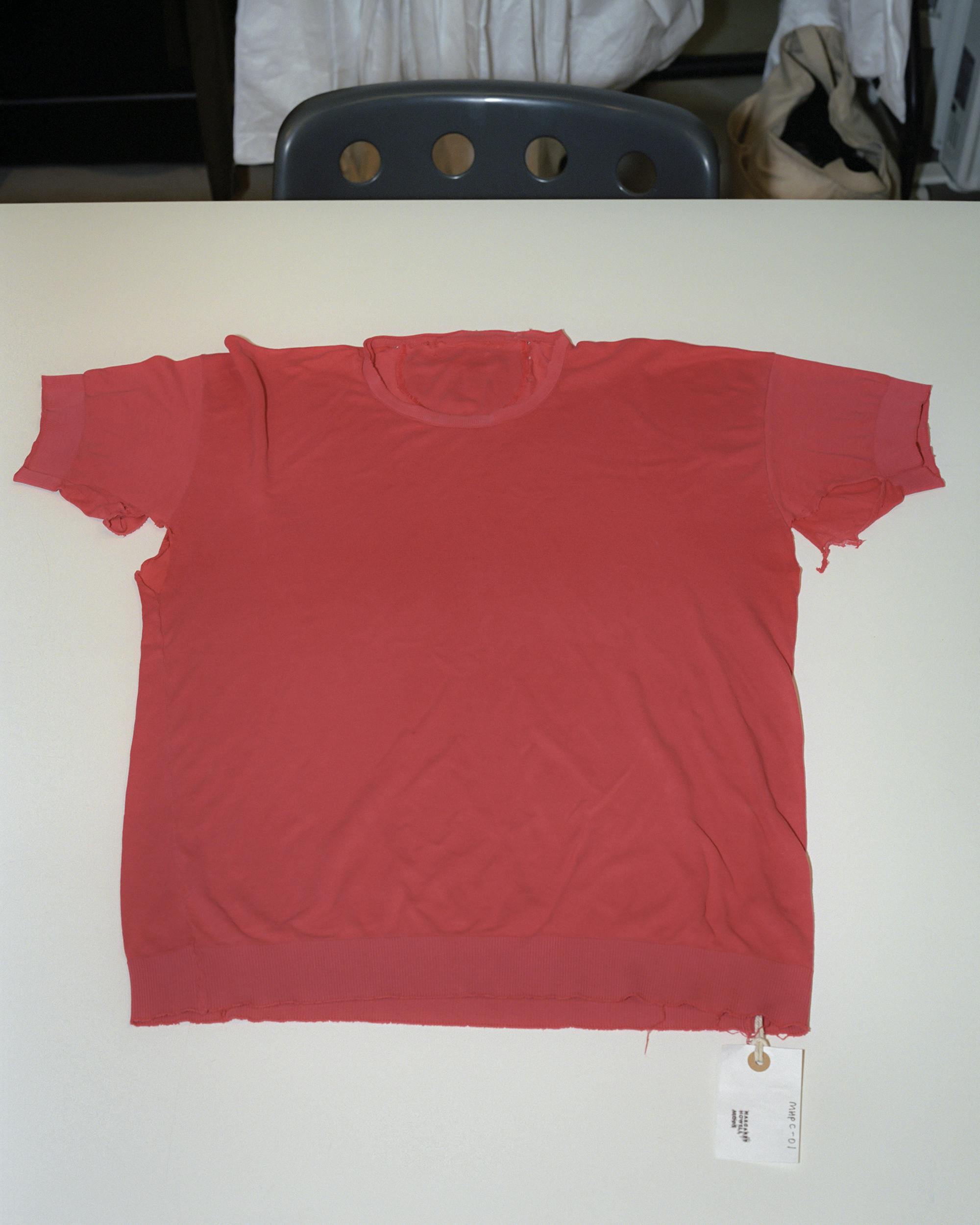
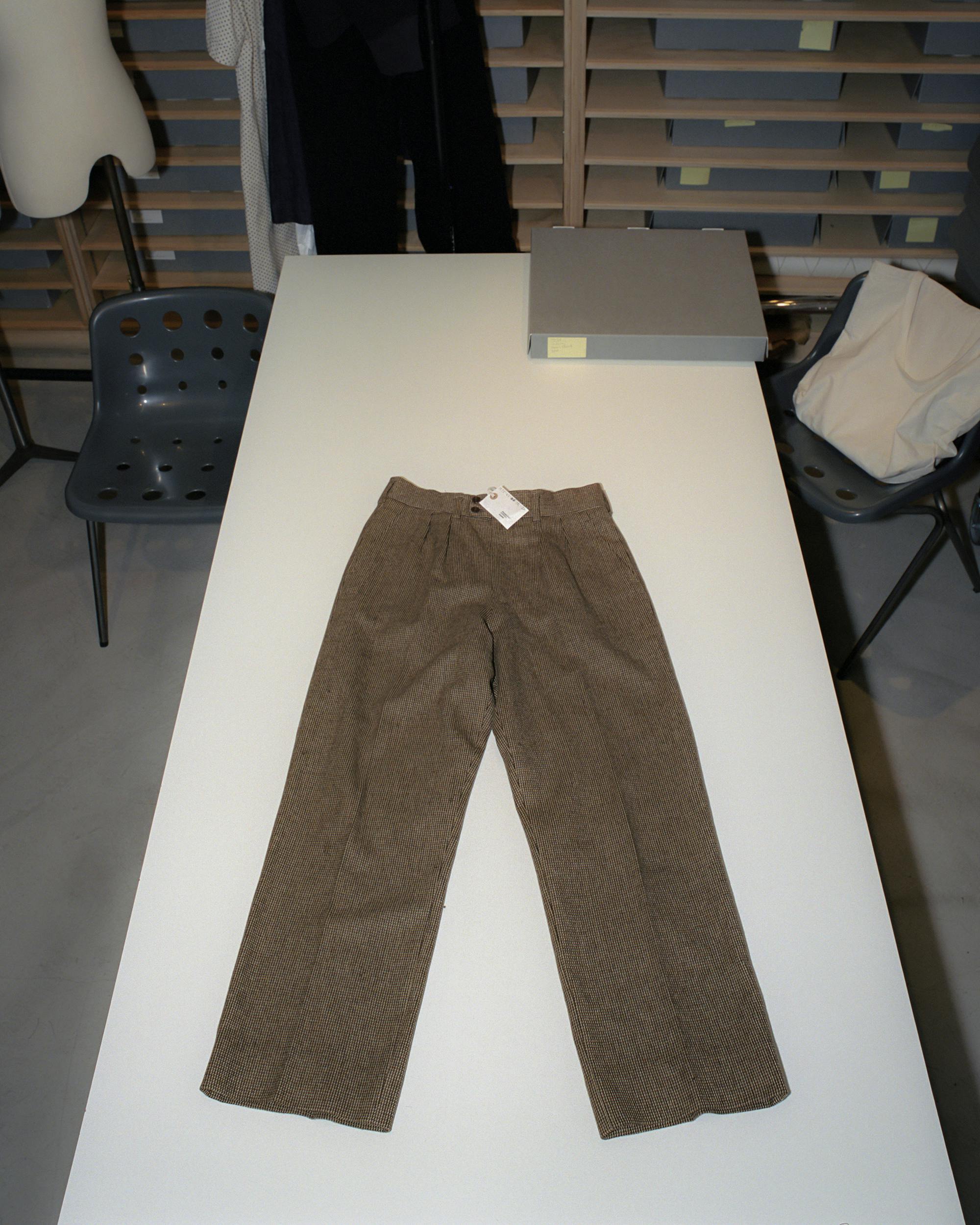
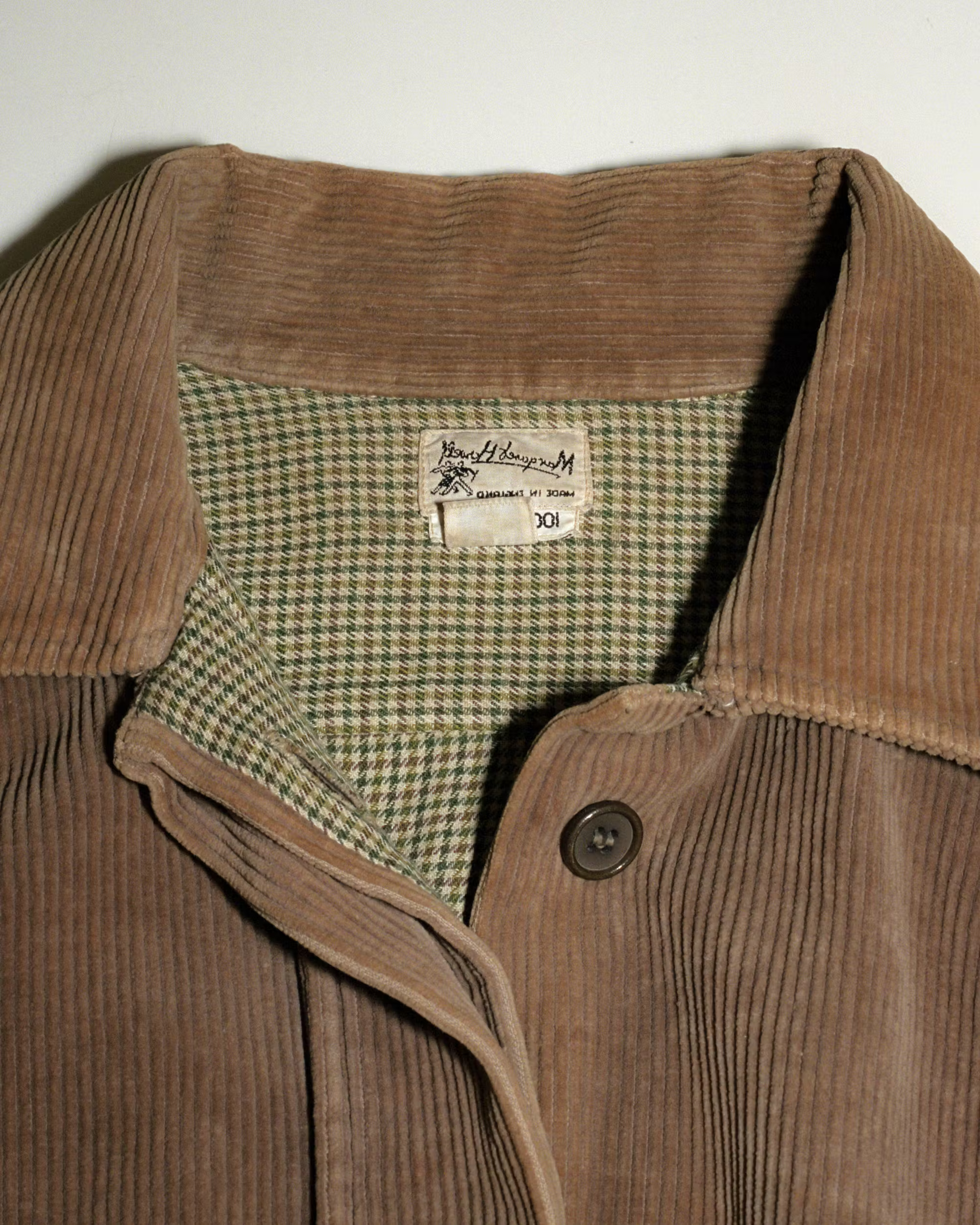
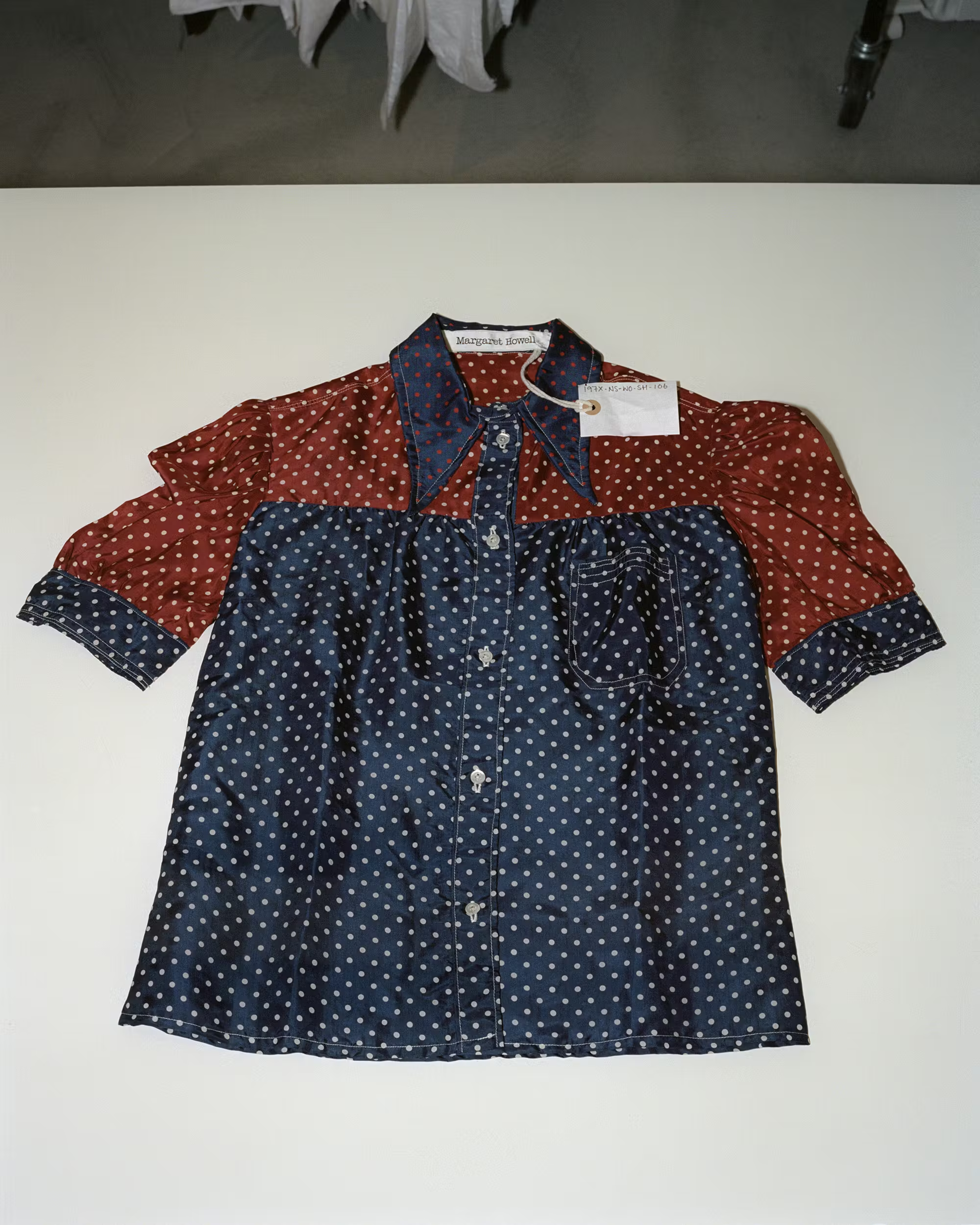
For Howell’s greatest admirers, the designer is as iconic for her restraint — for the things she doesn’t do, the details she leaves out — as for her output. Her brand oozes cool authenticity, something that comes naturally to Howell, as evidenced by the deep fades in the indigo of her own jeans. It’s also apparent when you visit one of the Margaret Howell stores in Paris, London, Florence, or Tokyo — all of which are appointed with the kinds of beautiful, functional objects that make ordinary life feel extraordinary, like Vitsoe shelving, Anglepoise lamps, Ercol furniture, Robert Welch cutlery, and handmade ceramics.
Merging clothing with craft and industrial design in this way seems all too familiar now, but it’s important to know that this was a formula that Howelt pioneered and perfected: One arrives at extraordinary clothes by first developing a wide appreciation for all things well made. “I remember my mother talking about good quality,” Howell explains. “She would make her own curtains and our clothes using good-quality fabric. And my dad would garden, and we’d eat the vegetables he grew.” It was all part of a “lifestyle,” she says.

Still, to typify Margaret Howell’s clothes as “unassuming” does her life’s work a disservice. Her garments stand out for their quiet elegance, free of frivolity, awesome in their simplicity, and rich with quality that can be felt but isn't always seen. Increasingly, I think young designers emerging today are arriving at clothes-making with an ethos similar to Howell’s. What advice would she give them, I wonder. What did she figure out that worked so well?
“They’re real clothes,” she says of her designs. “They’re not fantasy. It is about the real piece — that it does change. You do have to have a feeling for that. But basically, it’s got to be functional. You must have a feel for the quality of cloth.”
Credits
By: Noah Johnson
Photographed By: Sam Gregg