By: Giorgia Feroldi
The story of Italian fashion (and in particular, its centrality in Milan) that gets told most often is one of inheritance, of ancient houses and artisanal lineages, of craftsmanship passed down through generations like a family name, worn with pride by sciure [always well-dressed Milanese women] on Via Montenapoleone and in the pages of glossy magazines. It is a real story, to be fair. It is also, by now, almost entirely useless as a framework for understanding what is actually happening.
The Italian fashion system has historically been better at protecting what it has than at amplifying what it's becoming. The big houses absorb young talent. The international press mostly follows economically relevant players, and money, for now, is still in the Quadrilatero fashion district. The underground, meanwhile, has to build its own infrastructure and community.
What is happening is that a generation of Italian designers – and a few who arrived in Italy and chose to stay – have spent the last several years creating something with a very different logic. Overcoming heritage and aspiration, there's a logic closer to necessity, and a certain stubbornness in the face of a system that rewards size over depth. They work out of Bologna and Biella and Busto Arsizio, small studio apartments in Milan or outskirts and provinces; they produce in limited quantities from deadstock and reclaimed yarn and century-old military-grade technical fabrics; they show, when they show at all, in the rooms of foundations that their peers run. They are, collectively, the most interesting things happening in Italian fashion, and the least written-about internationally.
Some of the names below are already on the radar of buyers and critics who pay the closest attention, a few have landed at Dover Street Market, others have won the LVMH Prize or are in the running for it, among other recognitions and exhibitions. Others are known primarily to a tight community of musicians, skaters, knitwear obsessives, and people who stumbled onto their Instagram at the right moment. All of them deserve your attention. This is a list of designers who are building on their own terms, within a system that makes it very difficult to do so, and doing it anyway.
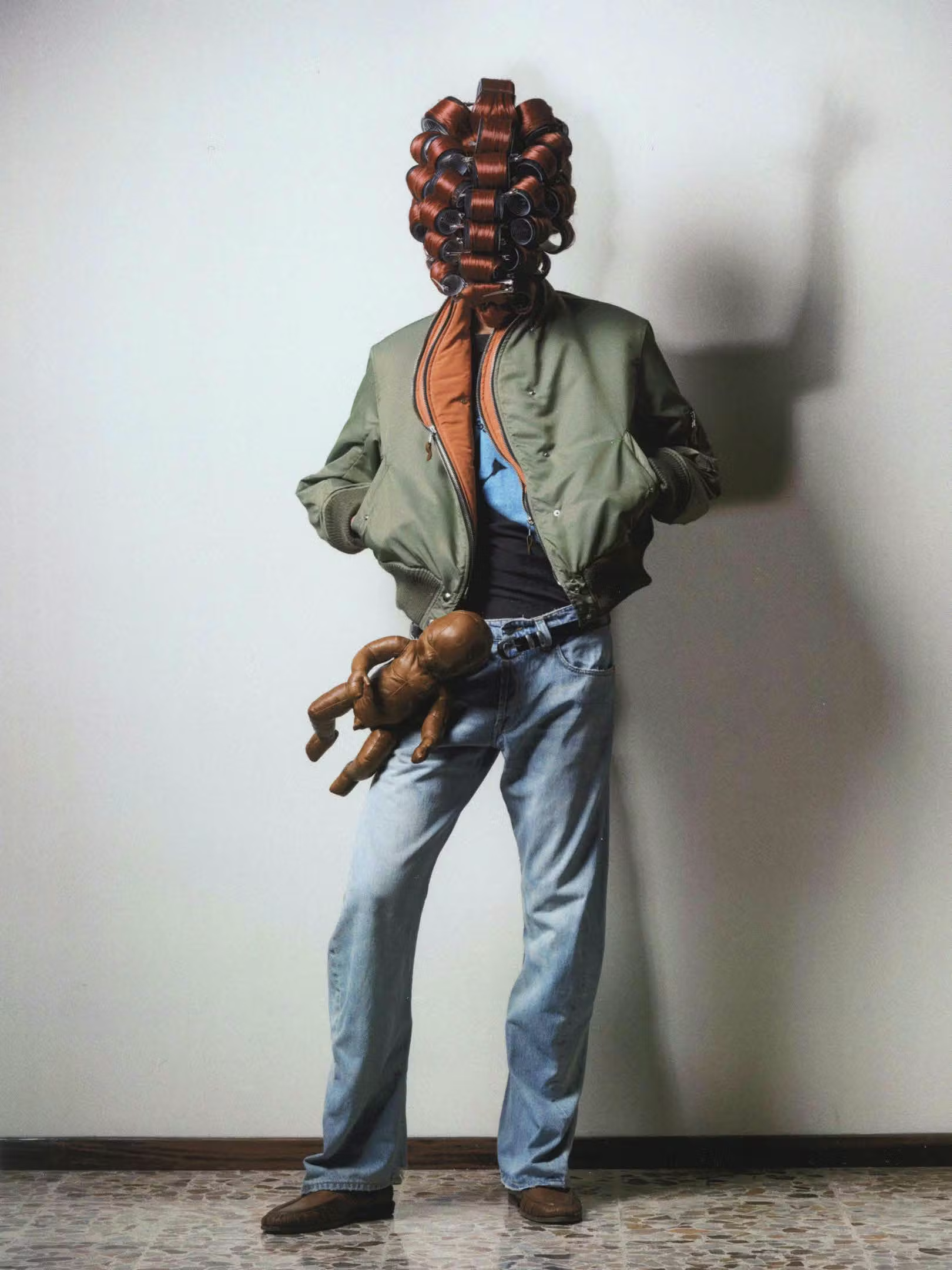
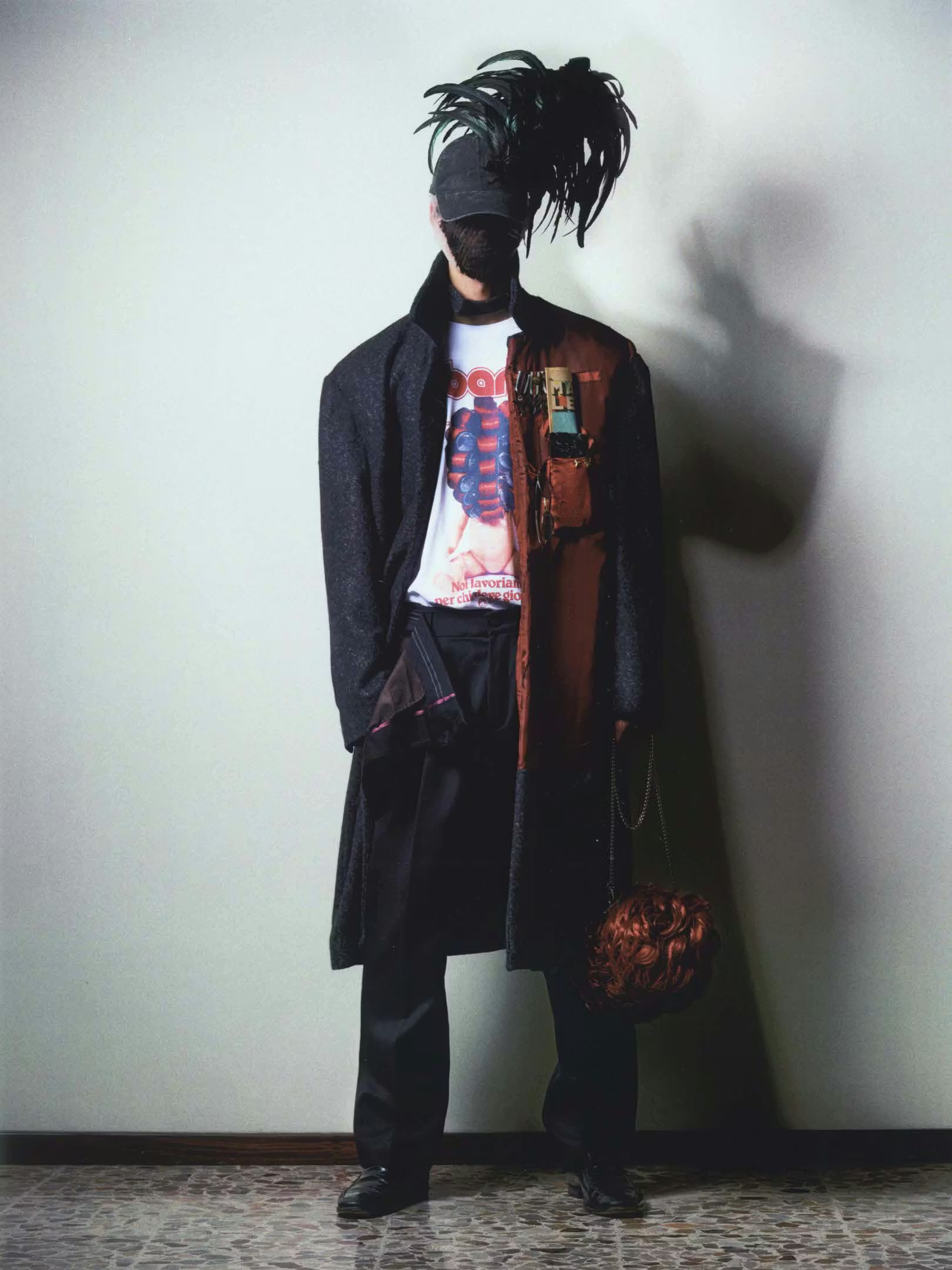
Courtesy of Grossi
Grossi
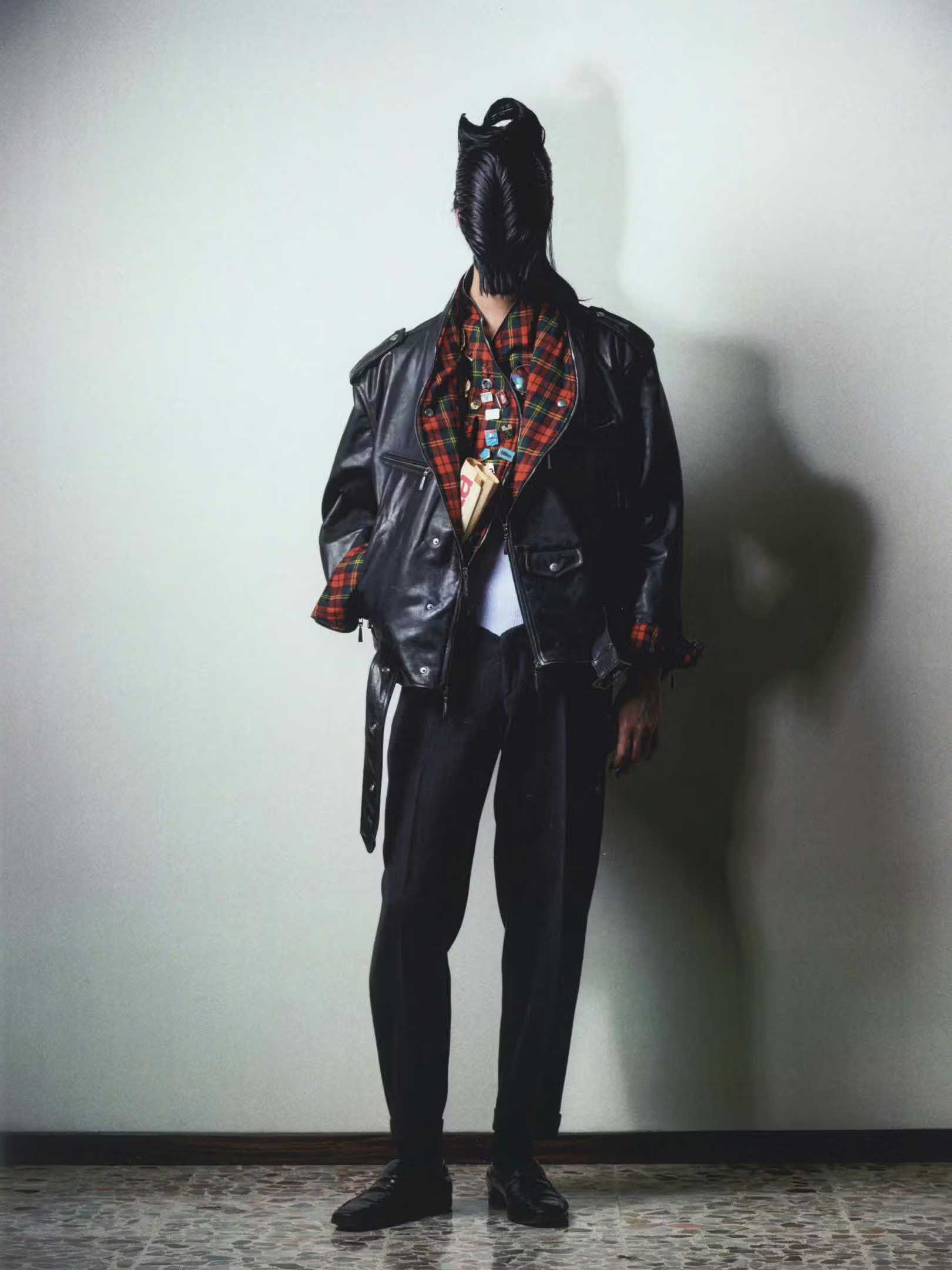
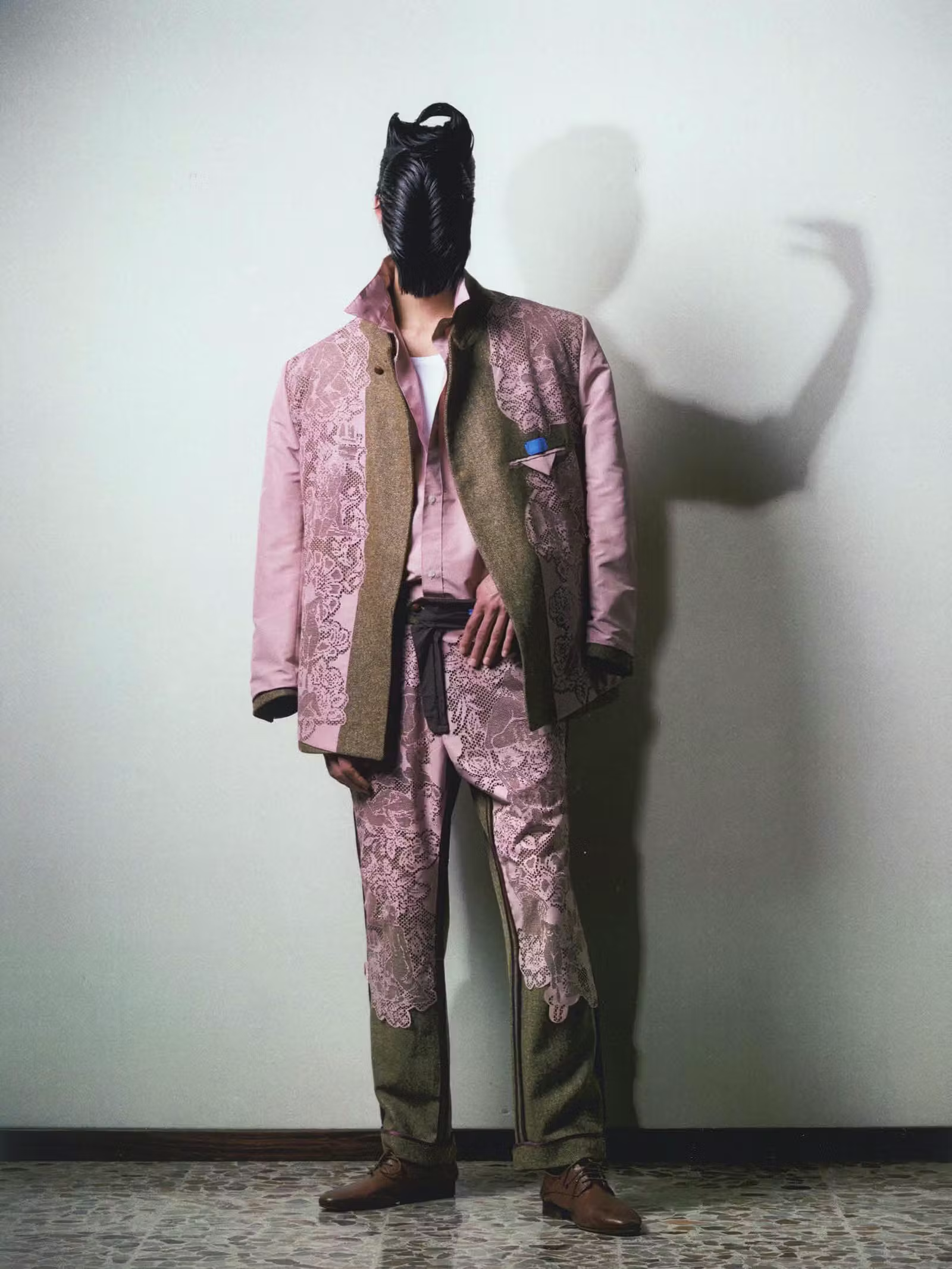
Andrea Grossi was born in Reggio Emilia, studied at Polimoda in Florence, and passed through Glenn Martens' Diesel before launching his eponymous brand. His work orbits the tension between craft and technology, tradition and experimentation, with a real sense of material intelligence: his graduation collection famously incorporated skin-toned printed leather to simulate the texture of tattooed bodies, and his subsequent work on denim has continued to interrogate what garments are made of and what they are made to mean. Showcased within the Victoria & Albert's Marie Antoinette Style exhibition, Grossi is making a case for Italian fashion as something that feels thought out rather than rushed into existence by ambition alone.
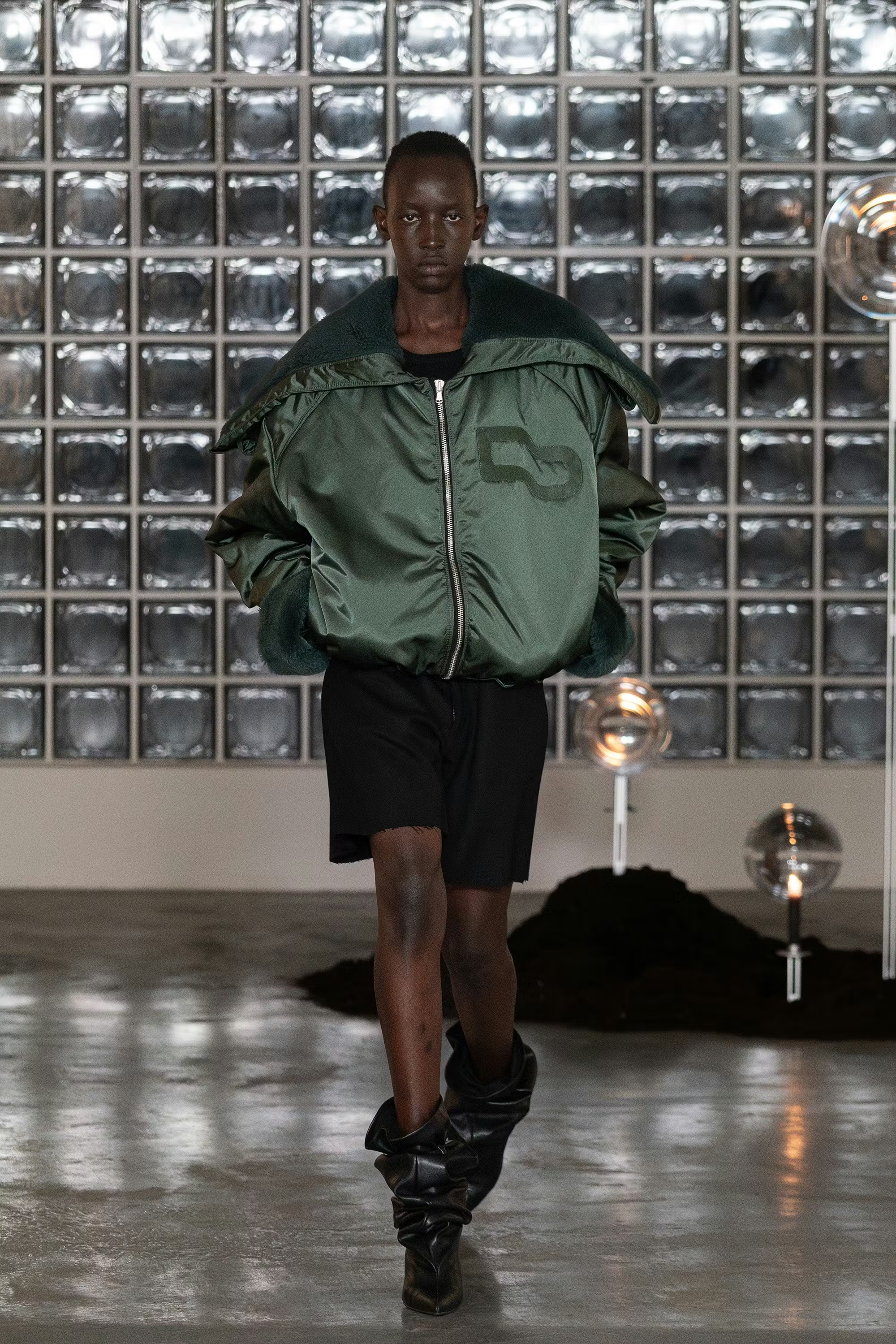
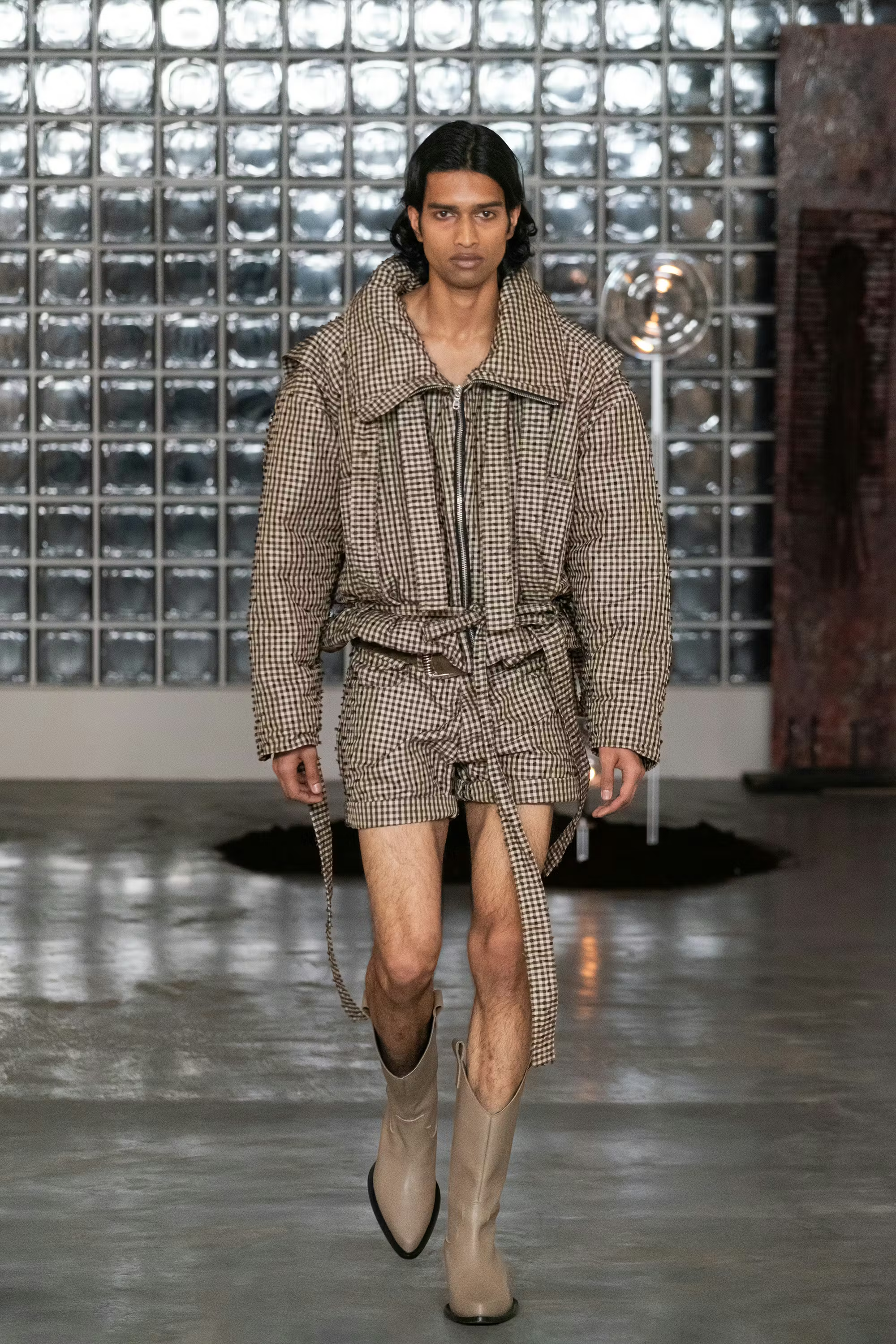
Courtesy of Domenico Orefice
Domenico Orefice
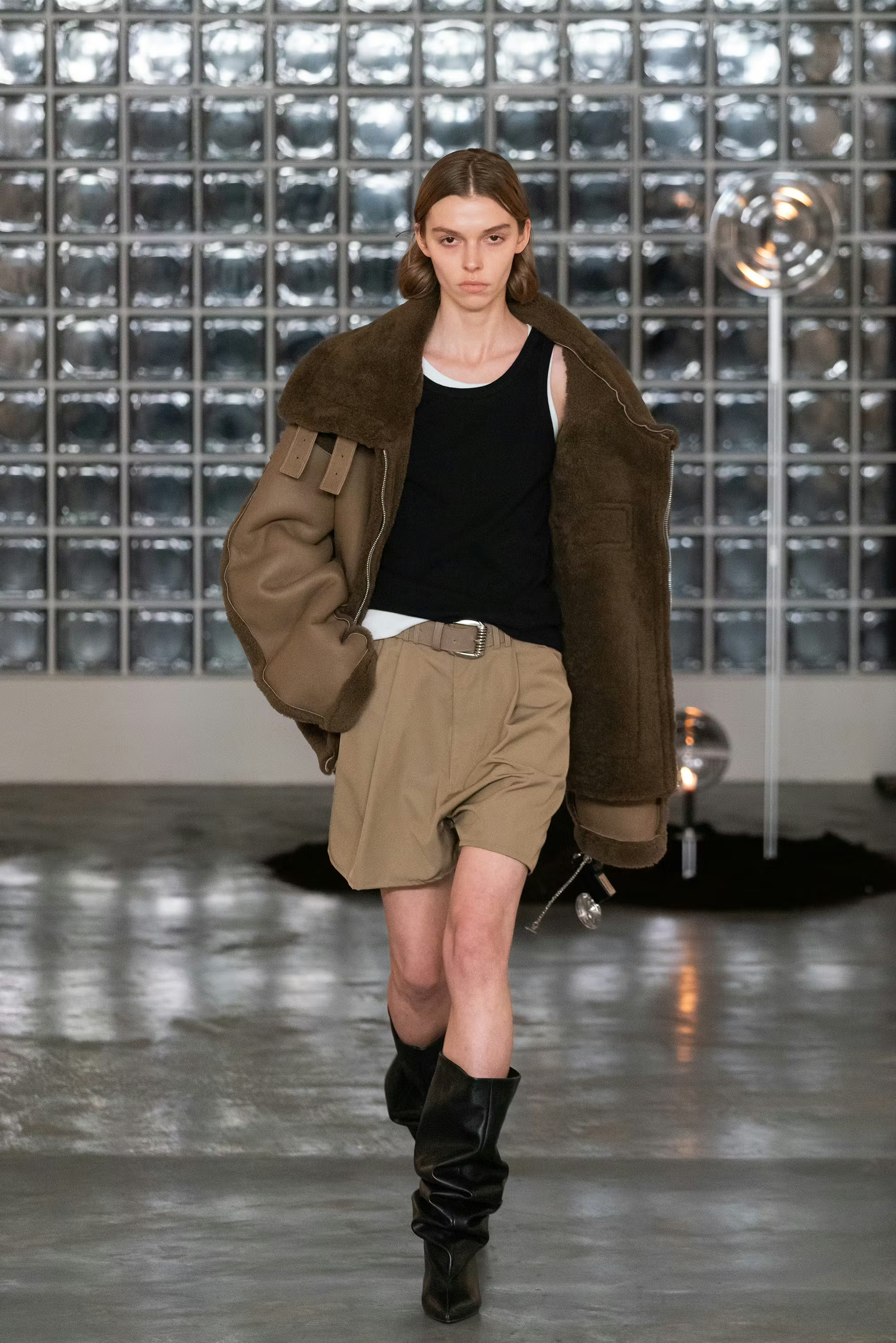
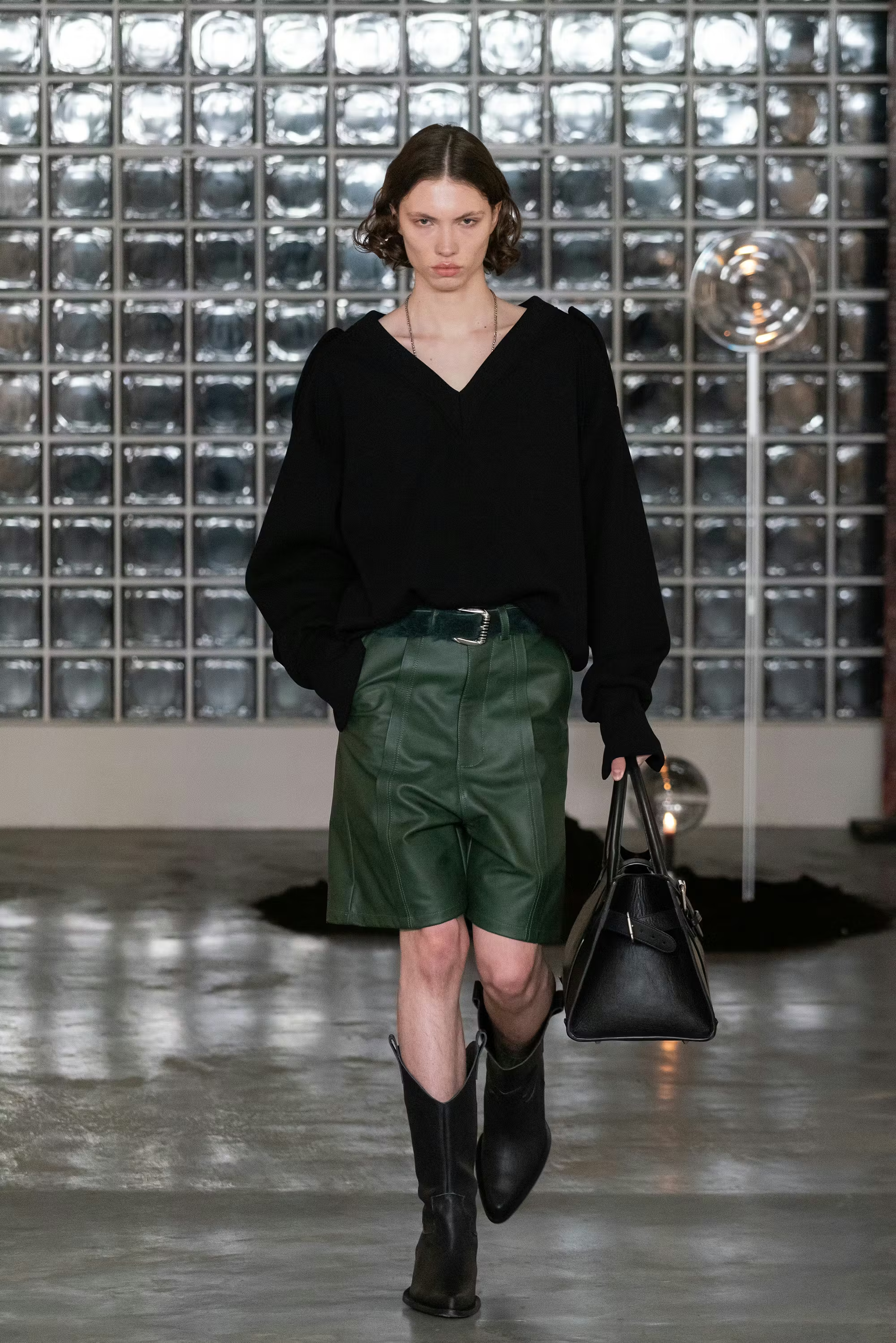
There is a kind of Italian designer who forms themselves by leaving, who has to see their homeland from a distance before they can understand what to take from it. Domenico Orefice was born in Naples, but moved to Florence before reaching his official runway debut at Milan Men's Fashion Week in January 2026 at Fondazione Sozzani – a venue that functions, among Milan's emerging designers, as a seal of cultural seriousness. Dover Street Market Paris had already placed its first order a couple of seasons back. A finalist for the Camera Moda Fashion Trust Grant in 2024, Orefice works at the intersection of Italian sartorialism and a nomadic sportswear sensibility, and has recently signed the third kit for the new season of football club Udinese Calcio.
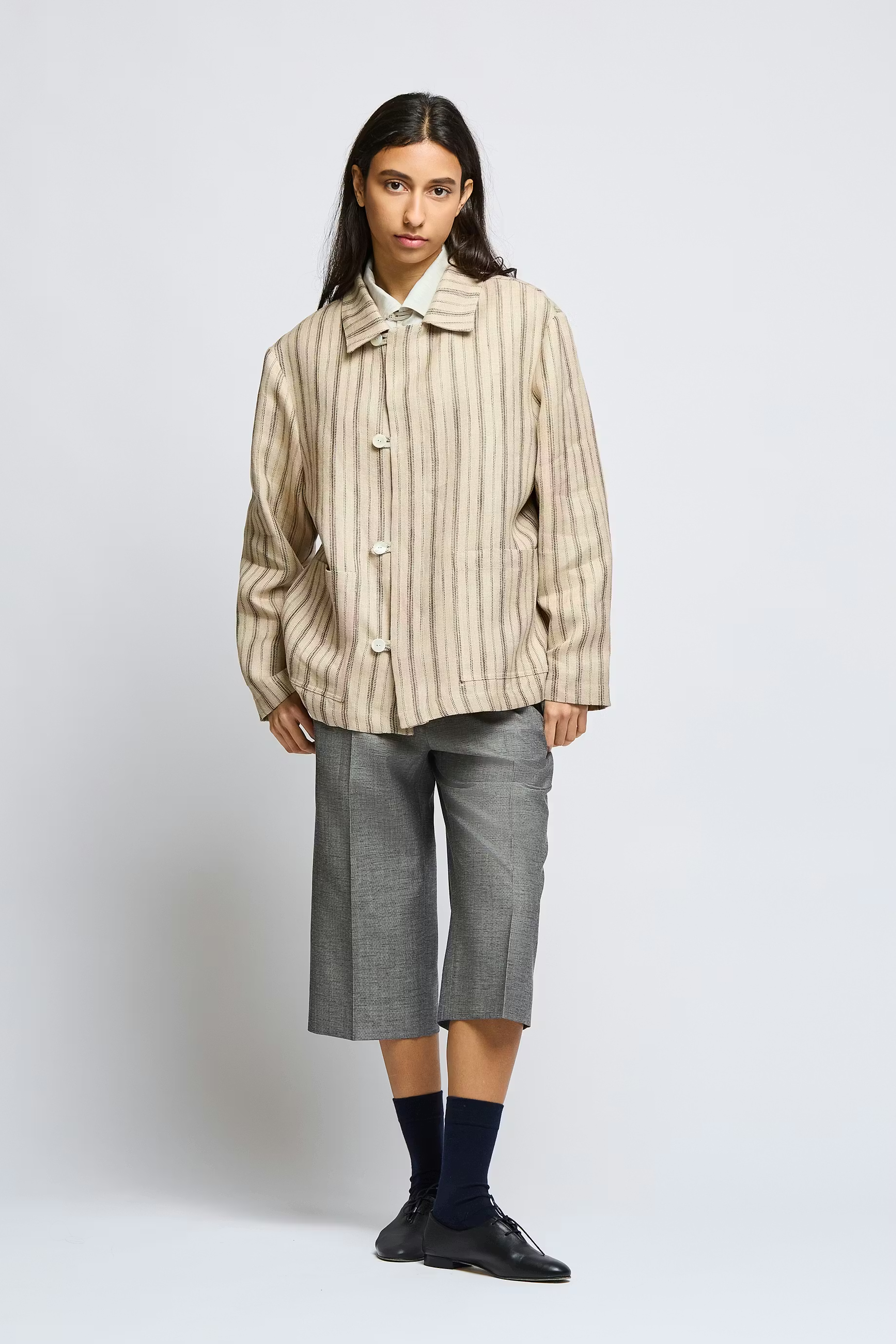
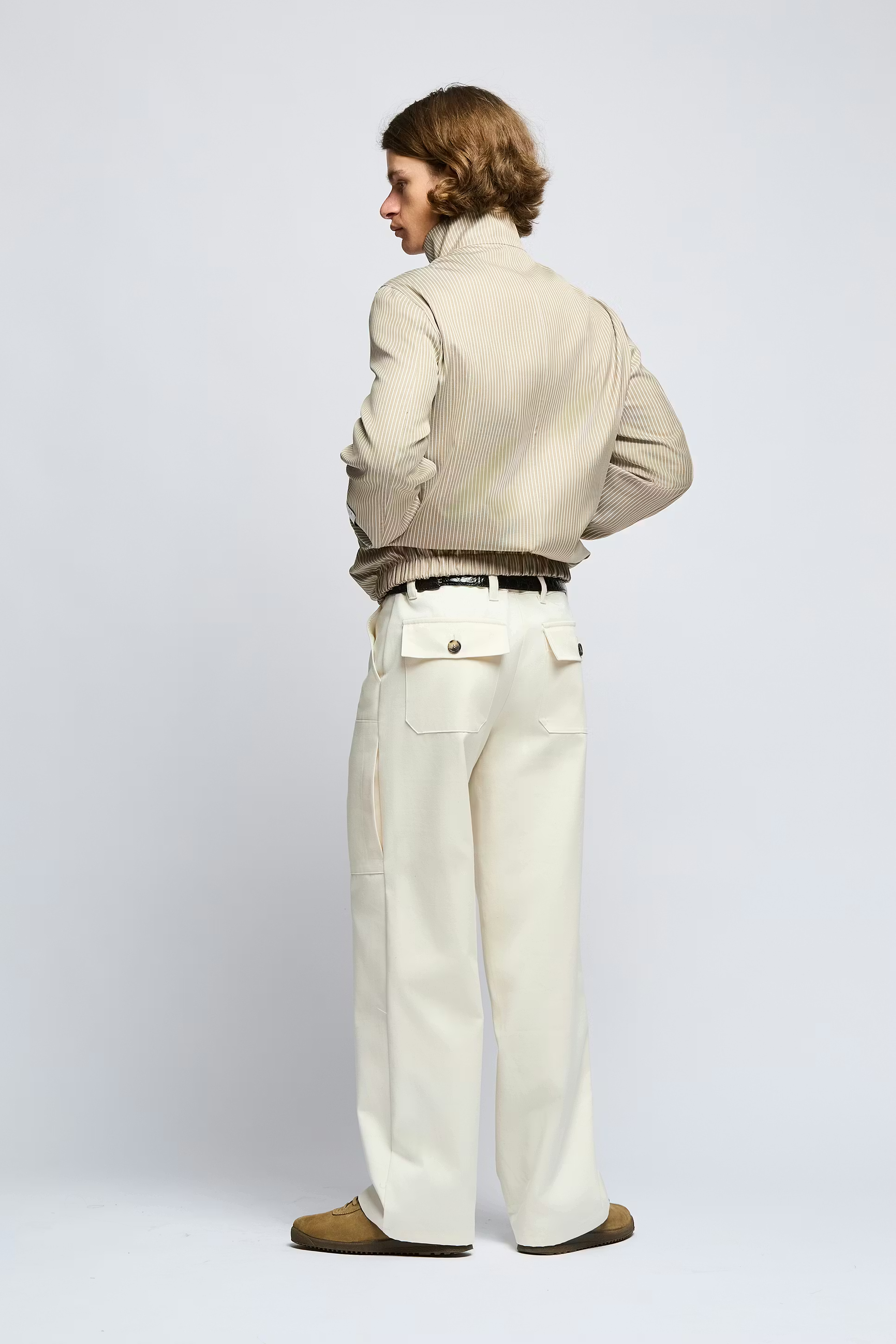
Courtesy of SEEKÎNAMOUR
SEEKÎNAMOUR
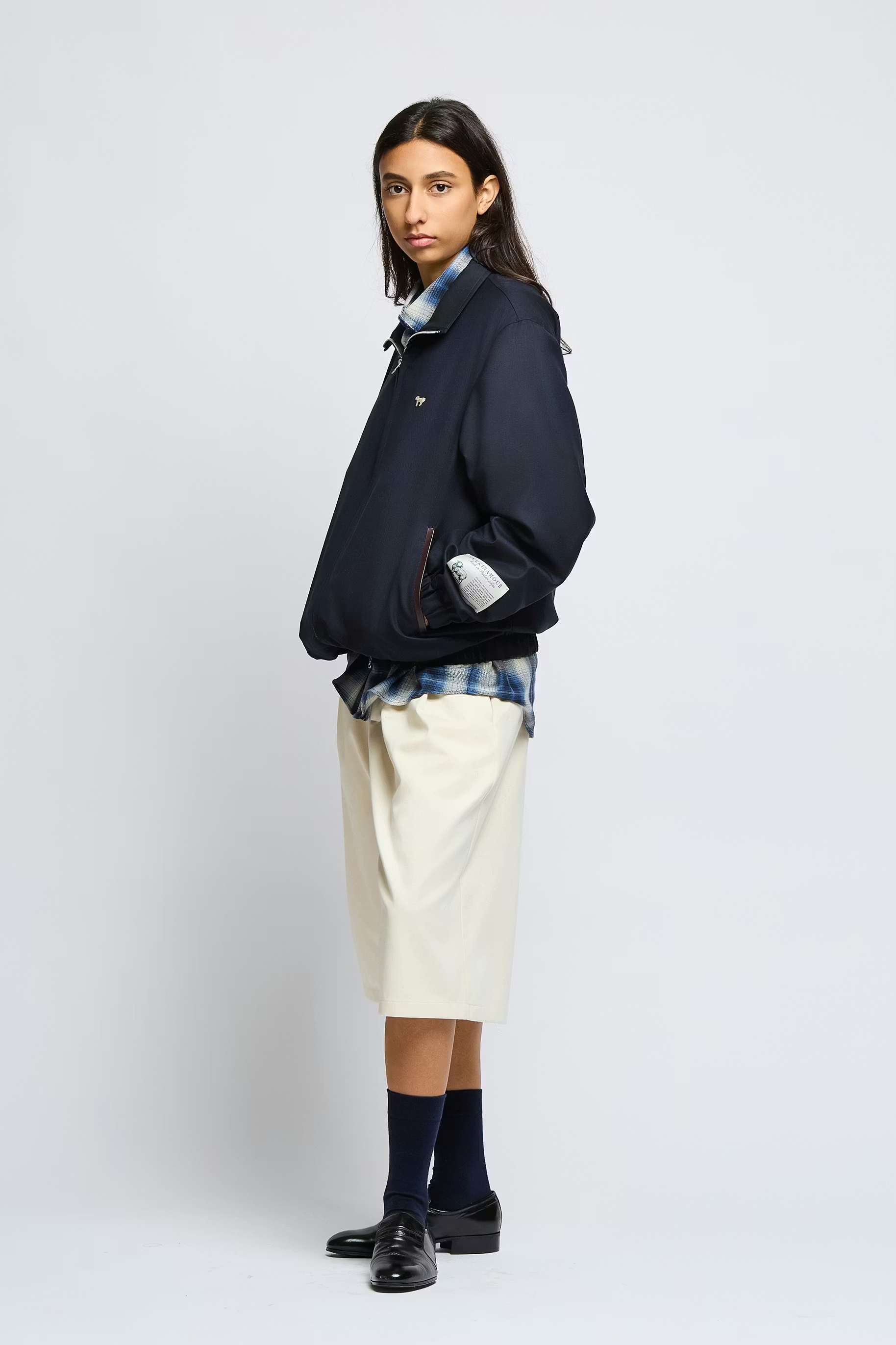
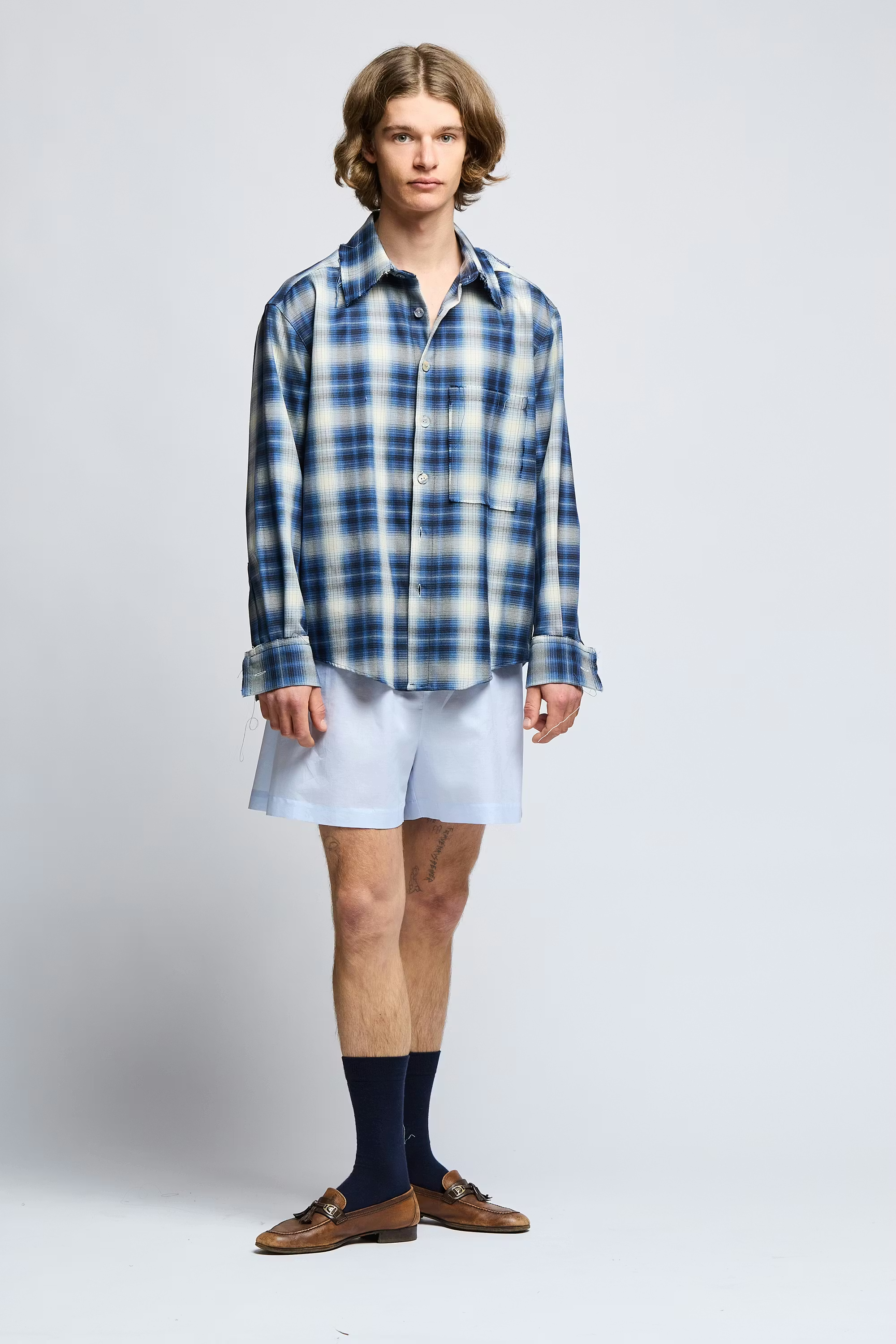
Founded in Biella – the northern Piedmontese town that has produced more of the world's finest textiles for longer than almost anywhere else – by brothers Abdrahem and Yousef Bouraya, SEEKÎNAMOUR begins with a name that does more work than most: seekina, the Arabic concept of inner peace, fused with the English idea of perpetual seeking that, finally, leads to amore. Before a single garment is discussed, the brand has already declared itself multicultural, multilingual, and invested in something other than product. The clothes are made entirely in Italy from noble natural fibers like cashmere, wool, silk, and cotton, in small batches, with a commitment to the Biellese textile tradition and the considered simplicity of garments designed to last rather than trend. Seekînamour is genuinely underground at an international level, which is precisely the reason to bring it into the conversation now, while their luxury is somewhat approachable and definitely worth it.
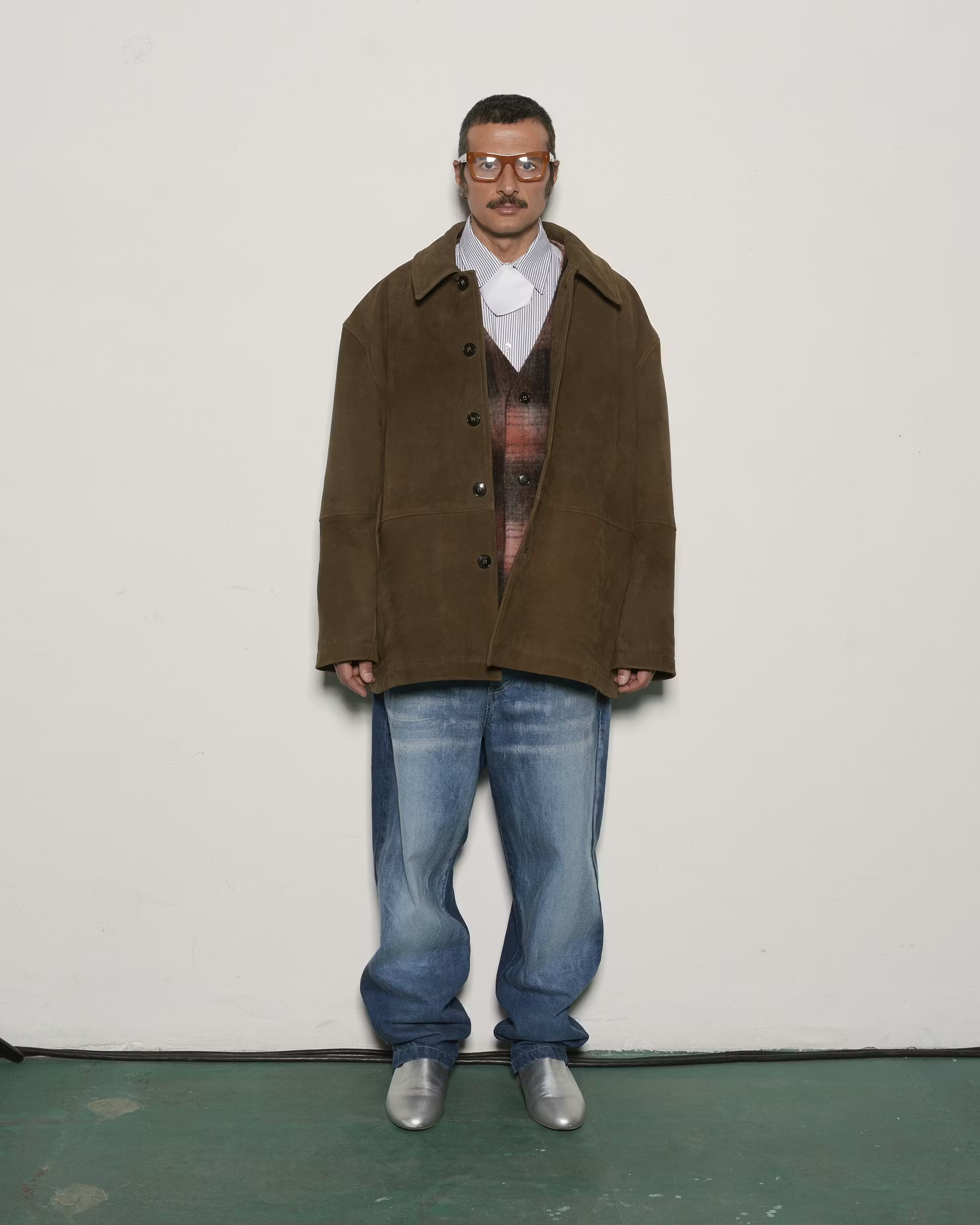
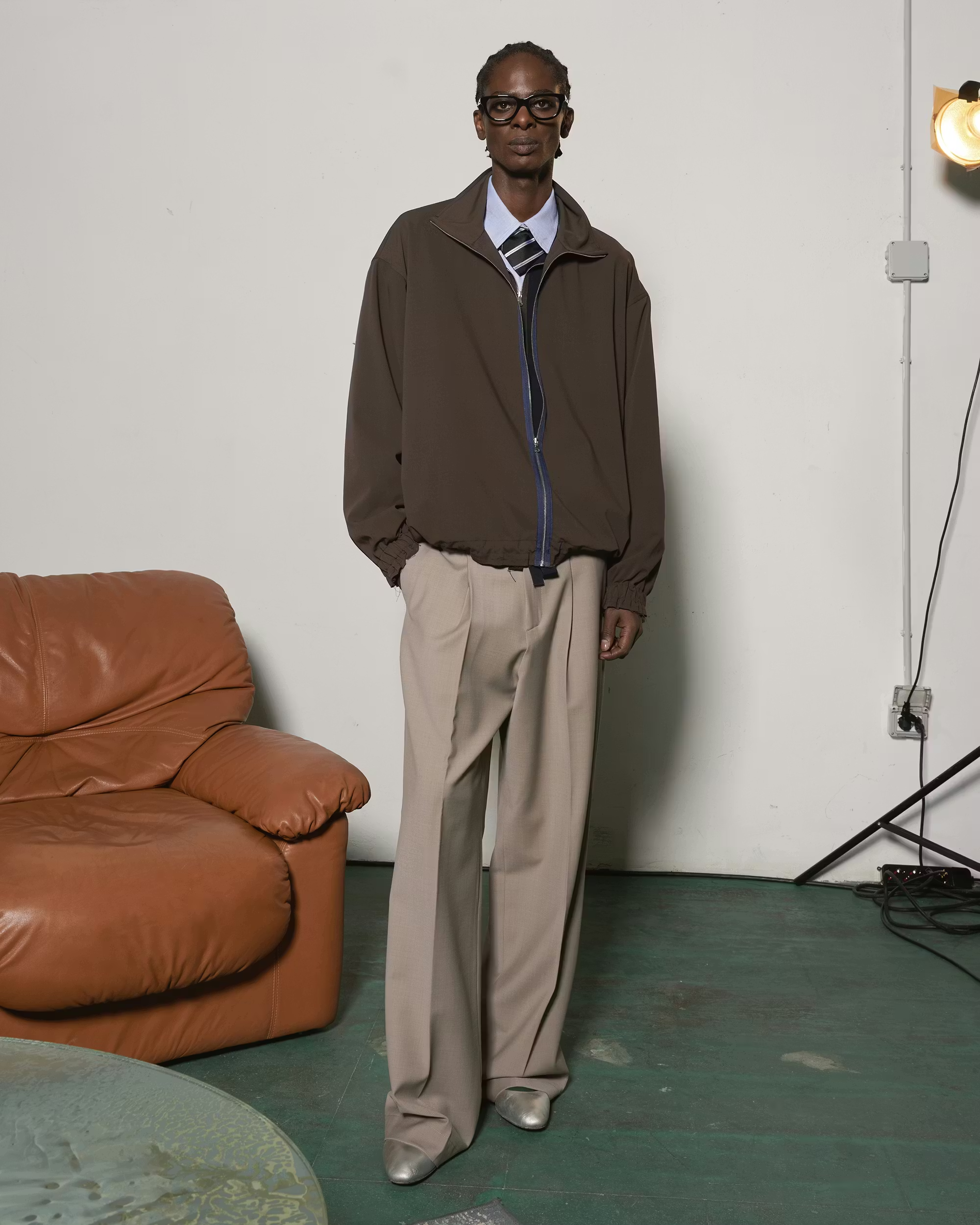
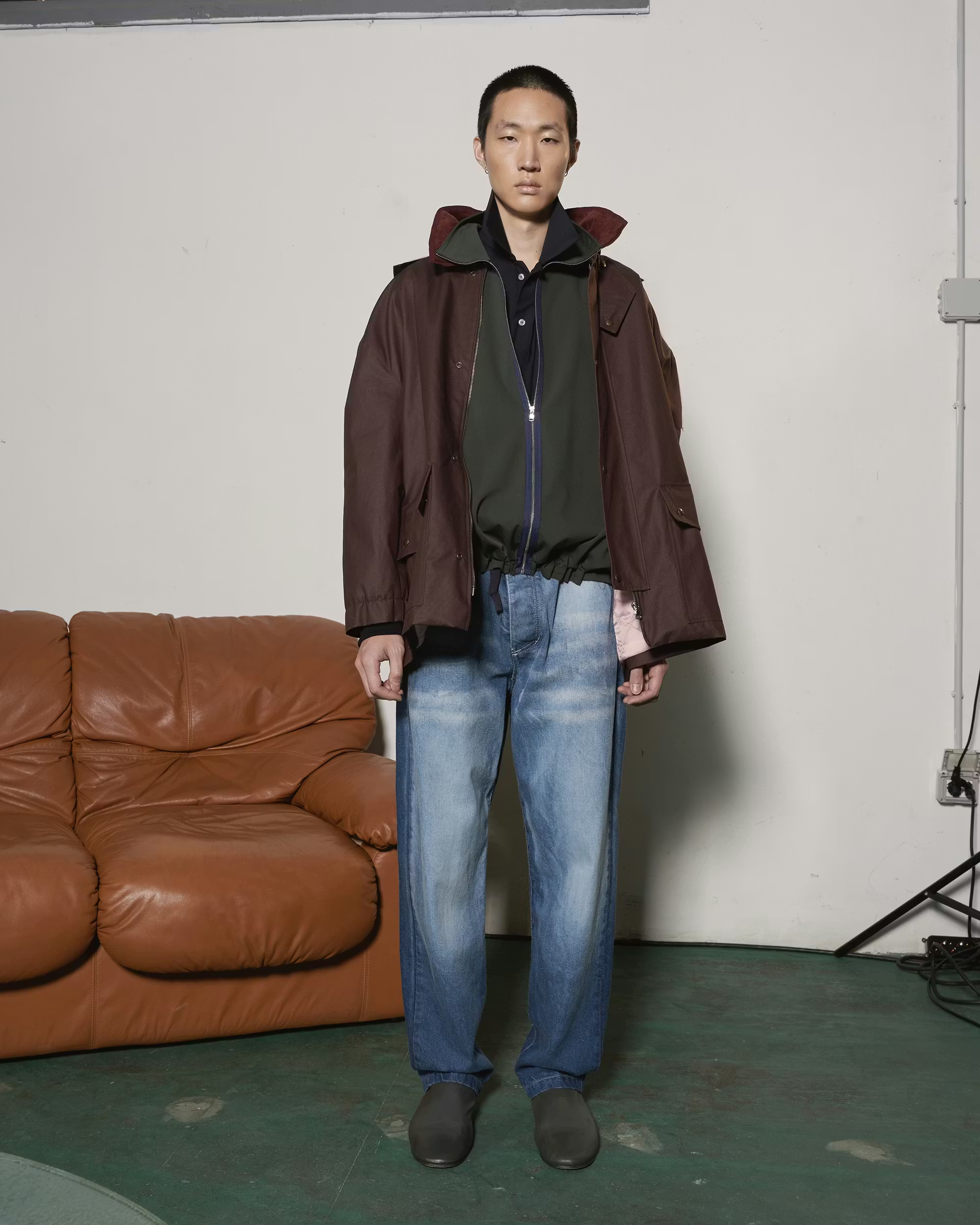
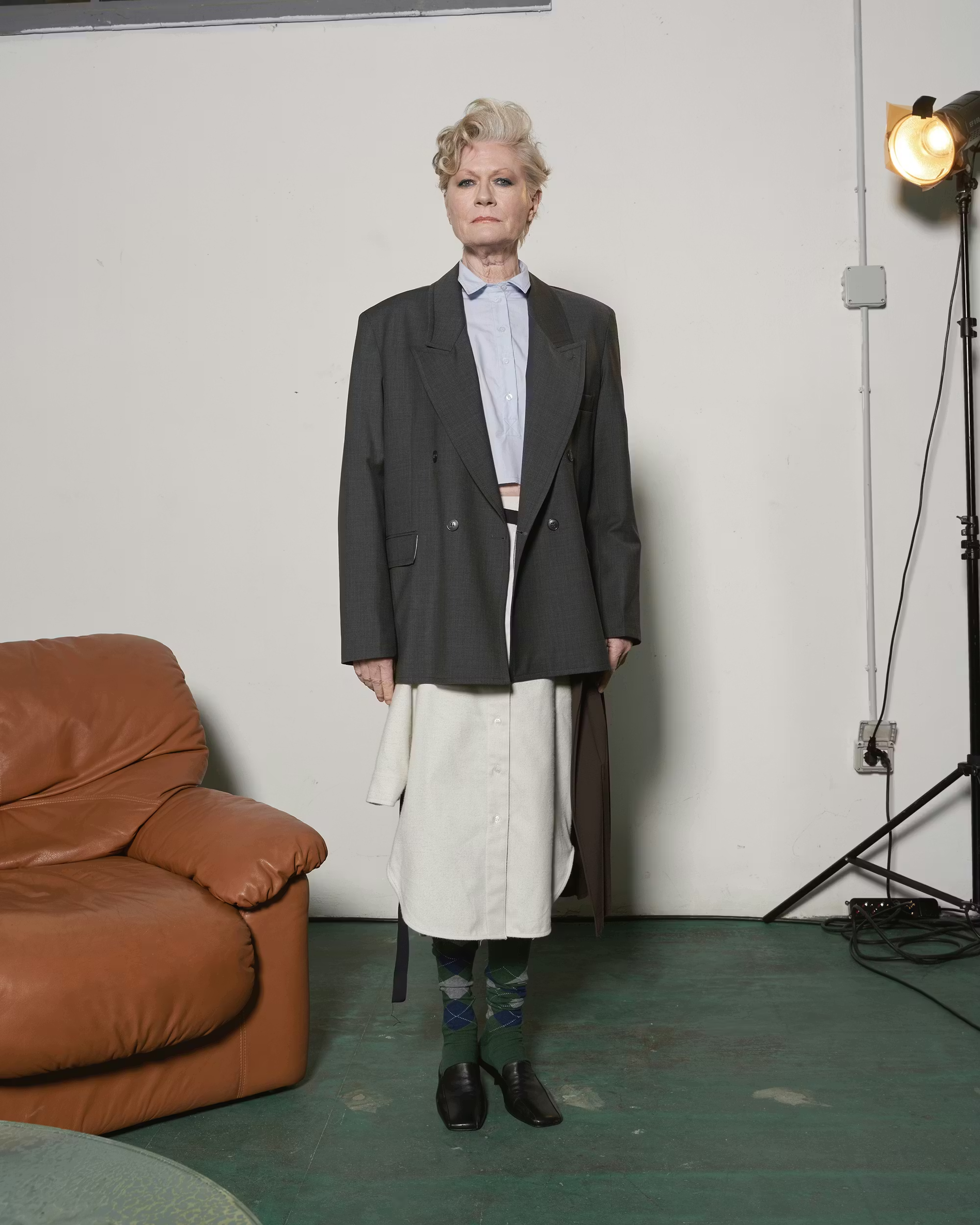
Courtesy of MTL Studio
MTL Studio
Matteo Lamandini has been operating under his initials since before most of the current wave of Italian indie designers entered the conversation, which makes MTL Studio both a forerunner and a case study in what longevity looks like without mainstream visibility. Born in the province of Modena, Lamandini draws on small-town culture, workwear from his grandparents, and the nightlife of Berlin to reroute them through contemporary menswear. He cut his teeth at Marni and MSGM, won Designer for Tomorrow in 2014, and has since built a brand with genuine cult traction among Italian musicians and trappers, such as the internationally renowned Ghali.
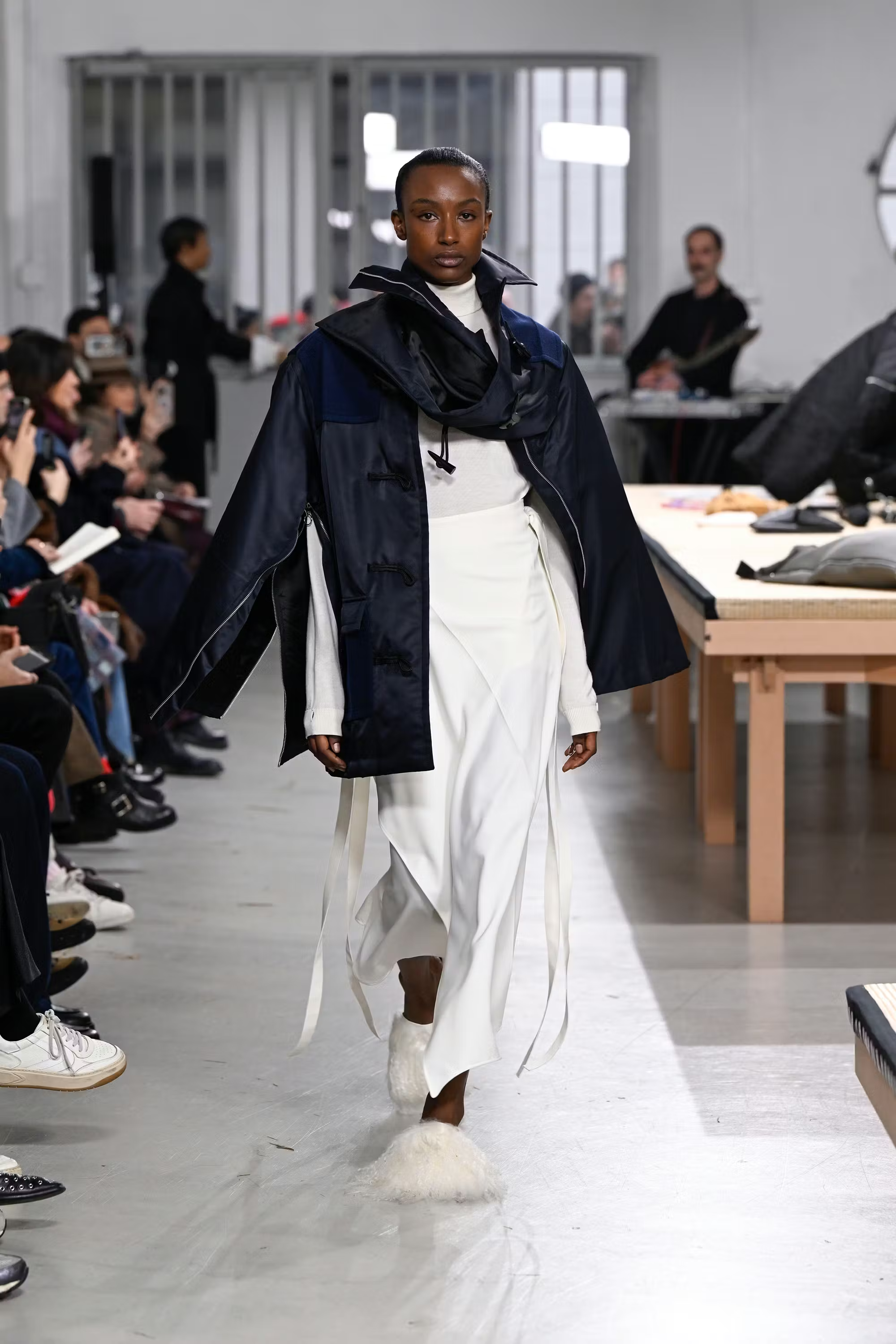
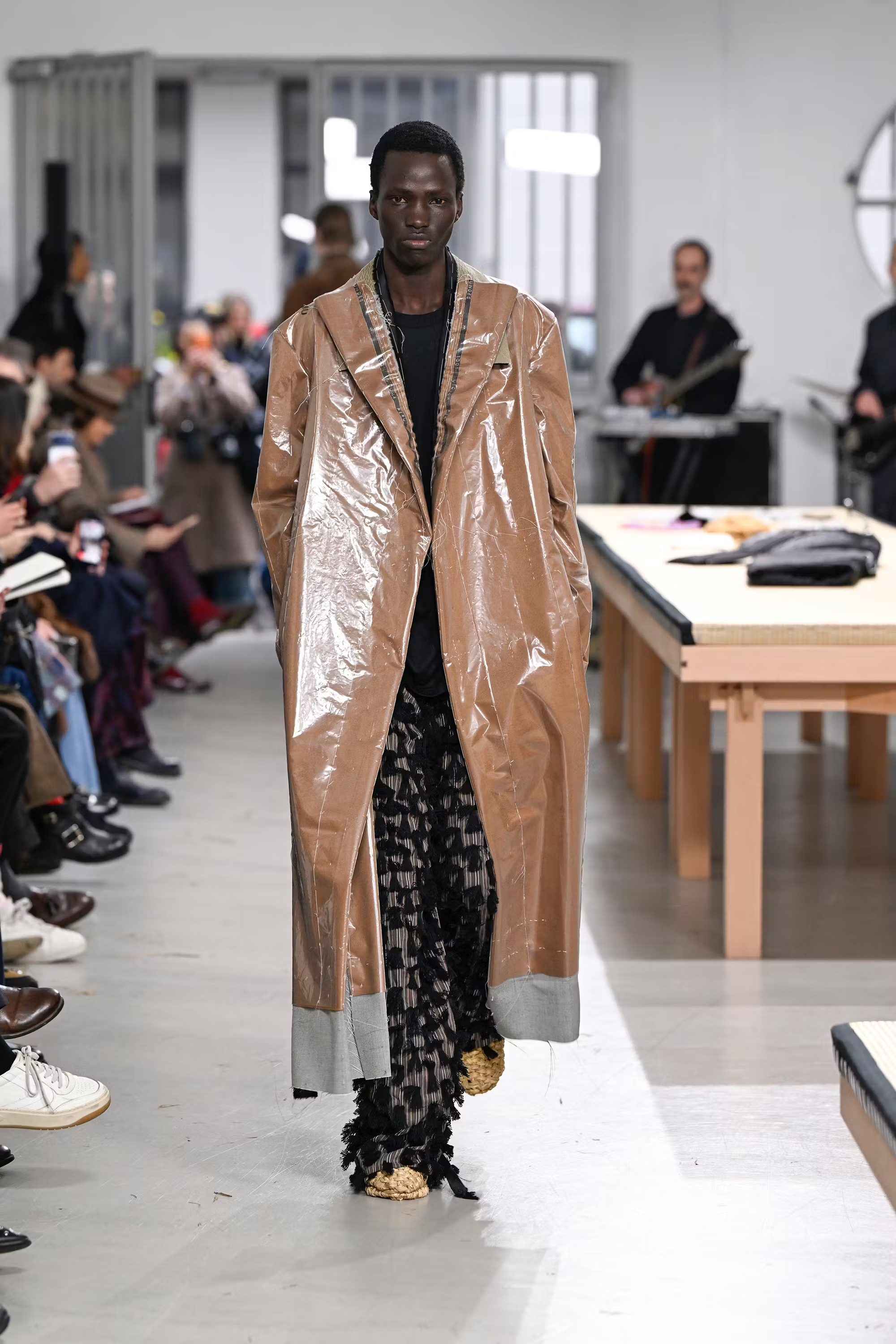
Courtesy of Setchu
Setchu
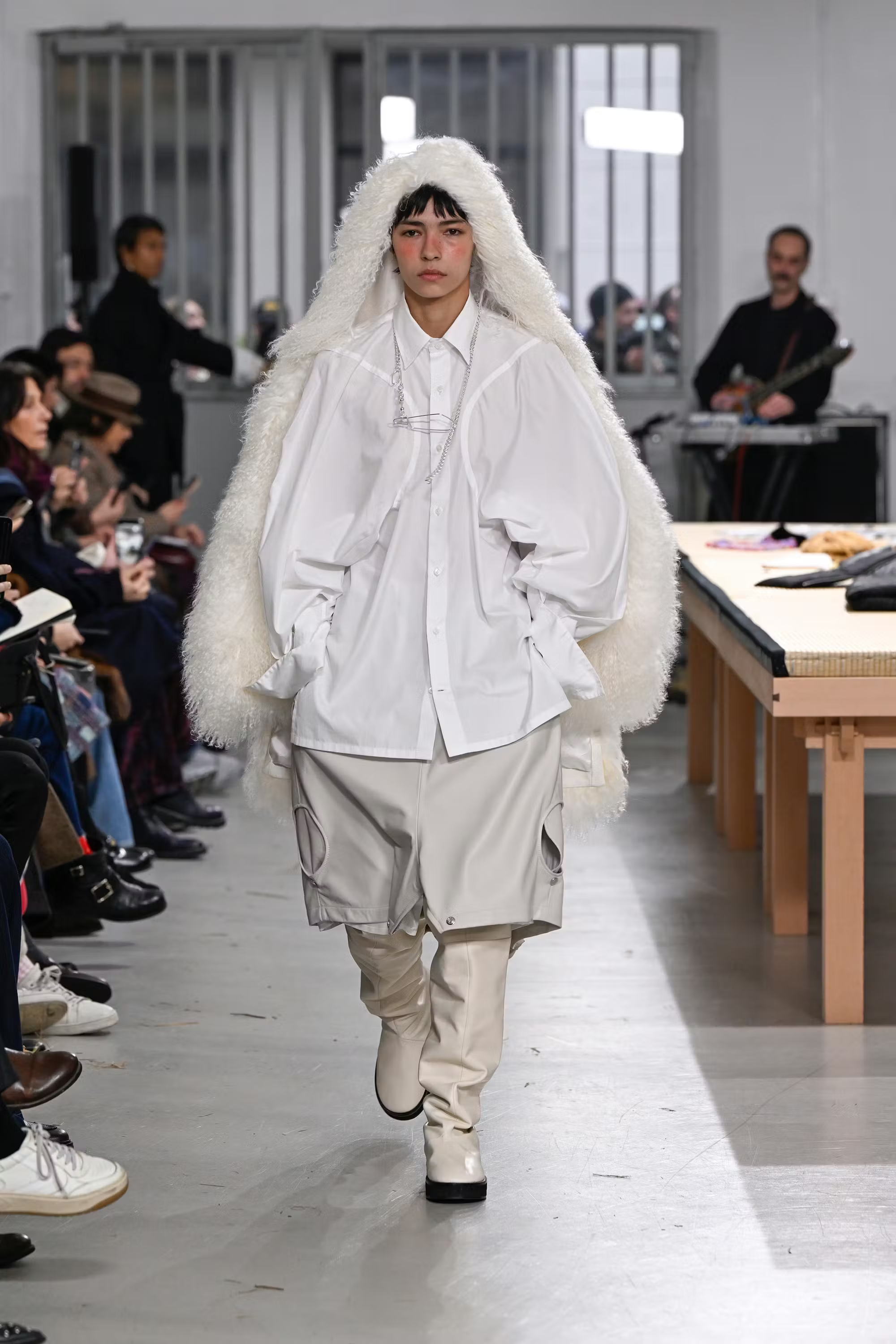
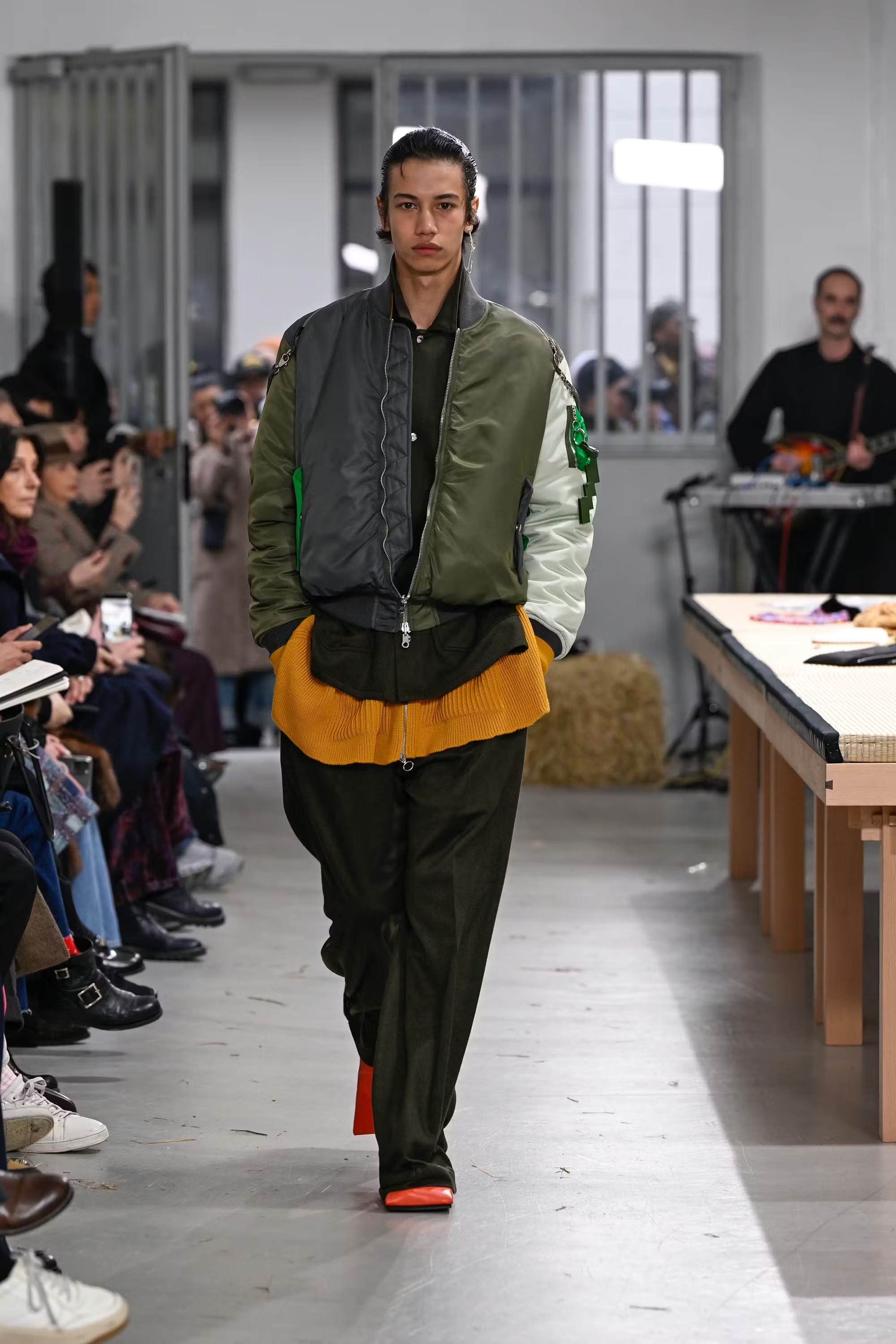
Satoshi Kuwata was born in Kyoto, trained at Central Saint Martins and then on Savile Row at Huntsman, and passed through Gareth Pugh, Givenchy, and Edun before arriving in Milan. He founded Setchu in 2020 in his apartment, cutting and draping his own samples. In 2023, he won both the CNMI Fashion Trust Grant and the LVMH Prize at an age he himself acknowledged was late by the industry's standards, though the word late only makes sense if you believe speed is a virtue. The brand’s name comes from wayo setchu, the Japanese concept of creative compromise between East and West: every Setchu collection begins with a square of origami paper, and every garment that follows is a transformation of it. In a city that has been losing independent brands, Kuwata just opened a permanent space in Milan that acts as a showroom, an archive, a bespoke service, and a place to grow the brand's lifestyle. His ambition is long-term: in a generation or two, Setchu is meant to stand alongside the greatest heritage brands.
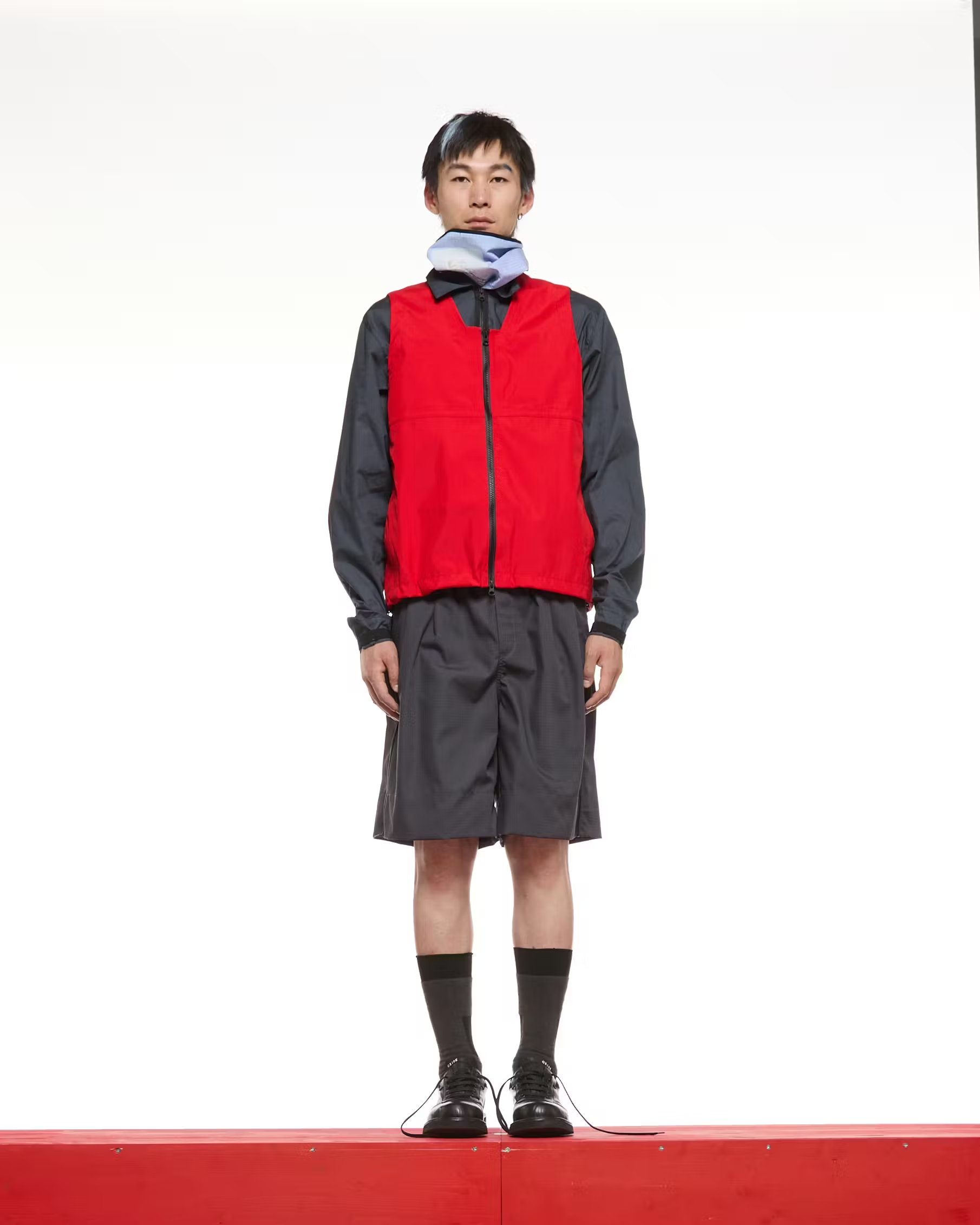
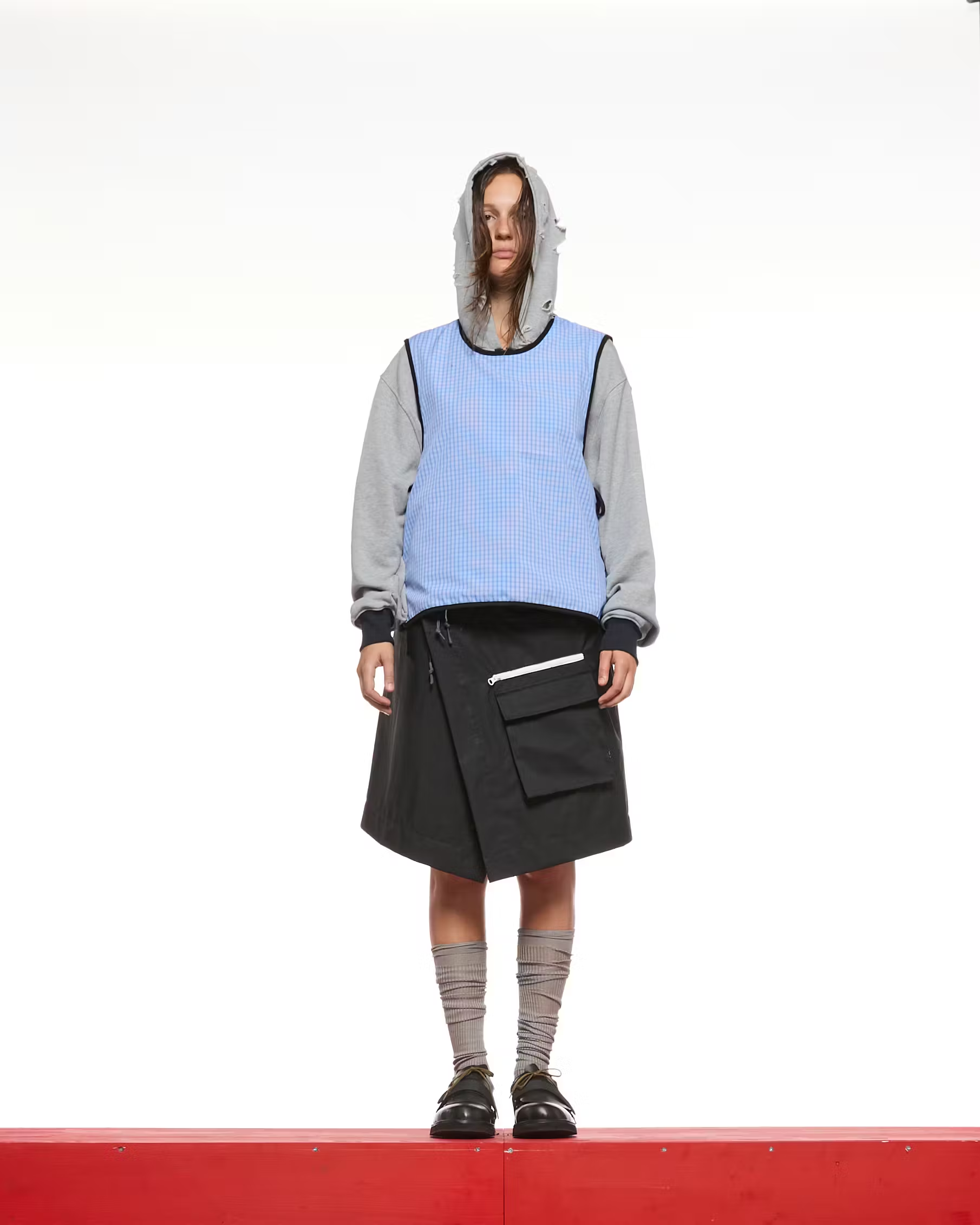
Courtesy of GR10K
GR10K
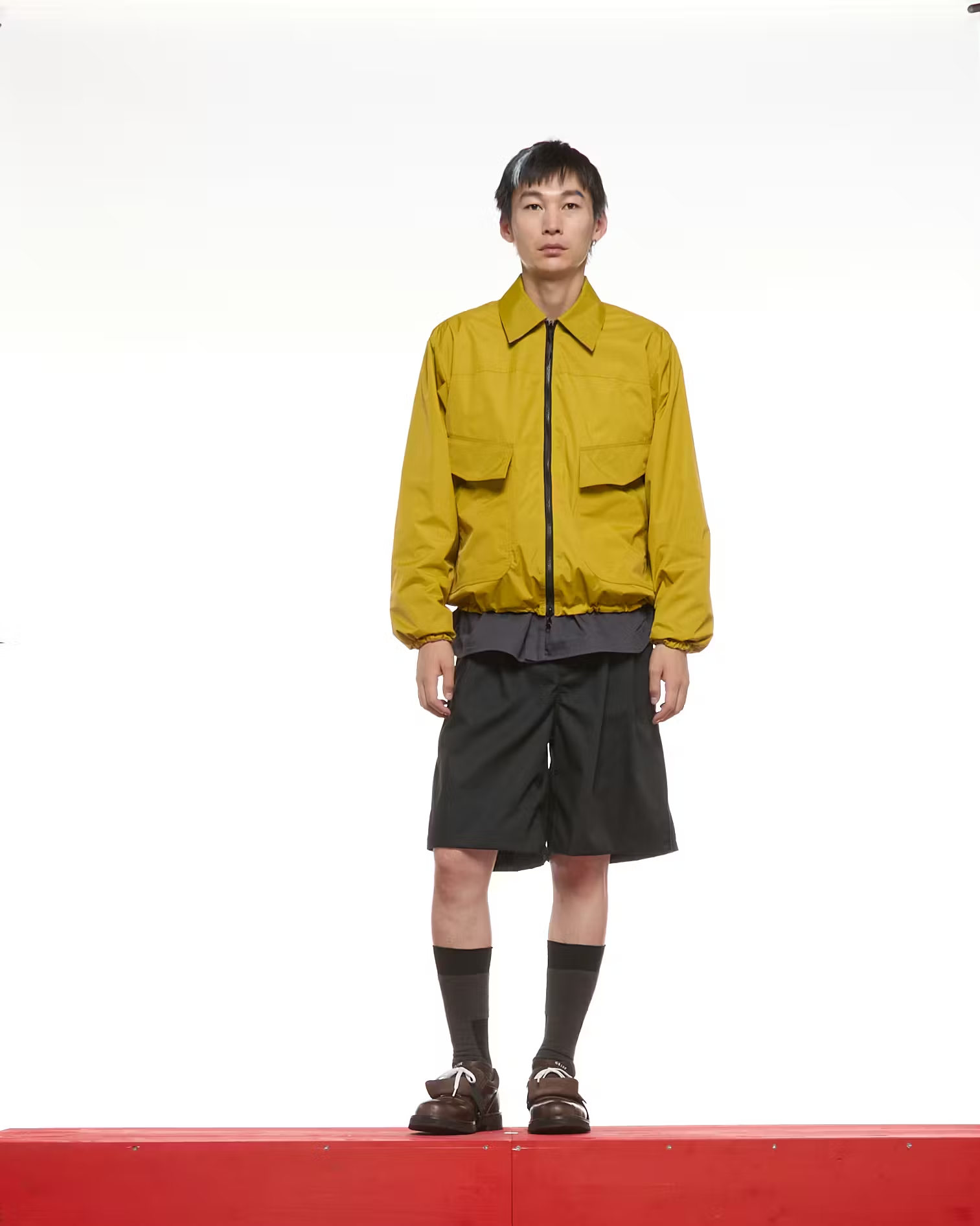
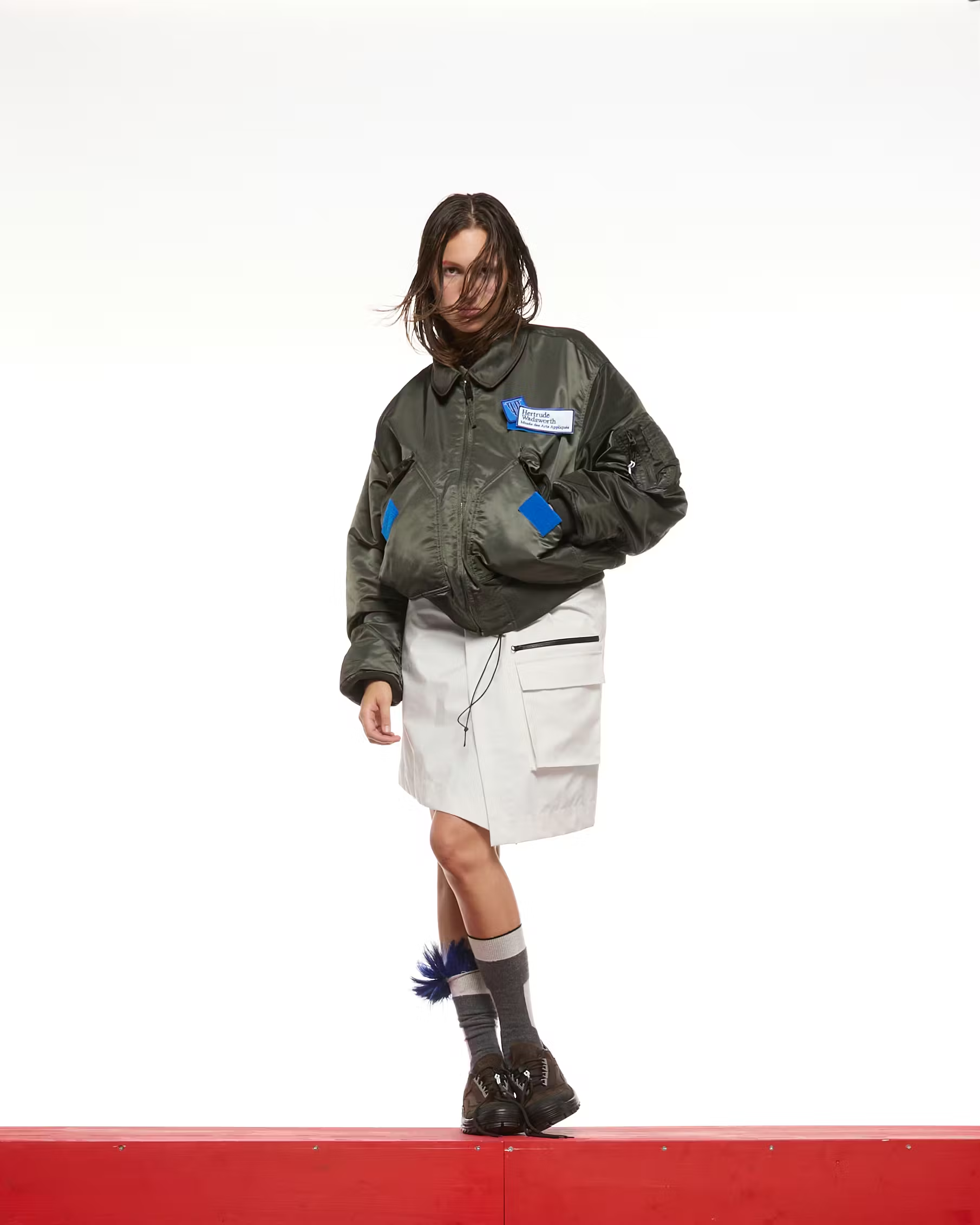
Anna Grassi founded GR10K in 2019 in Busto Arsizio, operating as a spin-off of her family's military and industrial textile factory: a century of textile production by Alfredo Grassi S.p.A., active since 1925. The brand is a creative inversion of that inheritance with pants cut from firefighter-grade fabric, knitwear unraveled from bulletproof vests and reconstructed as ready-to wear, jackets that began their lives in military prototype and ended up stocked at Slam Jam, among others. The palette is severe, the attitude anti-luxury in a way that feels principled rather than performative, and the resulting garments sit in a category adjacent to gorpcore but with a conceptual rigor that most gorpcore brands don't bother with.
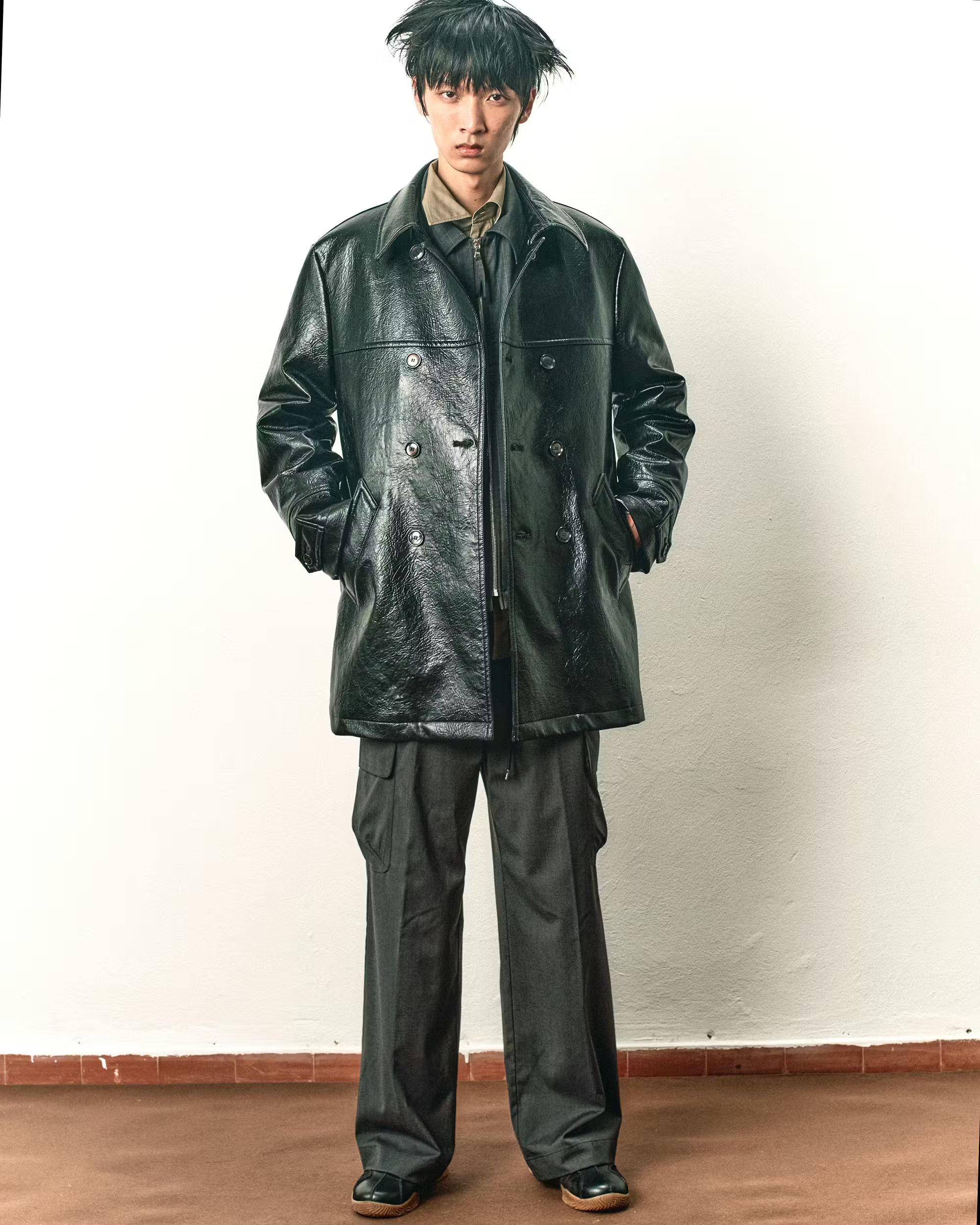
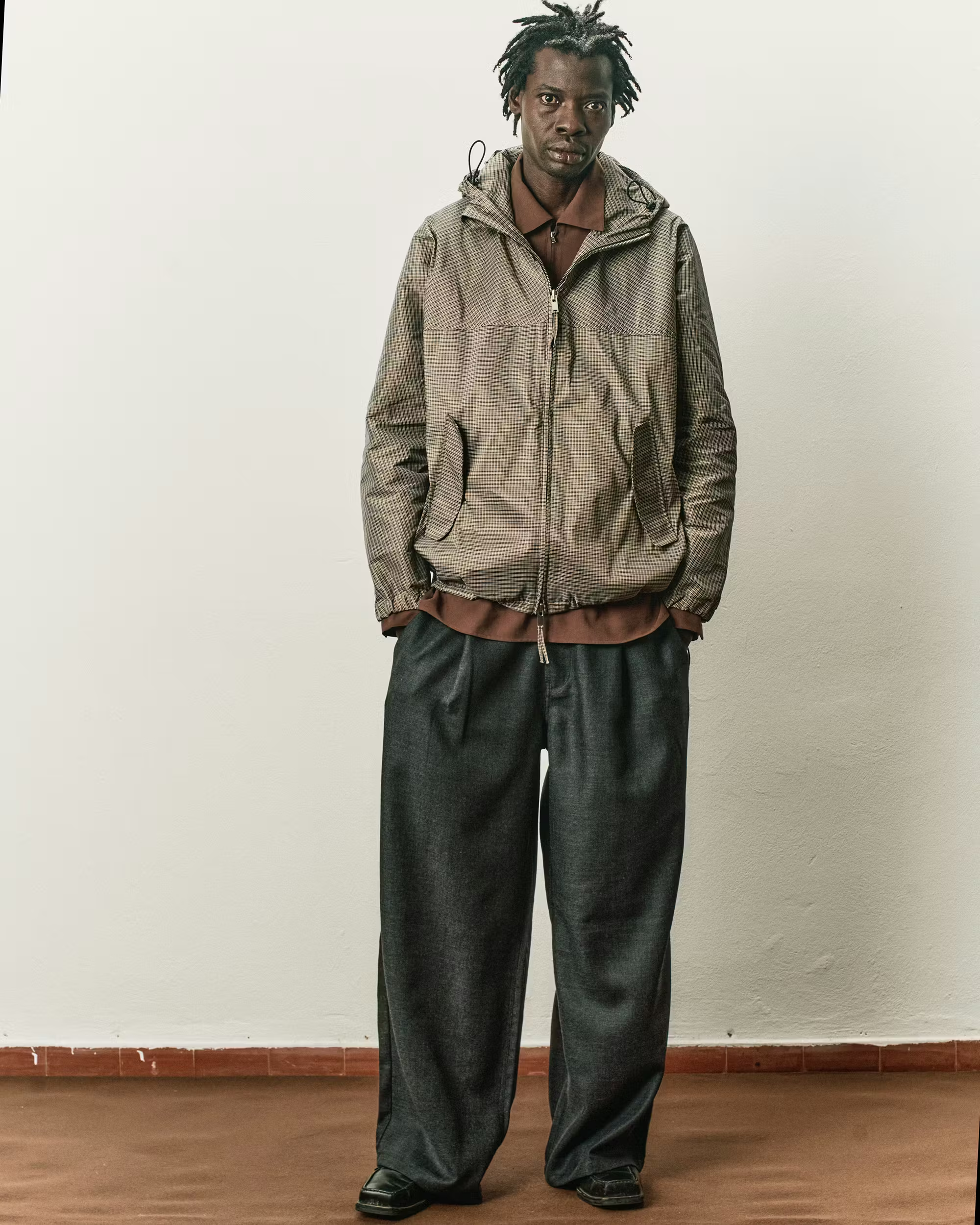
Courtesy of Rold Skov
Rold Skov
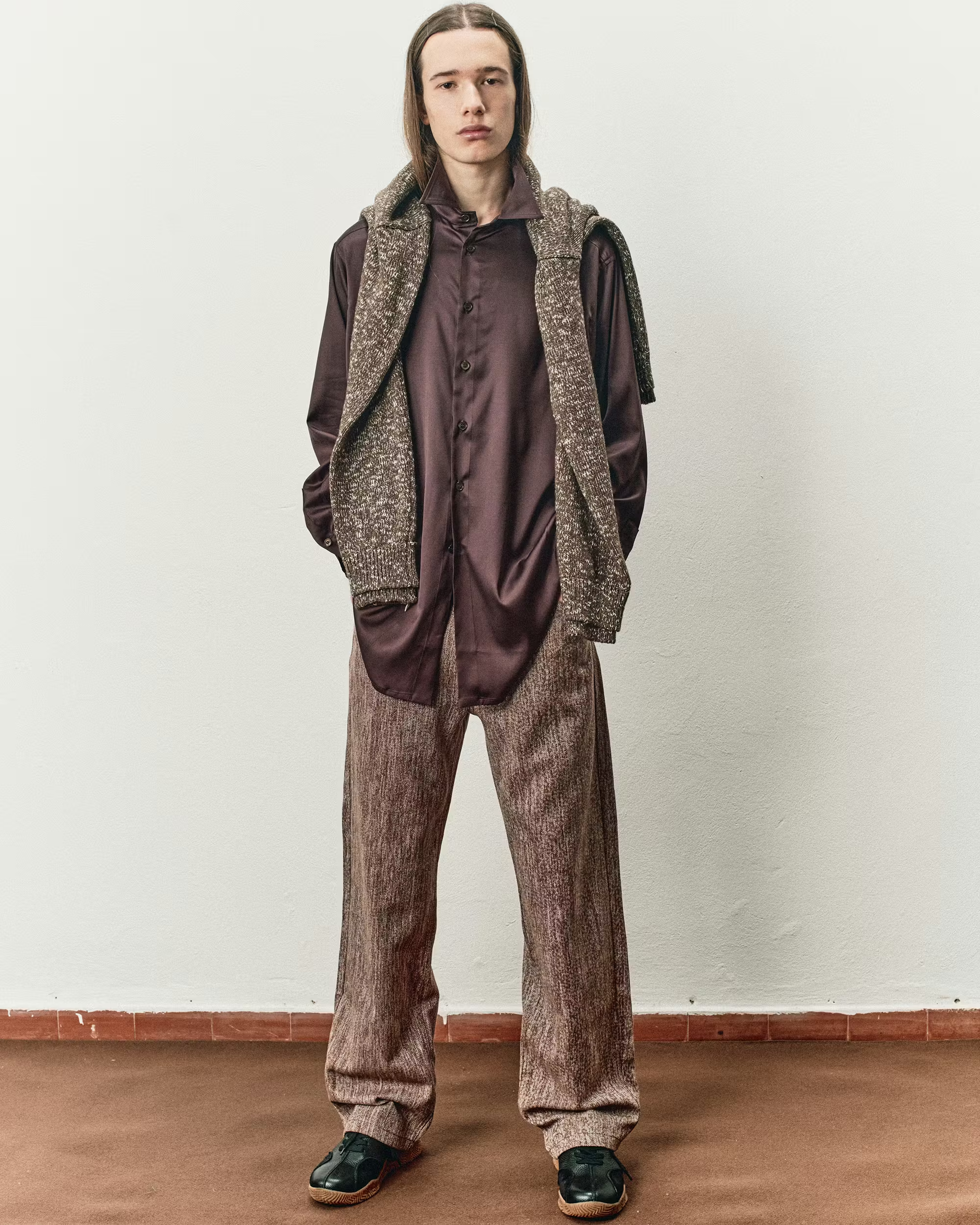
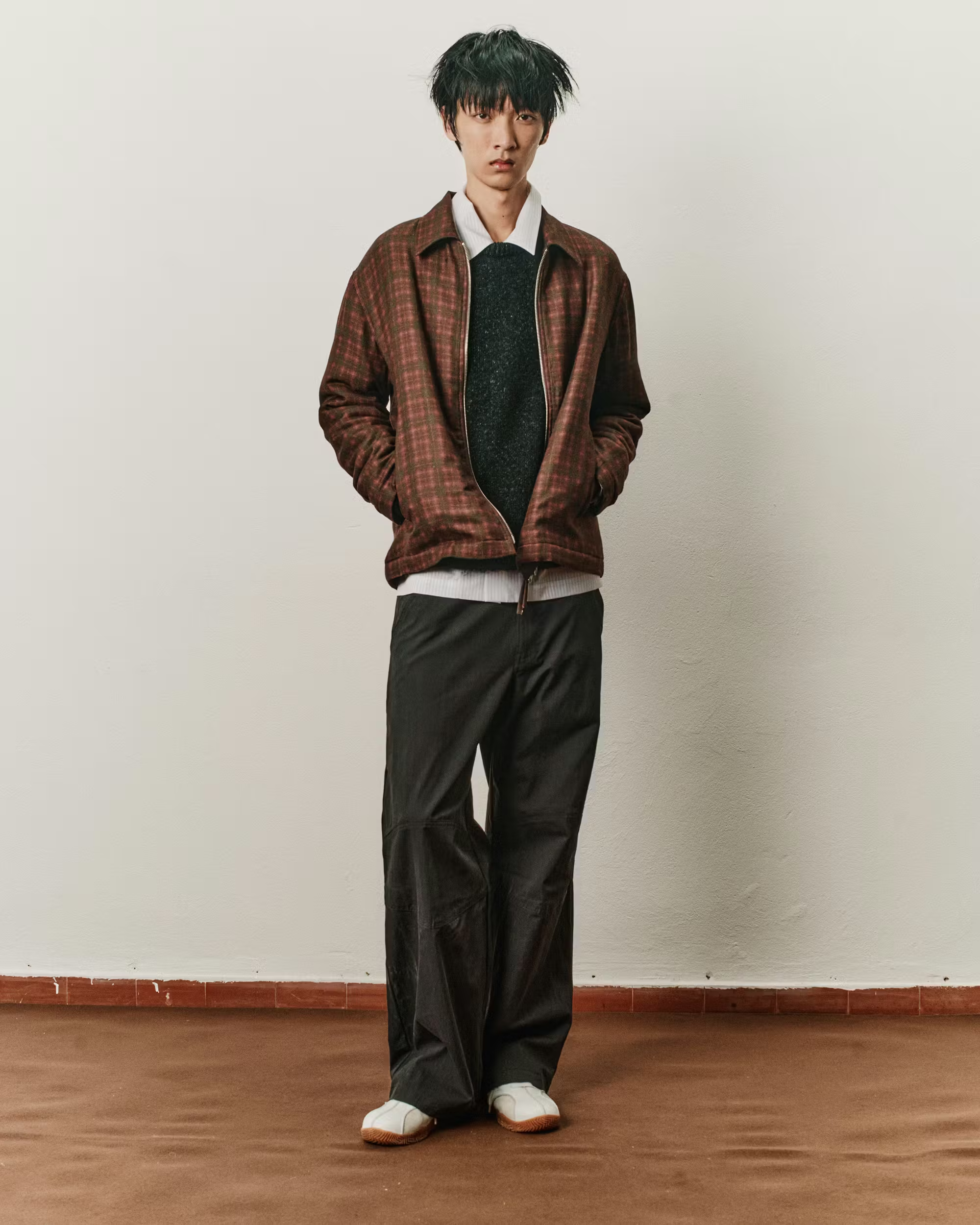
Francesco Rossini was studying criminology in Pesaro when, reminiscing on an adolescence spent on eBay tracking down the exact brands Liam Gallagher wore in Oasis music videos, he decided to leave it all behind and work in fashion with no degree whatsoever. Founded in 2016 after a reckoning walk through the eponymous Danish forest that gave the brand its name, Rold Skov is mainly produced in Marche and pulls its cultural references in two directions at once: the raw-cut, wide-volume swagger of British '90s music culture and a Nordic sense of garments as things that should simply last. His education unfolded within the walls of a garage, at 29, where a small family-run business produced for third parties. 10 years since its founding, Rold Skov is stocked from Milan to Tokyo, with a community that spans those distances without diluting what it is.
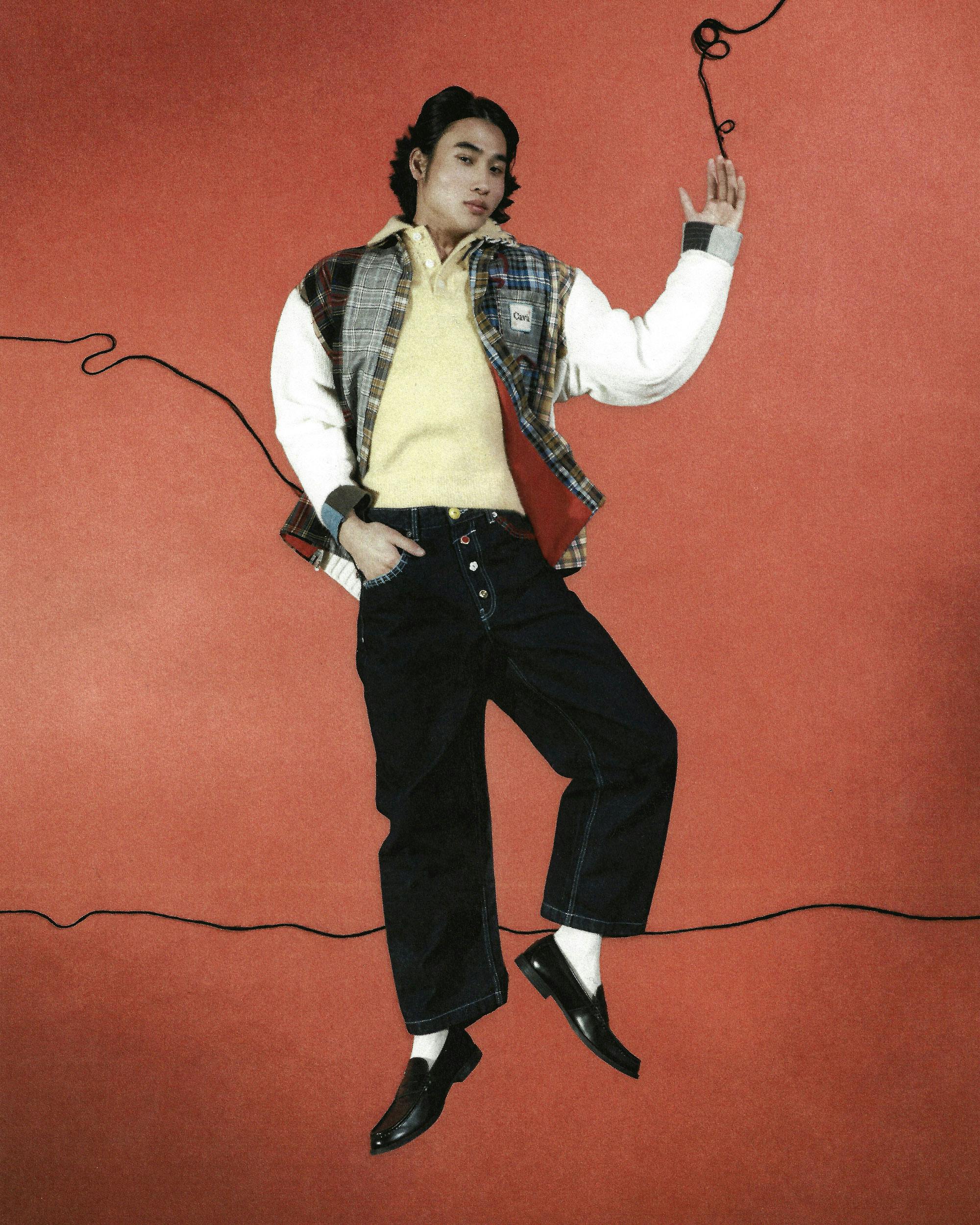
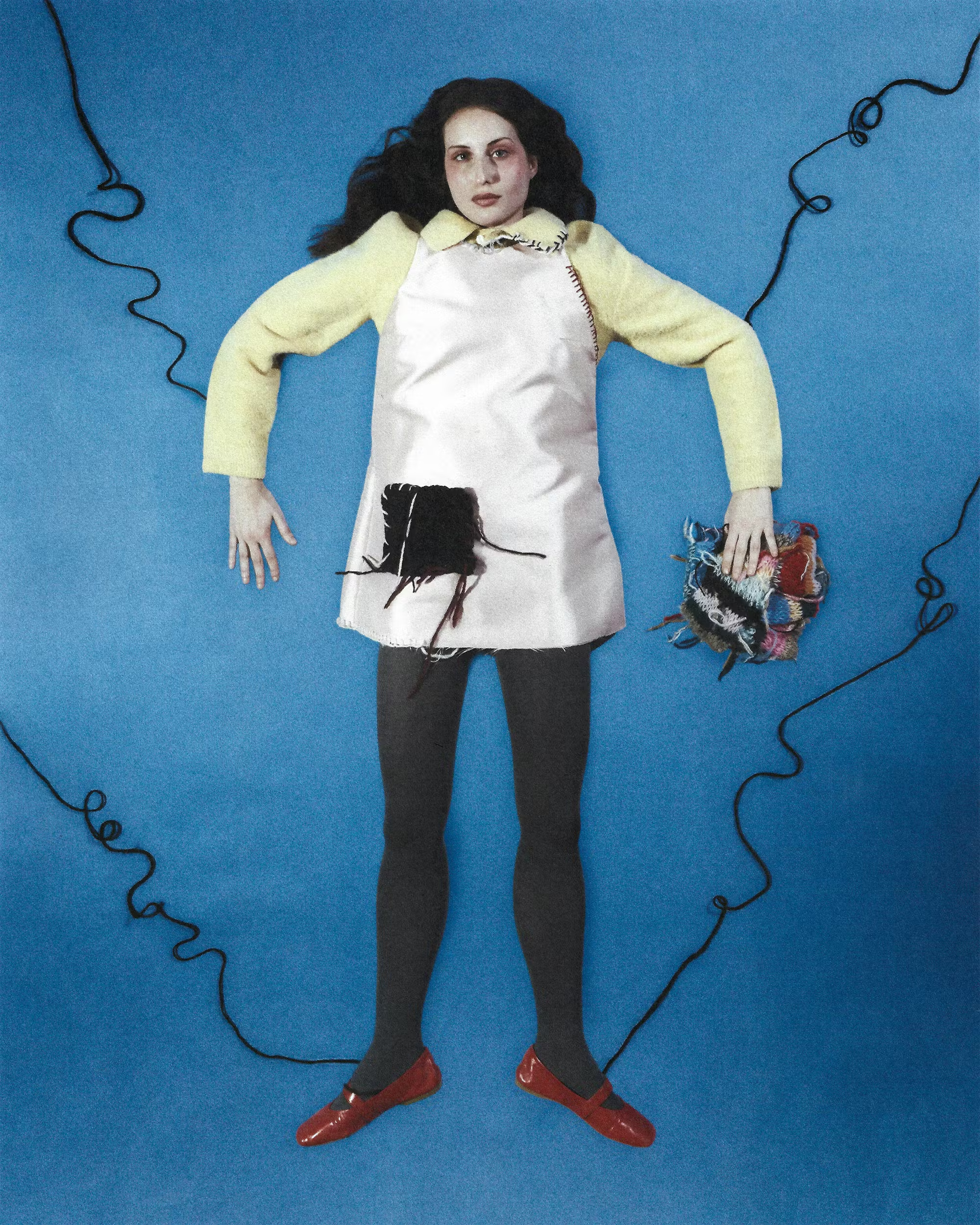
Courtesy of Cavia
Cavia
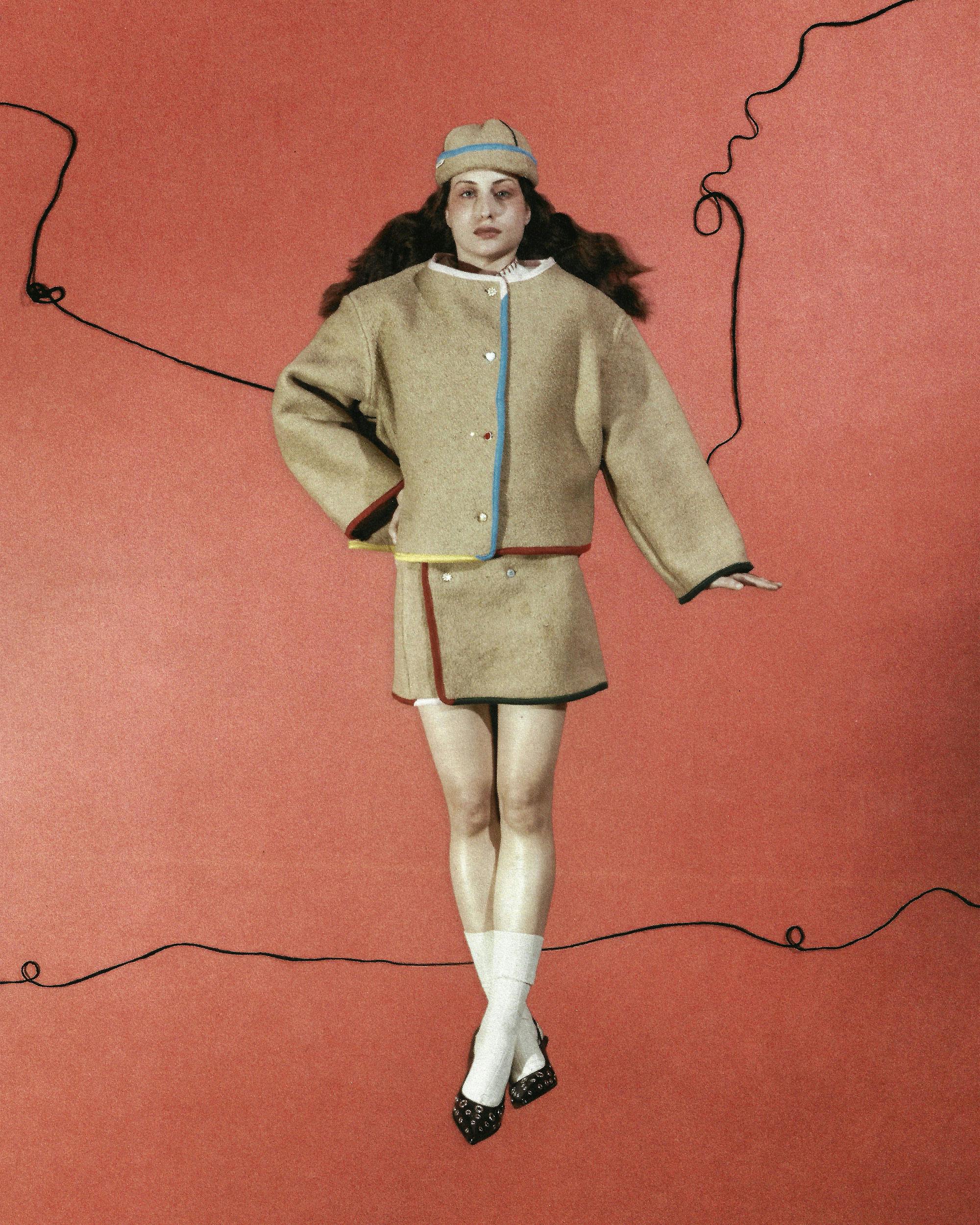
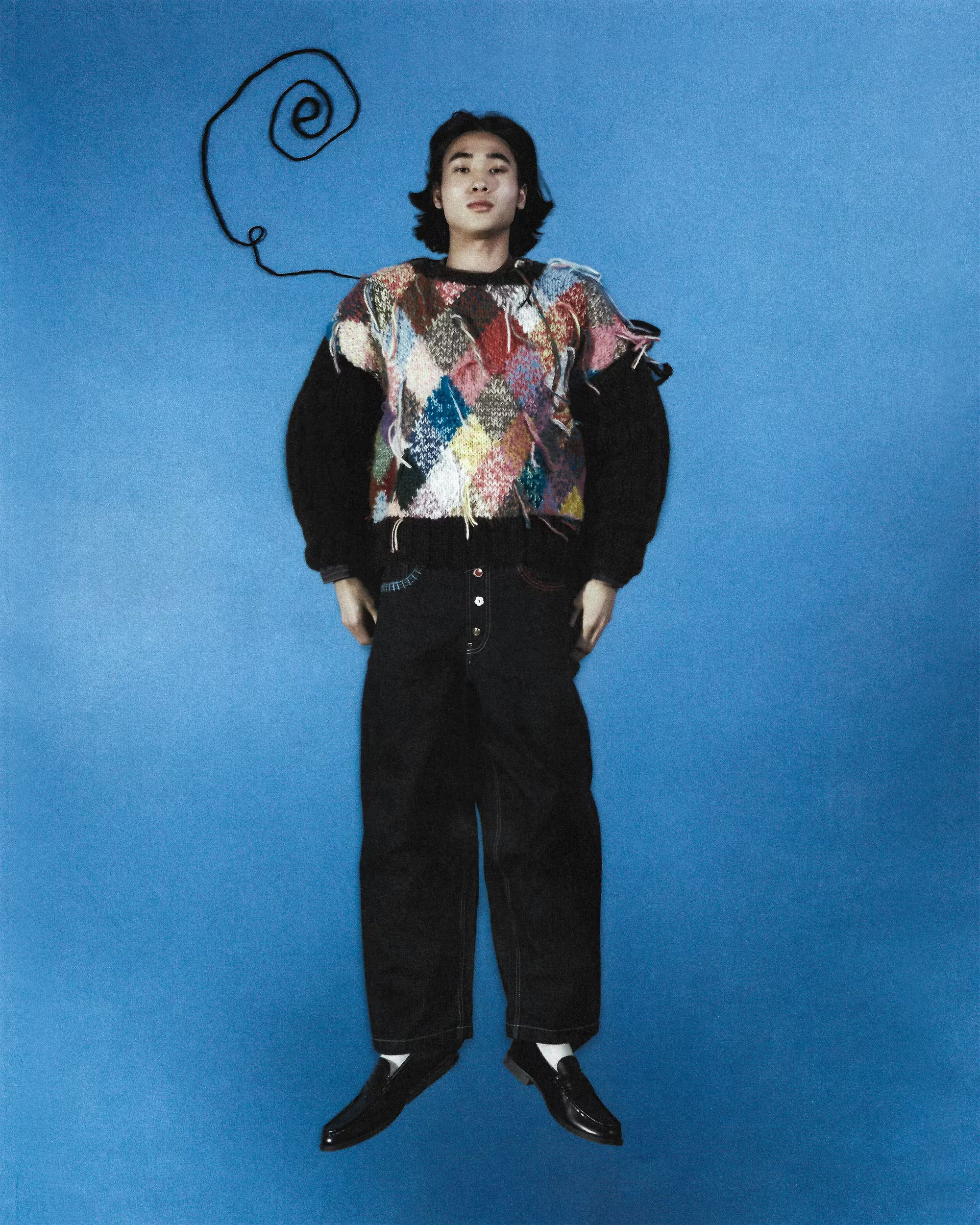
Martina Boero started Cavia during the first lockdown with the yarns she found in her attic, at a moment of history in which we had time to pause and reflect. Every Cavia piece is unique,upcycled and handmade by Italian artisans from vintage garments, deadstock fabrics, and industrial leftovers, each catalogued with a transparency passport that details the specific hours and hands behind it. The aesthetic runs from kaleidoscopic to delicately considered: chunky knit vests, crochet cardigans, patchwork dresses assembled from tablecloths, ceramic-print deadstock, the residue of other people's discarded wardrobes. Boero has also built a social integration dimension into her production model that, unusually, shows up in the clothes rather than existing as a footnote in the brand's sustainability page. Boero has recently won the European final of Circular Design Challenge, held at Fondazione Sozzani in Milan.
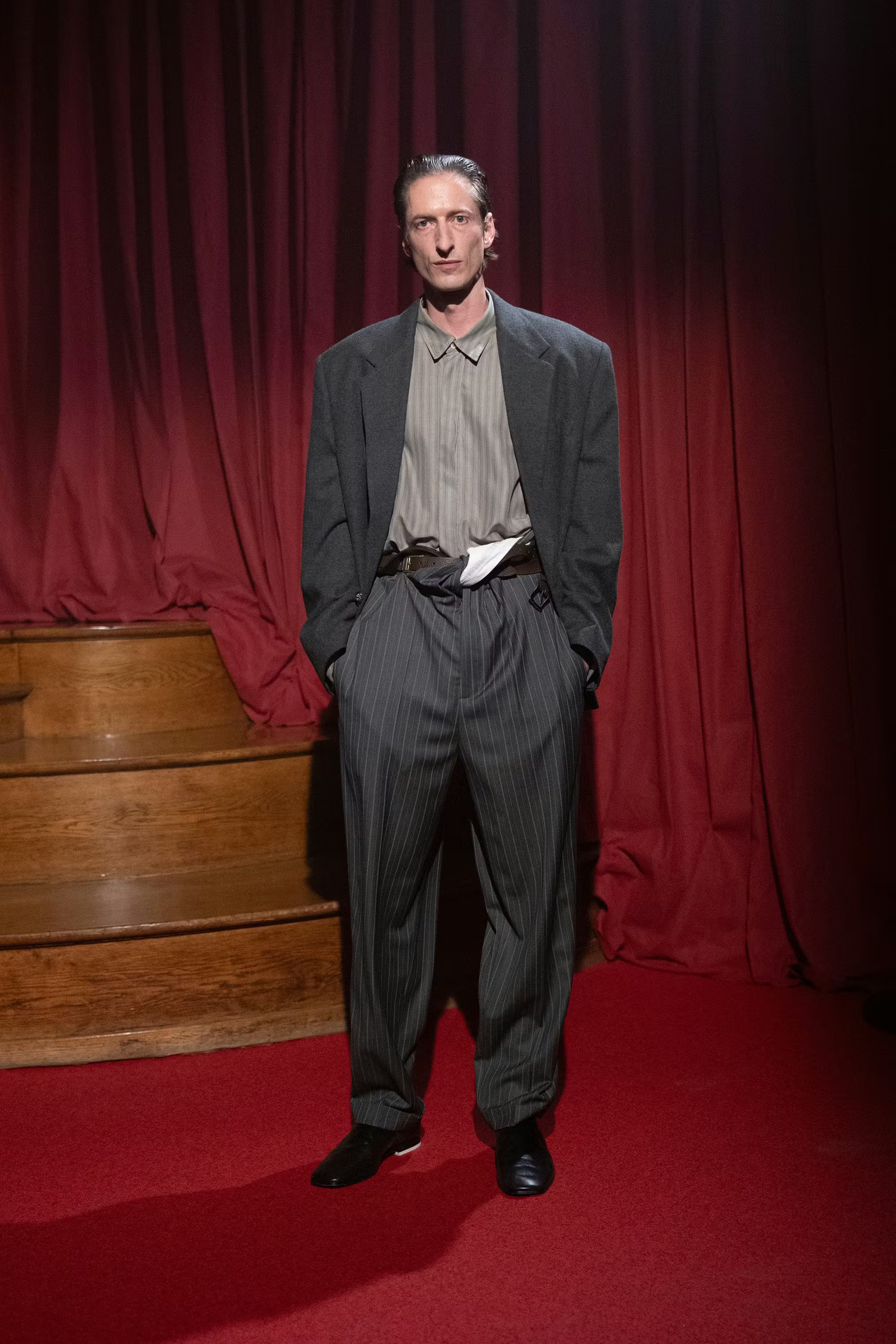
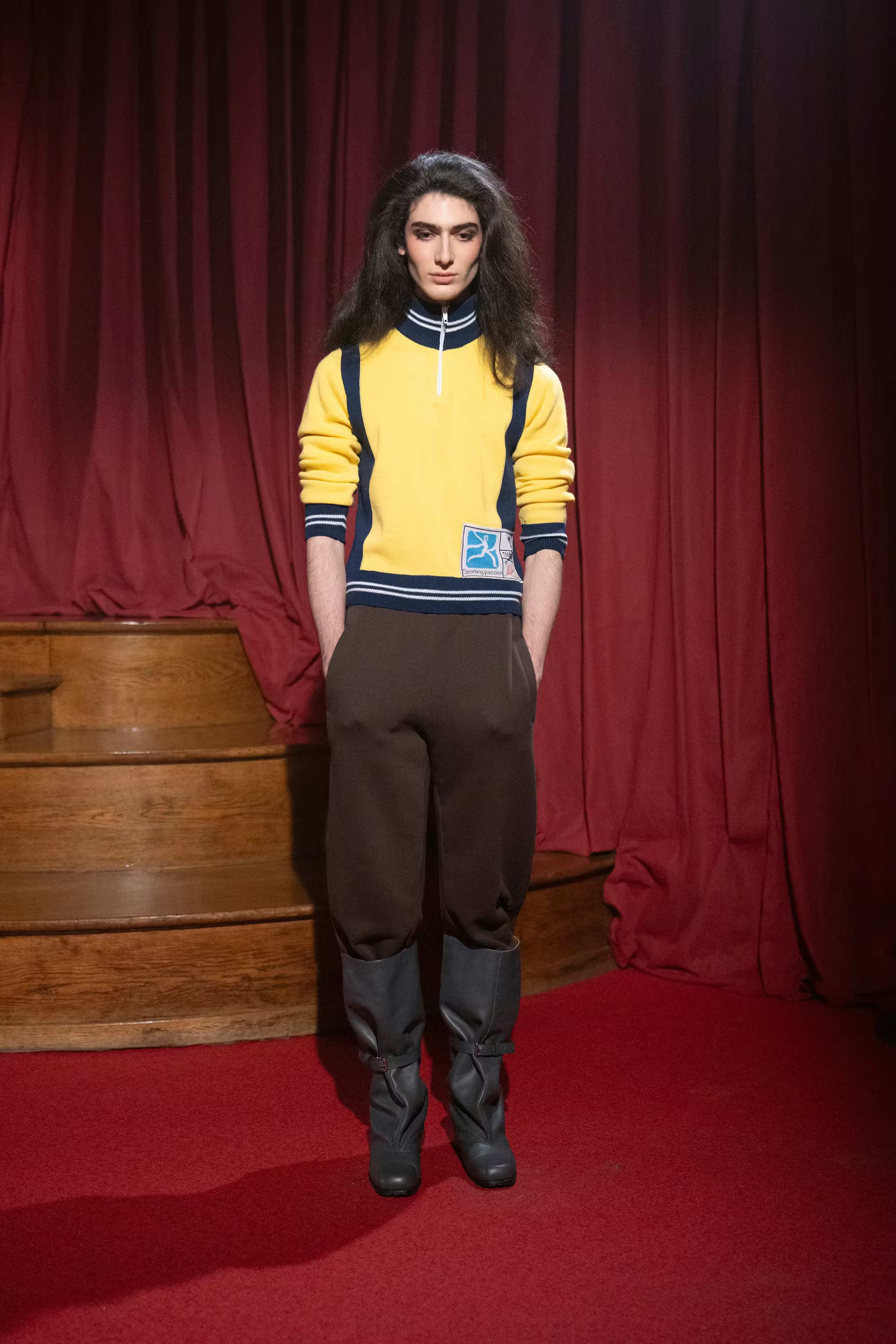
Courtesy of Magliano
Magliano
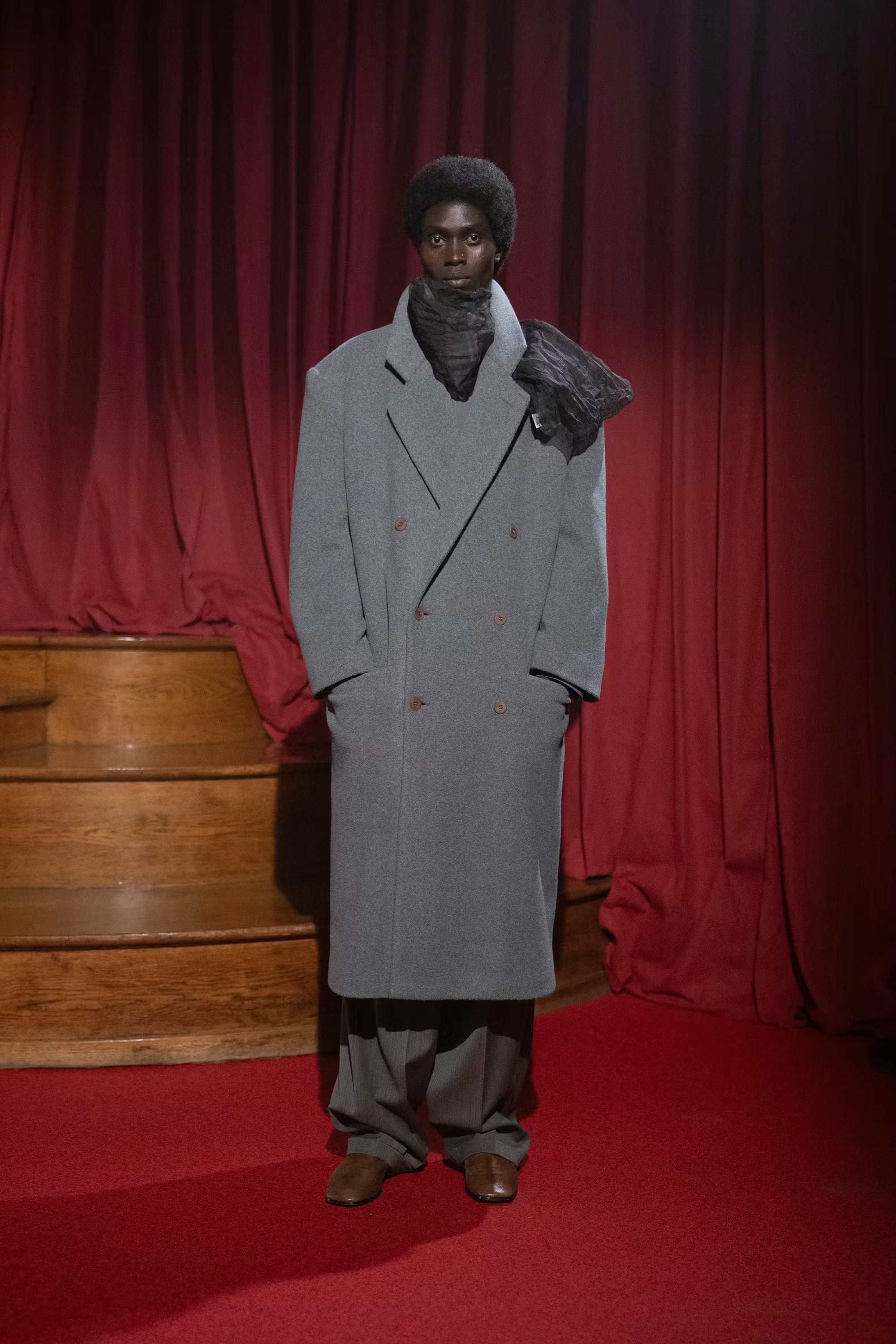
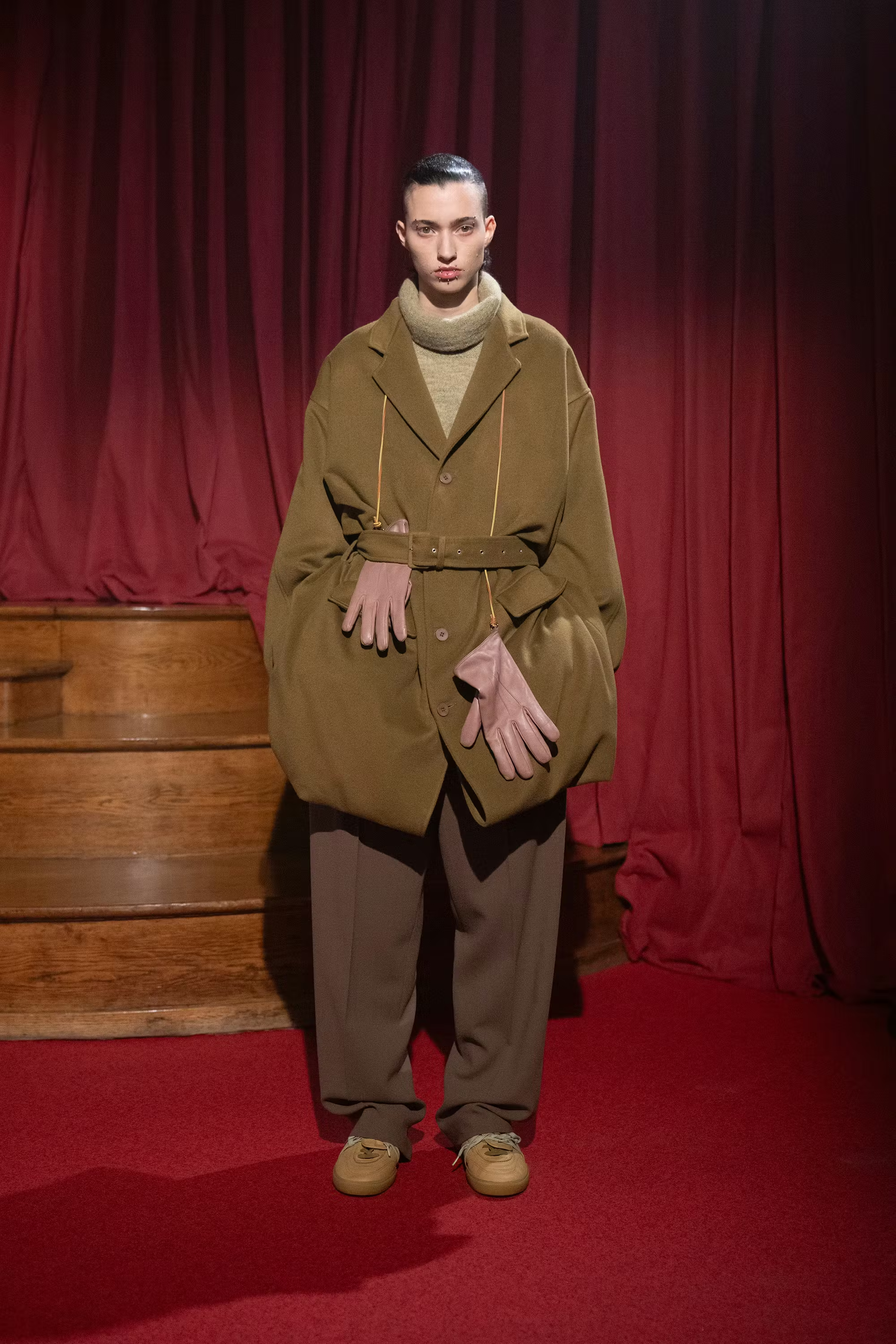
Luca Magliano is from Bologna, and his brand is an act of insistence that Italy exists beyond its own postcard. His is the Italy of social centers and factory floors, of Adriatic winter beaches when the tourists are long gone, of partisan politics and singer Domenico Modugno, and ordinary people brought onto catwalks. Because fashion, for Magliano, is a thing that belongs to everyone or it belongs to no one. Since founding the brand in 2017, he has built a menswear practice that operates simultaneously as social commentary and emotional landscape, with oversized genderless tailoring and a calculated dishevelment, knitwear carrying phone numbers like workers' uniforms, handbags designed with Milan's Medea and wrapped in underwear. In 2023 he won the LVMH Karl Lagerfeld Prize, and later showed as guest designer during Pitti Uomo.
Courtesy of Durazzi
Durazzi
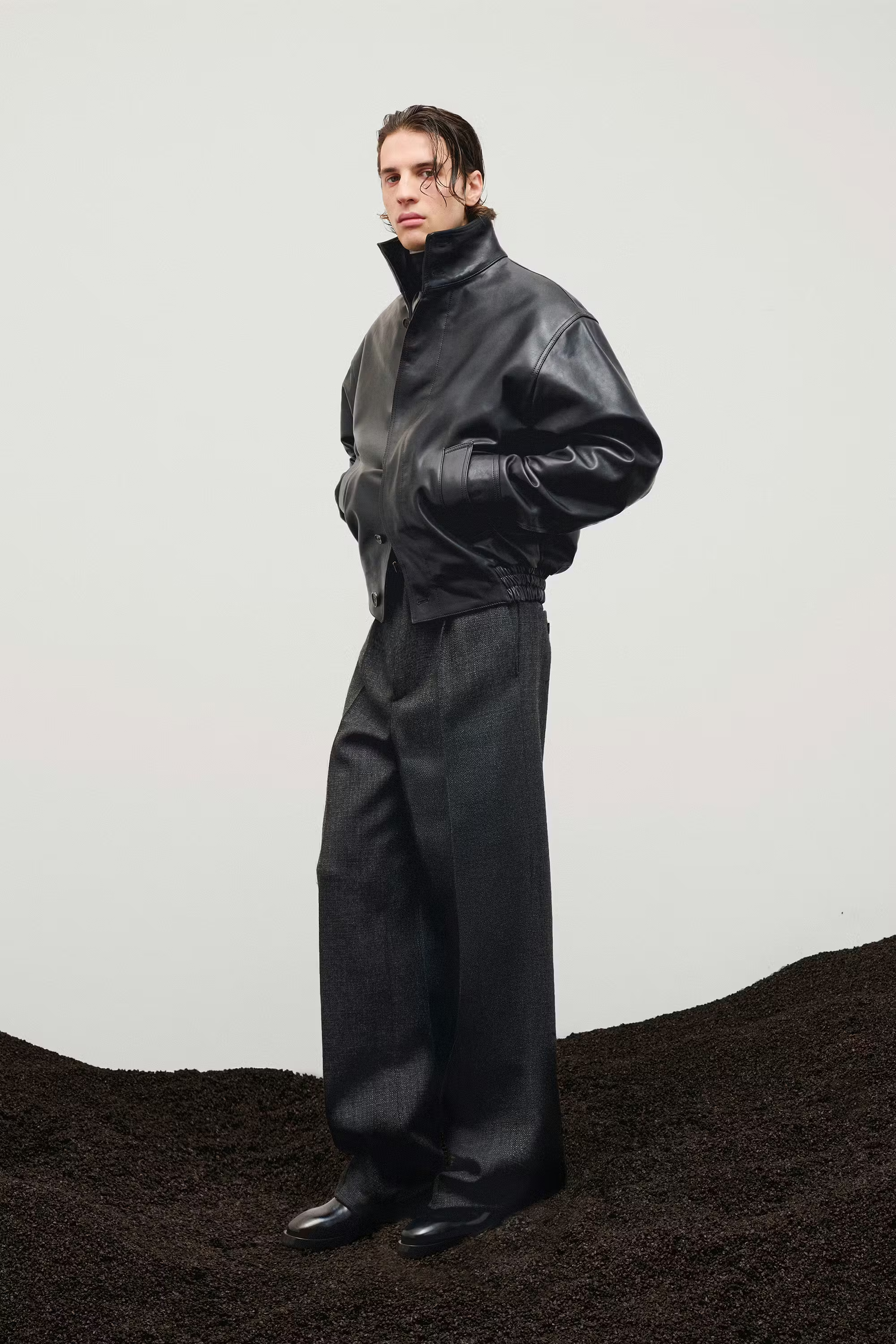
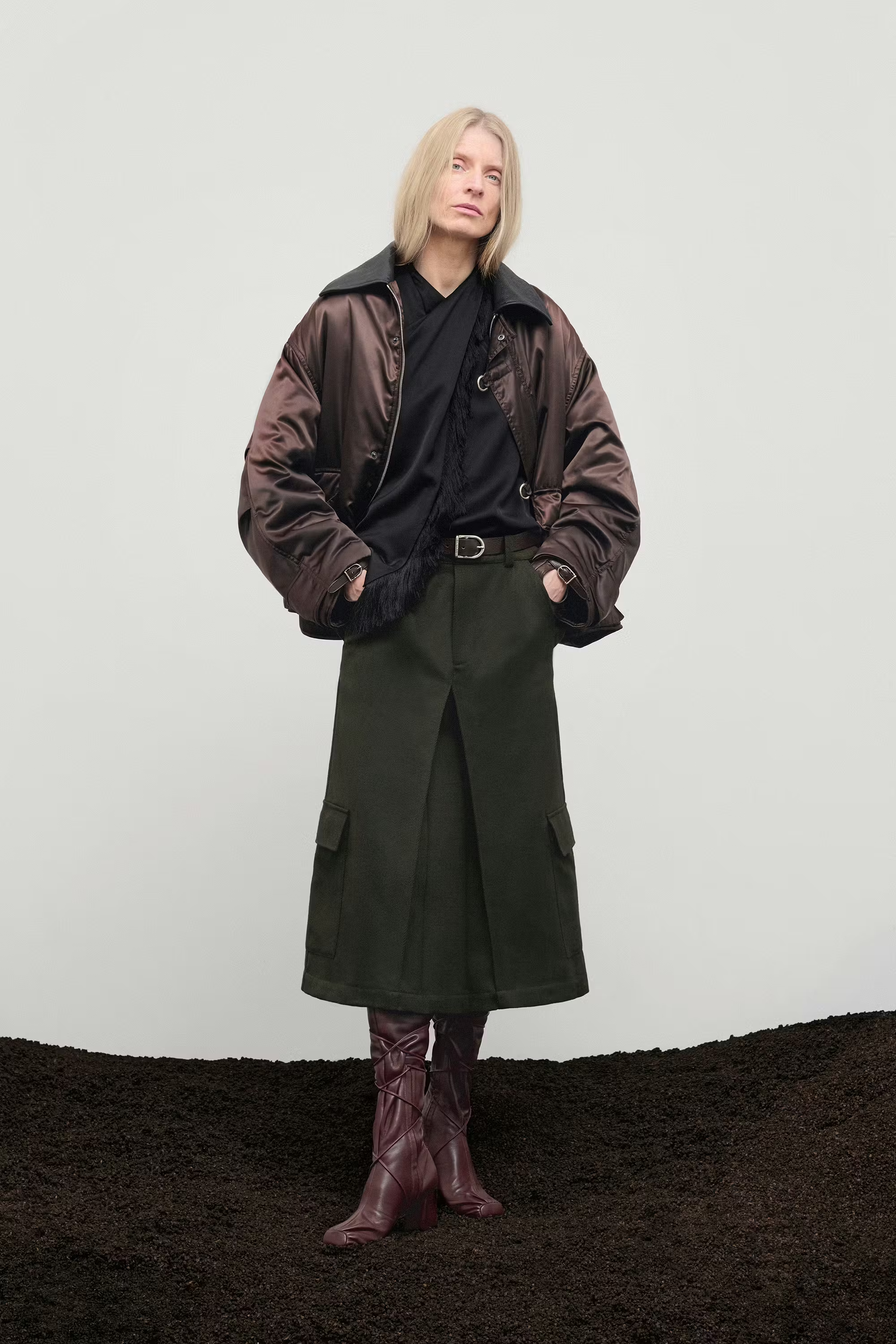
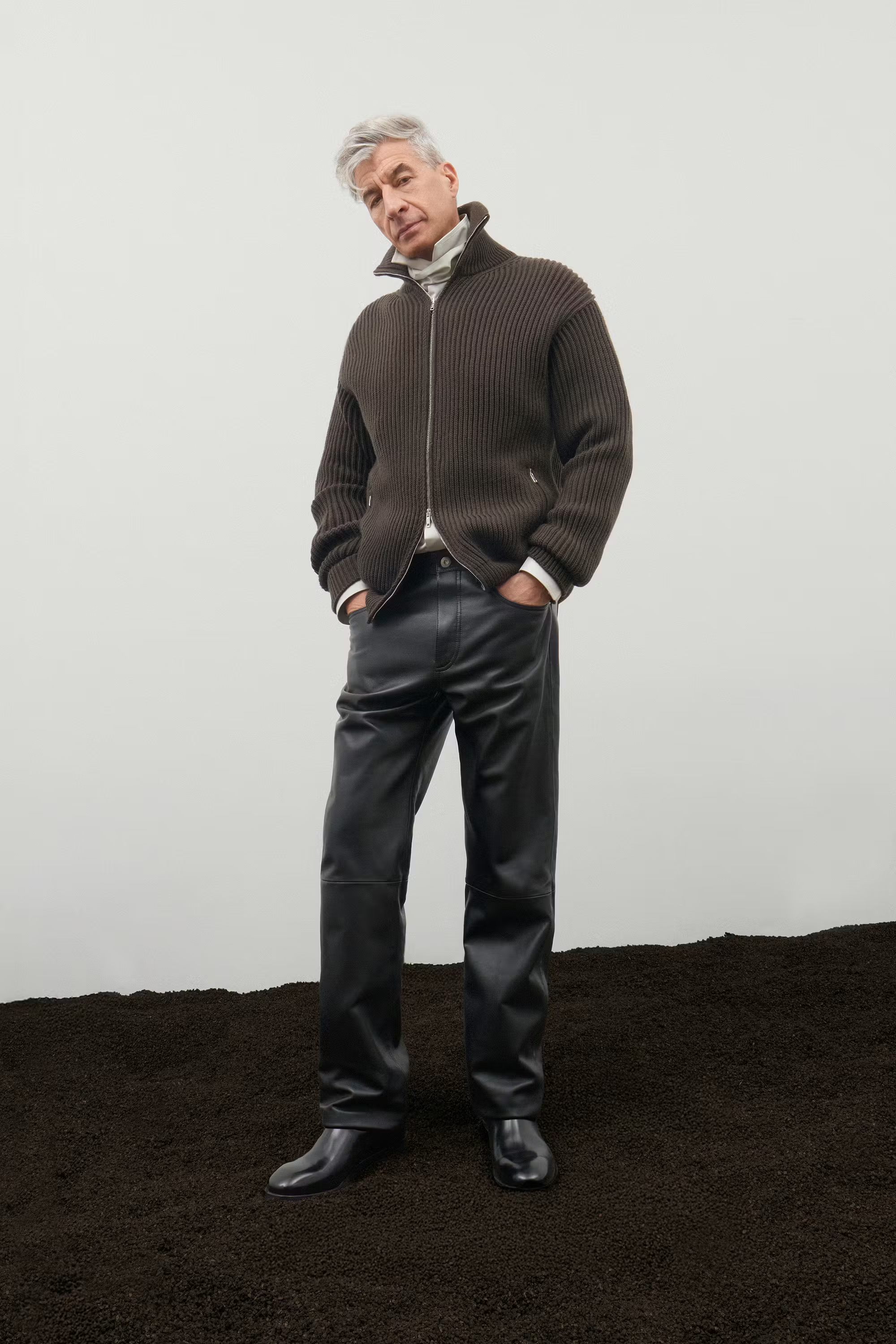
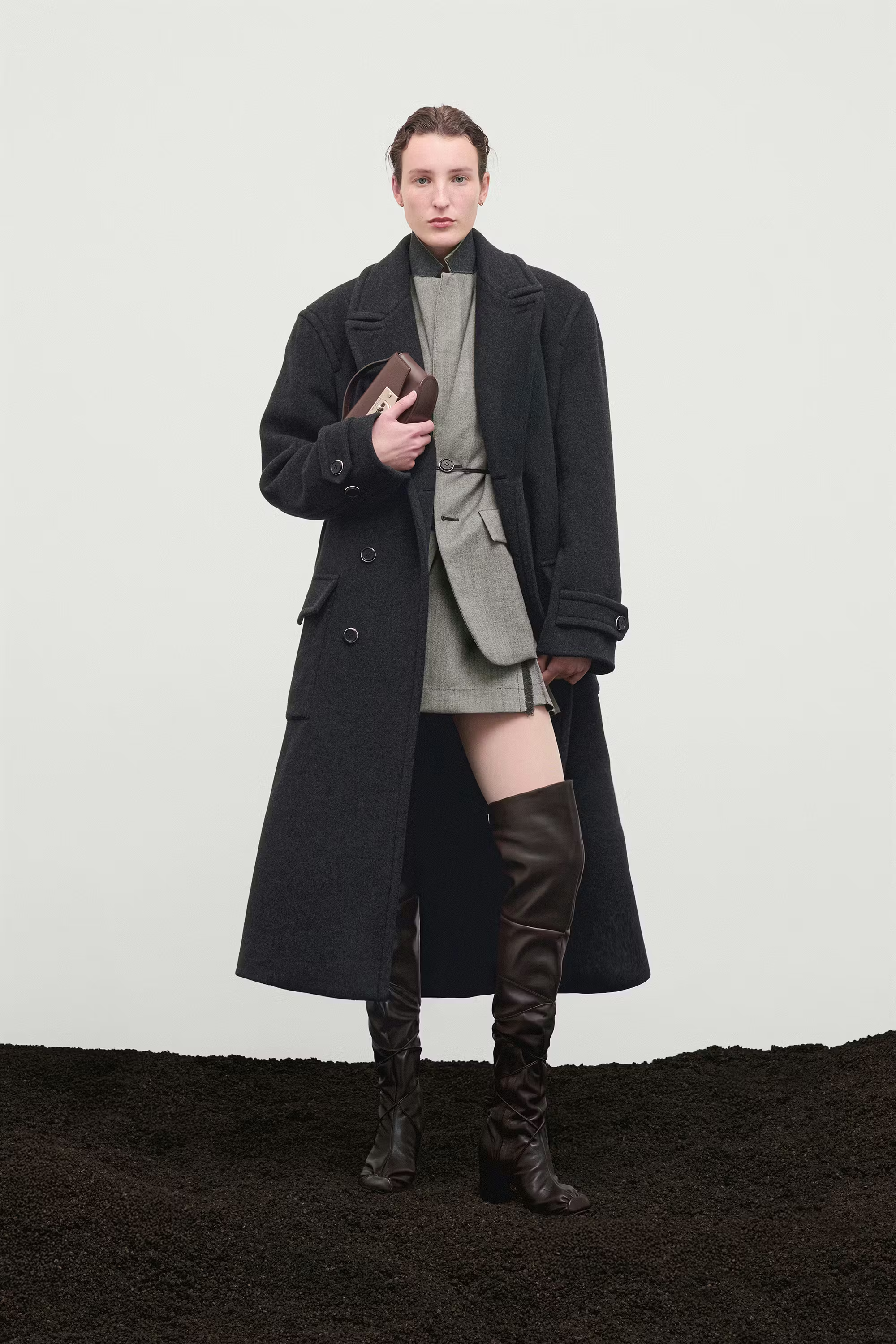
Ilenia Durazzi is a Polimoda graduate who came back to Italy after more than a decade in Paris for Balenciaga and Maison Margiela, and launched her brand with a clarity of purpose that comes from having seen the industry from multiple angles. Part of what galvanized her return was an encounter with Maurizio Cattelan, which is either an excellent origin story or an extremely Italian one, possibly both. The brand's visual language is strongly equestrian, with her Milan studio redesigned as a community cultural space that perfectly intertwines her creations with a very Bauhaus-adjacent interior design. Durazzi expanded her vision to menswear this season for the first time, and the campaign couldn't star anyone other than Cattelan himself.
Courtesy of Institution
Institution
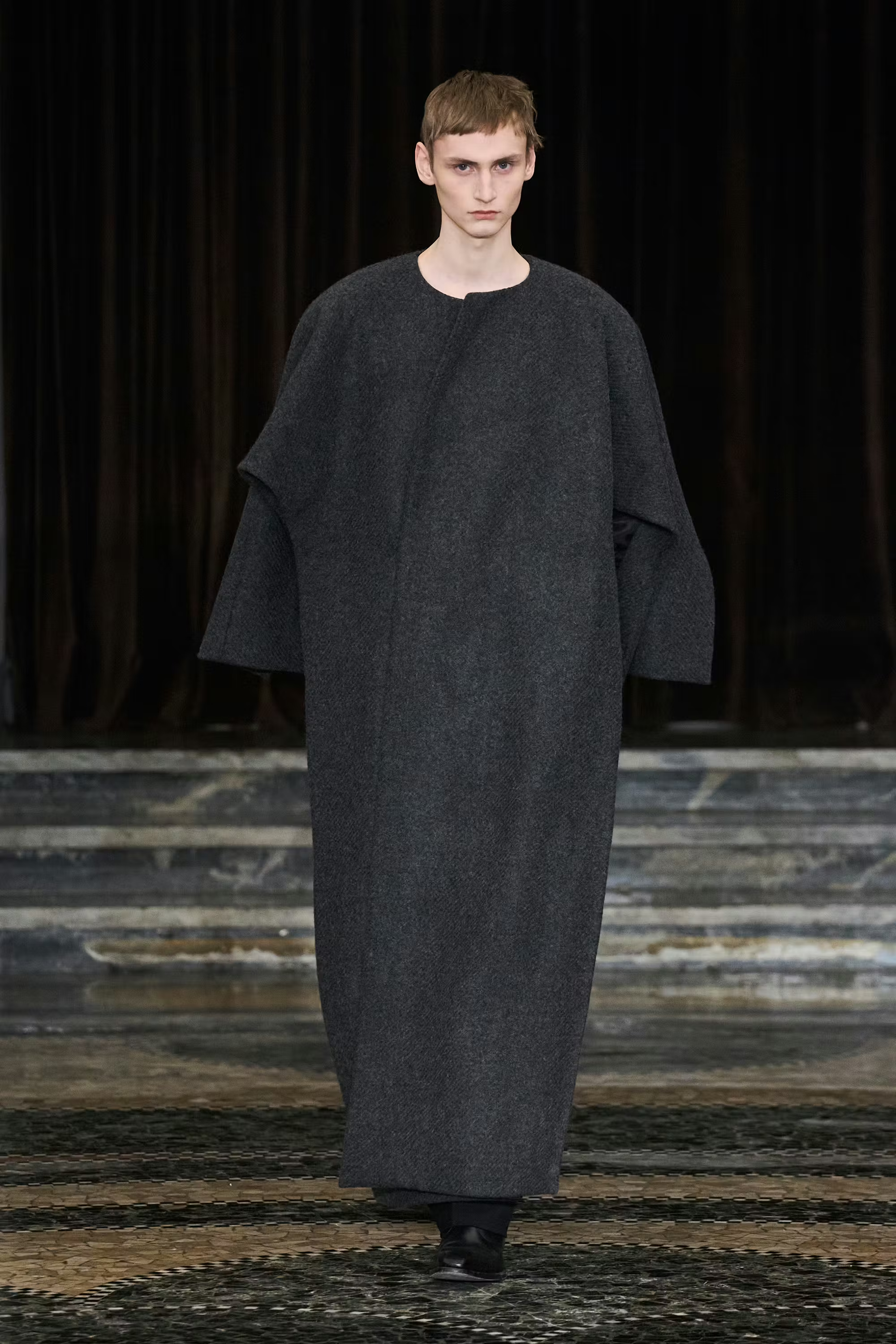
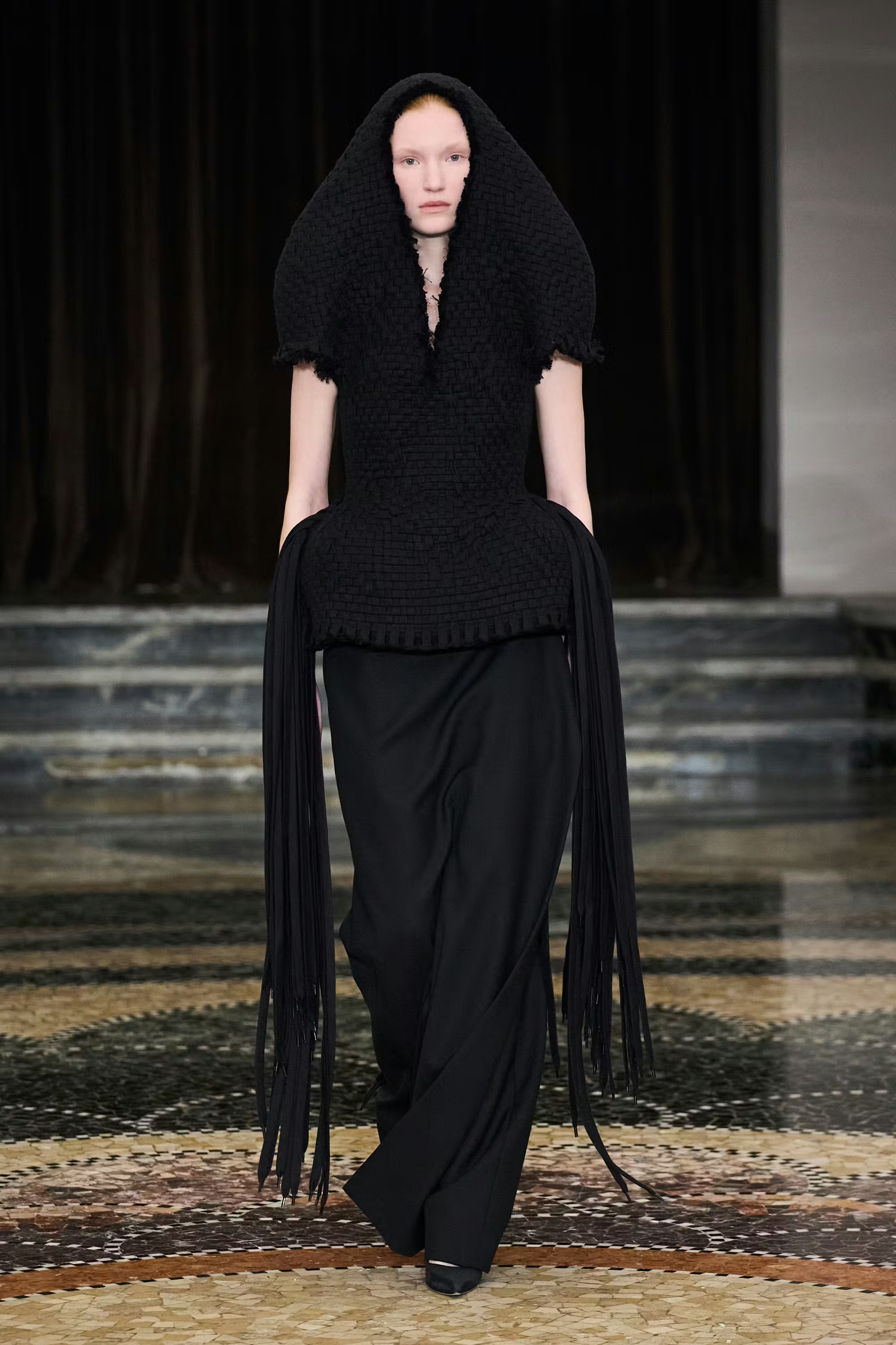
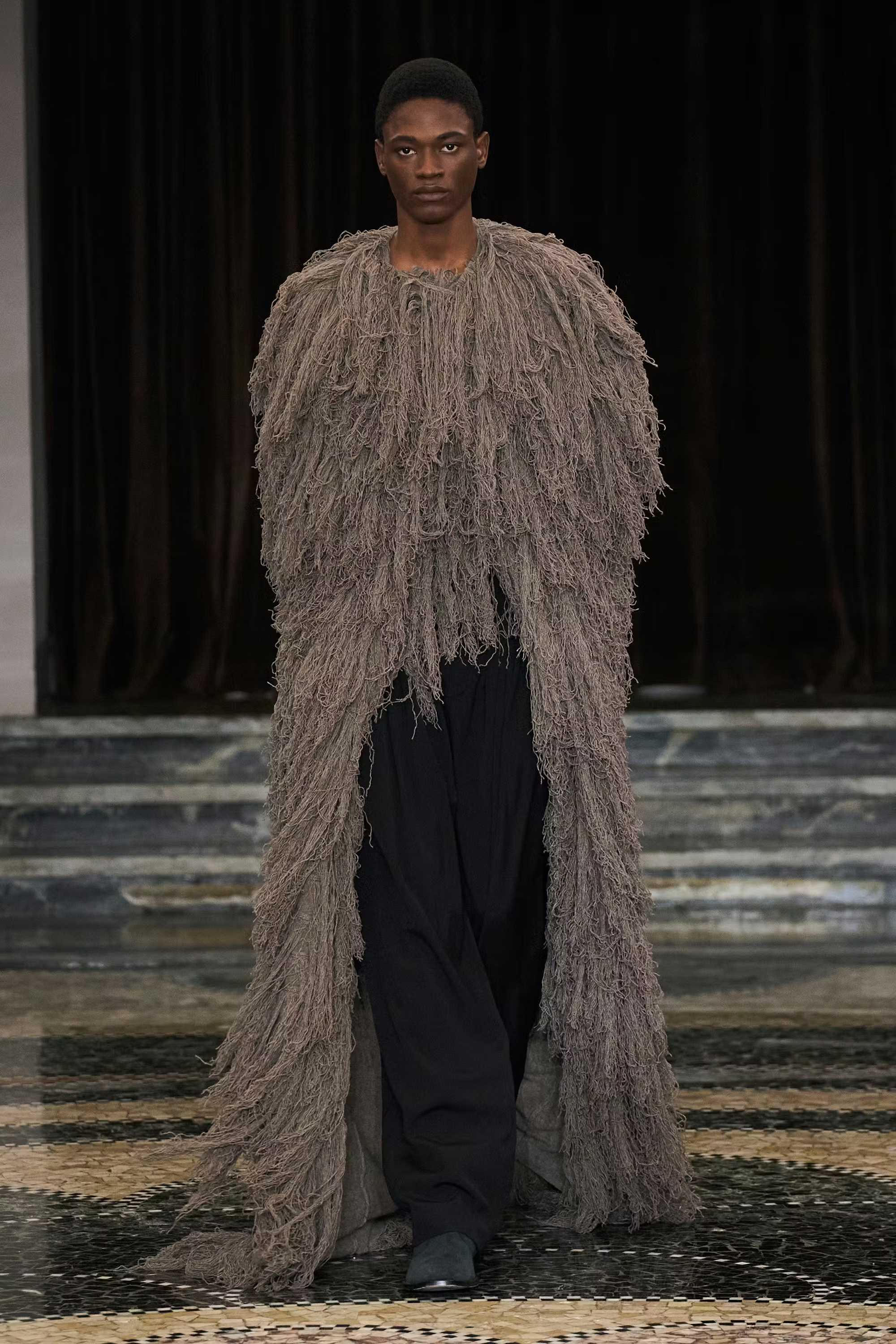
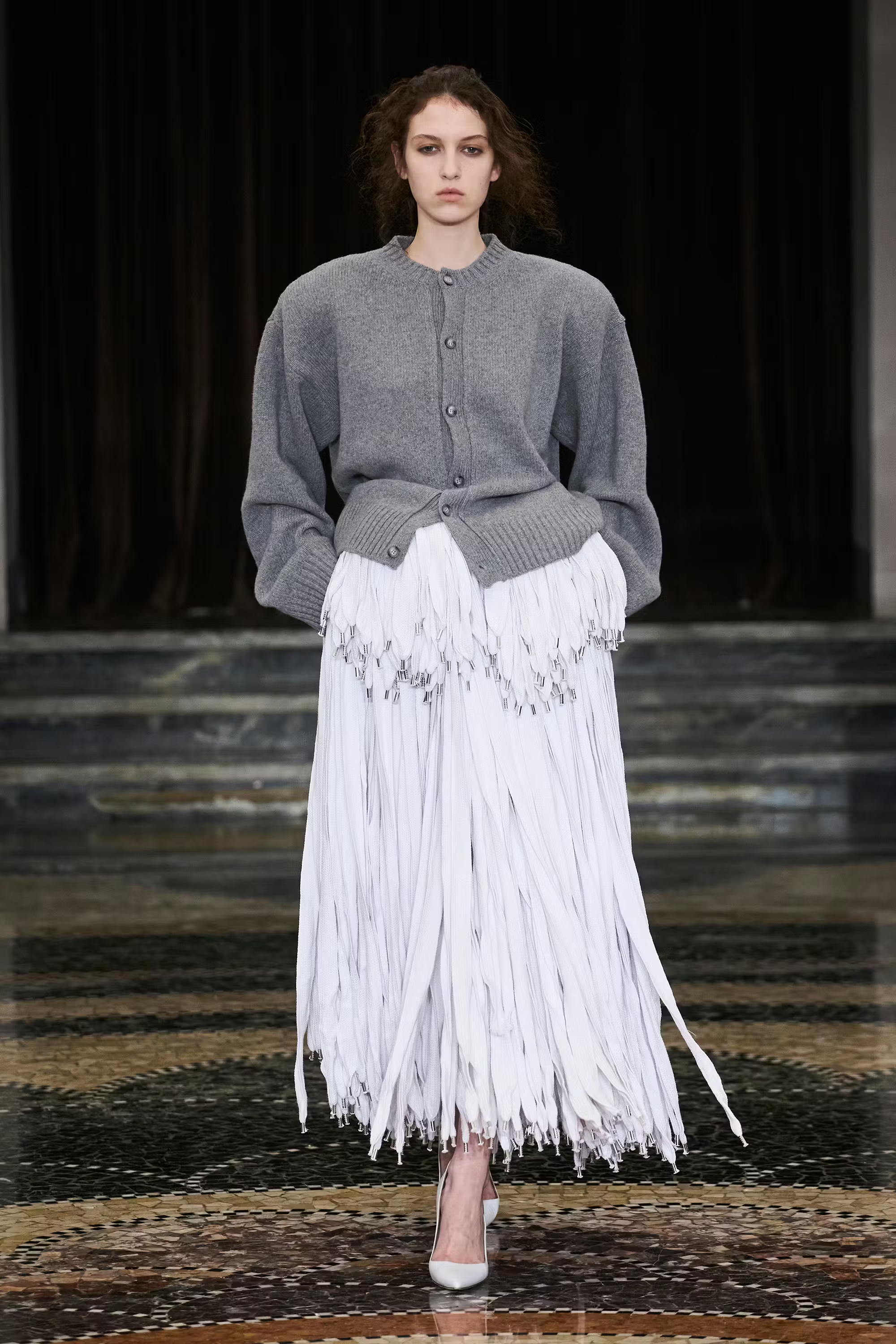
Former co-founder of Act N.1 and recipient of the Zalando Visionary Award 2026, Galib Gassanoff grew up on the outskirts of Tbilisi, Georgia, of Azerbaijani descent, surrounded by opposing cultures and customs. Currently among the semifinalists for the 2026 LVMH Prize, he launched Institution at the end of 2023 as an explicitly socio-artistic project rooted in his Caucasian heritage, and a commitment to preserving crafts at risk of disappearing. Carpet-weaving techniques are handknotted into shoelaces by some of the last women in the world still practicing a particular regional craft; rug panels become clothing; sculptural silhouettes with pannier hips, stand-up shoulders, and felted wool volumes function both as garments and objects of cultural testimony. He runs the brand from a small Milan apartment-atelier, making every paper pattern himself.
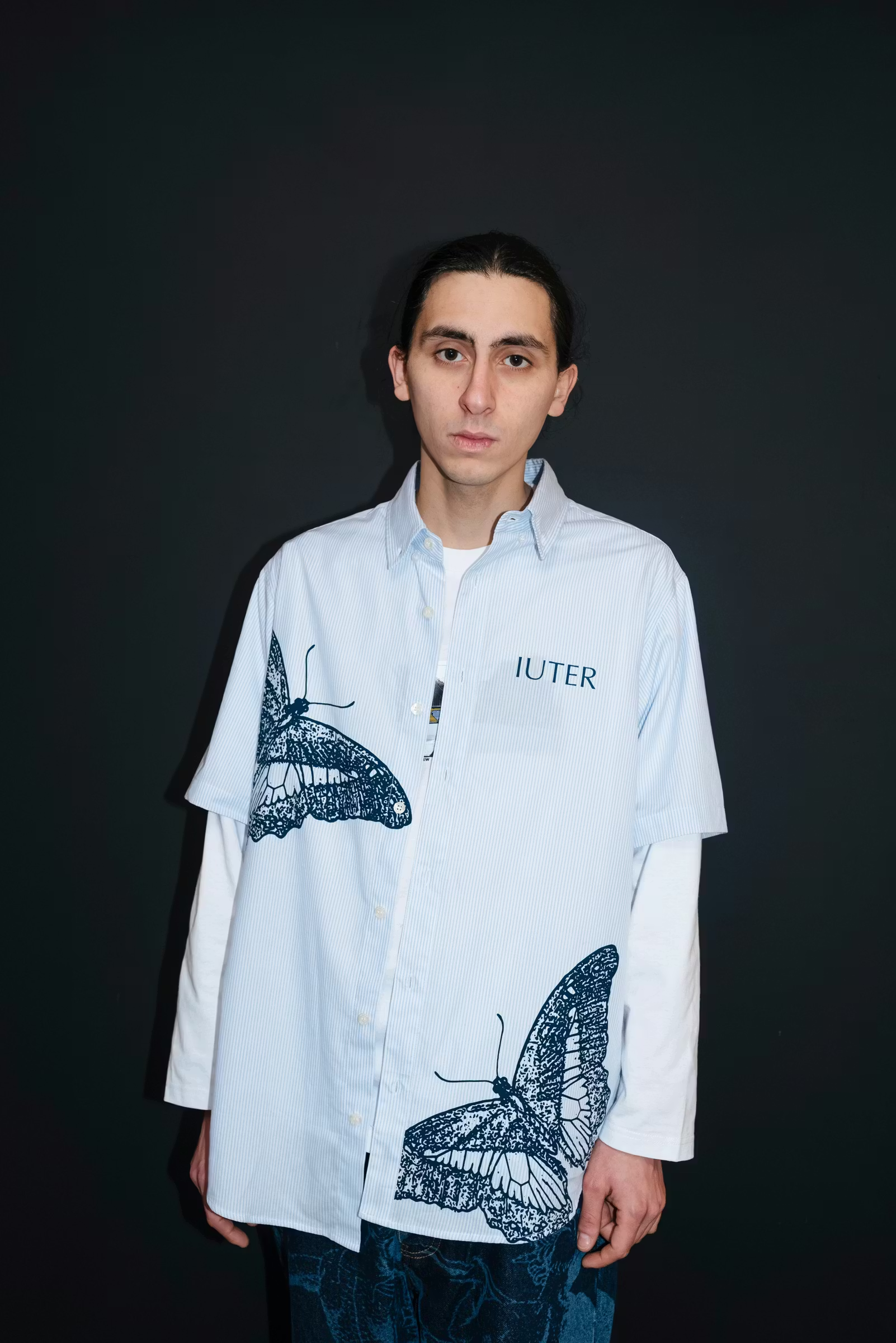
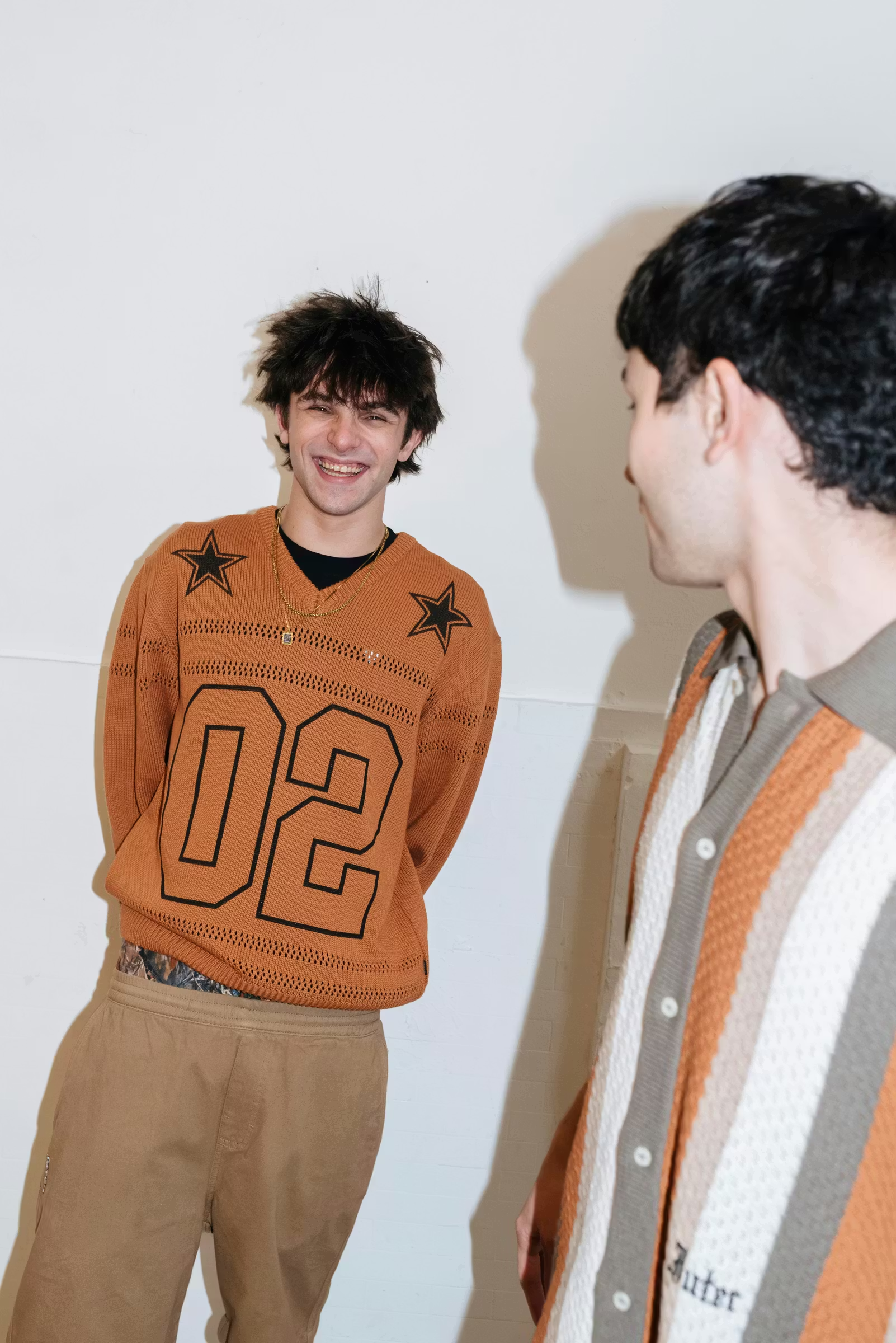
Courtesy of IUTER
IUTER
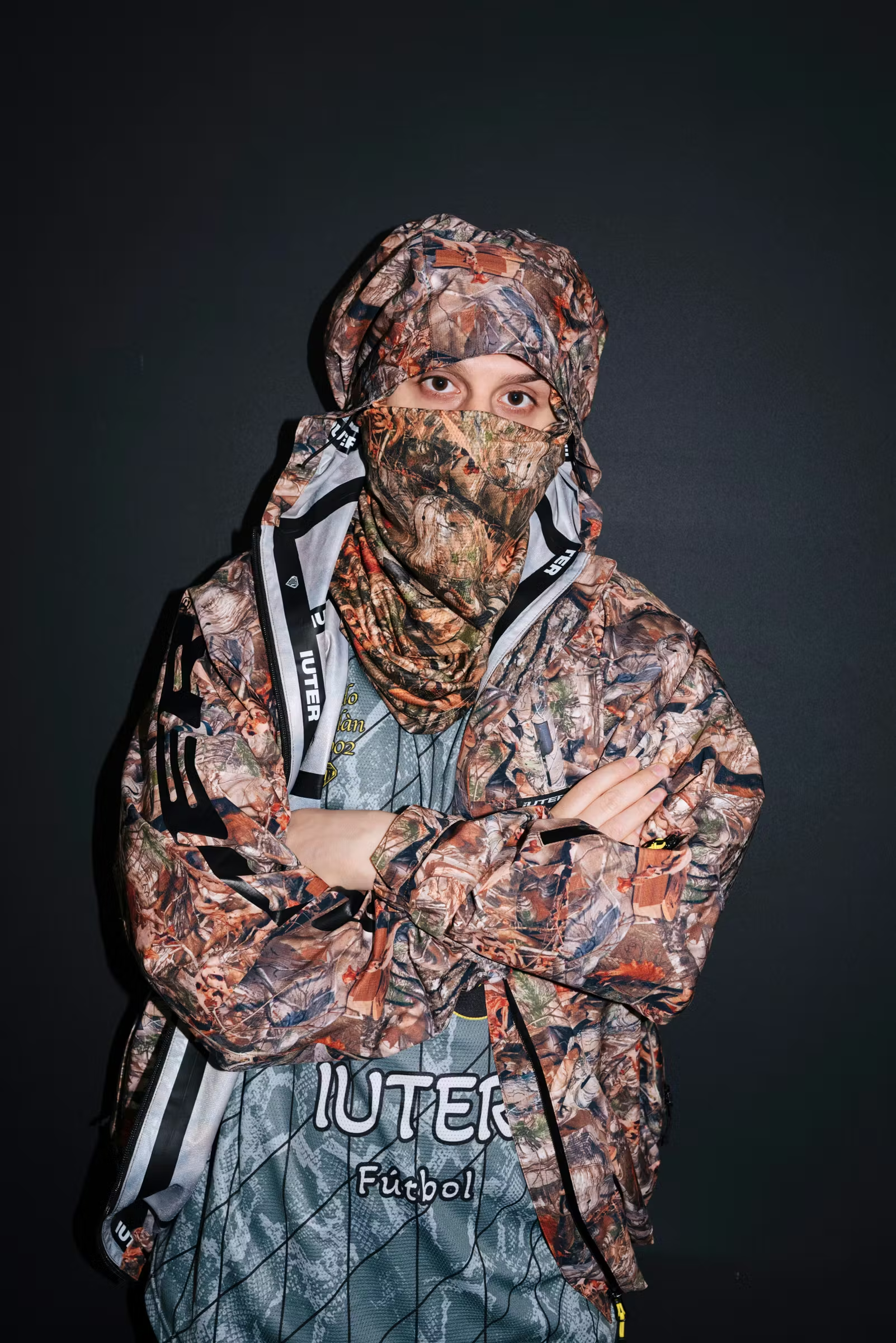
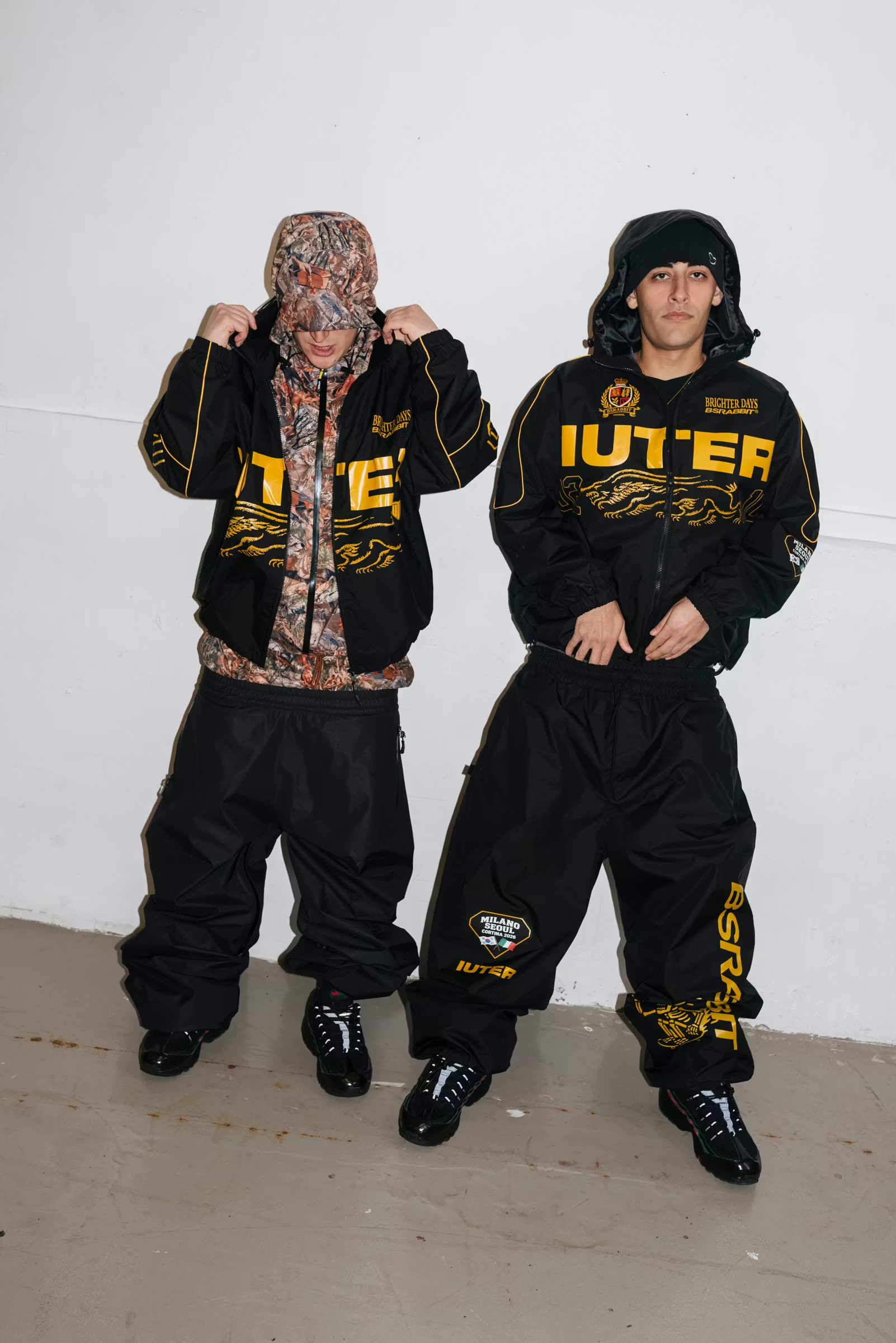
A note on why IUTER belongs here despite being 24 years old: this is a brand that the Italian streetwear community has known since 2002, when Alberto Leoni and Andrea Torella founded it out of Milan's early skate and hip-hop underground. Since 2010, IUTER has its own factory near Milan, over 150 domestic stockists, and between 25 and 30 international accounts. It has collaborated with Virgil Abloh-connected projects and has outlasted most of its Italian contemporaries by two decades without losing its identity, which is something that almost never happens. A diamond logo, the premium domestic production, and a deep archive worth excavating.