




Black hair weaves a vibrant tapestry of culture, with each curl, kink, and coil unraveling a rich history rooted in self-expression and pride.
Since the beginning of time, the tresses of Black women symbolized more than aesthetics, carrying deeper meaning, often communicating their respective stories without the utterance of a word. Whether worn in intricate braids, celebrated naturally, or adorned with accents, Black hair stands as a powerful emblem of resilience. Still, it endures its fair share of scrutiny. From ancestors being legally forced to hide their hair to Gen-Z scholars facing suspension for simply donning locs and box braids, Black hair has long been policed and misunderstood in American society. This “misunderstanding” is in which the CROWN Act was birthed.
Co-founded in 2019 by Dove, the CROWN Coalition was introduced to dismantle the foundation of systemic discrimination against Black hair textures and hairstyles in both the classrooms and boardrooms of America. Since its introduction, the groundbreaking CROWN Act and similar legislation have been enacted in 27 states—serving as a beacon of hope, a glimmer of a future where the manes of Black people aren’t stigmatized or weaponized. While the CROWN Act represents powerful strides of a larger movement championing Black hair and its cultural significance IRL—the virtual realm remains stuck on level one.
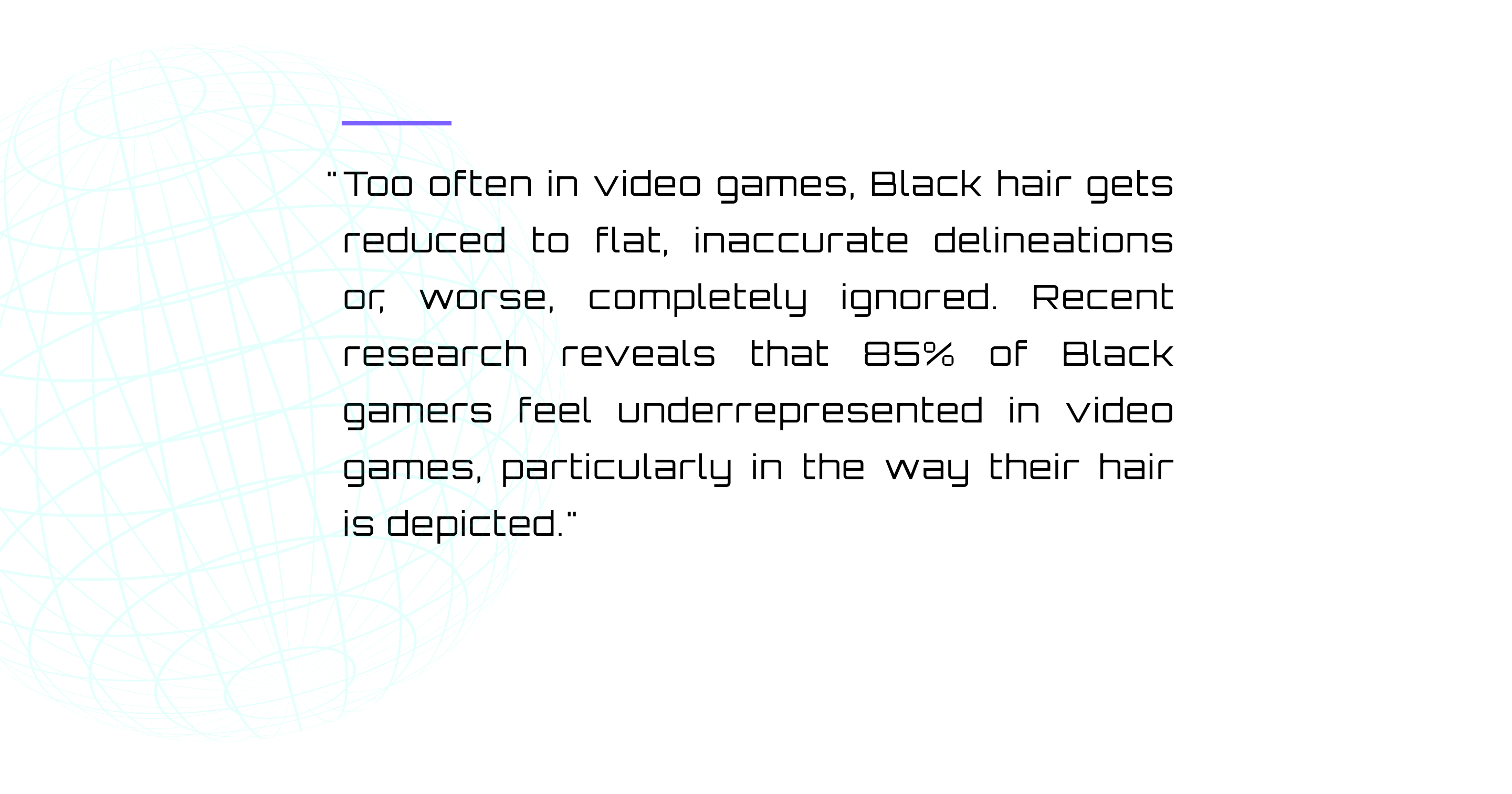
Now, as new players like Code My Crown power up, the digital age is loading a more inclusive dimension. Created by Dove in collaboration with Open Source Afro Hair Library, Code My Crown bestows developers with a 200-page step-by-step coding guide for properly rendering Black hair (and styles). “When Black hair is absent or poorly represented in games, it tells Black players that our culture isn’t valued,” notes A.M. Darke, Founder of Open Source Afro Hair Library.
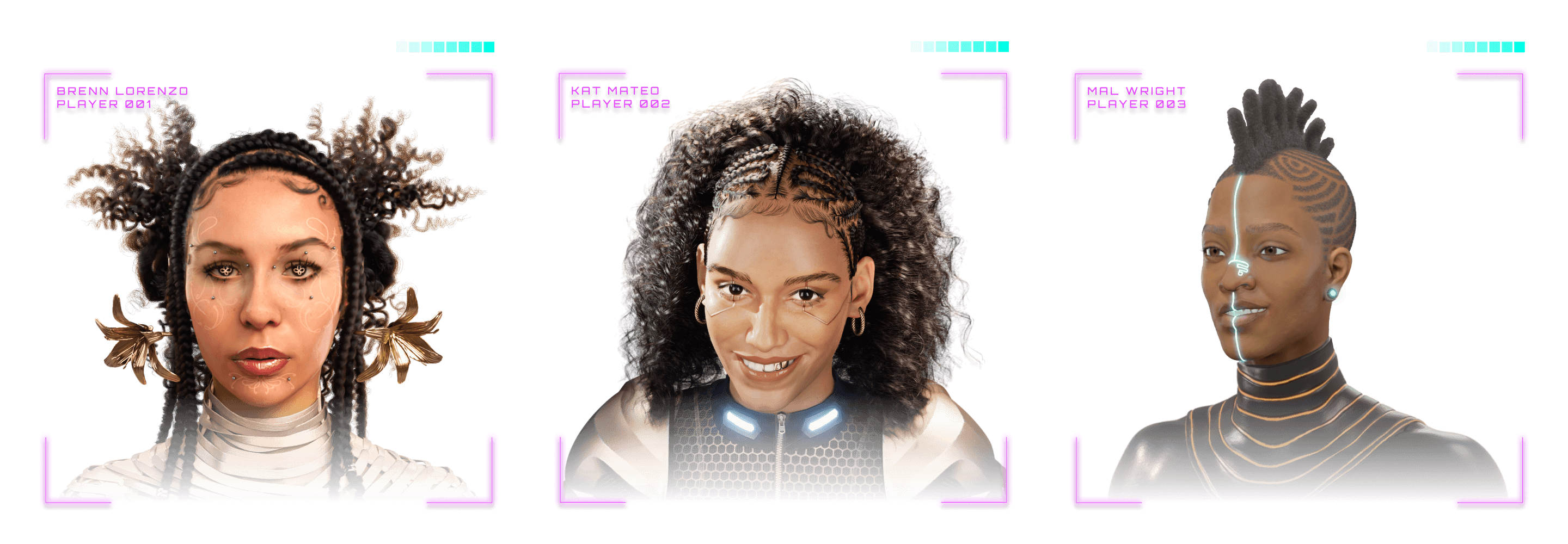
This sentiment echoes a reality that Brenn Lorenzo, Kat Mateo, and Mal Wright know all too well. Growing up, playing video games meant seeing avatars that didn’t look like them, lacking their hair texture, their skin tone, and their overall essence. Occurrences like this were catalysts that colored their mutual journeys of learning to love their hair and, in turn, themselves. United by this shared experience and the nuanced commonalities of navigating the world unapologetically as Black women, these three dynamic forces from varying walks of life pay tribute to their crowns. Through Dove’s Code My Crown initiative, Lorenzo, Mateo, and Wright’s distinct features are forever immortalized and etched into cyberspace—materializing not only as the representation their younger selves needed to see but also as an ode to those who still feel unseen today.
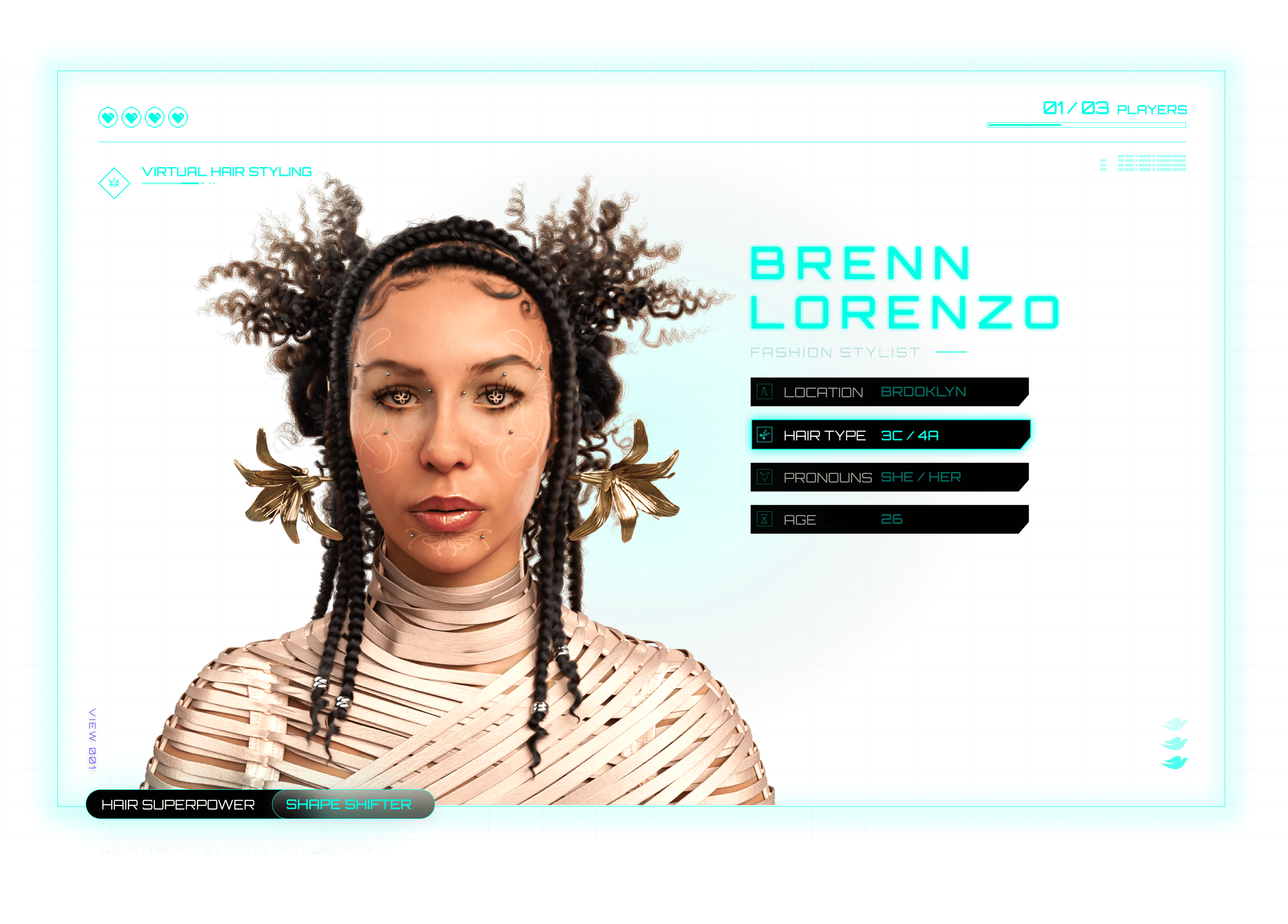
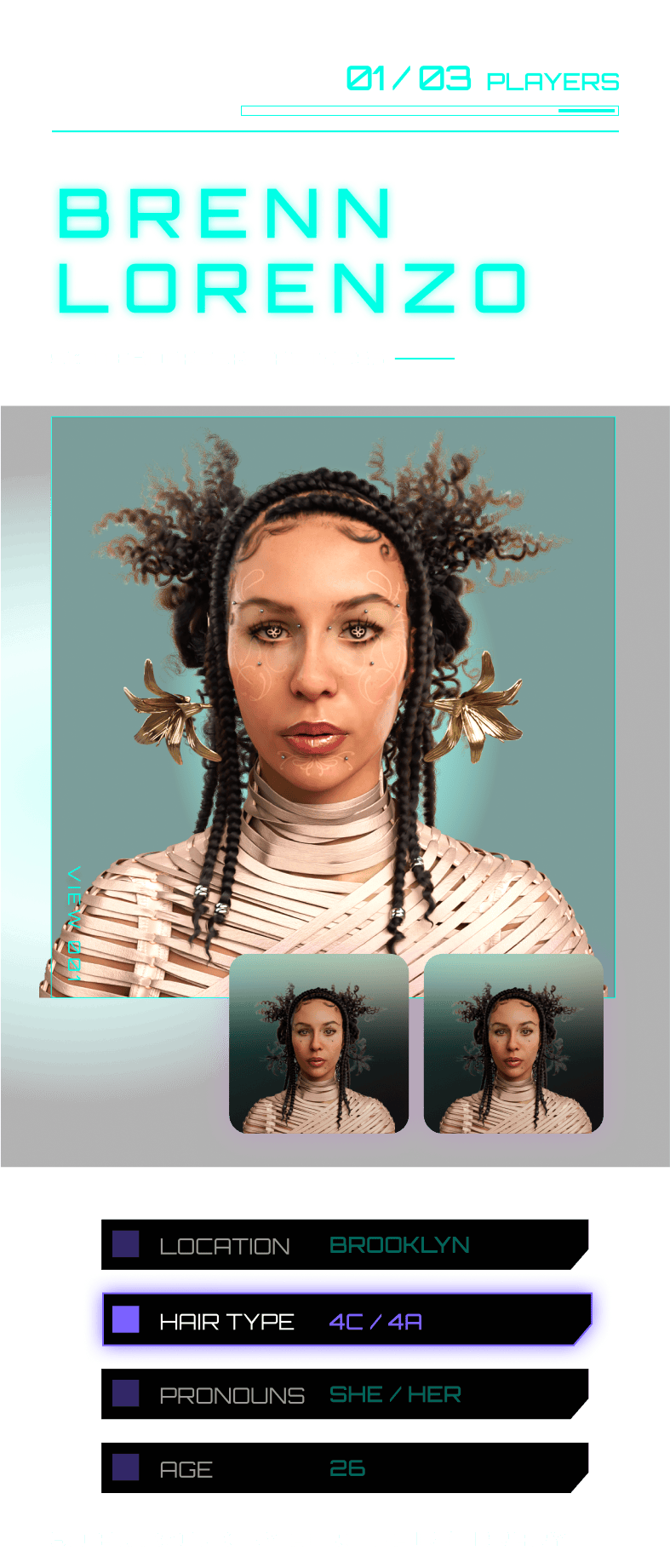

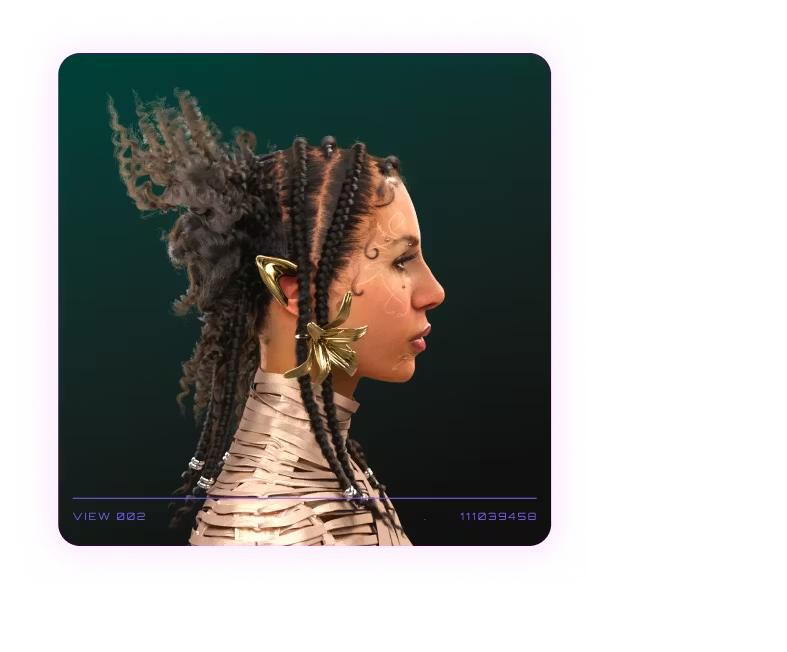

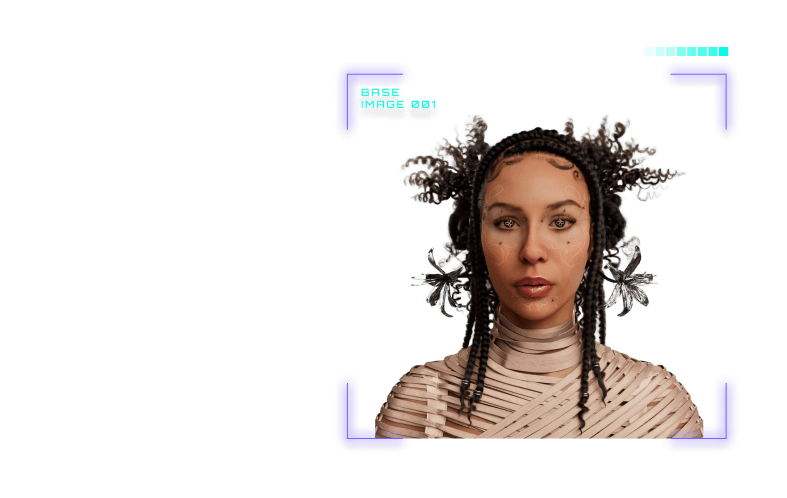
Brenn Lorenzo recalls the warmth of childhood memories wrapped around hair care rituals with her mother. Formative encounters like wash days at the kitchen sink of her childhood Brooklyn home nourished a deep bond with hair early on. This bond was tested as a young Lorenzo began sporting her natural hair in predominantly white settings, which incited feelings of isolation. Today, the 26-year-old actress’ voluminous curly ‘fro that once marked her as an outsider is her signature look. Utilizing Code My Crown’s expansive library to pay homage to her multi-hued curls, Lorenzo has enhanced them with Senegalese twists to emphasize the act of reclamation that has empowered her.


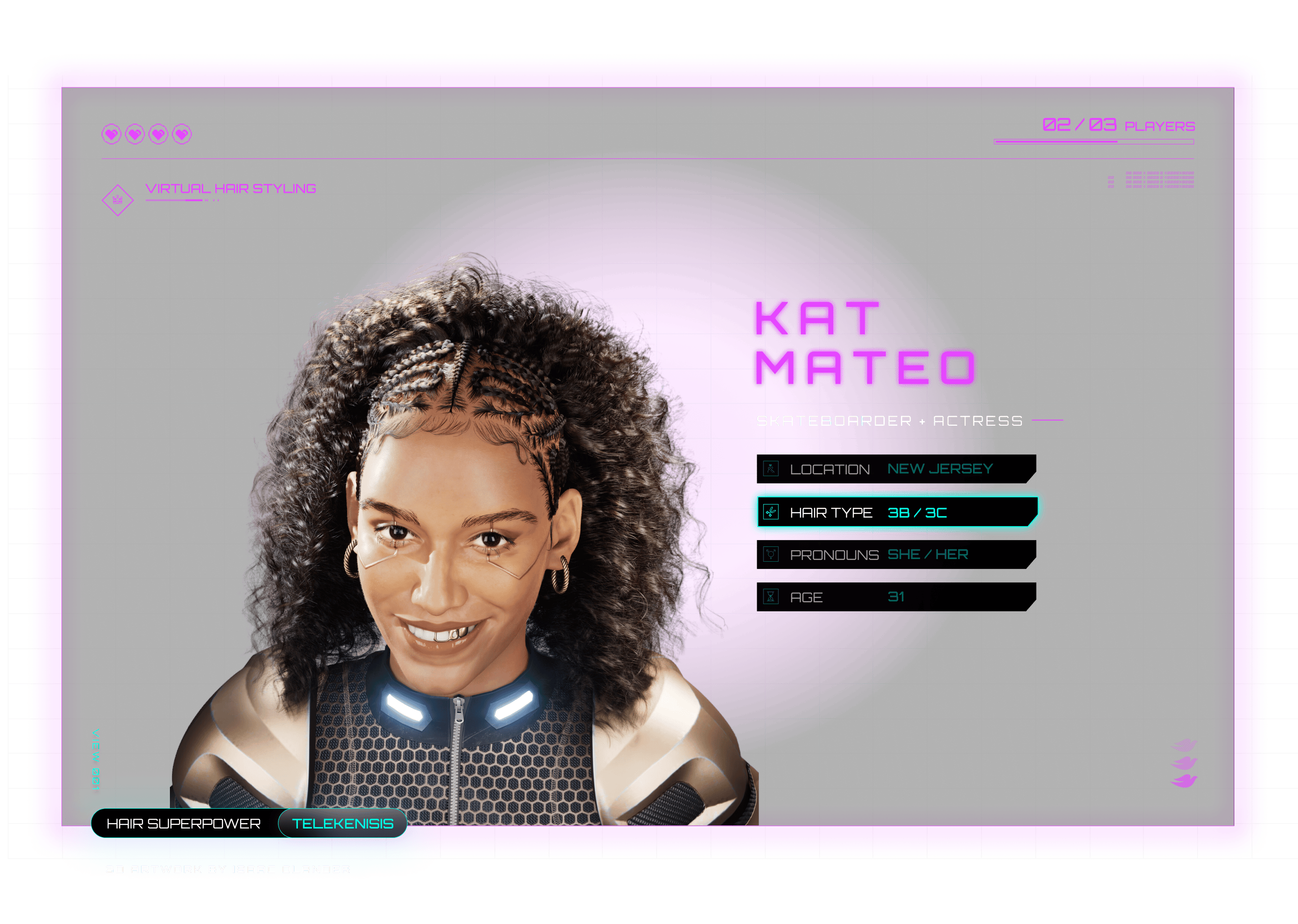
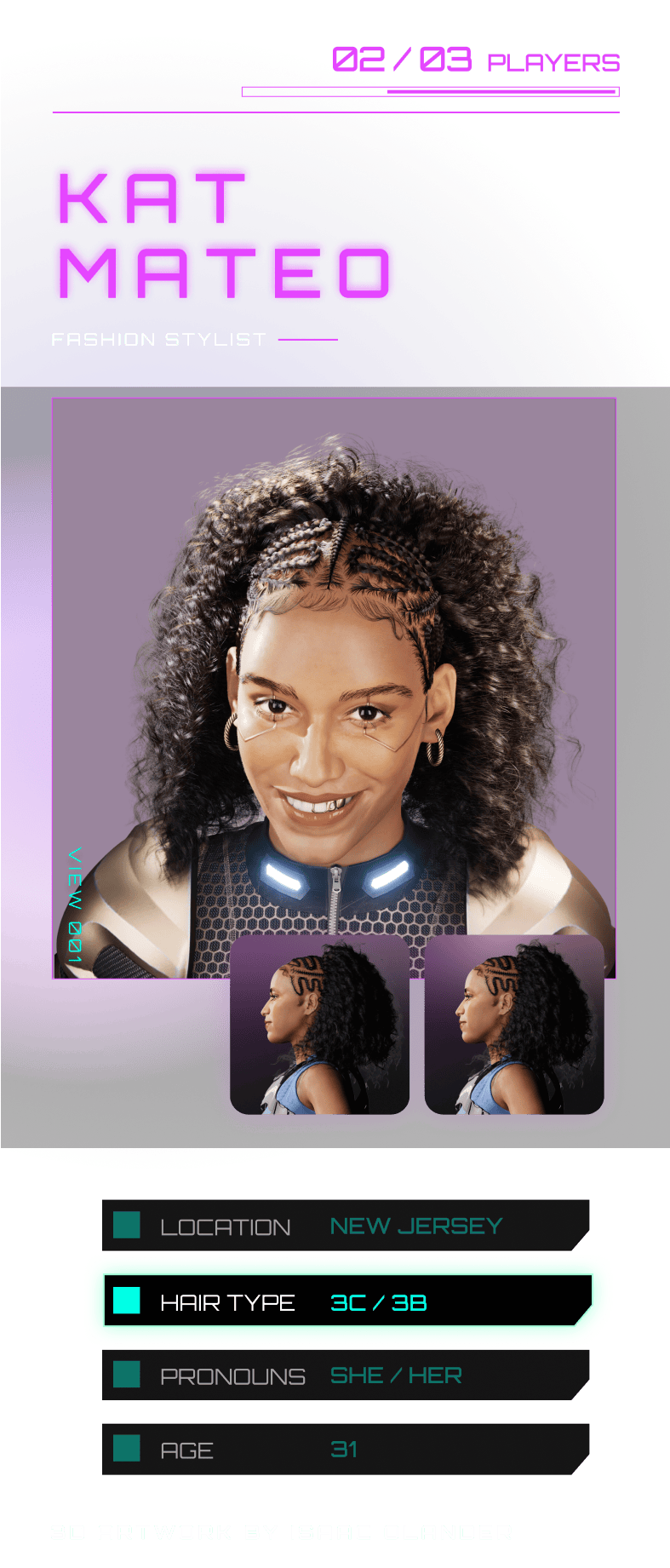
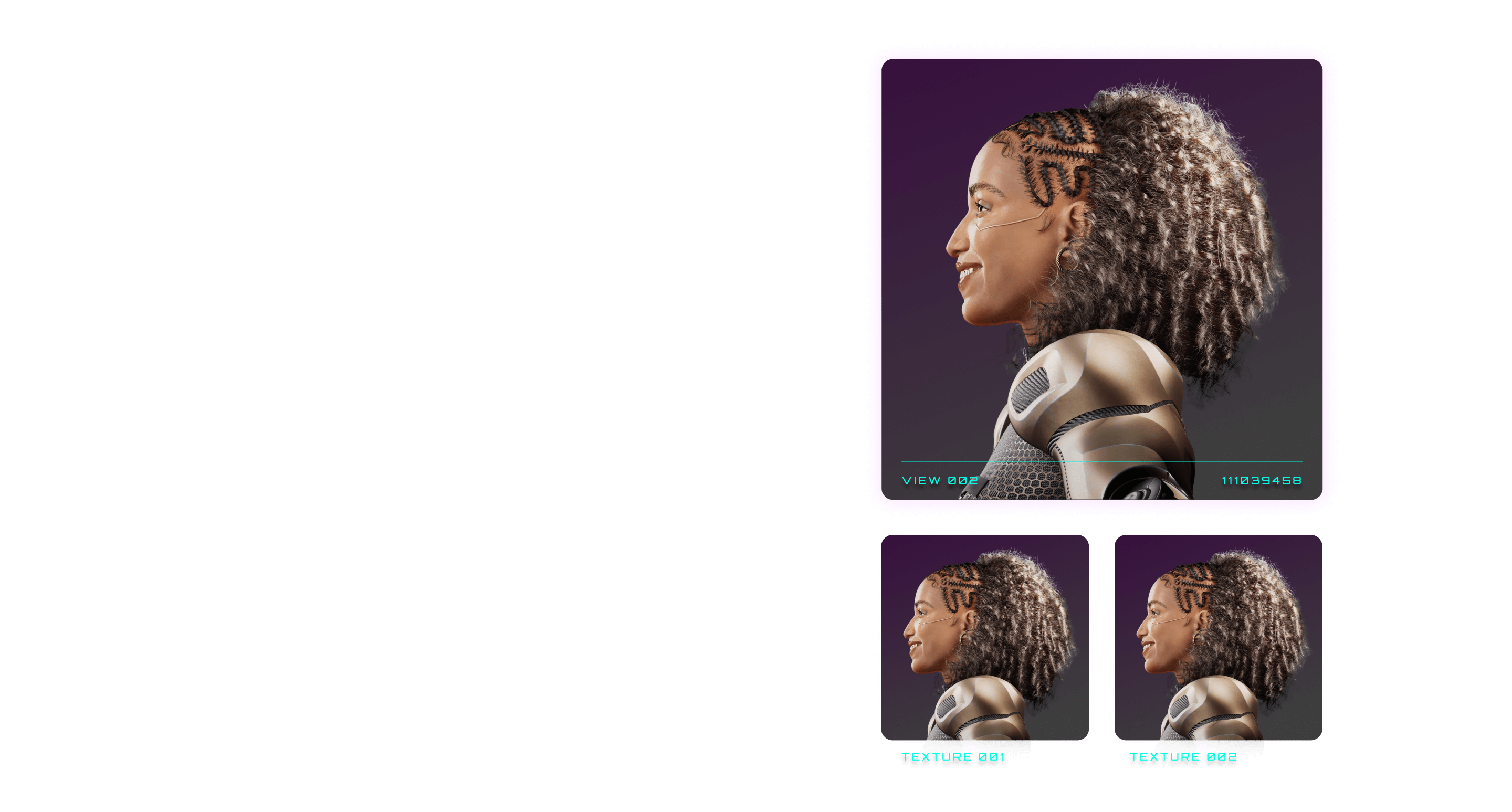
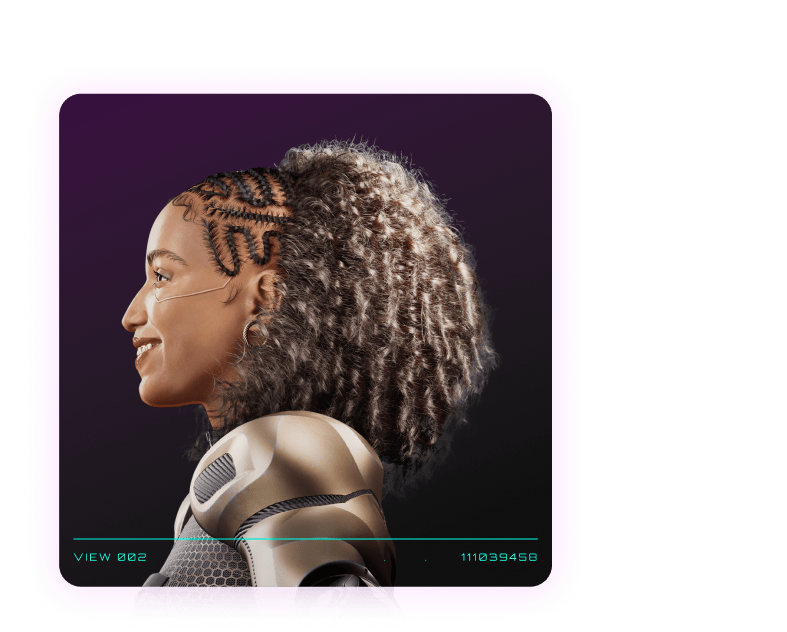

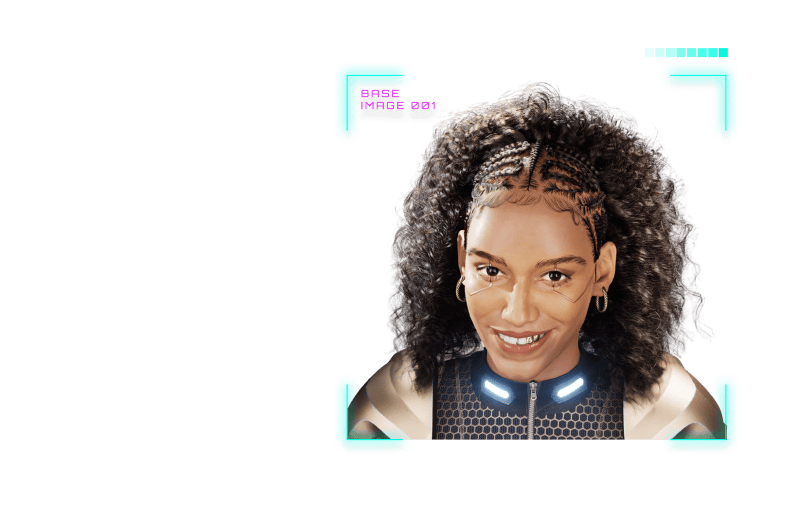
At age 12, Kat Mateo’s hair journey took a sudden, painful turn when a hairstylist cut off her pigtails, guided by her grandmother’s wish to relax her hair. “It felt as though they didn’t want to deal with my hair,” she shares. The experience left a lasting impact, deepening a sense of inadequacy in her tightly coiled strands that took time to unravel. Mateo’s path to self-acceptance came with learning to care for her curls herself, turning what once felt like a burden and shame into an honor. Her pixel-perfect persona reflects that evolution. "I wanted my avatar to show the beauty of my hair’s versatility, transforming what I once saw as imperfections into symbols of individuality and strength,” the 31-year-old fashion stylist explains. “In building this avatar, I found a sense of freedom reminiscent of the character creation games we played as kids,” but this time around, Mateo was fully equipped to accurately illustrate her likeness and hair in all its textured glory.

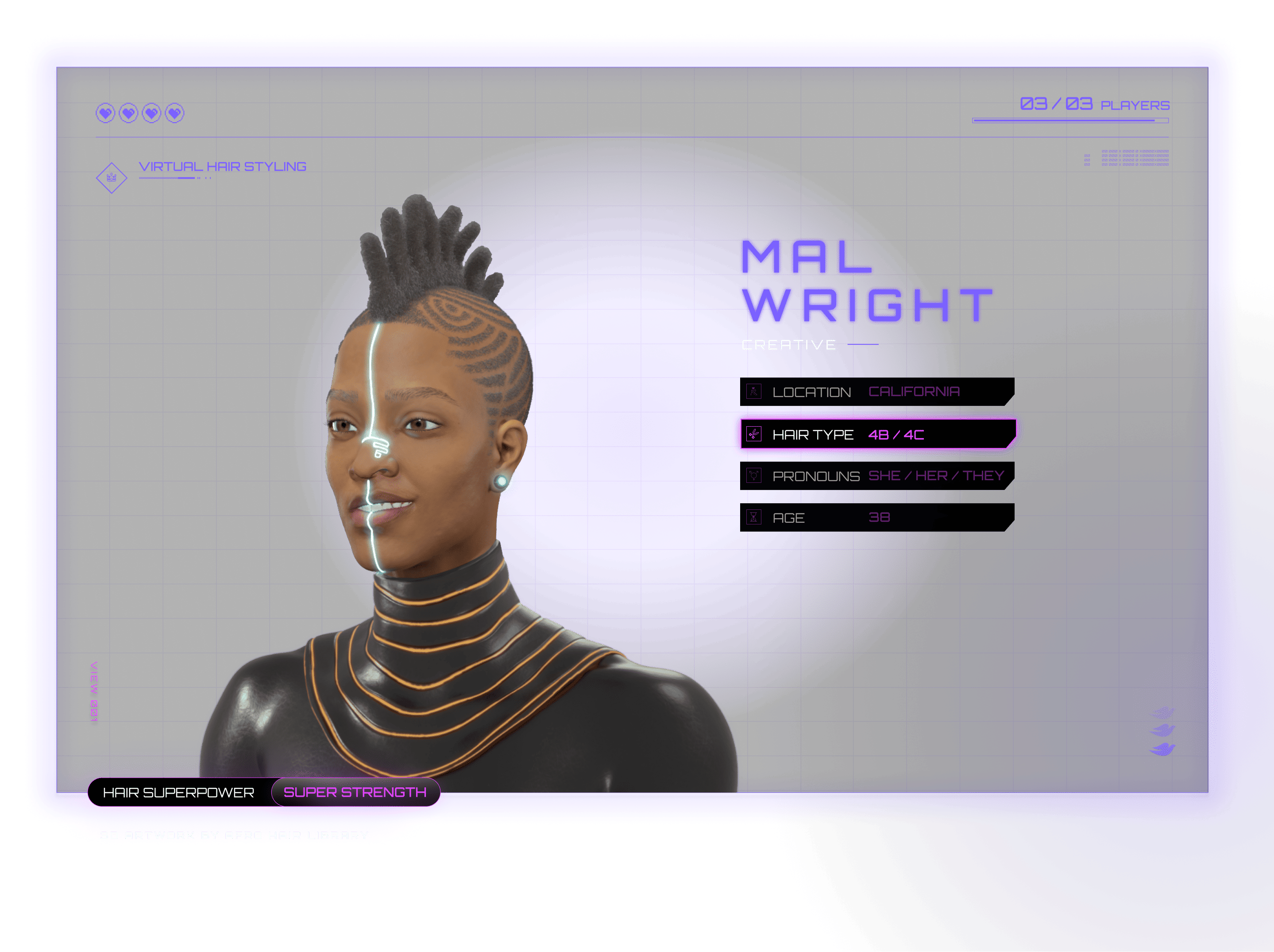
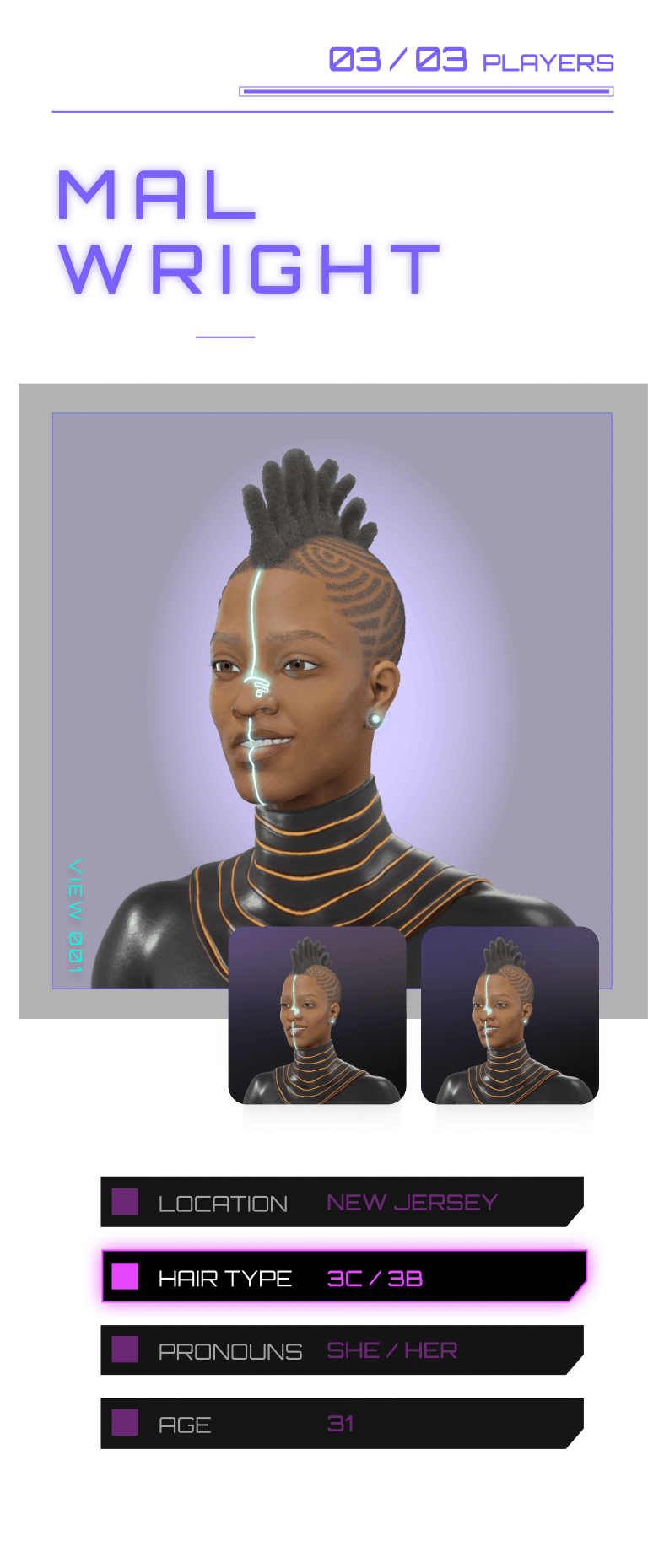
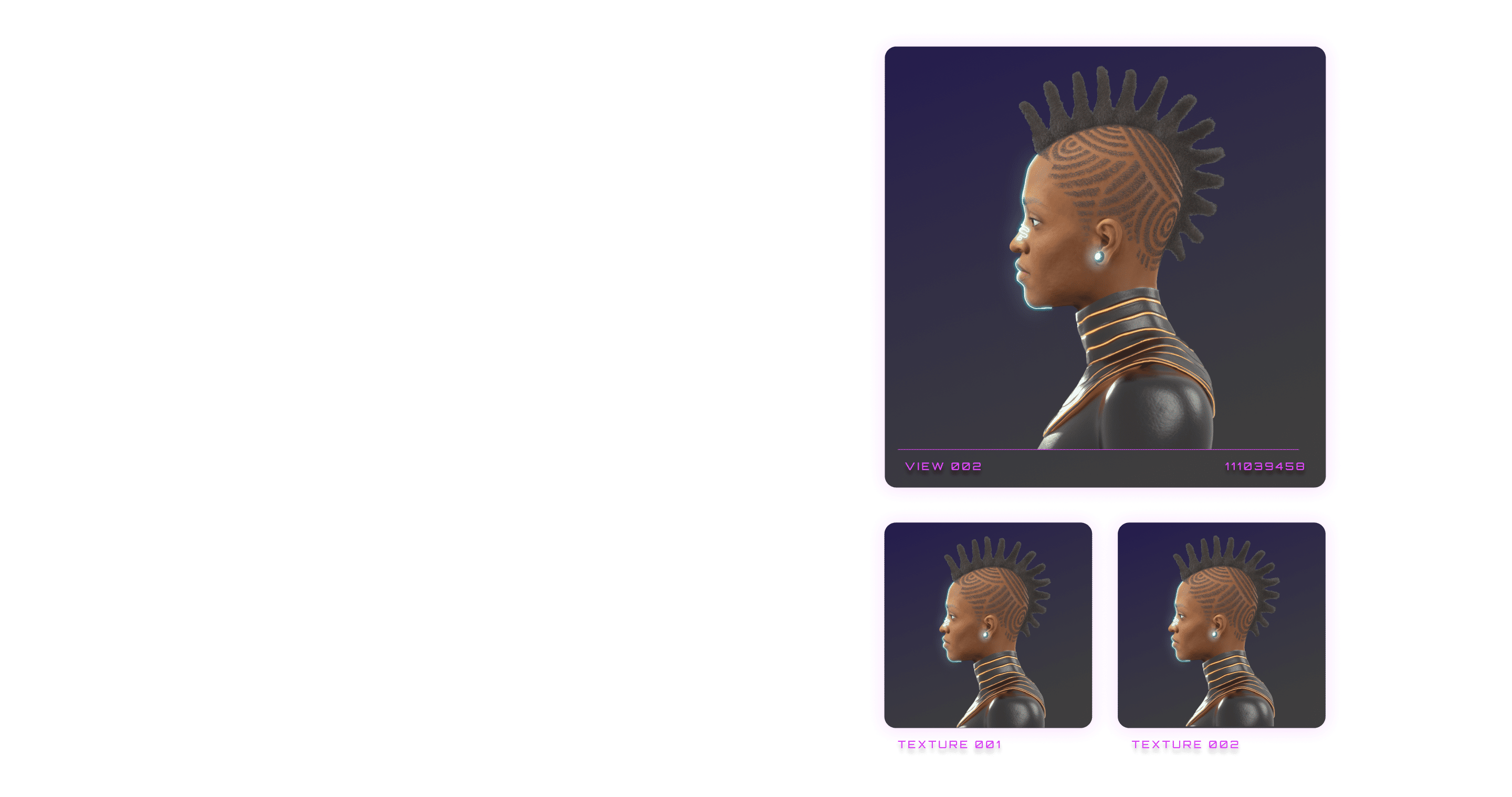
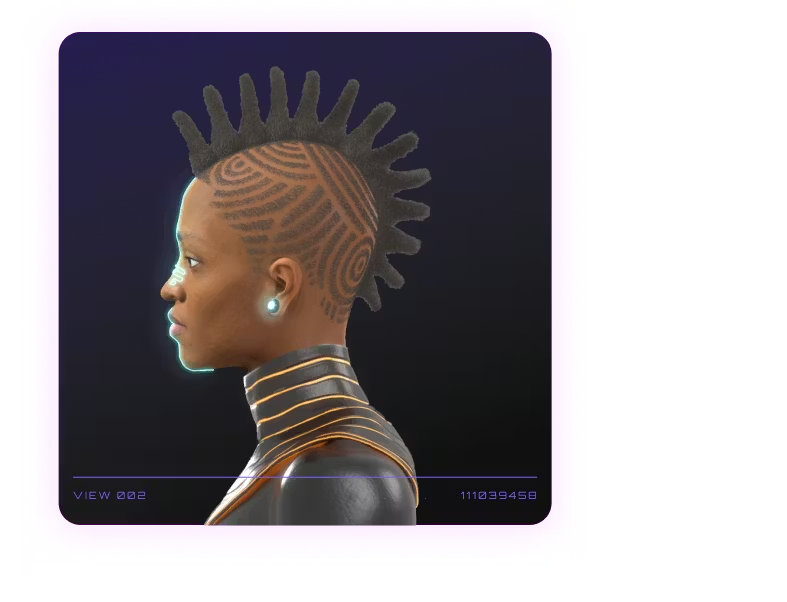

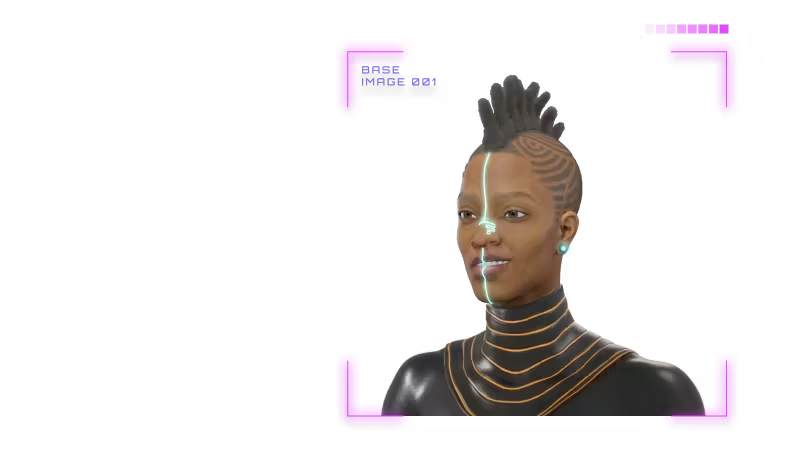
“I still remember what the heat from the hot comb smelled like,” Mal Wright recalls, evoking memories of her mother straightening her hair. This right of passage for young Black women, although anchored in care, is tinged with fear and serves as a blatant reminder of how Black hair has been shaped by social expectations. In cutting her hair years later, Wright unlocked a newfound sense of liberation. “I remember the freedom I felt once I cut my hair off for the first time,” the multihyphenate explains. “It was my choice; it felt like a rebirth.” Each snip unearthed a new layer of her identity. For Wright, gaming possesses a similar freeing ability to build who you want to be while defying oppressive forces. Designing a digitized doppelganger with her usual sharp cut juxtaposed by an unexpected addition of gravity-defying locs, the California native coyly prognosticates that her avatar may just be the next level of her reality. After all, they do say life imitates art.

It may appear to be a mere figment of virtual reality; however, the three digital reflections that Lorenzo, Mateo, and Wright conjured up with Code My Crown’s game-changing guide reach beyond the computer screen. These renderings signify Black women, Black hair, and the collective Black experience claiming space in a sphere that has traditionally diminished its presence through deficient portrayals. Together, Dove and Open Source Afro Hair Library lay the groundwork for a new era where twists, braids, and curls are vividly simulated, showcasing the versatility of Black hair. Through each pixel and byte, we celebrate the trials and triumphs embedded into the strands that make up every illustrious crown.

Click below to access the Code My Crown guide
LEARN MORE3D Artist: Isaac Olander