Barry Schwartz started Camber in 1984 with a simple goal: to make the Cadillac of hoodies. “I wanted to make the best, heaviest sweatshirt,” he told me when we met at his Norristown, Pennsylvania, factory in 2022.
Schwartz was a gentle, humble guy who enjoyed cycling, karate, yoga, racing cars, riding motorcycles, and making the best got-damn sweatshirts on the planet. He did things old-school; when we met, he had orders piled up on clipboards in his office. He was successful because he made a product that stood out for its quality — something powerline workers and fencers and roofers and mechanics appreciated, sought out, and gladly spent more for than, say, Carhartt.
Camber isn’t enormous, with revenues around $5 million a year, but it’s just the right size for what it makes: heavyweight sweats and tees, primarily. Any larger and the quality wouldn’t be sustainable. This was a steadfast principle Schwartz lived by. He could’ve scaled up and sold out numerous times, but he knew he’d built something worth protecting.
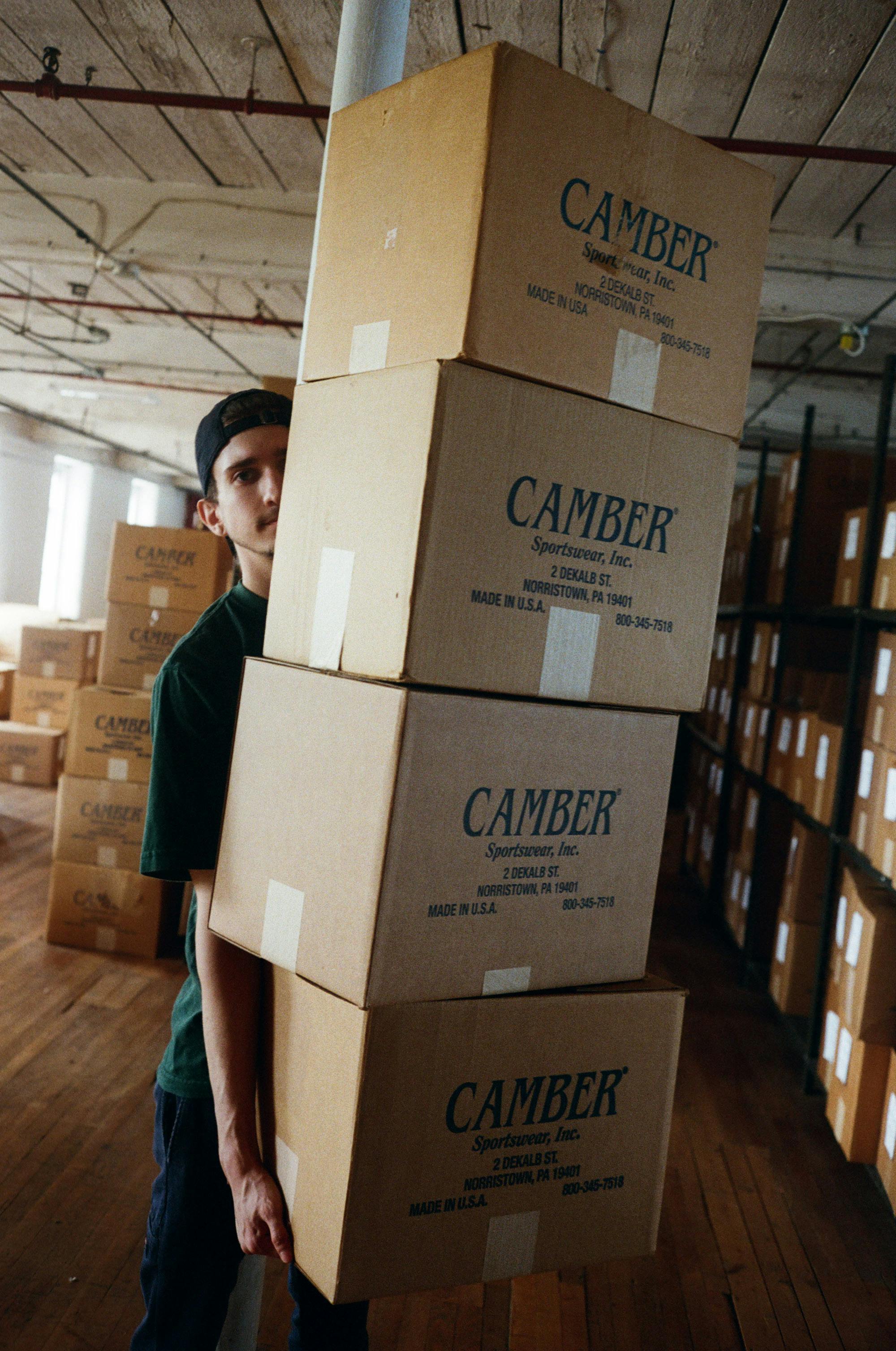
Schwartz died in October 2023 at 72. His last wish, those close to him told me, was for Camber to go on. But Camber is an idiosyncratic business to say the least. Schwartz kept his manufacturing process close to the chest. He was secretive about where his heavy-duty fabrics came from and proud of all the ways a Camber sweatshirt was unique — from the special stitching techniques to the gold rivets on the drawcord to the extra-sturdy boxes he used for shipping because his products were just that heavy. He was also a very private person; even his most loyal customers didn’t know much about his personal life. So when news of his death got around, it was unclear if the loss of a great man also meant the loss of a great business — one of the few remaining companies whose all-USA-made wares are sold and obsessed over from Paris to Tokyo to London to New York.


Earlier this year, I returned to the Camber factory to meet with its new owner. Bernice Sabrina Schwartz and Barry Schwartz, who’d known each other for 15 years, married toward the end of Barry’s life. She had worked for Camber, and she and her two sons are now responsible for honoring his wish. Sabrina has a reserved demeanor, long, wavy hair, and attentive brown eyes. She was also smart enough to realize that keeping things going would require a new approach to some parts of the business.
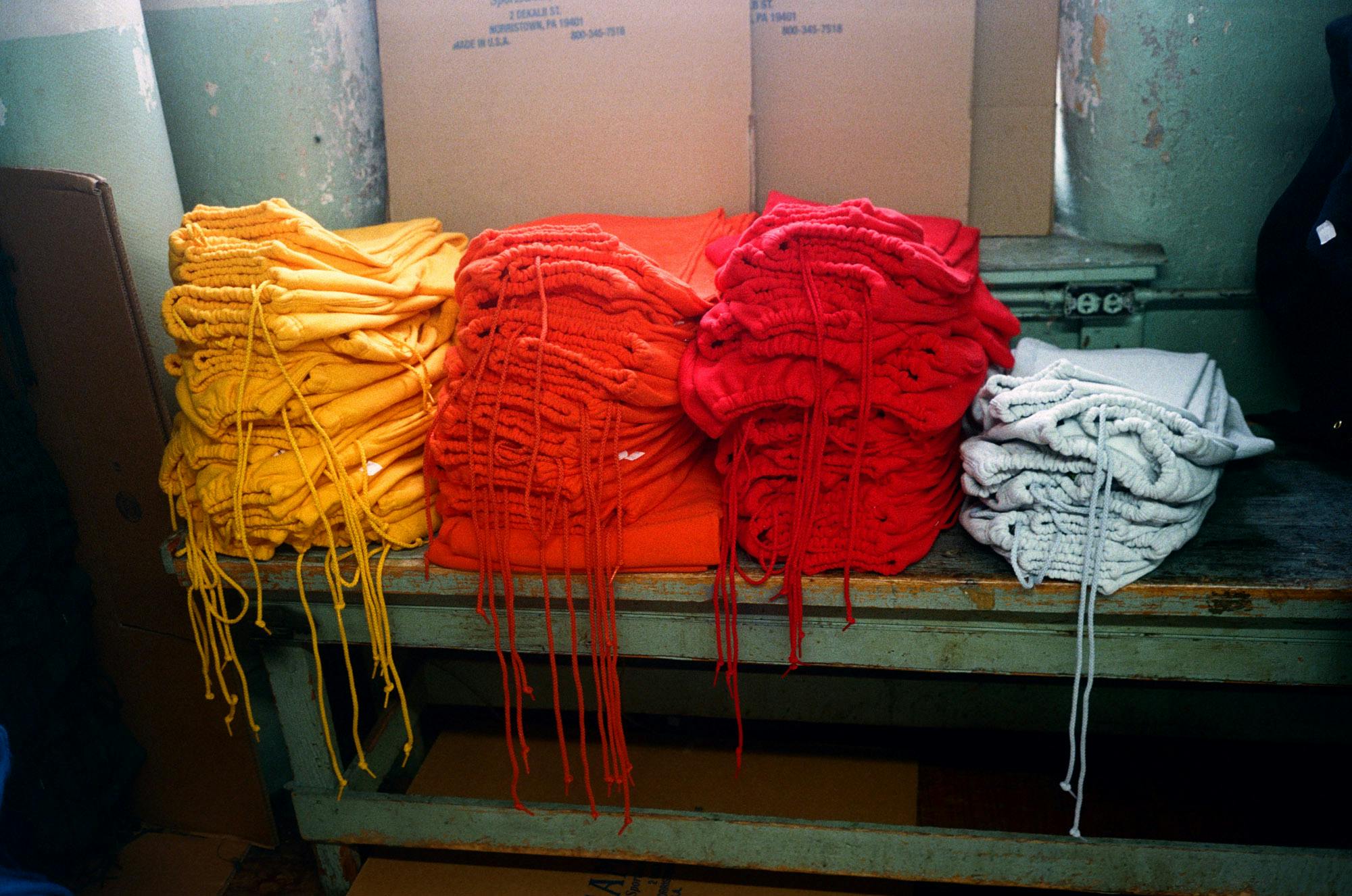
So she made a few changes: new lights, a new security system, new fans, an updated break room for the sewers. There will also be two new color offerings for Max-Weight T-shirt fabric — baby blue and light pink — a momentous update to the brand’s 11-color palette. But the new hues are for a good cause; part of the sales of items in each color will be donated to foundations for cancer and heart disease, the dual cause of Schwartz’s death.
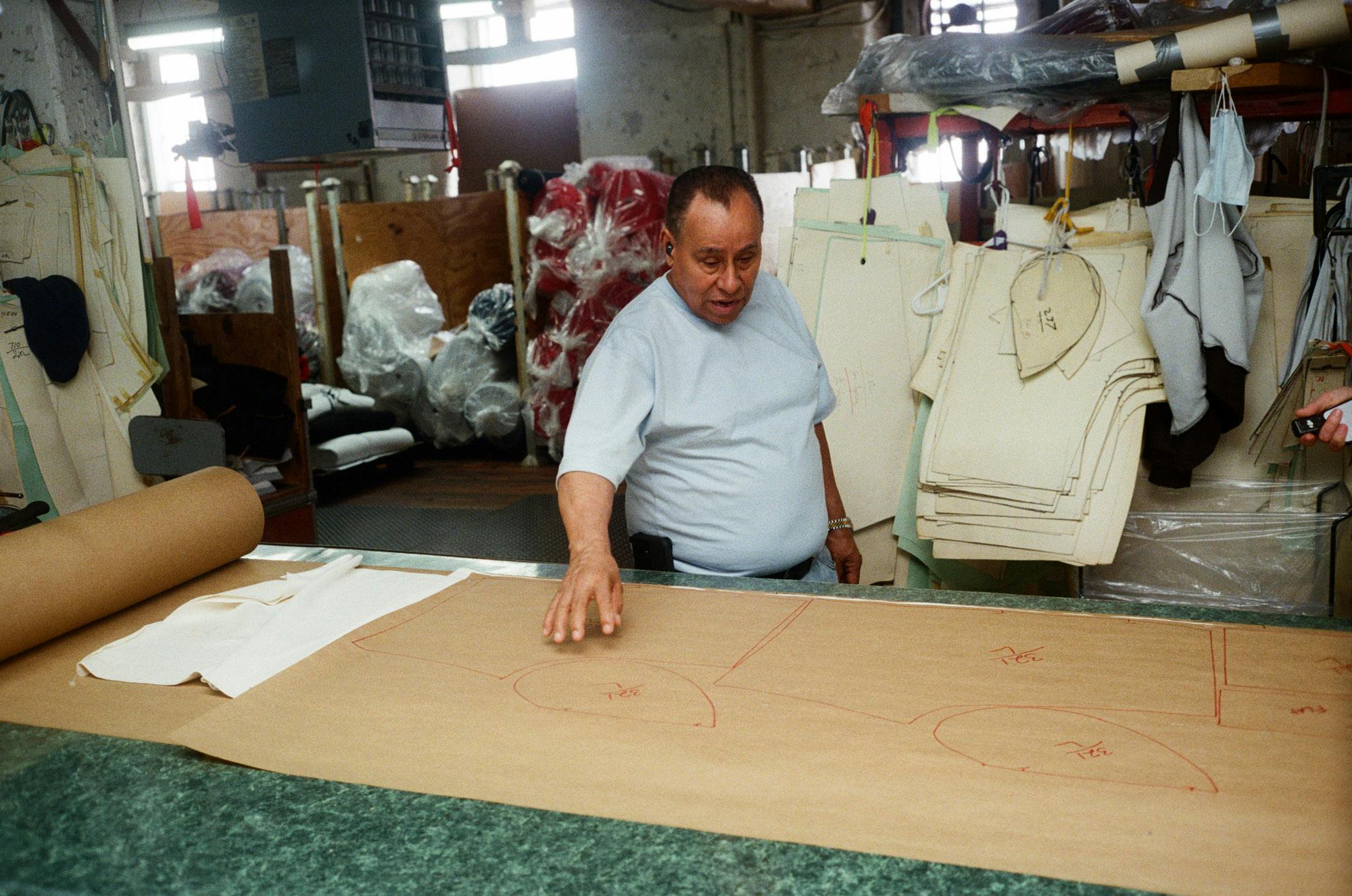
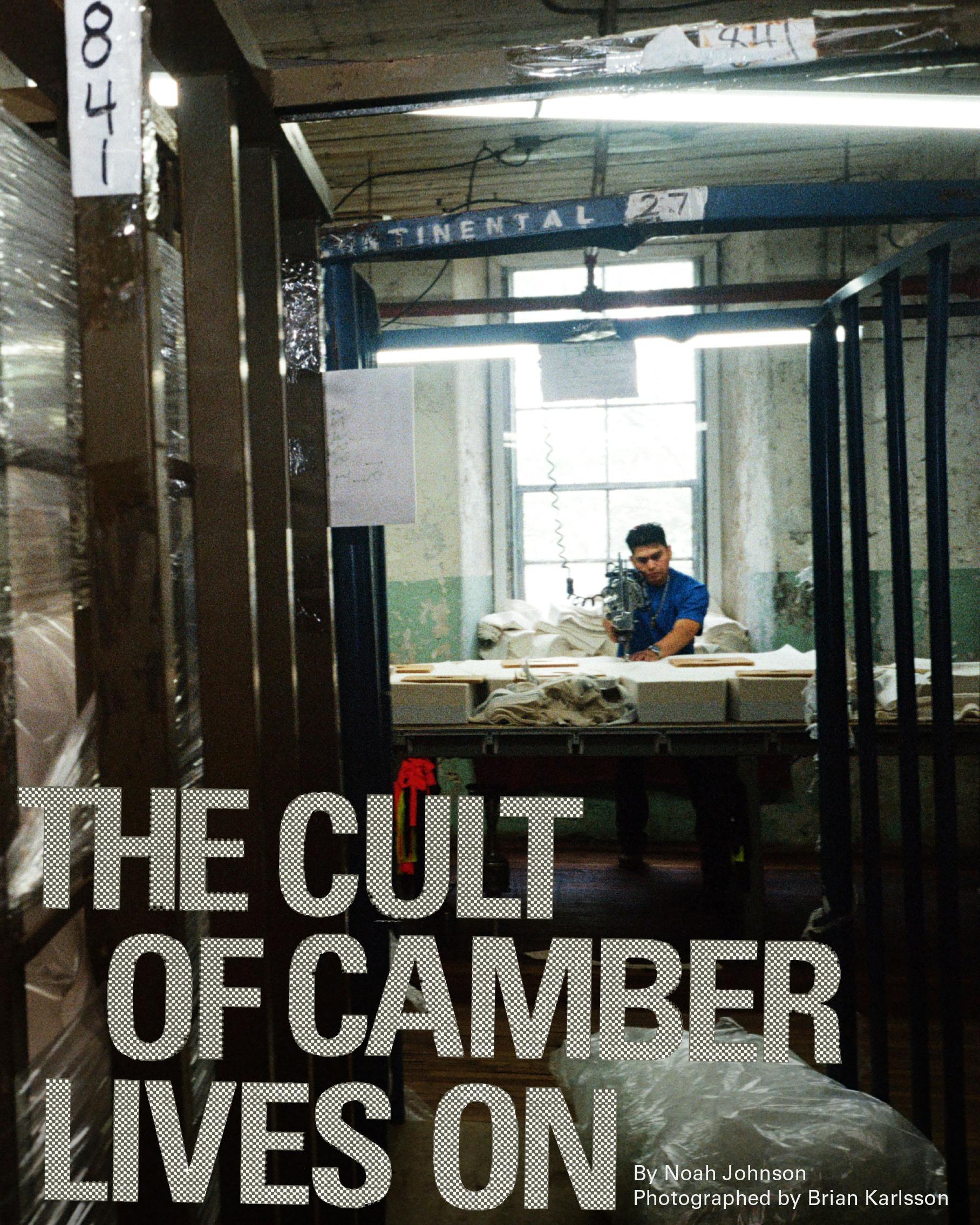
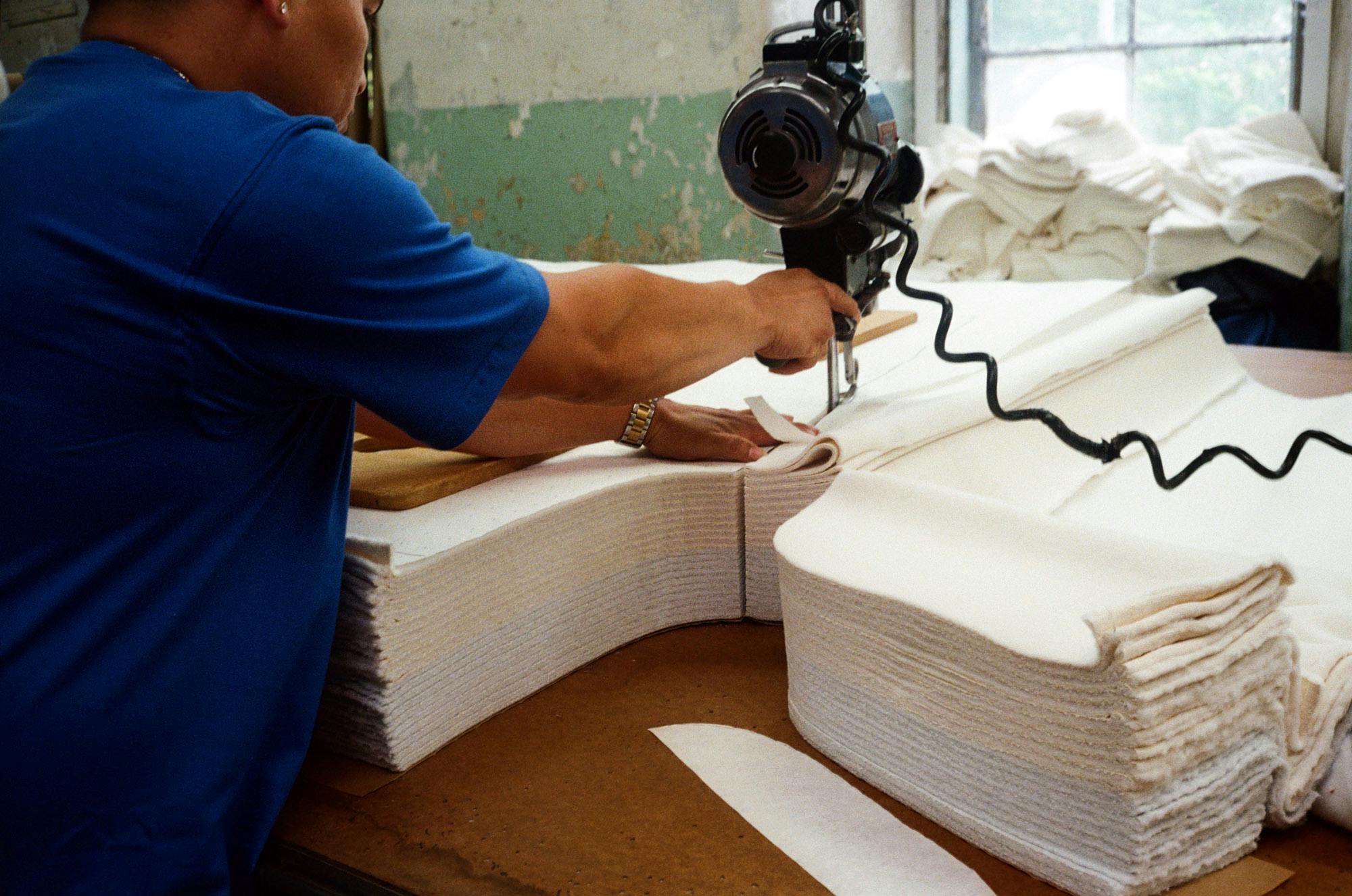
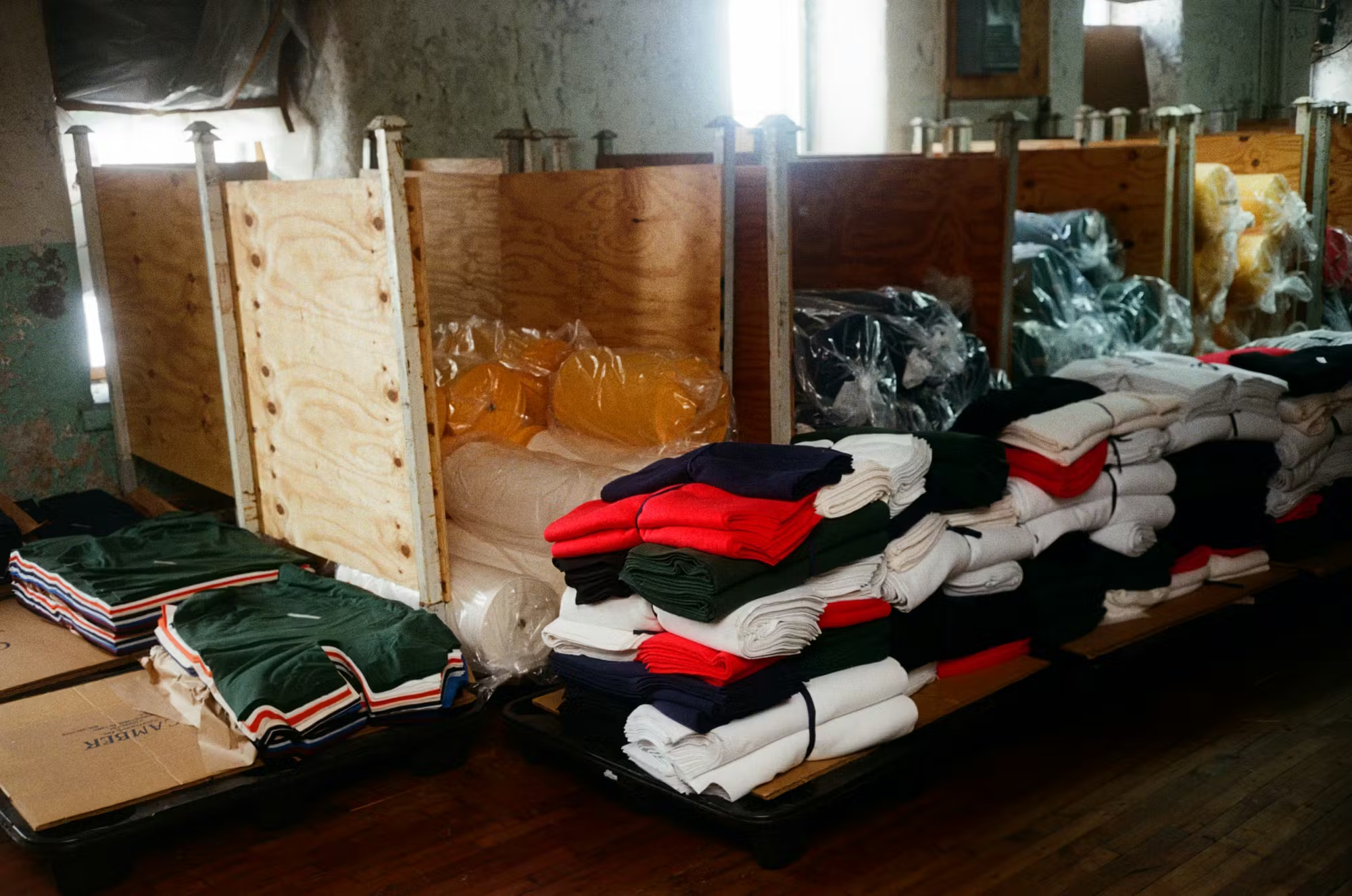
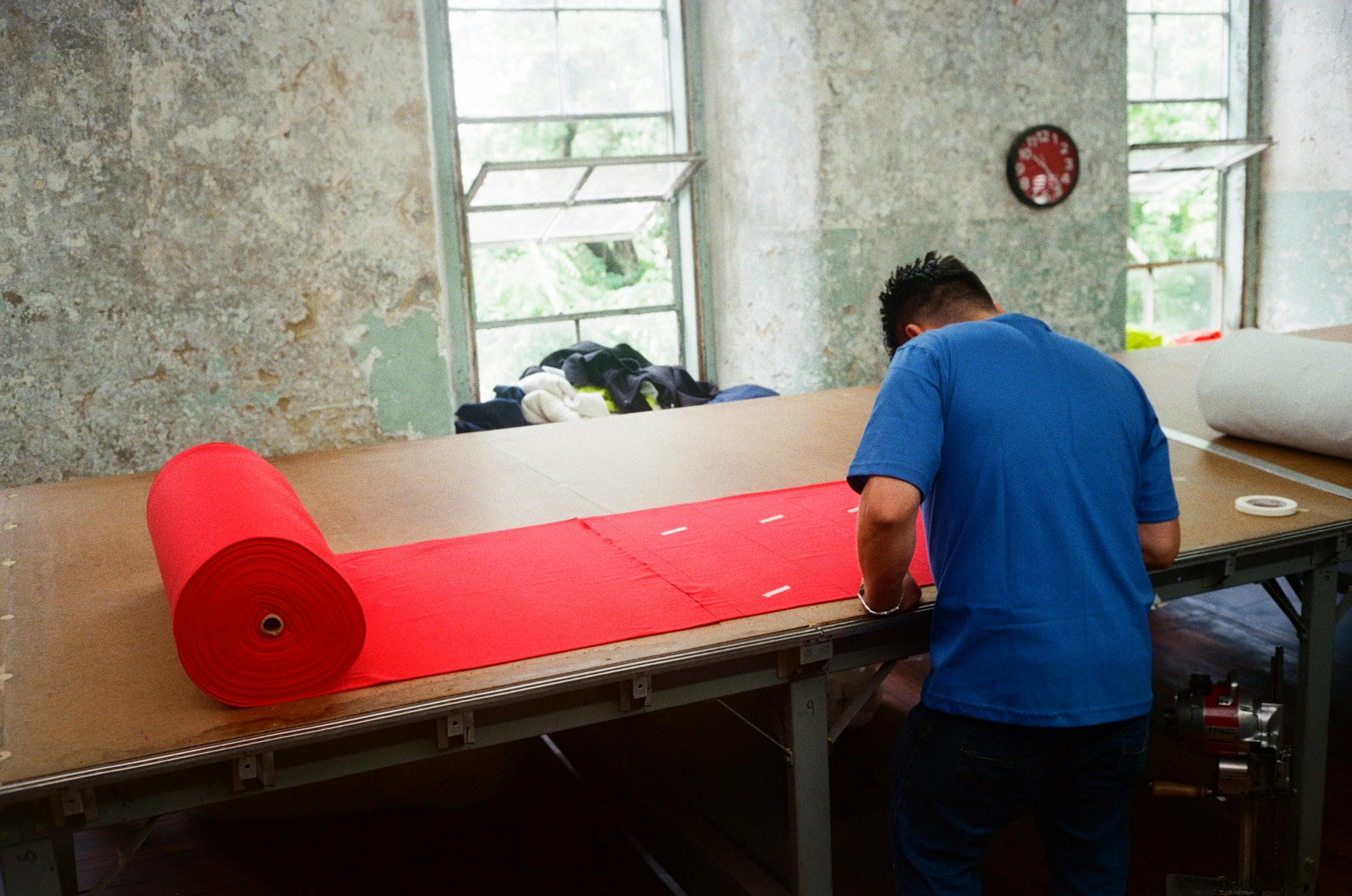
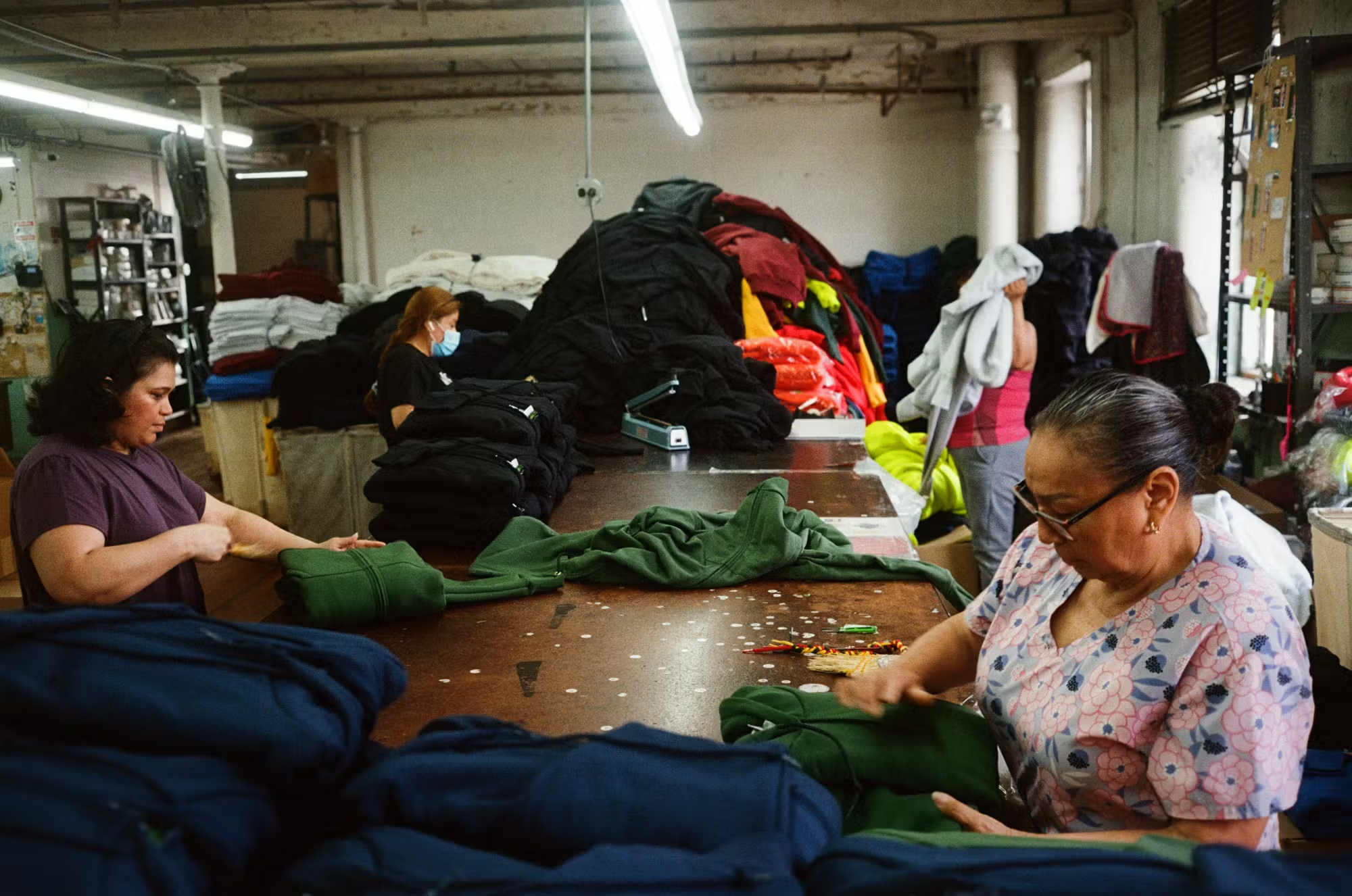
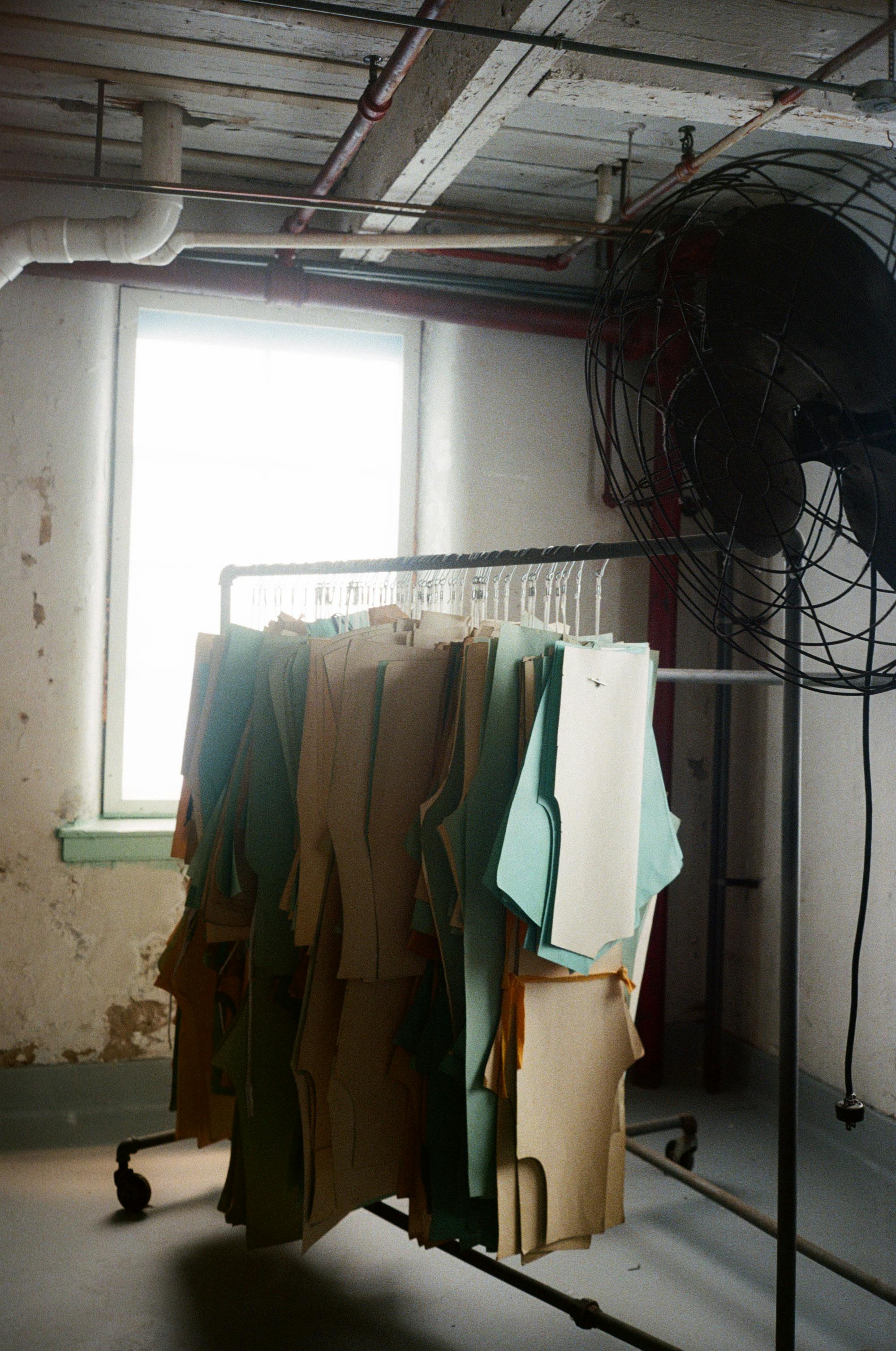
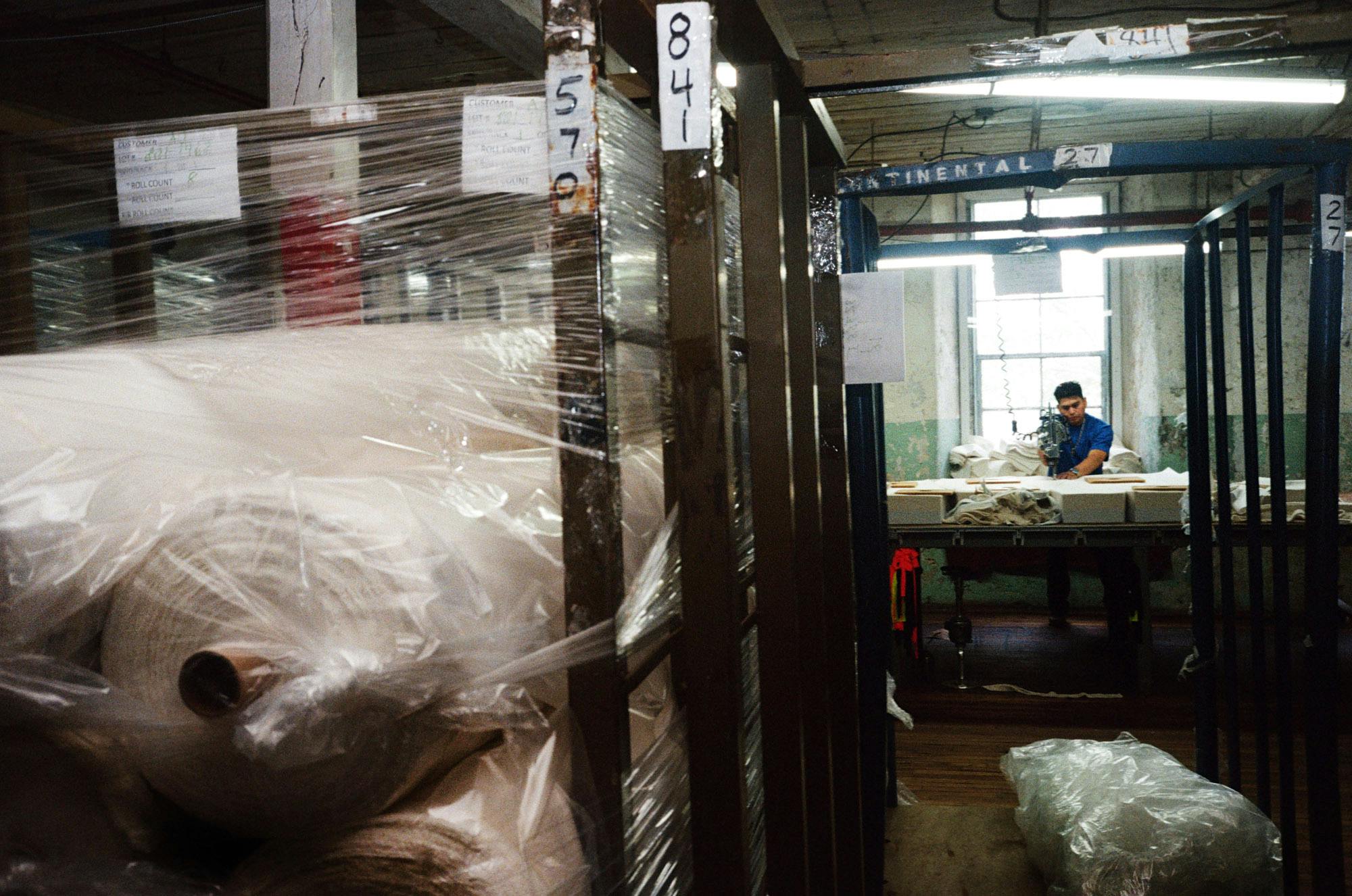
Walking through the updated Camber factory, I noticed it felt a little brighter, a little airier. But the process of making a Camber hoodie, and the products themselves, remained exactly the same. The patterns developed in the very beginning were last changed more than 20 years ago, and even then only slightly. The fabrics Schwartz refined are still being made in the same Pennsylvania mill. They’re cut by José Zayas, as they have been since nearly the beginning. He rolls out the bolts in stacks as thick as a shoe box and cuts freehand, smoothly moving the handheld bandsaw through the material.
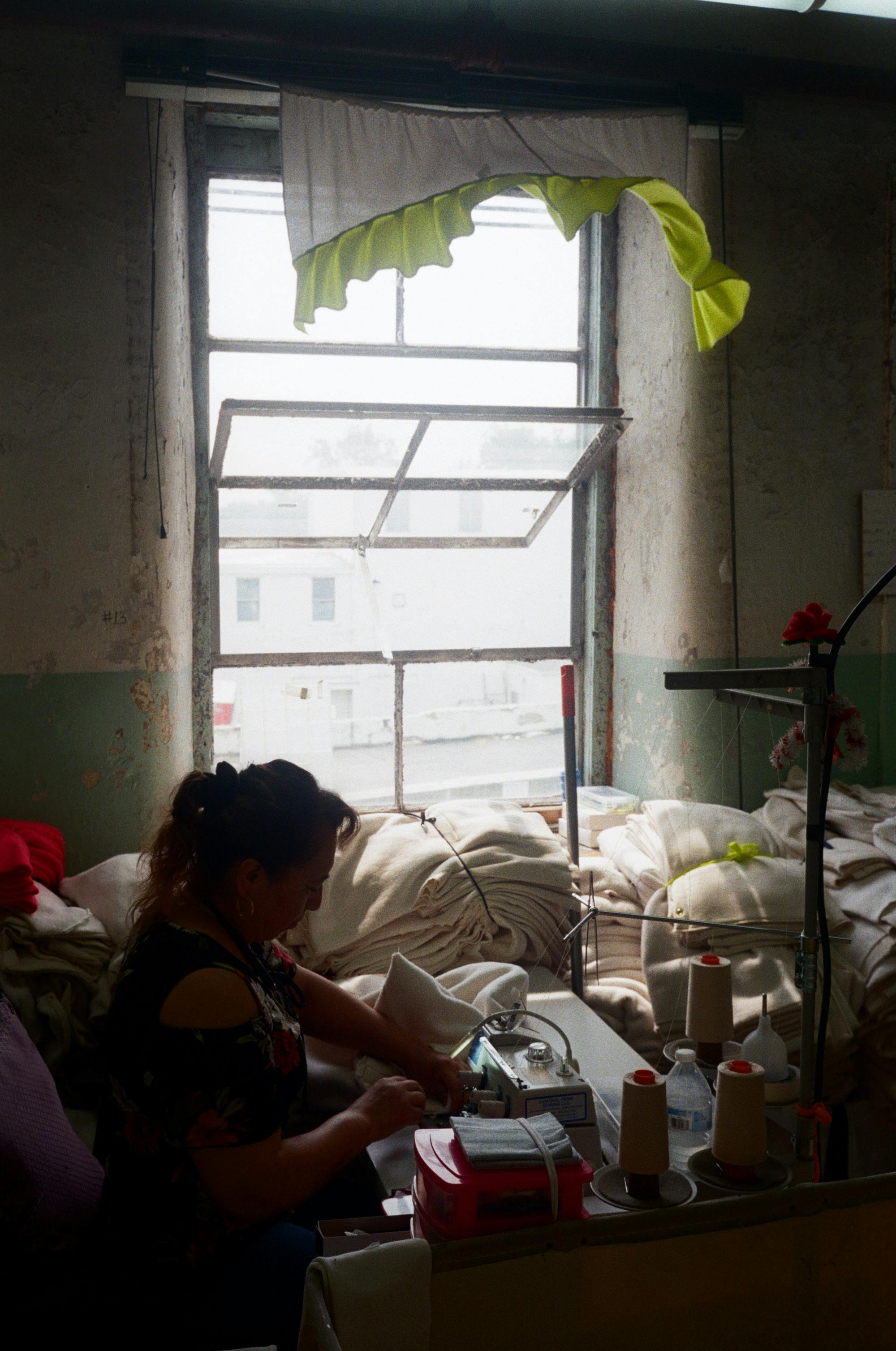
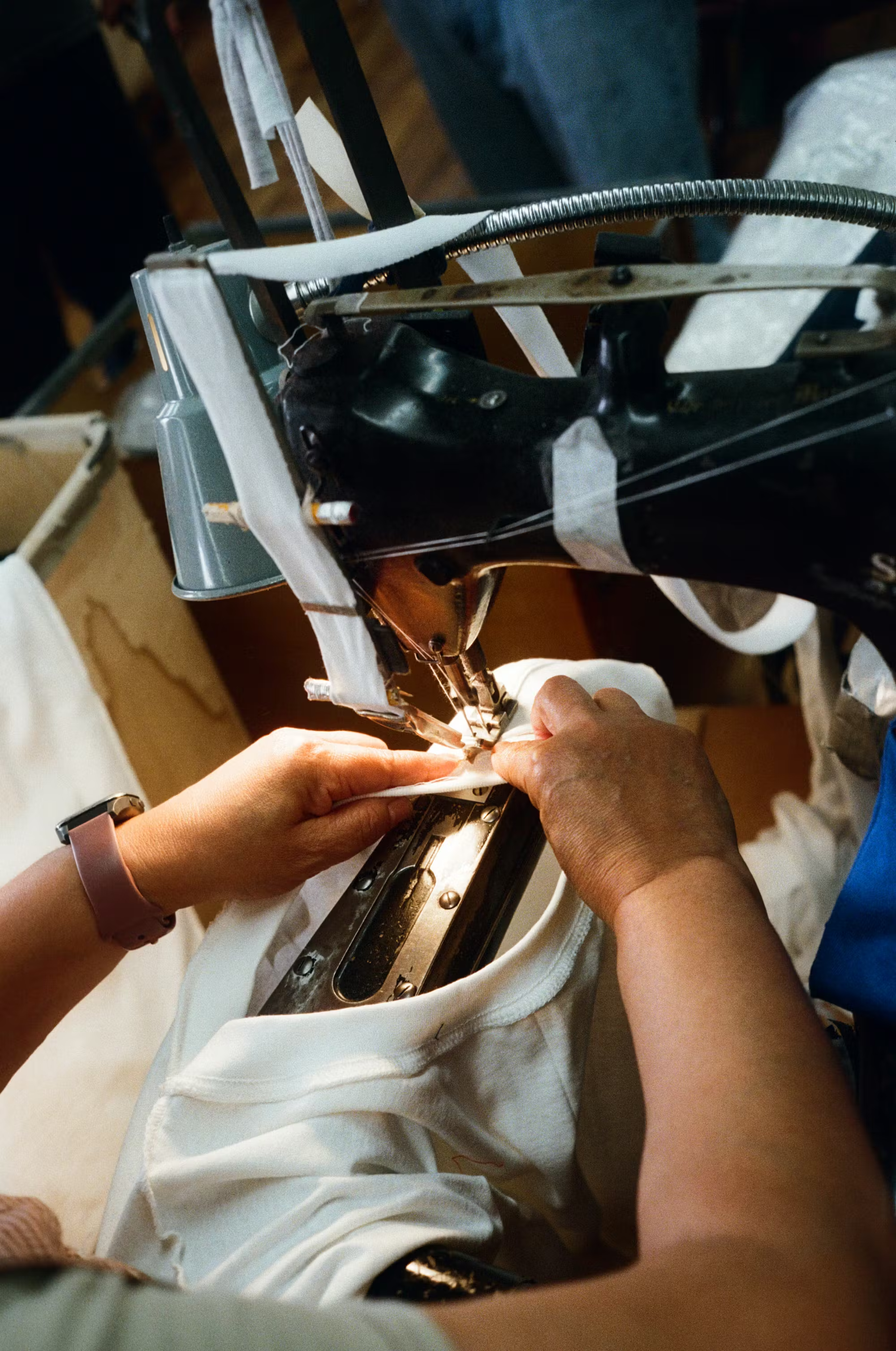
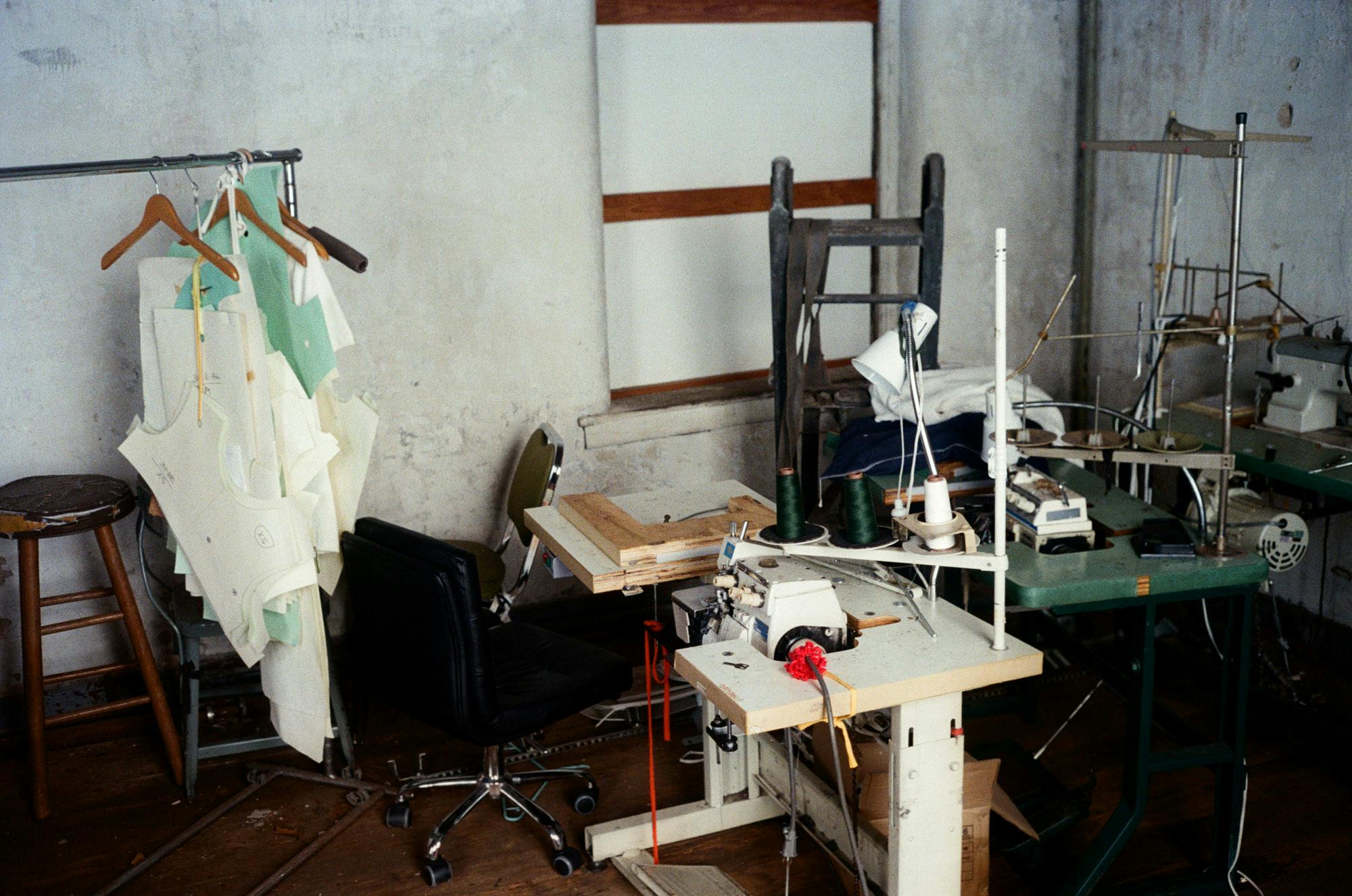
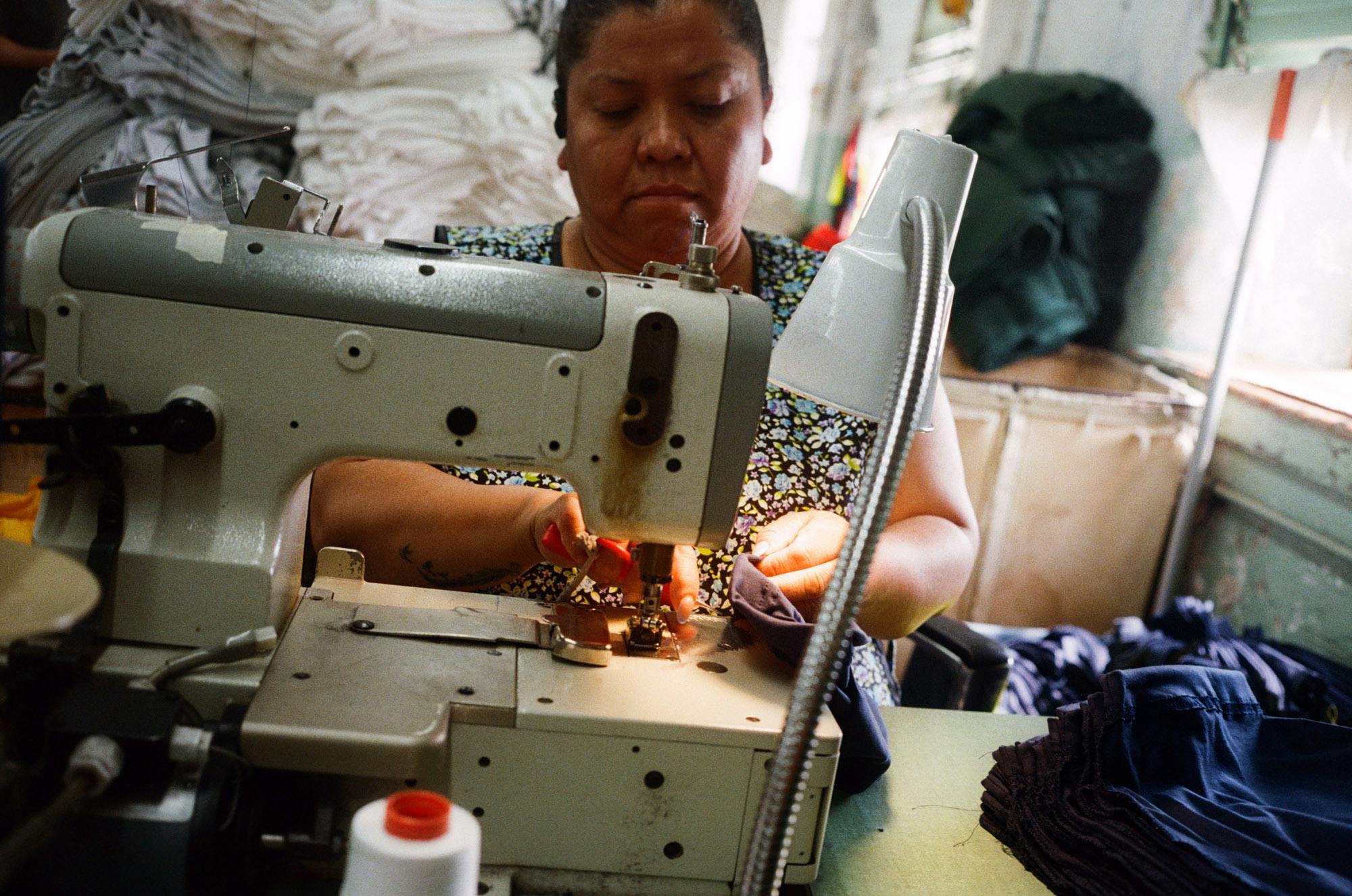
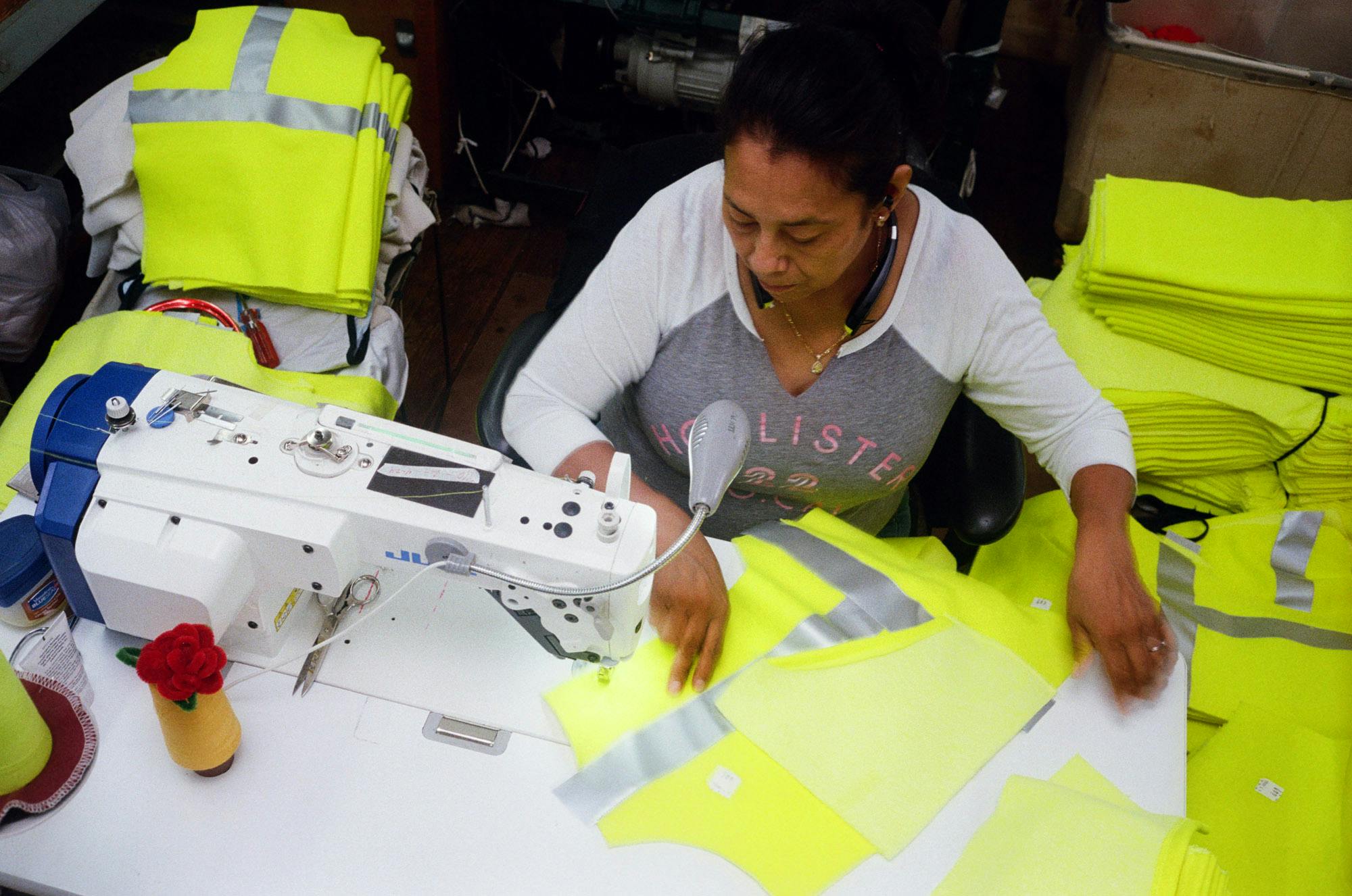
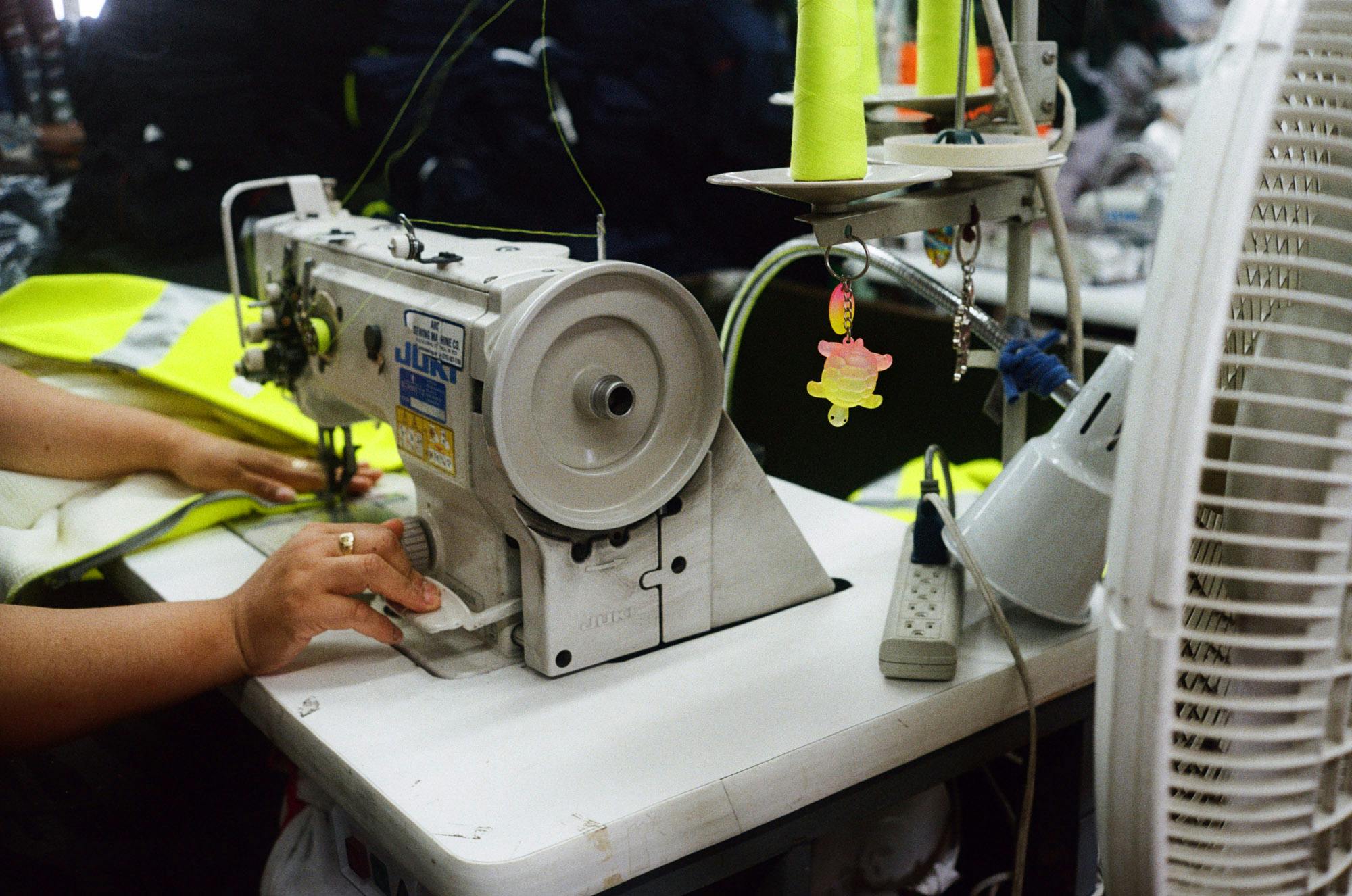
Cut pieces get bundled together and labeled to prevent any color variation. The bundled pieces are then carted across the building to the sewing room where the fun part starts. There are five different machines used to make a Camber sweatshirt. Four different types of stitches, and 10 different processes in total, from assembling the body, attaching the sleeves and hood, the ribbing, zippers, and pockets, to a final quality control check, tagging, and bagging. It takes about 30 minutes from beginning to end.

I discovered Camber in 2020. I tried to order a heather-gray hoodie from one of the company’s distributors online and learned it would take as long as 18 months to arrive. I was in disbelief but intrigued. So I reached out to Camber’s main distributor to see what the deal was. That’s how I met a guy named Cary Heller, vice president of sales for All USA Clothing, who would turn out to be my partner on the wild journey that led me to Norristown and Schwartz.
It was Heller who convinced Schwartz to speak with me in 2022. I don’t think Schwartz was interested in doing an interview or being in a magazine. If anything, the exposure made him uncomfortable and made his company vulnerable to knockoffs. But in the end, he seemed proud to share his story, not to juice sales, but as a way to grow that global Camber community. Schwartz’s vision was never about forcing people to wait just to make Camber seem more desirable. It was about building a business around a product that was just that good, and around people who understood as much.
The clients who get it get it. And the ones who don’t — well, don’t. After Donald Trump proposed sweeping tariffs on foreign-made goods, Camber was flooded with calls, Heller says. “These big companies that we never hear from are all of a sudden calling and saying they need 40,000 T-shirts in a month. And I’m like, ‘You’re calling the wrong place. We can’t help you. We can’t keep up with that; we can’t keep up with 10% of that.’ And then you tell them the price…”
Camber doesn’t cut deals because Camber doesn’t need the business. The people who come to Camber pay more and wait longer because they know they’ll get a good product from a company that doesn’t cut corners. As for the bargain hunters? “You’re not invited to the party,” Heller says. “This is a different world. We don’t swim with those fish.”
Back in 2022, Camber was facing three years of back orders for various reasons. First, a historic flood knocked out nearly its entire existing inventory, then COVID-19 set back supply chains. They’re caught up now thanks to Sabrina’s diligent work managing inventory and processing orders more quickly. This year, I saw boxes labeled to go out to South Korea, Japan, the UK, and across the US.
It’s a very specific, very personal thing to run a business with the level of trust in the product and in the clientele that Schwartz had for Camber. It’s hard to maintain, especially without the founder around as enforcer. But Schwartz poured himself into his business. It’s like he knew one day he’d be gone, and the company had to be durable enough to continue without him. Maybe this is his greatest success. The lights are a little brighter and the boxes ship out on time, but otherwise Barry Schwartz’s Camber is alive and well.